








Medical-Grade Skin Care vs. Retail Skin Care: What’s the Difference?
When shopping for skin care, you will likely come across brands that are labeled or marketed as “medical-grade.” However, “medical-grade” is technically a marketing term, as it is not regulated by the FDA and there are no standardized guidelines that determine whether or not a product can be called “medical-grade” This means that any brand could use this term on product packaging.
That said, there are some general assumptions about medical-grade skin care vs. retail-grade skin care, also referred to as “drugstore” brands.
So what does “medical-grade skin care” really mean? And is it really better than the products you can buy at the drugstore? Let’s break down the differences so you can decide what’s right for your skin.
"Medical-grade" is not a FDA-regulated term.
Medical-grade skin care brands are generally assumed to have clinical evidence supporting their claims.
Choose products based on skin type, not marketing terms or price.
Table of content

What Is Medical-Grade Skin Care?
Although the term itself is not regulated, medical-grade skin care generally refers to products that are developed using clinical research and formulated to address specific skin concerns. These products are commonly sold in dermatology offices, plastic surgery practices, and medical spas.
Most brands that describe themselves as medical-grade have some level of clinical evidence supporting their claims, such as published studies, ingredient testing, or in-house trials. While these studies don’t carry the same weight as FDA drug trials, they do typically go beyond basic marketing claims.
Medical-grade products often focus on targeted concerns like acne, hyperpigmentation, photoaging, rosacea, or post-procedure healing, and they are usually formulated by dermatologists, chemists, or pharmaceutical scientists.

Popular Brands Considered Medical-Grade Skin Care
These brands are widely known in the US and are considered to be medical-grade because of the clinical research behind their products. Some medical-grade brands are only available through physicians’ offices.
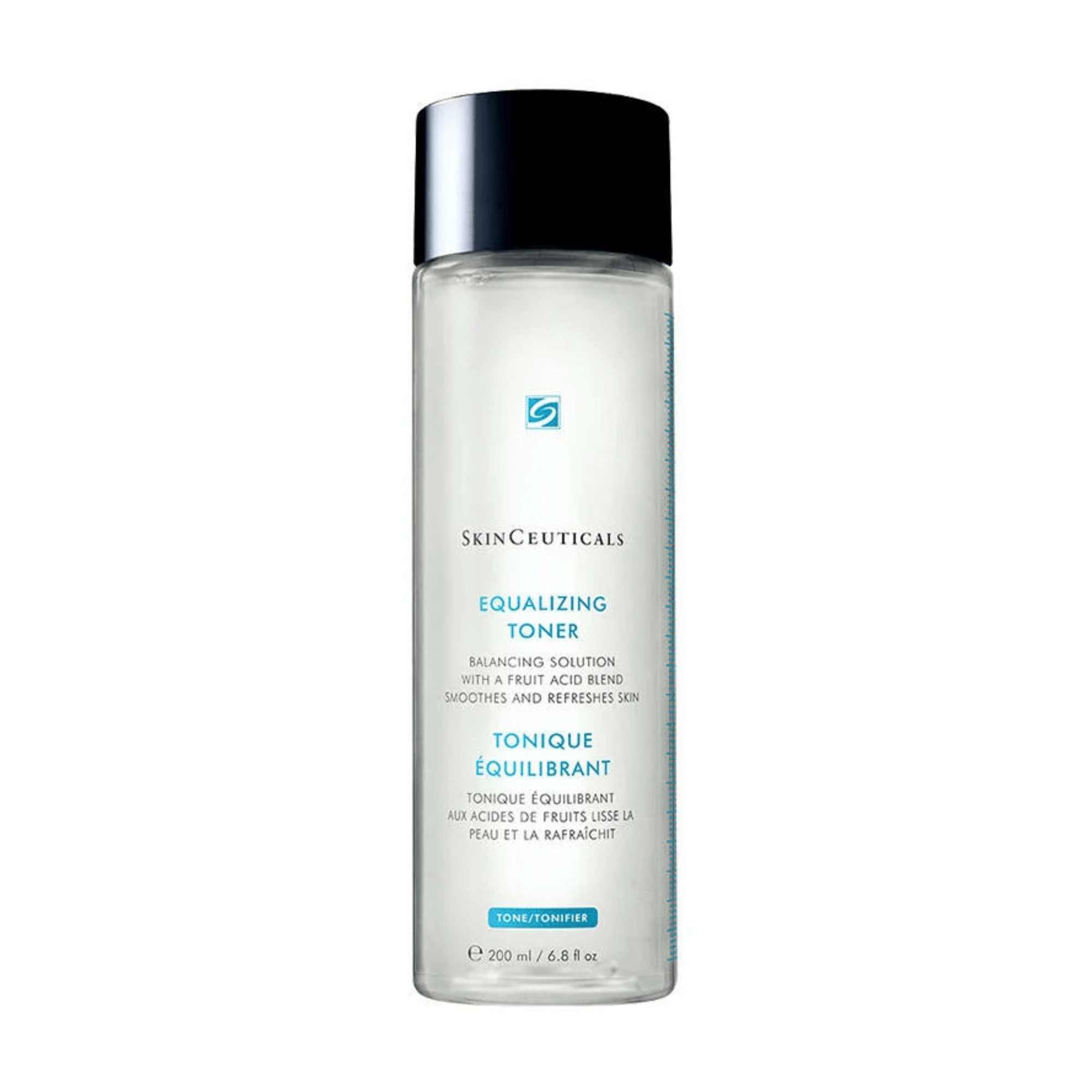
SkinCeuticals: Known for antioxidant science, especially vitamin C serums backed by published clinical research.
SkinMedica: Focuses on growth factors, TNS technology, and skin rejuvenation supported by clinical studies.
Alastin: Best known for pre- and post-procedure skin care and peptide-based anti-aging formulations.
ZO Skin Health: Focuses on skin health optimization, retinoids, exfoliation, and structured treatment protocols.
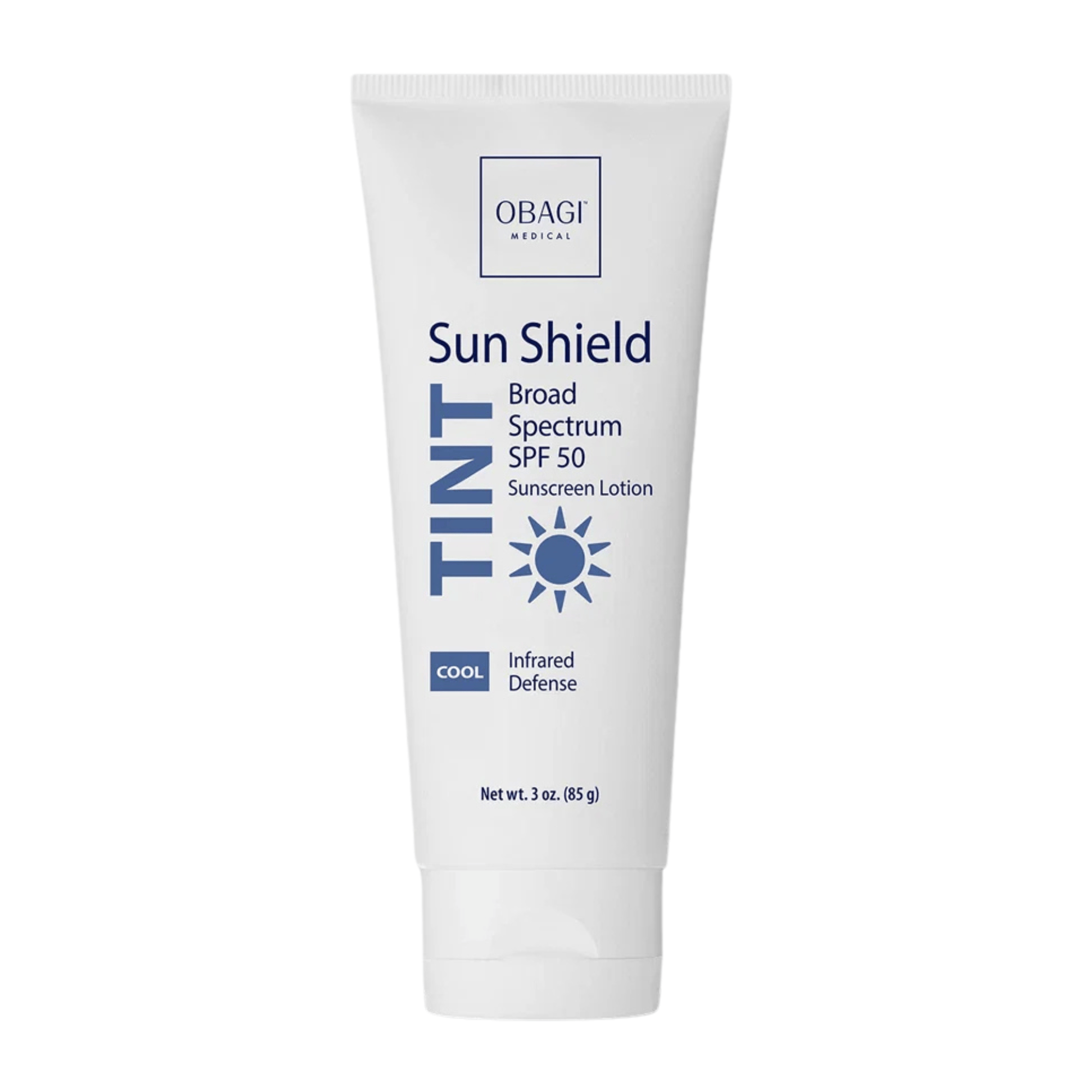
Obagi: A pioneer in prescription-strength skin care systems for acne, pigmentation, and photoaging.
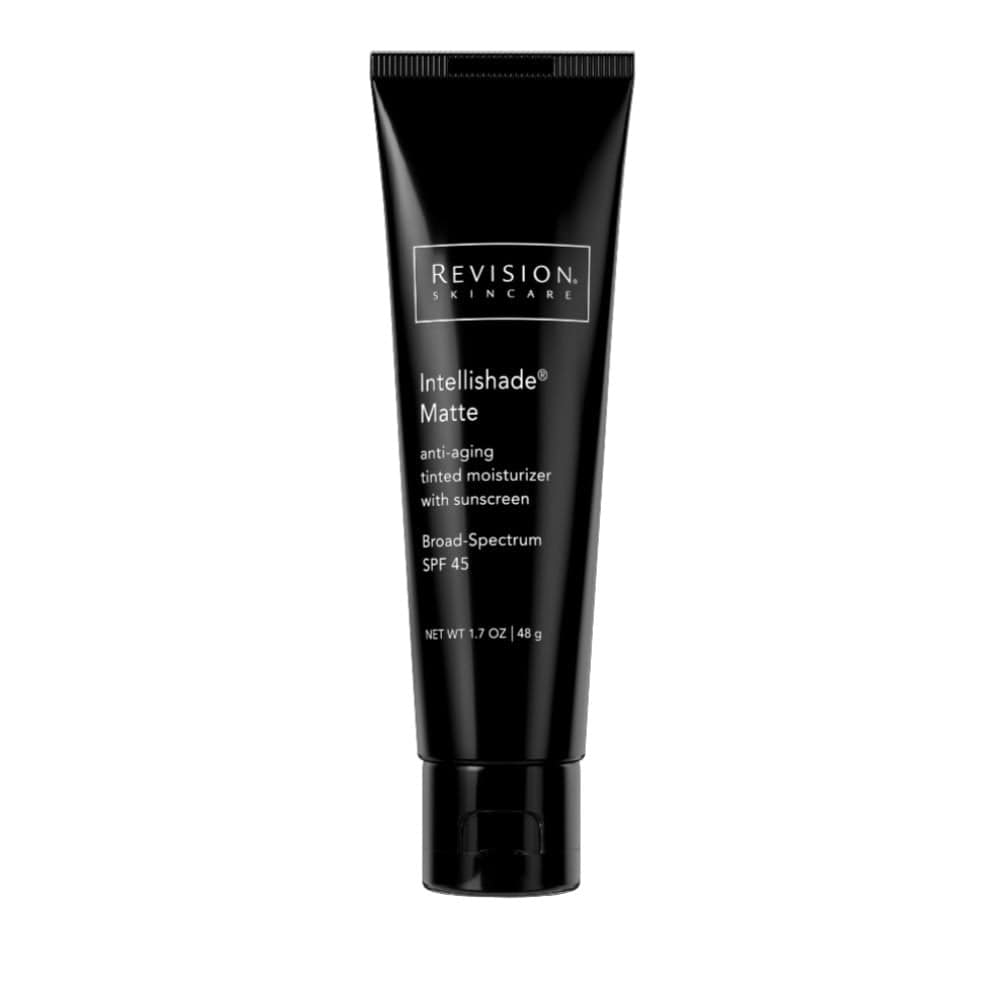
Revision Skincare: Known for peptide-rich anti-aging products and clinically tested brightening treatments.
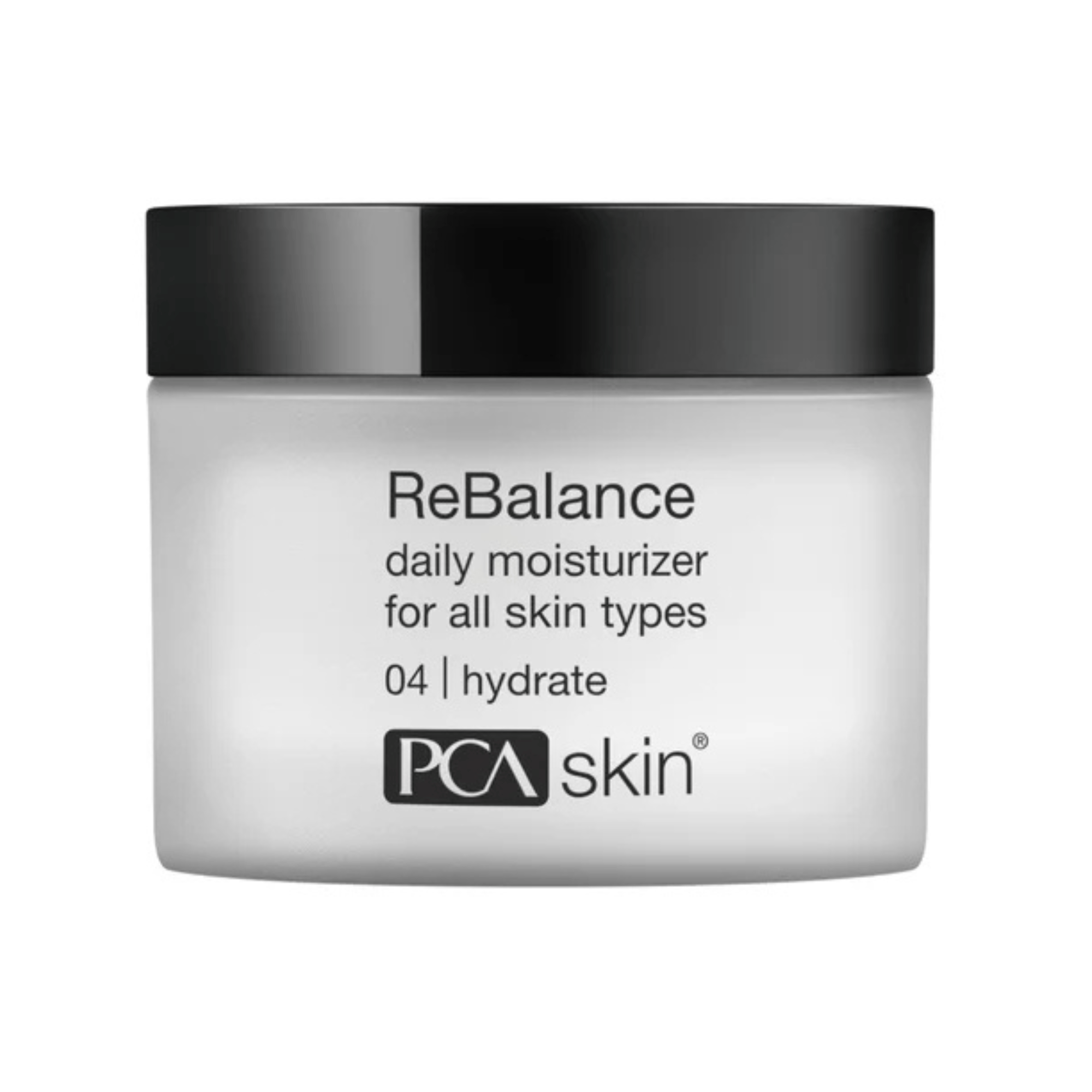
PCA Skin: Recognized for chemical peels and corrective treatments for acne, discoloration, and aging.
Neocutis: Specializes in growth factor technology originally developed for wound healing and post-procedure recovery.
iS Clinical: Known for pharmaceutical-grade botanical actives and products used during in-office treatments.
La Roche-Posay: Dermatologist-recommended brand focused on sensitive skin, barrier repair, and thermal spring water.
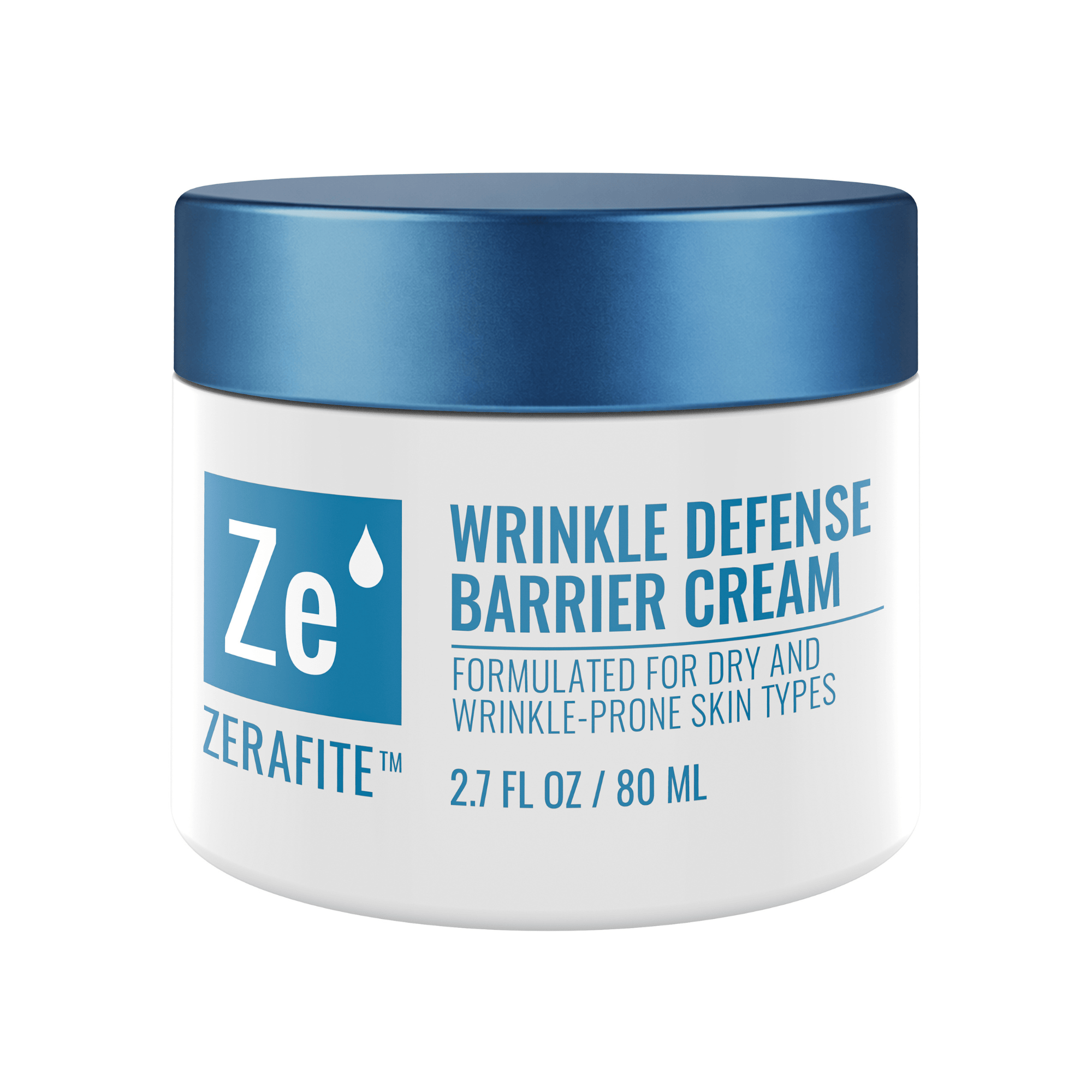
Zerafite: Known for barrier-repair products that use a precise ceramide, cholesterol, and fatty acid ratio designed to restore compromised skin barrier function.
Derma Made: This skincare brand was designed by dermatologist Dr. Amy Brodsky to provide affordable basic skincare options. Sold by dermatologists.
What Is Retail-Grade Skin Care?
Also called “drugstore” or “over-the-counter” products, retail-grade skin care refers to products sold in pharmacies, big-box stores, grocery stores, and online marketplaces. The key difference is that retail products typically do not have a robust body of clinical research supporting their marketing claims. This does not mean they are ineffective or poorly formulated, but the level of scientific validation is typically lower. As with medical-grade skin care, there is no regulatory standard governing how brands market these products.
Retail brands are generally formulated for broad audiences, focusing on affordability, accessibility, and tolerability for many skin types.
Popular Brands Considered Retail-Grade Skin Care
These are generally the ones you see on the shelves at the drugstore, which is why they’re often called “drugstore” brands.
Aveeno: Known for soothing, oat-based products that support the skin hydration and calm irritation.
CeraVe: Best-known for its line of body and face moisturizers and cleansers.
Cetaphil: Focuses on gentle, low-irritation cleansers and moisturizers for sensitive skin.
Neutrogena: Known for acne treatments, sunscreens, and retinol products designed for mass accessibility.
Olay: Popular for accessible anti-aging products featuring niacinamide, peptides, and retinoids.
Jergens: Known for affordable body lotions focused on basic hydration and dry skin relief.
Benefits of Medical-Grade Skin Care
While there are no official rules or standard guidelines that define medical-grade skin care, many of these products do share common advantages over typical retail brands.
Clinical Evidence
Medical-grade brands often invest in evidence based research to validate their formulations. This may include ingredient-level studies, finished-product trials, or peer-reviewed research demonstrating improvements in skin texture, tone, fine lines, or discoloration.
Higher Concentrations of Active Ingredients
Medical-grade products often contain higher concentrations of active ingredients such as antioxidants, growth factors, retinoids, peptides, or exfoliating acids. These concentrations are designed to produce measurable changes in the skin rather than subtle cosmetic effects.
That said, higher concentration does not automatically mean better results, especially if your skin barrier cannot tolerate it.
High-Quality Ingredients & Expert Formulation
Many medical-grade brands use pharmaceutical-grade ingredients, optimized delivery systems, and stable formulations. This includes technologies that enhance penetration, protect fragile ingredients from degradation, and improve consistency from batch to batch.

Drawbacks of Medical-Grade Skin Care
Despite the benefits, there are a few caveats to note with medical-grade skin care. First, these products are usually more expensive than drugstore options. Research, specialized ingredients, and limited distribution channels all contribute to higher price points.
Secondly, medical-grade does not automatically mean better for your skin. A poorly matched product, regardless of price or branding, can worsen irritation, dryness, or breakouts. There are excellent medical-grade brands and excellent retail brands, just as there are mediocre products in both categories.
Medical grade skincare brands often only authorize doctors to sell their brands. Use caution when buying online from unapproved sellers. (You may get expired or counterfeit products) Skin Type Solutions is overseen by Dermatologist Dr. Leslie Baumann. We are used by many doctors to sell medical grade skin care online. Skin Type Solutions is an authorized dealer of many medical grade skin care brands.
The most important factor is whether a product aligns with your skin type, barrier function, and specific concerns.
Do You Need a Prescription for Medical-Grade Skin Care?
No. Medical-grade skin care products are not prescription drugs, which is why they are not regulated by the FDA in the same way medications are. However, some brands choose to sell their products exclusively through dermatologists or licensed medical professionals.
If a product contains a prescription-only ingredient, such as tretinoin, a prescription retinoid, it requires a prescription because of the drug itself, not because it is labeled medical-grade.
Bottom Line: Do You Need Medical-Grade Skin Care?
The term "medical-grade skin care" isn’t strictly regulated by the FDA, so it is not the end-all-be-all of a good-quality skin care product. That said, medical-grade skin care products usually do have a robust body of scientific research behind them.
More important than this label, however, is a product’s compatibility with your skin type. If you have a specific concern that requires a prescription, see your dermatologist. Prescription medications are not the same thing as medical-grade skin care, which do not require a prescription.
Remember that more expensive does not always equal better for your skin!

Dr. Leslie Baumann MD, FAAD
How do I know if a product is medical-grade?
This is technically marketing language, so there is no standardization or way to tell if a product is or is not “medical-grade.” However, products that have robust clinical evidence are generally considered to be medical-grade.
Is La Roche-Posay considered medical-grade?
Yes, La Roche-Posay is typically considered medical-grade due to its clinical research and frequent dermatologist recommendation, even though it’s widely available at retail.
Is medical-grade skin care worth it?
It depends on your skin type and concerns. When the right medical-grade skin care products are used for your skin type, these products can absolutely be worth the investment.
Best References and Scientific Publications on Medical-Grade Skin Care
- Baumann L. Antiaging Ingredients in Ch. 37 of Baumann's Cosmetic Dermatology Ed 3. (McGraw Hill 2022)
- Baumann, L. Ch. Cosmeceuticals and cosmetic Ingredients (McGraw Hill 2015)
- Lichterfeld, A., Hauss, A., Surber, C., Peters, T., Blume-Peytavi, U., & Kottner, J. (2015). Evidence-based skin care: a systematic literature review and the development of a basic skin care algorithm. Journal of Wound Ostomy & Continence Nursing, 42(5), 501-524.
- Lee, J. D., & Oh, M. J. M. (2023). Medical skin care. In Lasers in Dermatology: Parameters and Choice: With Special Reference to the Asian Population (pp. 35-46). Singapore: Springer Nature Singapore.
- Jourdan, M., Madfes, D. C., Lima, E., Tian, Y., & Seité, S. (2019). Skin care management for medical and aesthetic procedures to prevent scarring. Clinical, Cosmetic and Investigational Dermatology, 799-804.
- Palm, M. D., Fathizadeh, S., & Hooper, D. (2025). Skincare Regimens for Men: Medical-Grade Solutions. Facial Plastic Surgery.


