
Right for you
Not rated by skin type
Baumann Skin Type®
DSPW - Dry, Sensitive, Pigmented, Wrinkle-prone
239 products. Take the quiz to see which ones fit your skin.239 products.
Is DSPW your type? TakeFinish the free quiz to find out.
You are . See the products for your type →
Take the free quiz to unlock shopping by your skin type.
Take the quiz
Products
Right for you
Not rated by skin type
Right for you
Not rated by skin type
Right for you
Not rated by skin type
Sale
Right for you
Not rated by skin type
Right for you
Not rated by skin type
Sale
Right for you
Not rated by skin type
Sale
Right for you
Not rated by skin type
Right for you
Not rated by skin type
Sale
Right for you
Not rated by skin type
Right for you
Not rated by skin type
Sale
Right for you
Not rated by skin type
Sale
Right for you
Not rated by skin type
Right for you
Not rated by skin type
Right for you
Not rated by skin type
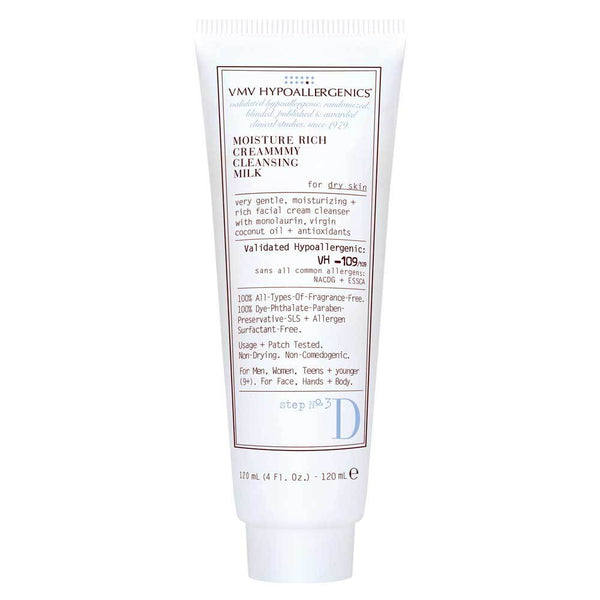
VMV HYPOALLERGENICS★ Brand you like
VMV HYPOALLERGENICS Moisture Rich Creammmy Cleansing Milk for Dry Skin
$31Over your budget
Right for you
Not rated by skin type
Right for you
Not rated by skin type
Right for you
Not rated by skin type
VMV HYPOALLERGENICS★ Brand you like
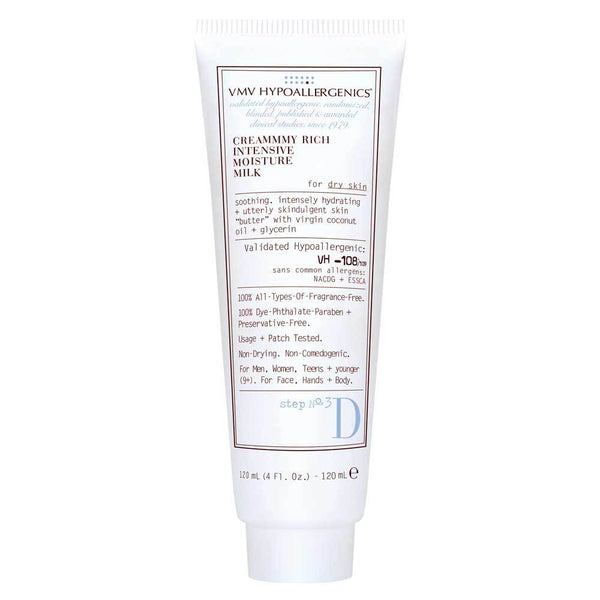
VMV HYPOALLERGENICS Creammmy-Rich Intense Moisture Milk for Dry Skin
$45Over your budget
Right for you
Not rated by skin type
Right for you
Not rated by skin type
Right for you
Not rated by skin type
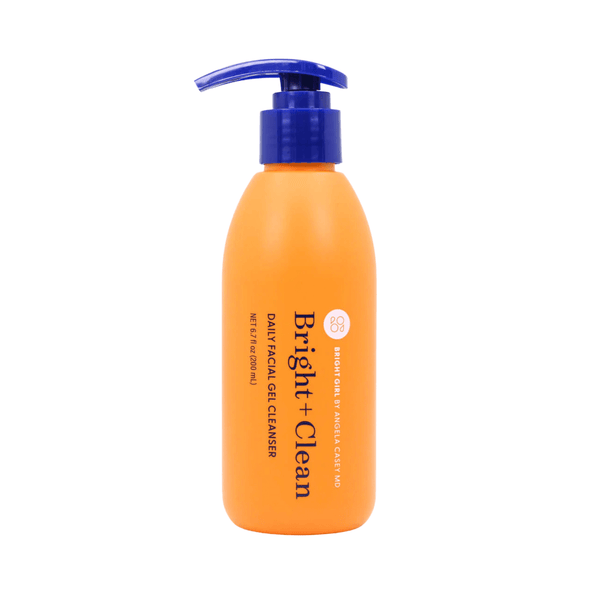
Bright Girl★ Brand you like
Bright Girl Bright + Clean Daily Facial Gel Cleanser
$26Over your budget
Right for you
Not rated by skin type
Right for you
Not rated by skin type
Sold out
Right for you
Not rated by skin type
More about skin type DSPW
What Is DSPW Baumann Skin Type 3?
DSPW stands for Dry, Sensitive, Pigmented, and Wrinkle-Prone. This is one of the most challenging Baumann Skin Types because inflammation can worsen all four characteristics.
DSPW skin has an impaired barrier that contributes to dryness and allows irritating ingredients to penetrate more easily. This increases inflammation and sensitivity. In turn, inflammation can further damage the skin barrier, trigger post-inflammatory hyperpigmentation, and contribute to skin aging. For this reason, controlling inflammation is the first priority for DSPW skin.
Pigmented means that your skin is prone to unwanted dark spots and uneven pigmentation. However, many effective skin-lightening ingredients can irritate sensitive skin. If they trigger inflammation, they can actually make pigmentation worse.
Wrinkle-Prone does not mean that you already have wrinkles. It means your age, lifestyle, habits, and other risk factors indicate that preventing skin aging should be part of your skincare strategy. However, DSPW skin should avoid anti-aging ingredients that trigger inflammation, because inflammation can worsen sensitivity, barrier damage, pigmentation, and skin aging.
For DSPW skin, treatment order matters. If your Skin Type Quiz shows redness, stinging, or other signs of inflammation, we first focus on calming the skin and repairing the barrier. Once the skin has improved, usually after about four weeks, skin-lightening ingredients such as tyrosinase inhibitors can be added, followed by appropriate anti-aging treatments. The goal is to treat pigmentation and aging without restarting the cycle of inflammation.
What are the best moisturizers for DSPW skin?
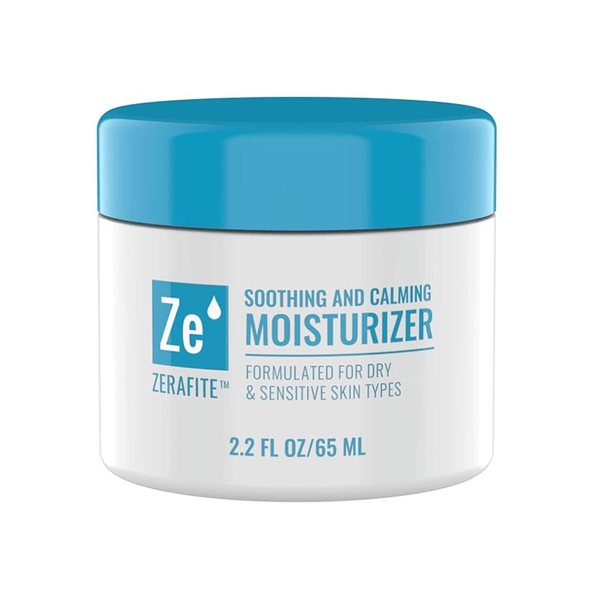
DSPW skin needs sophisticated noncomedogenic moisturizers that can address the four barriers to skin health: dehydration, inflammation, hyperpigmentation, and skin aging without triggering additional inflammation.
The moisturizer should first help repair the impaired skin barrier and increase hydration. Calming ingredients are also important because inflammation can worsen all four DSPW concerns. Once the skin is calm enough to tolerate them, appropriate skin-lightening and anti-aging ingredients can be included to target dark spots and skin aging without irritating the skin.
If you have acne-prone DSPW skin, avoiding comedogenic ingredients is especially important. Acne causes inflammation, and when inflammatory acne lesions heal, they can leave post-inflammatory hyperpigmentation and new dark spots. Preventing breakouts therefore helps prevent another trigger for pigmentation.
If you have rosacea, redness, stinging, or burning, the moisturizer should prioritize soothing ingredients and avoid ingredients that trigger irritation. Your Skin Type Quiz answers help determine which ingredients your skin can tolerate and which should be avoided.
There is not one moisturizer that is best for every DSPW. The best moisturizer should address as many of your four barriers to skin health as possible while avoiding ingredients that trigger inflammation. This is why knowing both your Baumann Skin Type and your individual sensitivity concerns is important when personalizing a DSPW skincare routine.
What are the best cleansers for DSPW skin?
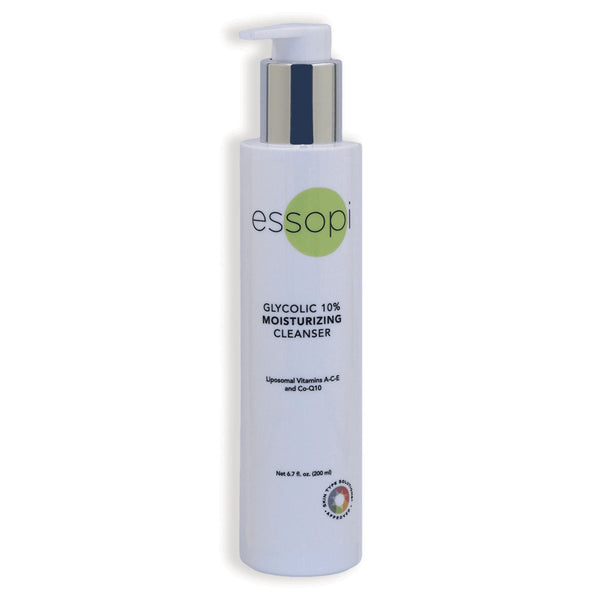
The best cleansers for DSPW skin are gentle, barrier-safe cleansers that remove dirt, sunscreen, makeup, and excess oil without stripping thelipids that dry, sensitive skin needs.
We have chosen cleansers that help preserve the skin barrier and may contain hydrating humectants, emollients, or occlusives that help the skin hold onto water. Harsh detergents and irritating surfactant systems should be avoided because they can increase dryness and inflammation, which can worsen pigmentation and skin aging.
For DSPW skin, the cleanser also has an important role in preparing the skin for the treatment products that follow. Cleansing affects the skin's surface environment and pH, which can influence how well certain ingredients in skin-lightening and anti-aging serums work. The right cleanser helps create the proper conditions for the products applied next in your
regimen.
That “squeaky clean” feeling is not desirable for DSPW skin. It may mean that too much protective lipid has been removed, leaving the skin more vulnerable to irritation and inflammation.
Because DSPW skin often uses skin-lightening ingredients that can themselves be irritating, starting with a gentle cleanser is especially important. A well-chosen cleanser helps protect the skin barrier and minimize inflammation while preparing the skin for pigment-correcting serums, moisturizers, and other treatments that follow.
What are the best sunscreens for DSPW skin?
DSPW skin needs a hydrating, noncomedogenic sunscreen that protects against sun damage without triggering irritation or inflammation, which can worsen hyperpigmentation. We choose sunscreens without irritating or stinging ingredients that are more likely to trigger inflammation in sensitive skin.
We often recommend tinted sunscreens with iron oxides because iron oxides help protect against visible light, which can worsen melasma and other forms of hyperpigmentation. Sunscreens should also avoid clogging pores or flaring acne or rosacea.
Because DSPW is Wrinkle-Prone, some of our recommended sunscreens also contain antioxidants or DNA repair enzymes to help protect against skin aging. The goal is protection from pigmentation and aging while keeping DSPW skin calm and hydrated.
What are the best anti-aging serums for DSPW skin?
The best anti-aging serums for DSPW skin depend on your age, lifestyle, aging risk factors, and how sensitive your skin is. Non-irritating anti-aging ingredients are especially valuable because inflammation can worsen both hyperpigmentation and skin aging.
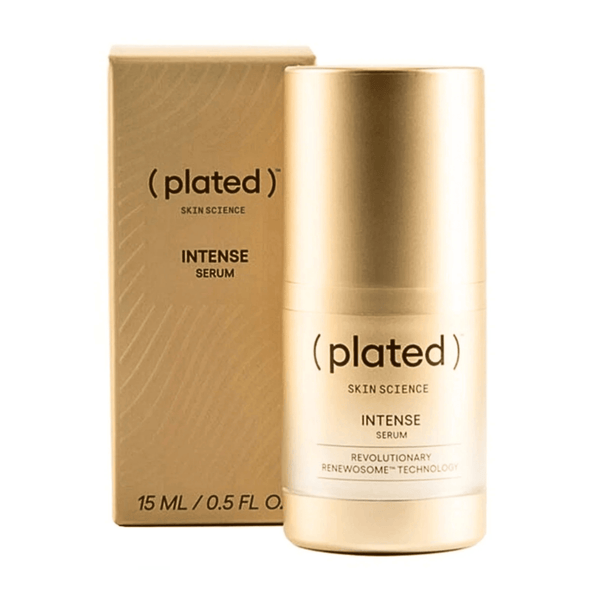
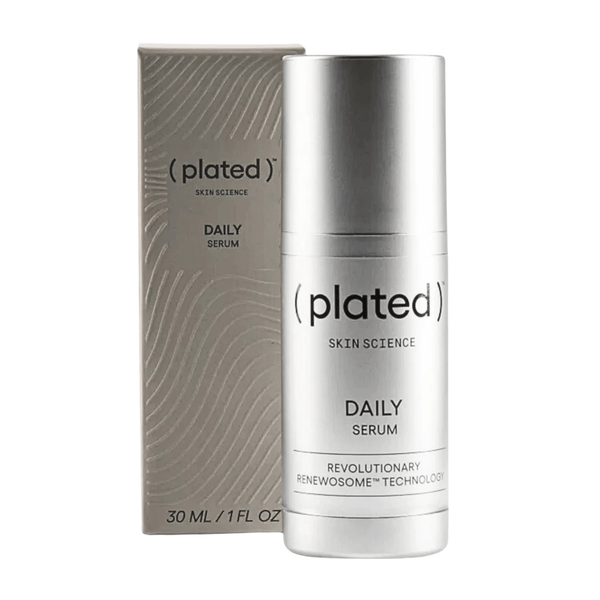
Soothing anti-aging options may include exosomes, such as those found in Plated INTENSE Serum, or the rapamycin derivative in Re-Q Longevity Face Serum. These can provide anti-aging benefits without the irritation caused by many traditional anti-aging ingredients.
Retinoids are very beneficial for DSPW skin because they help slow skin aging and increase exfoliation, which can also help improve hyperpigmentation. However, retinoids can be difficult for DSPW skin to tolerate. We often recommend beginning with a low-strength retinoid applied over a soothing moisturizer and gradually increasing use as the skin adjusts.
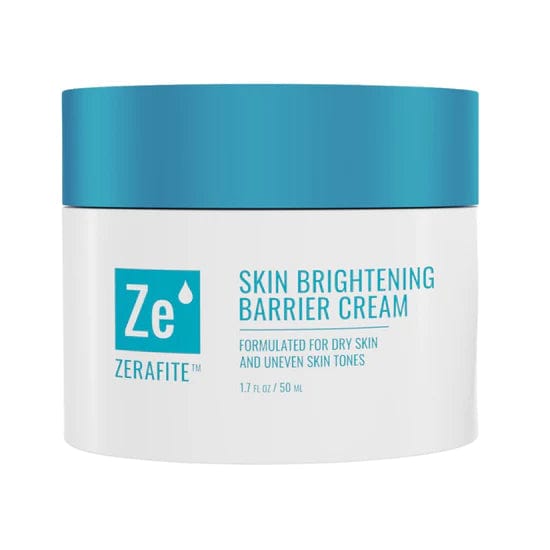
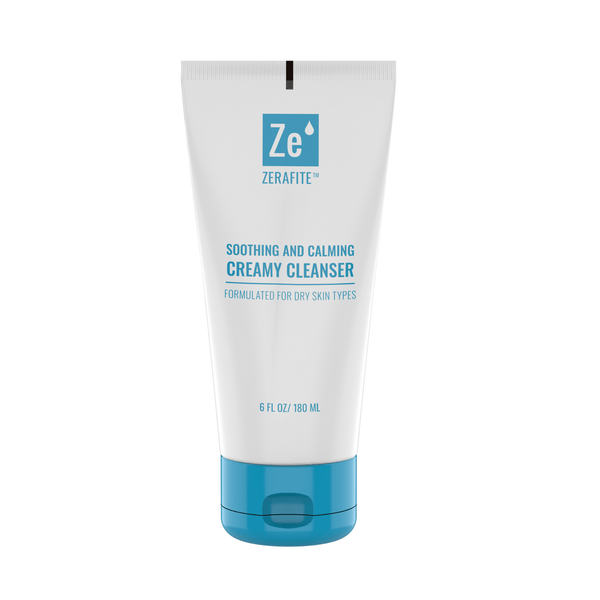
The goal is to get the anti-aging benefits DSPW skin needs without triggering inflammation that could worsen sensitivity, dark spots, and skin aging. Pairing anti-aging serums with a barrier-repair moisturizer, such as Zerafite Wrinkle Defense Barrier Cream, can help DSPW skin better tolerate anti-aging ingredients while minimizing irritation.
Questions about skin type DSPW
Answers from Dr. Leslie Baumann, MD, the board-certified dermatologist who created the Baumann Skin Type system.
DSPW skin has all four barriers to skin health, which should be treated first?
DSPW skin has all four barriers to skin health: dehydration, inflammation, hyperpigmentation, and skin aging. Dehydration and inflammation should be treated first. A weak, dehydrated skin barrier allows irritating ingredients to penetrate more easily, making sensitive skin even more susceptible to irritation and inflammation.
Repairing the skin barrier and calming inflammation first helps prepare DSPW skin to better tolerate treatments for hyperpigmentation and skin aging. Once the skin is calmer and the barrier is stronger, usually after about four weeks, skin-lightening and anti-aging ingredients can gradually be added without restarting the cycle of irritation and inflammation.
Can treating one DSPW skin problem make another worse?
Yes. This is one reason DSPW is one of the most challenging Baumann Skin Types to treat. Ingredients used for hyperpigmentation and skin aging can cause irritation, especially when the skin barrier is impaired and inflammatory pathways are already activated. Using the wrong skincare ingredients can further damage the skin barrier, worsen sensitivity, and trigger more hyperpigmentation.
For example, retinoic acid, azelaic acid, glycolic acid, and acidic forms of vitamin C can help treat dark spots, but using them too aggressively or combining too many exfoliating or irritating ingredients in the same routine can make DSPW skin worse.
This is why cleanser and moisturizer choice, treatment order, and ingredient selection matter. First strengthen the skin barrier and reduce inflammation, then gradually introduce treatments for pigmentation and aging. Be especially careful to avoid over-exfoliating DSPW skin.
Can two people with the same DSPW skin type need different skincare routines?
Yes. Your Baumann Skin Type provides the foundation for your skincare routine, but many other variables determine the exact products that are best for you.
There are four Sensitive skin subtypes: acne, rosacea, stinging, and allergic, and you can have one or a combination of these. For example, acne-prone DSPW skin needs noncomedogenic products, while rosacea- or stinging-prone DSPW skin may need a more soothing regimen with fewer potentially irritating ingredients. If you have both acne and rosacea, many acne treatments may be too irritating. The regimen must treat acne without triggering a rosacea flare.
The Skin Type Quiz also considers your habits, such as sun exposure, and your preferences, such as fragrance-free products or tinted sunscreens. Budget and how many skincare steps you are willing to use are also considered when designing your routine.
This is why two people with the same DSPW Baumann Skin Type can receive different regimens. Your Baumann Skin Type, sensitivity subtype, habits, preferences, budget, and desired number of steps are all considered. This is why our skincare routines, developed by dermatologist Dr. Leslie Baumann, MD, are truly personalized to your skin’s needs.
What skincare ingredients should DSPW skin avoid?
There is no single list of ingredients that every DSPW should avoid because recommendations depend on your skin barrier and Sensitive skin subtype. In general, DSPW skin should avoid ingredients that damage the skin barrier, clog pores, or trigger inflammation.
Avoid harsh anionic surfactants, drying alcohols, foaming cleansers, mechanical scrubs, and potentially irritating ingredients such as peppermint oil. If you are acne-prone, pore-clogging ingredients such as coconut oil, avocado oil, lanolin, isopropyl myristate, and myristyl propionate may also be inappropriate. When the skin barrier is impaired, acids and exfoliating ingredients should be limited until the barrier is stronger.
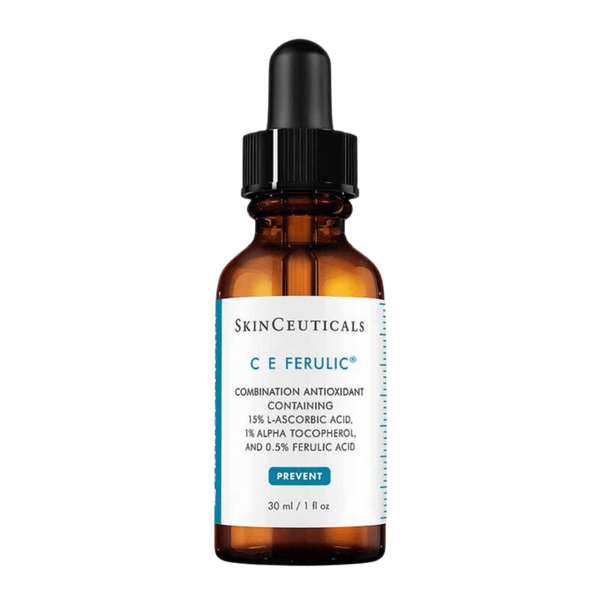
In her dermatology practice, Dr. Leslie Baumann, MD, avoids prescribing acidic vitamin C to her DSPW patients, especially those prone to rosacea or acne. Acidic vitamin C can cause irritation or breakouts in some Sensitive skin types and can contribute to over-exfoliation when combined with other active ingredients.
The most important rule is to avoid over-exfoliating DSPW skin. Your barrier strength, sensitivity subtype, and the other ingredients in your routine determine what you should avoid.


