
Right for you
Not rated by skin type
Baumann Skin Type®
DSPT - Dry, Sensitive, Pigmented, Tight
174 products. Take the quiz to see which ones fit your skin.174 products.
Is DSPT your type? TakeFinish the free quiz to find out.
You are . See the products for your type →
Take the free quiz to unlock shopping by your skin type.
Take the quiz
Products
Right for you
Not rated by skin type
Right for you
Not rated by skin type
Sale
Right for you
Not rated by skin type
Right for you
Not rated by skin type
Sale
Right for you
Not rated by skin type
Sale
Right for you
Not rated by skin type
Right for you
Not rated by skin type
Sale
Right for you
Not rated by skin type
Right for you
Not rated by skin type
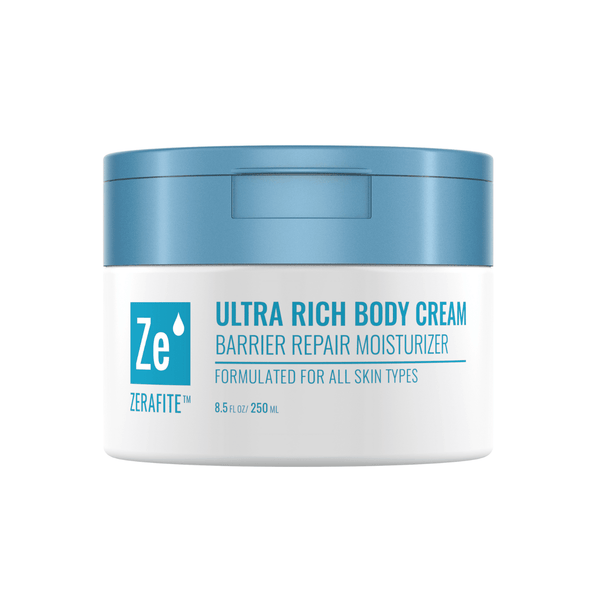
Zerafite★ Brand you like
Zerafite Ultra Rich Body Cream Barrier Repair Moisturizer
$40Over your budget
Right for you
Not rated by skin type
Sale
Right for you
Not rated by skin type
Right for you
Not rated by skin type
Right for you
Not rated by skin type
Right for you
Not rated by skin type
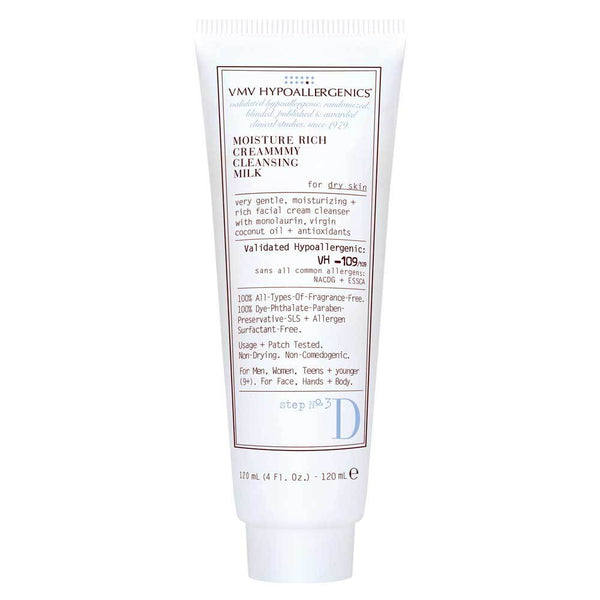
VMV HYPOALLERGENICS★ Brand you like
VMV HYPOALLERGENICS Moisture Rich Creammmy Cleansing Milk for Dry Skin
$31Over your budget
Right for you
Not rated by skin type
Right for you
Not rated by skin type
Right for you
Not rated by skin type
La Roche-Posay★ Brand you like
La Roche-Posay Lipikar AP+Max Triple Repair Moisturizing Cream
From$11.49Over your budget
Right for you
Not rated by skin type
Right for you
Not rated by skin type
Right for you
Not rated by skin type
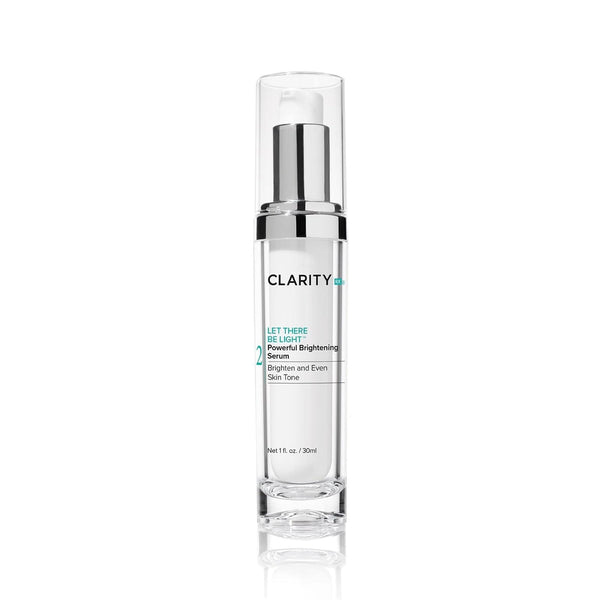
ClarityRx★ Brand you like
ClarityRx Let There Be Light Powerful Lightening Serum
$110Over your budget
Right for you
Not rated by skin type
Sold out
Right for you
Not rated by skin type
Sold out
Right for you
Not rated by skin type
More about skin type DSPT
DSPT Skin Type: Dry, Sensitive, Pigmented and Tight
DSPT skin is dry, sensitive and prone to dark spots, but does not yet have significant signs of skin aging. DSPTs typically have good lifestyle habits and relatively low cumulative sun exposure, so anti-aging ingredients are not yet a priority. Instead, focus on strengthening the skin barrier, calming inflammation, treating existing dark spots and preventing new ones. Daily sunscreen is essential to keep skin healthy and prevent pigmentation and premature aging.
The biggest challenge for DSPT skin is sensitivity, and there are four sensitive-skin subtypes: acne, redness, stinging and allergic. If redness is a problem, soothing ingredients such as argan oil, allantoin and green tea can help. If your skin stings easily, avoid acids, exfoliants and retinoids until the stinging improves. If you have the allergic subtype, avoid skincare products containing ingredients you are allergic to. It is especially important not to over-exfoliate DSPT skin, because excessive exfoliation can damage the skin barrier, increase inflammation and trigger more redness, acne and post-inflammatory hyperpigmentation.
DSPT Skin With Acne
Acne can be difficult to treat in DSPT skin because many acne medications are drying and irritating. Once pimples heal, they can also leave dark acne spots (post-inflammatory hyperpigmentation). Strong dark-spot treatments may further irritate sensitive skin. DSPTs with acne should avoid comedogenic ingredients, harsh acne treatments and excessive exfoliation. Retinoids can be used, but they are better tolerated when paired with a barrier-safe cleanser and barrier-repair moisturizer.
Why Your Sensitivity Subtype Matters
This DSPT skincare collection includes products for the different sensitivity concerns DSPTs may have, including acne, redness, stinging and allergic skin, as well as products to treat hyperpigmentation. You should not use every product in this collection. Choose products that match your specific sensitivity subtype and skin concerns. For example, if you have rosacea and redness but no pimples, avoid acne treatments that may unnecessarily irritate your skin. If your skin stings, products containing acids or retinoids that may be appropriate for another DSPT may not be right for you yet.
This is why knowing your Baumann Skin Type and sensitivity subtype matters. Two people with dry, sensitive, pigmented skin can need very different products depending on the type of sensitivity they have, their pigmentation concerns, daily habits and the other products in their skincare routine.
For the most personalized skincare advice, take the 16 Skin Type Quiz. Your answers about sensitivity, pigmentation, sunscreen preferences and daily habits are used to build a skincare routine with products chosen by dermatologist Dr. Leslie Baumann, MD for your specific skin type.
Have questions? Search the Skin Type Solutions Skincare Library for answers or ask Dr. Baumann on Reddit at r/SkinTypeSolutions.
What are the biggest challenges of DSPT skin that your skin routine should target?
The biggest challenges of DSPT skin are a weakened skin barrier, sensitivity, inflammation and dark spots. An impaired barrier allows skincare ingredients to penetrate more easily, which can improve effectiveness but also increase burning, stinging, redness and peeling. Inflammation can also worsen hyperpigmentation.
DSPT routines should first repair the skin barrier and calm inflammation. Once the skin is calm and no longer stinging, gentle skin-lightening ingredients and low-strength retinoids can be introduced. DSPTs with acne should take the 16 Skin Type Quiz because they need a carefully designed routine that uses noncomedoenic barrier repair moisturizers and avoids benzoyl peroxide, most acids and over-exfoliation while preparing the skin to tolerate retinoids.
What is the best sunscreen for DSPT skin?
Sun and visible light can worsen hyperpigmentation, so daily light protection is especially important for DSPT skin, particularly during an acne breakout when inflammation can lead to dark spots.
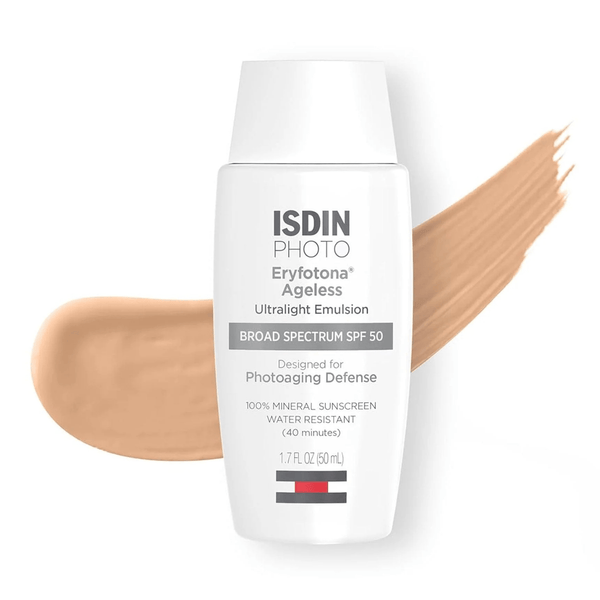
Look for a noncomedogenic tinted sunscreen with iron oxides, which help protect against visible light that many sunscreens do not adequately block. Your sunscreen choice should also depend on your sensitive-skin subtype. If your skin is irritated or stinging, avoid chemical sunscreen filters such as avobenzone and choose a gentle mineral sunscreen instead.
Good tinted mineral sunscreen choices include Cera Ve Hydrating Mineral SPF, . ALASTIN HydraTint Pro Mineral SPF 36,and ISDIN Eryfotona Ageless Tinted Mineral SPF 50. These use mineral UV filters and contain iron oxides and are noncomedogenic. Pavise sunscreen is my favorite luxury sunscreen for DSPT skin. It has skin lighteners as well as diamond powder that reflects light away.
Take the 16 Skin Type Quiz to find a tinted, noncomedogenic sunscreen that matches your specific DSPT sensitivity subtype, skin concerns, preferences, and habits.
What are the 4 most important skincare products for DSPT skin?
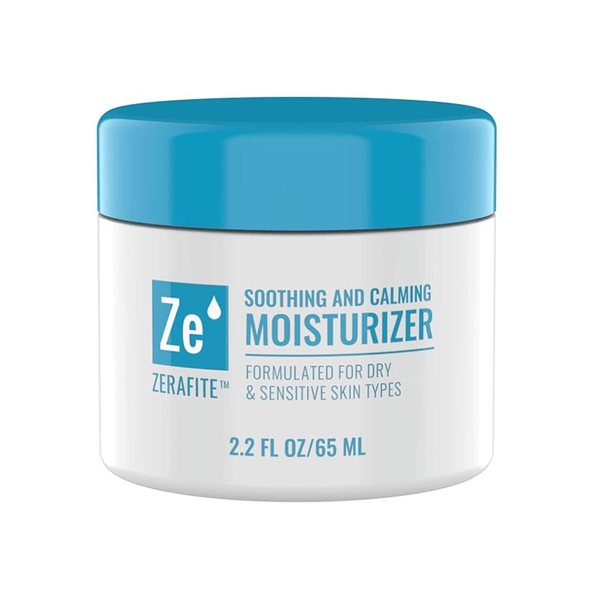
The four most important DSPT skincare products, in order, are 1) sunscreen to prevent dark spots from worsening, 2) a barrier-safe cleanser with minimal gentle surfactants, preferably creamy or nonfoaming, 3) a barrier-repair moisturizer to restore protective skin lipids like Zerafite Soothing and Calming Moisturizer 4) a gentle skin lightener that treats dark spots without causing inflammation, such as ALASTIN A-Luminate Brightening Serum. The exact products you need depend on your sensitive-skin subtype. take the quiz to get the best personalized recommendations for your DSPT skin, preferences and habits.
What are the best skin lighteners for DSPT skin?
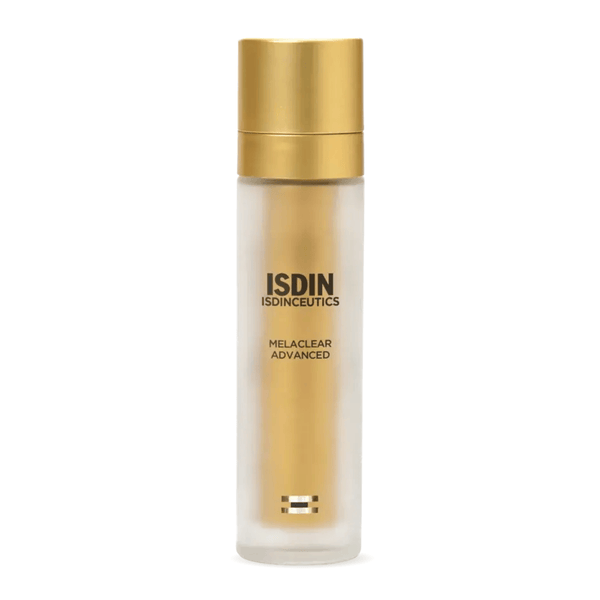
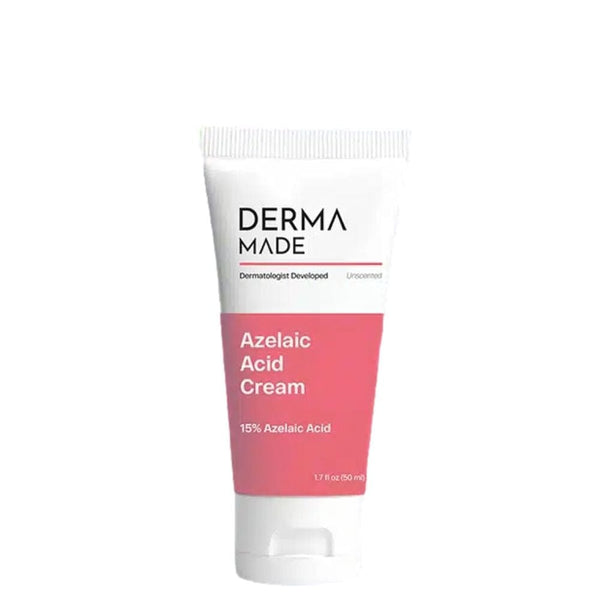
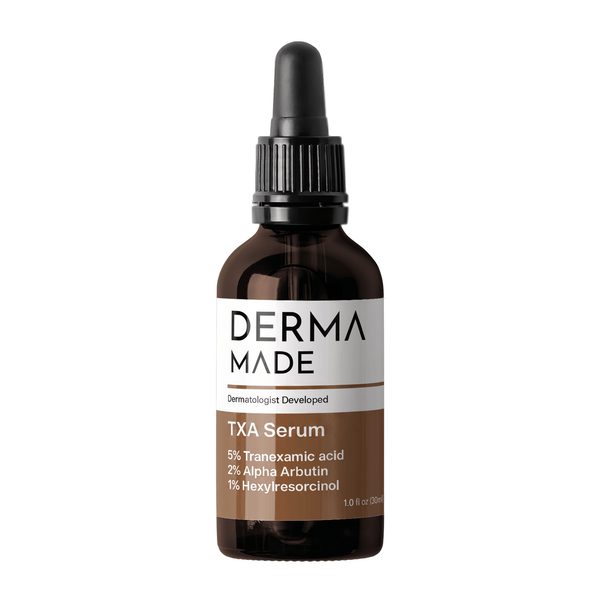
The best skin lightener for DSPT Skin Types depends on your sensitivity subtype. Hydrinity VIVID Brightening Serum is a gentle, hydrating choice for dry, sensitive skin and is a good option if you are acne-prone. ISDIN Melaclear Advanced Gel-Serum is a stronger, noncomedogenic option for acne-prone DSPTs. Derma Made Azelaic Acid Cream 15% is a good choice if you have both redness and dark spots and want the strongest strength azelaic acid cream without requiring a prescription. Derma Made TXA Serum is a strong, affordable skin lightener that is especially useful for targeting dark spots left after acne. If your skin is irritated or stinging, calm the inflammation and repair your skin barrier before adding a skin lightener.


