










Fungal Acne: Could This Be Causing Your Persistent Pimples?
If you’ve tried what seems like everything to get rid of persistent acne that won’t go away, no matter which treatments or skin care you use, it is possible that you might not be dealing with acne at all, but a condition caused by a yeast overgrowth known as fungal acne. This condition, scientifically known as Malassezia folliculitis or Pityrosporum folliculitis, is characterized by a fungal infection of hair follicles, which can look a lot like acne on the surface.
Here, I’ll explain more about what fungal acne is and how it is different from other true types of acne and what you can do to finally get rid of it.
Fungal acne is caused by an overgrowth of Malassezia yeast.
Tight-fitting clothing, hormonal imbalances, medications, and diet can affect fungal acne.
Fungal acne needs to be treated with antifungal ingredients. Treatments for acne vulgaris won't work for this condition.
Table of content
Fungal Acne Safe Skin Care Products
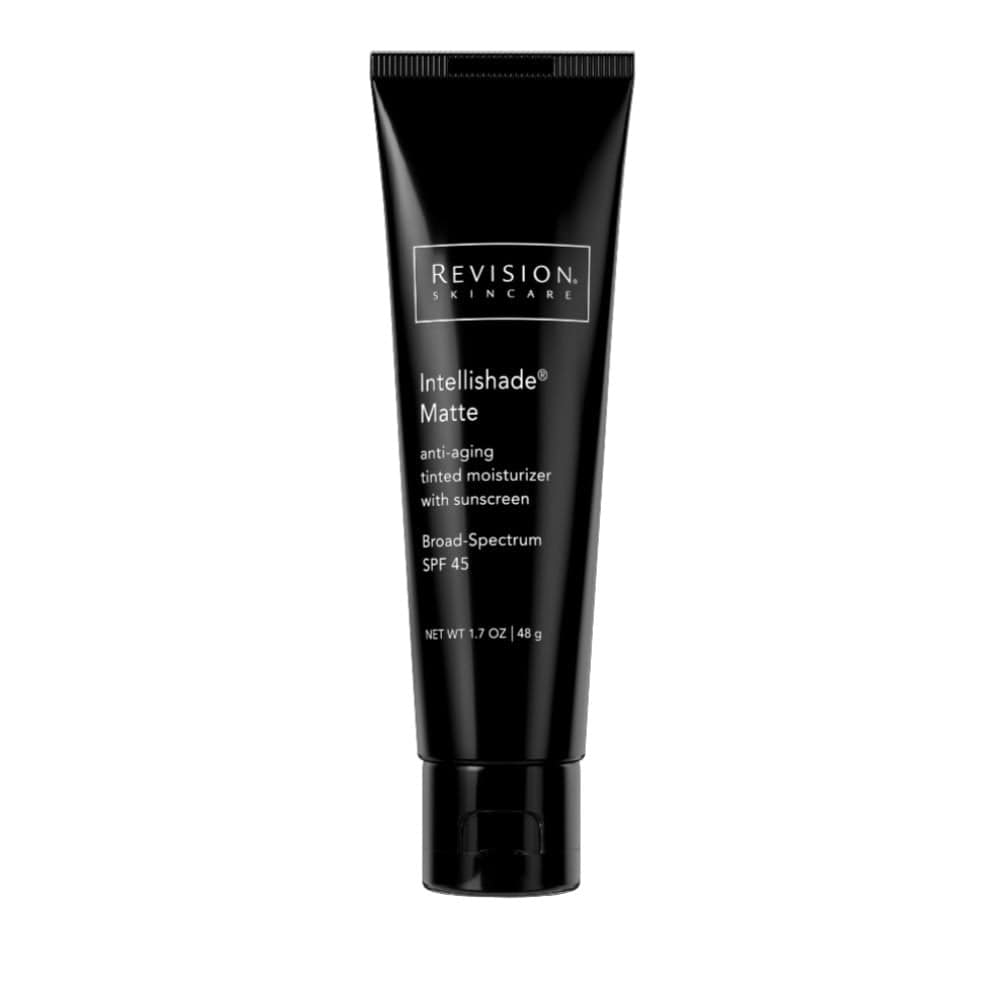
Moisturizers Safe for Fungal Acne
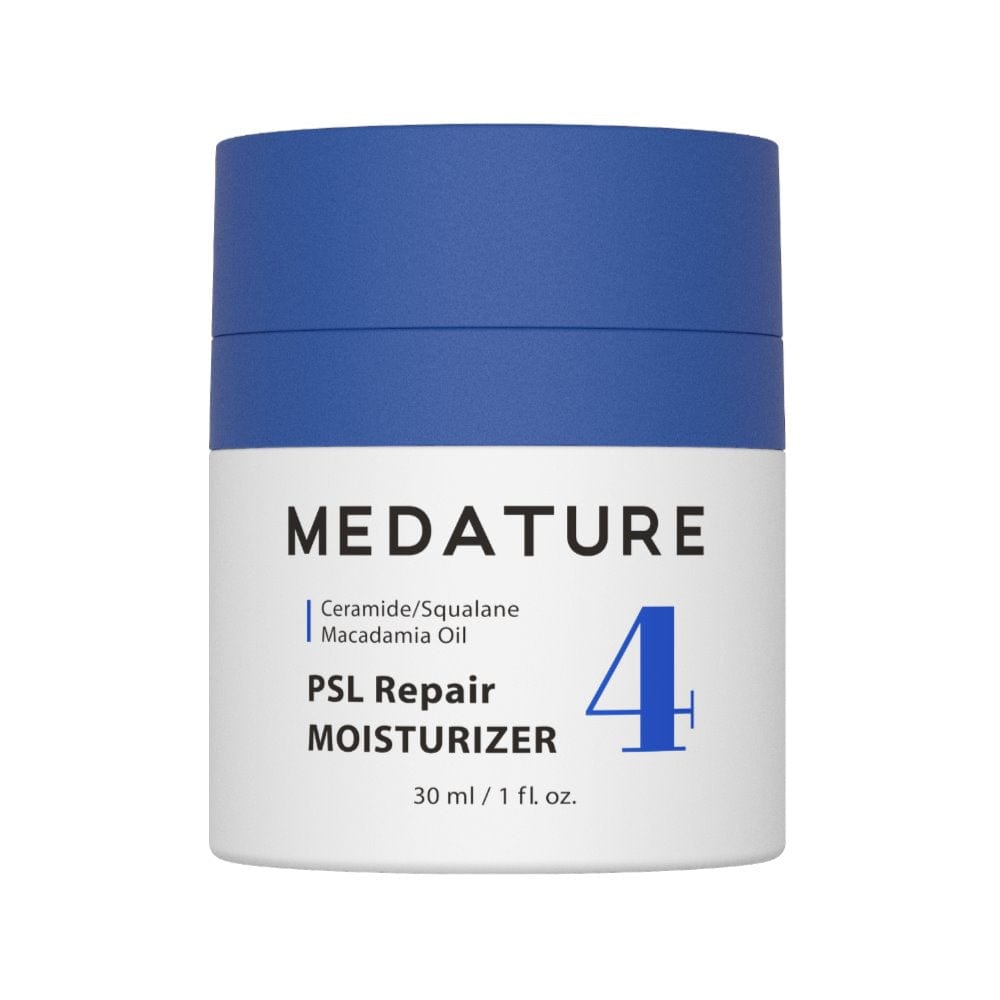
It is not easy to find moisturizers that do not have the ingredients in the "Ingredients to avoid" list. However, if you are using ketoconazole, zinv pyrithione, or selenium sulfide to treat your fungal acne consistently, then you should be able to use any moisturizer that is right for your Baumann Skin Type.
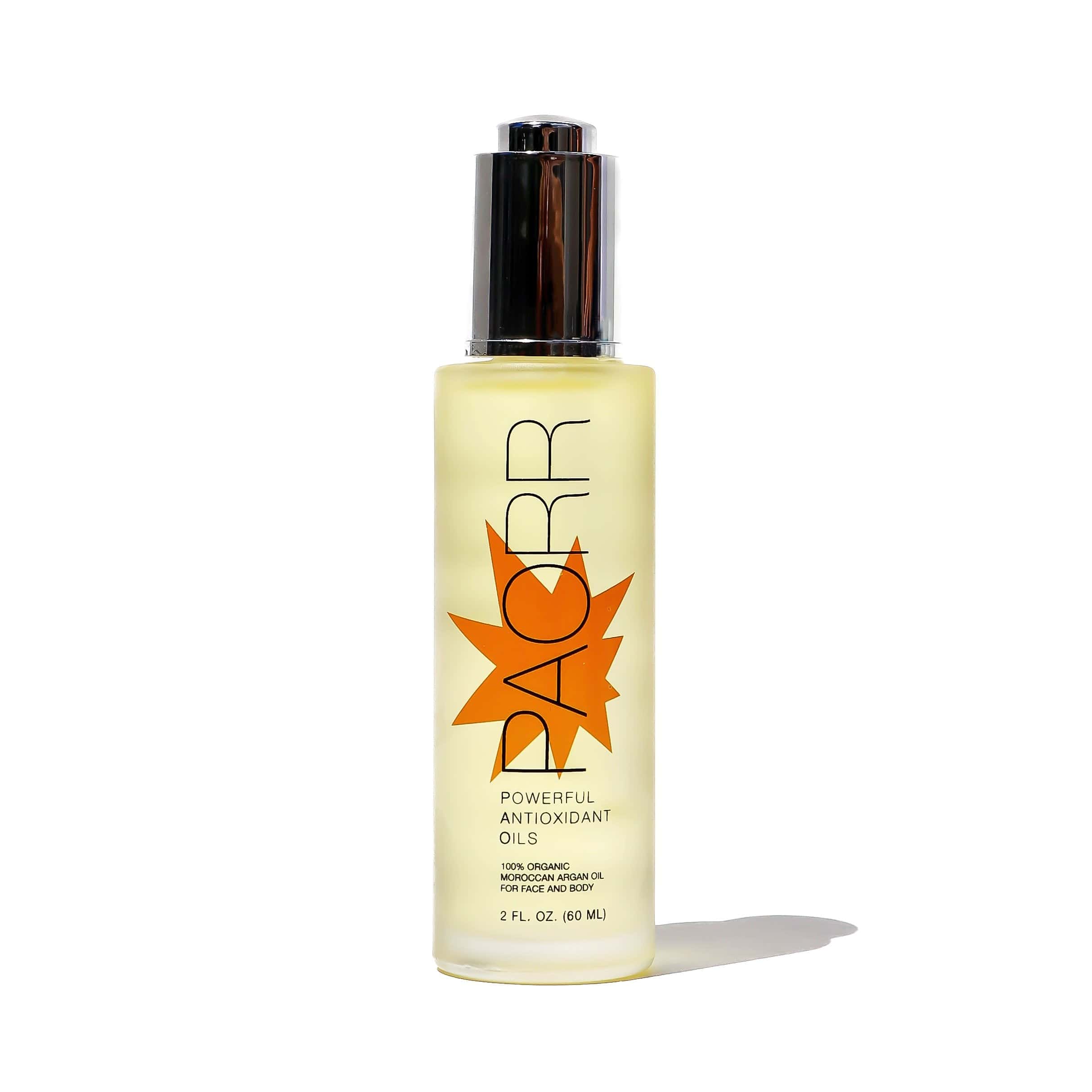
If you cannot get rid of your fungal acne, these moisturizers seem to be the best to use if you are suffering from malassezia induced acne.
Best Cleansers for Fungal Acne
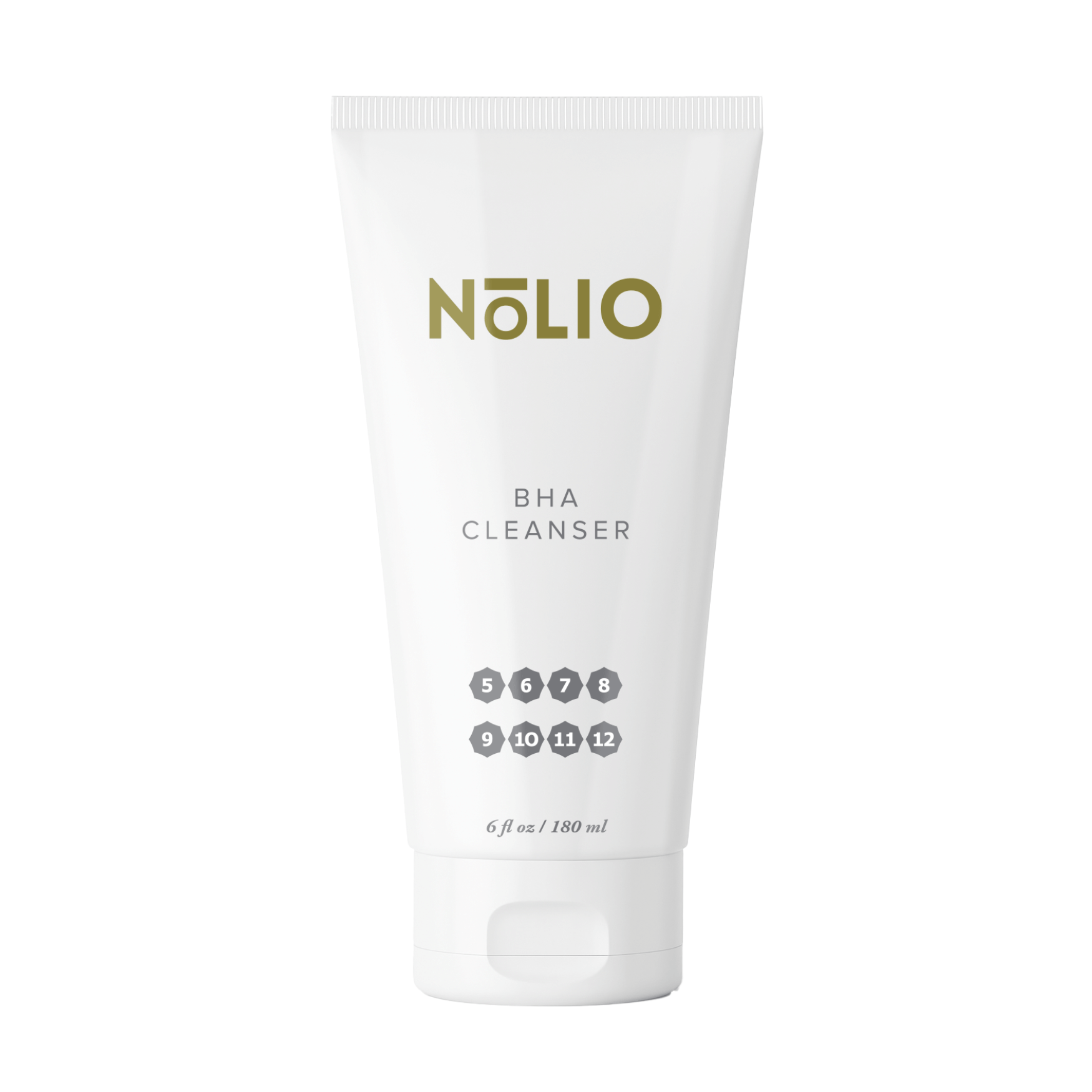
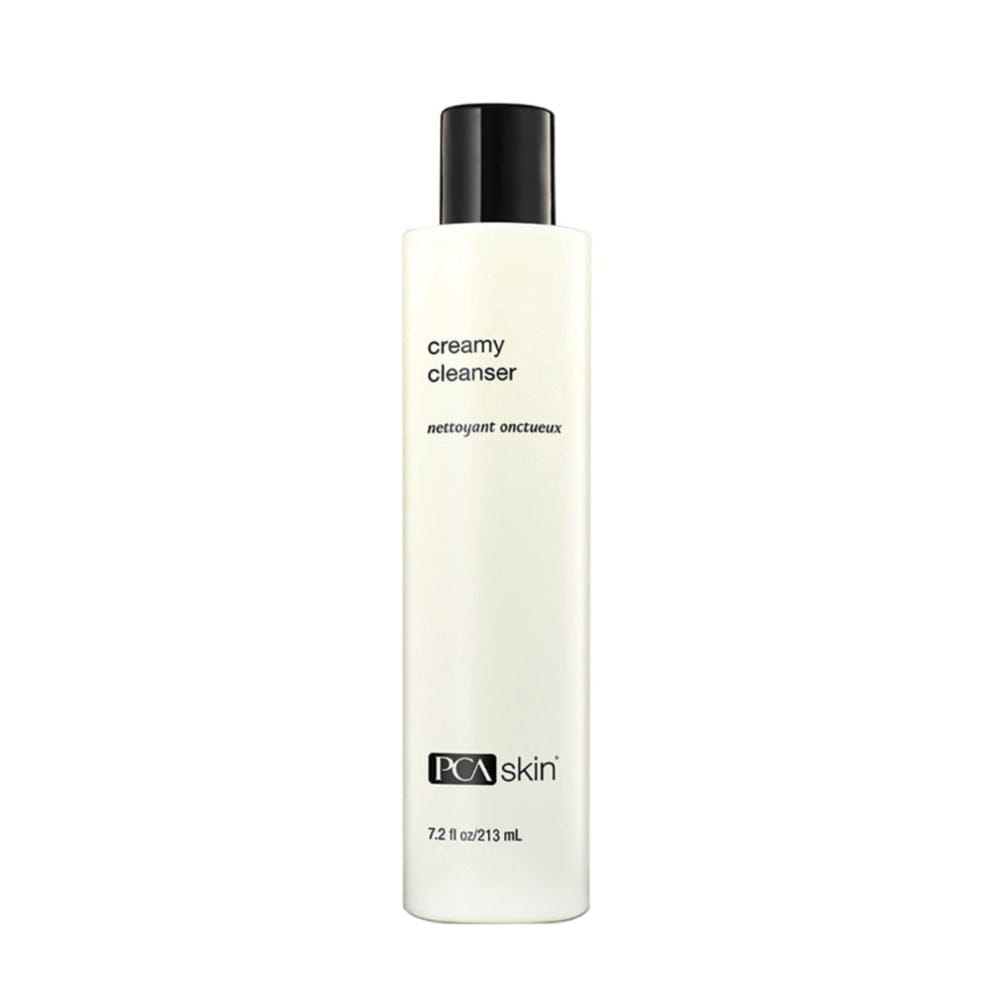
Make sure you take the quiz to find out which of the 16 Skin Types you are- because the fungal acne safe cleansers below are not right for all skin types.
Look for cleansers with antimicrobials and antifungals such as sulfur, selenium sulfide, sodium hypochlorite and benzoyl peroxide.

What Is Fungal Acne?
Fungal acne is an inflammatory skin condition that happens when an overgrowth of a specific type of yeast called Malassezia causes a fungal infection inside the hair follicles, or pores, in your skin. This causes red, inflamed pustules or papules that resemble acne, as well as itching. Because it so closely resembles acne vulgaris, however, fungal acne is often misdiagnosed and incorrectly treated, making it a persistent, frustrating problem.
Fungal Acne Causes
Fungal acne occurs when there’s an imbalance in your skin’s natural microbiome, allowing Malassezia yeast to multiply. There are several triggers that can contribute to this overgrowth:
Excessive sweating. Working out or being in humid environments can create a warm, moist environment where yeast thrives. This is made worse when you wear tight, non-breathable fabrics that trap moisture and allow yeast to thrive.
Hormonal imbalances. Some hormone-related conditions like PCOS (polycystic ovary syndrome) or insulin-resistance may make you more susceptible to fungal acne (3).
Medications. Antibiotics used to treat bacterial acne can sometimes disrupt the skin’s microbiome, promoting yeast growth.
- Diet. Yeast thrives in a high-sugar environment, so eating lots of sugary foods or simple carbohydrates can contribute to fungal acne.
- Certain skin care ingredients. Some oils, fatty acids, esters, and polysorbates in skin care can help yeast thrive on the skin.
- Climate. Yeast thrive in warm humid environments so this is more common in the summer in humid climates.
Ingredients To Avoid in Fungal Acne
Avoid ingredients that can act as a food source for Malassezia yeast. These include:
Fatty acid esters (like glyceryl stearate, isopropyl myristate, PEG compounds)
Oils high in long-chain fatty acids (C12-C24) (e.g. olive, coconut, avocado oils)
Fermented ingredients or yeast extracts (e.g. Galactomyces, Saccharomyces)
Polysorbates
Also avoid occlusive formulas that are too rich for oily or inflamed skin. Even "natural" or "clean" products can worsen fungal acne if they contain the wrong oils.
Safe Ingredients For Fungal Acne
When choosing a moisturizer for fungal acne (Malassezia folliculitis), look for ingredients that hydrate and soothe without feeding the yeast.
Safe hydrating humectants include:
Glycerin
Hyaluronic acid
Urea
Panthenol (Vitamin B5)
Niacinamide (Vitamin B3)
Beta-glucan

What Does Fungal Acne Look Like?
Fungal acne usually appears as small, uniform pustules or papules that are often itchy and tend to form in clusters. These bumps tend to show up on areas that are prone to sweating, like the forehead, chest, back, and upper arms, although they can show up anywhere on the face or body. They may look like tiny pimples, but they don’t have blackheads or whiteheads. The skin can feel irritated or itchy, and the breakouts may worsen in hot, humid conditions.
Fungal Acne vs. Acne Vulgaris
While fungal acne is caused by yeast overgrowth, acne vulgaris (the typical type of acne that most people are familiar with) is caused by a bacterial overgrowth. These two conditions can look similar and can be tricky to tell apart, but there are a few key differences.
One of the most important distinctions is that fungal acne, unlike acne vulgaris, typically does not involve comedones (clogged pores like blackheads or whiteheads). Instead, fungal acne typically shows up as a uniform cluster of red, itchy bumps. Acne vulgaris, on the other hand, often includes a mix of comedones, cysts, and pustules.
Fungal Acne vs. Hormonal Acne
Hormonal acne tends to occur deeper in the skin, forming painful cysts that often pop up in the same areas each month, especially around the chin and jawline. In contrast, fungal acne is more superficial and usually feels itchy. While hormonal acne is driven by fluctuations in hormones like estrogen and testosterone, fungal acne is triggered by an overgrowth of yeast.

How Is Fungal Acne Treated?
Typical treatments for regular acne will not work for fungal acne, which is why this condition can be so frustrating if it is misdiagnosed. Fungal acne is treated in the same way as other conditions involving yeast overgrowth, such as tinea versicolor. The most effective treatments include:
Antifungal shampoos. Shampoos that contain antifungal ingredients like ketoconazole, selenium sulfide, or zinc pyrithione can be used on the scalp or body to kill the yeast.
Antifungal creams. Topical antifungal medications like clotrimazole or terbinafine can also be applied to the affected areas to get rid of the yeast.
Sulfur. Washes like Derma Made Medi Wash that contain sulfur – which has antimicrobial and antifungal properties – can help to reduce the amount of yeast on the skin that is causing fungal acne.
- Oral antifungal medications. In more severe cases, your dermatologist might prescribe an oral antifungal medication like fluconazole to treat fungal acne that doesn’t respond to other treatments.
Derma Made Medi Wash contains both sulfur and salicylic acid to help reduce inflammation and redness, keep pores clean, and kill yeast overgrowth on the skin.
This wash can also be effective for reducing redness caused by rosacea and other inflammatory conditions. It is suitable for most Baumann Skin Types (Types 1–12).
Can Fungal Acne Be Prevented?
There are steps you can take to keep fungal acne at bay once you’ve successfully treated it using the methods listed above.
Shower and immediately change out of workout clothes after sweating in them.
Use a dandruff shampoo or sulfur-containing wash to kill yeast and keep the population from overgrowing on your skin.
- Talk to your doctor about any hormonal concerns such as PCOS that may be linked with an increase in susceptibility to recurring yeast infections.
Bottom Line
If you’ve been battling persistent breakouts that don’t respond to regular acne treatments, you might be dealing with fungal acne. This skin condition is caused by yeast overgrowth and can be treated with antifungal products like sulfur washes and medicated shampoos. If you are unsure about whether your breakouts are caused by true acne or a fungal infection, see your dermatologist for an accurate diagnosis so you know you are using the correct treatments for your skin condition and type.

Dr. Leslie Baumann MD, FAAD
How long does fungal acne take to go away?
With proper treatment, fungal acne may begin to clear up within several weeks to a month. This type of acne typically clears faster than acne vulgaris, which takes at least eight weeks to improve with the right treatment regimen.
What worsens fungal acne?
To help prevent fungal acne flare-ups, it's important to steer clear of certain ingredients that can encourage the growth of Malassezia yeast. Fatty acid esters—such as glyceryl stearate, isopropyl myristate, polysorbates, and PEG derivatives—are commonly used in moisturizers but can serve as a nutrient source for yeast. Natural oils rich in long-chain fatty acids, including coconut, olive, avocado, and argan oils, are also best avoided unless you're under consistent antifungal treatment. Additionally, some people react poorly to fermented skincare ingredients like Galactomyces or Saccharomyces, which are derived from yeast.
Heat, humidity, and tight, non-breathable clothing can all make fungal acne worse or cause it to reappear after it’s been treated. Yeast also thrives on sugar, so eating sugary foods can also worsen fungal acne.
Does salicylic acid help with fungal acne?
Salicylic acid is not typically effective on its own for fungal acne. You need an antifungal like selenium sulfide, ketoconazole, or selenium sulfide to kill the yeast that is causing it. If you are using one of those, then salicylic acid is a good addition to your skin care routine.
Are oils safe for fungal acne? What about mineral oil?
Most plant-based oils, even those considered non-comedogenic, contain long-chain fatty acids and can worsen fungal acne by providing a food source for Malassezia. However, mineral oil is considered safe because it is chemically inert and not metabolized by yeast. If you prefer more natural options, oils with a lower concentration of long-chain fatty acids—such as medium-chain triglyceride (MCT) oil, hemp seed oil, and squalane—are less likely to trigger flares. Squalane, which is derived from olives or sugarcane, is particularly well tolerated in many people with fungal acne.
Can I use moisturizers with long-chain fatty acids if I’m treating fungal acne with antifungals?
Yes, but consistency is key. If you are using topical antifungal treatments like ketoconazole, selenium sulfide, or zinc pyrithione, you may be able to tolerate moisturizers that contain long-chain fatty acids without experiencing flares. These antifungals help reduce the population of Malassezia on the skin, which can give you more flexibility with your skincare choices. However, if you stop using antifungal treatments and continue applying products that contain long-chain fatty acids, there is a higher risk that fungal acne will return. For that reason, we generally recommend using fungal-acne-safe moisturizers on a daily basis and reserving richer products for occasional use or when your skin is under antifungal management.
Best References and Scientific Publications on Fungal Acne
- Baumann L. Antiaging Ingredients in Ch. 37 of Baumann's Cosmetic Dermatology Ed 3. (McGraw Hill 2022)
- Baumann, L. Ch. Cosmeceuticals and cosmetic Ingredients (McGraw Hill 2015)
- Malgotra V, Singh H. Malassezia (Pityrosporum) Folliculitis Masquerading As Recalcitrant Acne. Cureus. 2021 Feb 24;13(2):e13534. doi: 10.7759/cureus.13534. PMID: 33786241; PMCID: PMC7996476.
- Akaza, N., Akamatsu, H., Sasaki, Y., et al. (2009). Malassezia folliculitis is caused by cutaneous resident Malassezia species. Medical Mycology, 47(6), 618–624.
- Rubenstein, R. M., & Malerich, S. A. (2014). Malassezia (pityrosporum) folliculitis. Journal of Clinical and Aesthetic Dermatology, 7(3), 37–41.
- Hald, M., Arendrup, M. C., Svejgaard, E. L., et al. (2015). Evidence-based Danish guidelines for the treatment of Malassezia-related skin diseases. Acta Dermato-Venereologica, 95(1), 12–19.
- Gaitanis, G., Velegraki, A., Mayser, P., & Bassukas, I. D. (2013). Skin diseases associated with Malassezia yeasts: Facts and controversies. Clinical Dermatology, 31(4), 455–463.


