








Is my Skin Dry or Oily?
It can be surprisingly difficult to tell if skin is Dry or Oily. In my dermatology practice, I have seen many patients who were certain they knew their skin type and were wrong. This matters because Dry and Oily skin need very different cleansers and moisturizers.
Research has also shown that people do not always accurately judge how much sebum their skin produces. (1)This is why I developed and validated a series of questions to determine whether skin is Dry or Oily. (4) These questions are now part of the 16 Skin Type Quiz.
There are clues that can help determine whether skin is Dry or Oily, but do not rely on only one sign. Look at how the skin behaves over time, which products feel comfortable, how the skin responds to cleansers and moisturizers, and how it behaves in different climates.

Table of Contents
Is my Skin Type Oily or Dry?
Oily skin produces enough, and sometimes more than enough, sebum to help protect the skin and reduce water loss. Oily skin does not always mean acne-prone skin, and having acne does not necessarily mean the skin is Oily.

7 Signs You Have Oily Skin
These are common signs of Oily skin:
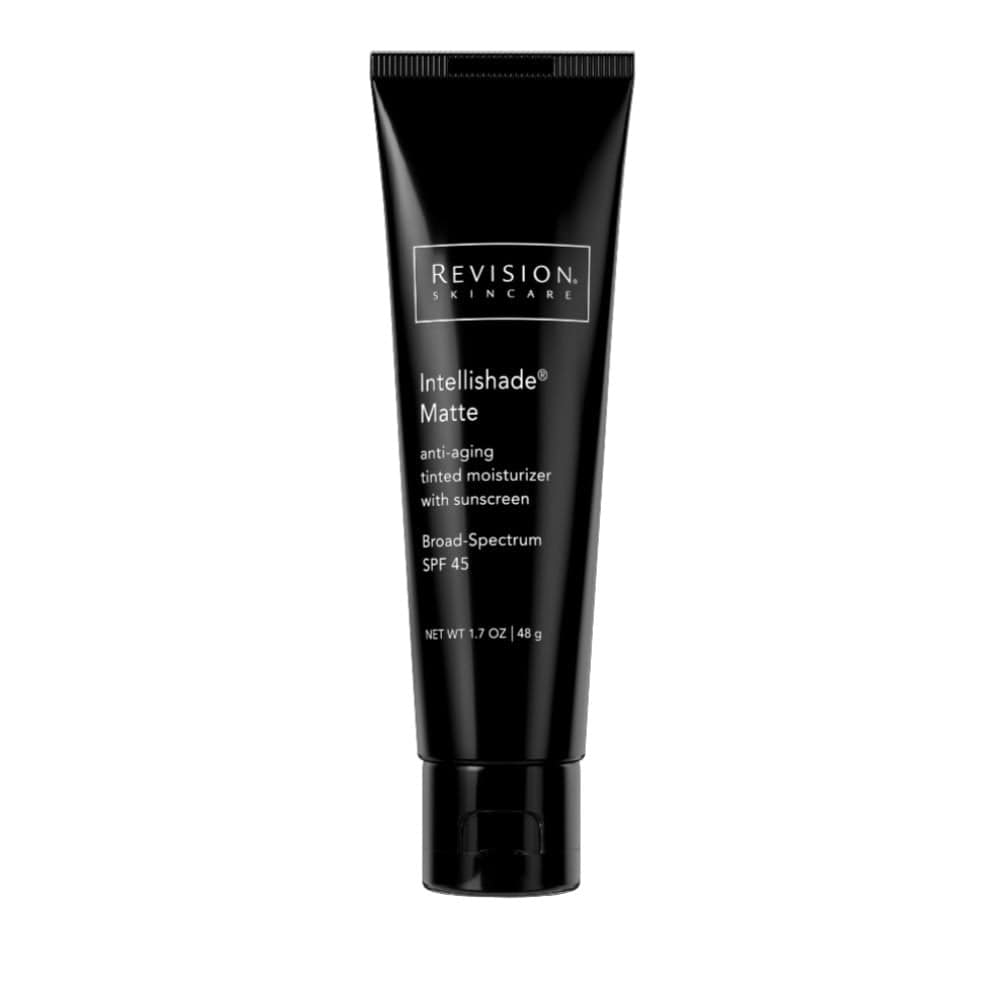
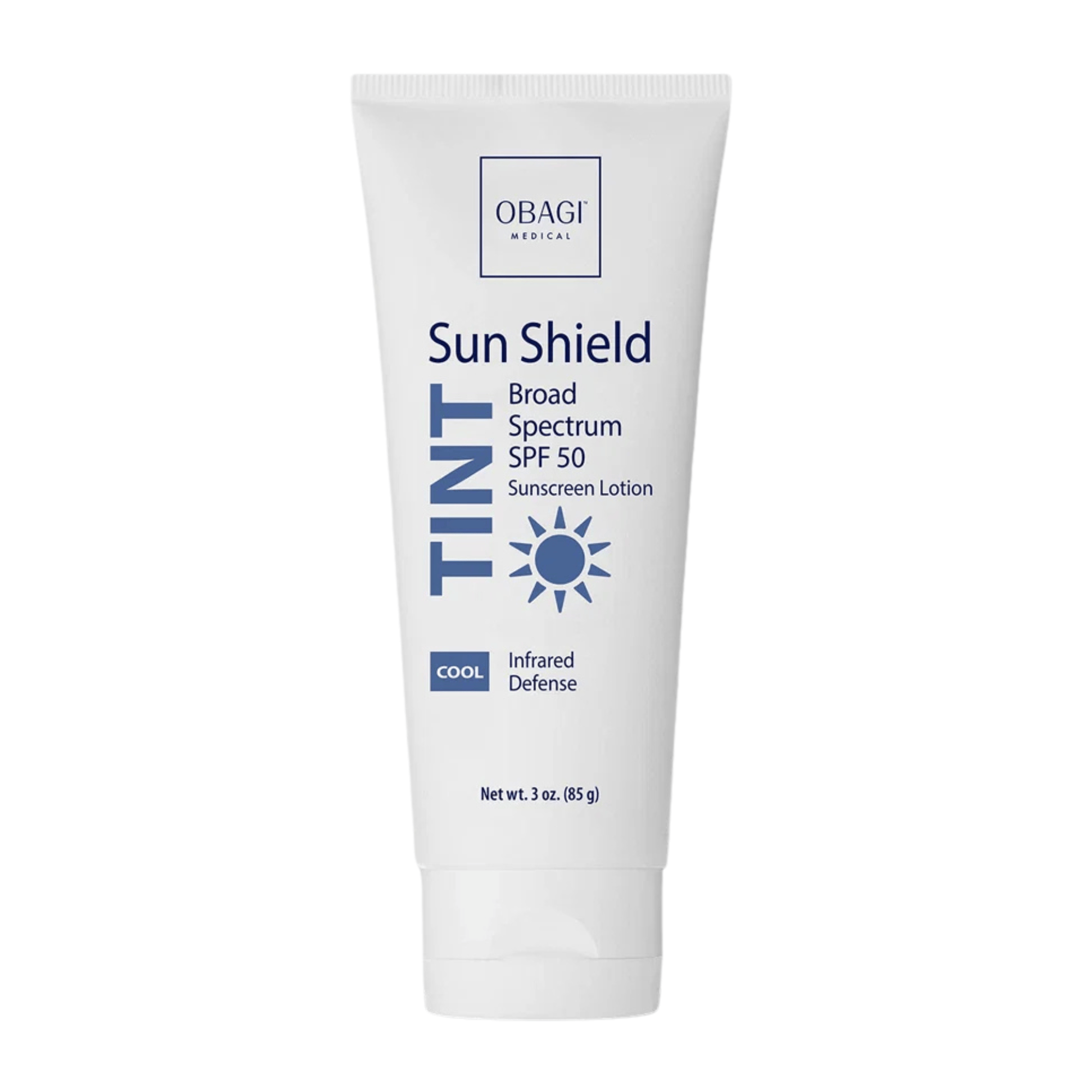
It is difficult to find a sunscreen that does not feel greasy. Many Oily skin types dislike sunscreens that contain heavier moisturizing or occlusive ingredients.
You do not like the feeling of oil on your skin. Facial oils and rich creams tend to feel heavy rather than comforting.
You prefer lightweight moisturizers or do not feel that you need a moisturizer. Oily skin makes its own natural oils, so heavy moisturizers often feel unnecessary.
You can tolerate foaming cleansers. Cleansers that remove sebum are usually more comfortable for Oily skin than for Dry skin.
Your skin becomes shiny during the day or looks shiny in photographs. This is one of the more recognizable signs of increased sebum production.
Your pores tend to look larger. Increased sebum production is often associated with more visible pores.
You have an oily T-zone. Oiliness across the forehead, nose and chin is a clue that the skin may be an Oily Baumann Skin Type, even when the cheeks feel less oily.
Having several of these characteristics makes Oily skin more likely, but no single sign can accurately diagnose skin type.

8 Signs You Have Dry Skin
Dry skin does not produce enough of the lipids needed to maintain an effective skin barrier. When the barrier is impaired, transepidermal water loss (TEWL) increases, allowing water to escape more easily from the skin.
These are common signs of Dry skin:
Your skin feels rough. A disrupted barrier can make the skin surface feel uneven or coarse.
Your skin looks dull. Dry skin does not reflect light as evenly, so it may lack radiance.
You like the feeling of oil on your skin. Oils and richer moisturizers often feel soothing rather than greasy.
You rarely want to go without moisturizer. Dry skin often feels uncomfortable when moisturizer is skipped.
Hyaluronic acid serums alone do not feel moisturizing enough. Humectants can attract water, but very Dry skin also needs lipids to help repair the barrier and reduce water loss.
Bar soaps and strong foaming cleansers make the skin feel tight, itchy or uncomfortable. These cleansers can remove lipids that Dry skin needs.
Your skin flakes, scales or looks ashy. Scaling can become especially visible on darker skin tones, where dry surface cells can create a gray or ashy appearance.
Your skin frequently feels tight or itchy. Persistent tightness and itching are common clues that the barrier is not holding onto enough water.
Dry skin needs more than something that makes it feel temporarily moisturized. Barrier-repair moisturizers containing the appropriate ceramides, fatty acids and cholesterol help replace the lipids needed for a healthier skin barrier.

Why Is It So Easy to Confuse Dry and Oily Skin?
I have noticed in my dermatology practice that many patients misdiagnose their skin as Dry when it is actually Oily, or think they have Oily skin when they are actually Dry. Research studies have found the same problem. Getting this wrong can lead to choosing the wrong skincare products and ending up with a skincare routine that does not work for your skin.
One reason for the confusion is that how your skin feels at one moment does not necessarily reveal your true skin type. Cleansers, climate, hormones, medications and skincare habits can all affect how oily or dry your skin feels.
Climate can fool you too. Skin often feels oilier in hot weather because higher temperatures decrease the viscosity of sebum, allowing it to spread more easily across the skin's surface. Your face may look and feel greasier in a hot climate even though your actual rate of sebum production has not increased. This can make you think you have Oily skin when the heat has simply changed the way sebum behaves on the surface of your skin.
When I was a Professor of Dermatology at the University of Miami, I studied which questions could accurately distinguish Dry from Oily skin by comparing questionnaire answers with measured sebum secretion rates. This research resulted in a validated questionnaire for quantifying skin oiliness, which became part of the Baumann Skin Type Indicator and today's 16 Skin Type Quiz.
The most accurate way to determine if your skin is Oily or Dry is to take the 16 Skin Type Quiz. The quiz assesses factors related to both sebum production and skin barrier function to determine whether you are a Dry or Oily Baumann Skin Type.
Can the Bare-Face Test Tell If You Have Oily or Dry Skin?
The popular “Bare-Face Test,” also called the “wash-and-wait test,” is a common way people try to determine at home whether their skin is Oily or Dry. The problem is that the type of cleanser you use can significantly affect the result. Foaming cleansers remove more sebum and surface lipids, which can make almost anyone's skin feel temporarily tight or dry. Creamy cleansers, on the other hand, can leave moisturizing lipids and emollients on the skin, making it feel softer or oilier.
Timing matters too. Immediately after cleansing, an Oily skin type may feel dry and tight because surface sebum has just been removed. It takes time for sebum to return and spread across the skin's surface. If you judge your skin too soon, you can easily mistake Oily skin for Dry skin. Waiting at least 20 to 30 minutes makes the test more useful, but the cleanser can still influence the result.
For these reasons, the Bare-Face Test is not a reliable way to diagnose whether your skin is Oily or Dry unless the cleanser and timing are carefully controlled.

Can My Skin Be Oily and Dry?
Many people describe their skin as “combination skin” because their T-zone feels oily while their cheeks feel dry. However, there is no Combination Skin Type in the Baumann Skin Typing System. Your skin is classified as either Oily OR Dry but not Oily AND Dry.
The T-zone has more active sebaceous glands and produces more sebum (oil) than the cheeks, which is why everyone’s forehead, nose and chin are oilier than the sides of the face.
If you are an Oily Skin Type, your skin produces either a normal amount of sebum or excess sebum. Because your skin already produces enough oil, you do not want to add unnecessary oils and lipids with heavy moisturizers.
If you are a Dry Skin Type, you do not produce enough sebum to compensate for water loss, even if you feel oily in the T-zone. Adding oils, lipids and barrier-repair ingredients helps strengthen the skin barrier and reduce water loss so your skin stays hydrated.
Your skin type changes, especially with the seasons. You can test Oily during hot, humid weather and Dry during colder, drier weather. Age, hormones, medications and skincare habits also affect whether your skin is Oily or Dry.
This is why a moisturizer that works perfectly at one time of year can feel too heavy or not moisturizing enough at another. If your skin starts behaving differently, retake the 16 Skin Type Quiz to determine whether your skin type and skincare routine need to change.

Why it is important to know if my skin is oily or dry?
Knowing whether your skin is Oily or Dry determines which cleanser and moisturizer belong in your skincare routine. These two products do more than cleanse and moisturize. They change the environment of the skin and affect how the treatment products you apply afterward penetrate and work.
Cleansers differ in their surfactants, pH and ability to remove sebum and other lipids from the skin. Moisturizers differ in the amount and types of oils, lipids, humectants and occlusive ingredients they contain. These differences affect the skin barrier and influence the penetration and activity of ingredients applied later in the routine.
For example, L-ascorbic acid vitamin C serums require a low pH for optimal penetration into the skin. Applying a low-pH vitamin C serum over a heavy layer of oils or occlusive ingredients interferes with penetration. This is one example of why the cleanser, moisturizer and treatment products in a skincare routine cannot be chosen independently.
If you have Oily skin, your cleanser needs to remove enough sebum and your moisturizer should not add unnecessary oils and lipids. If you have Dry skin, your cleanser needs to preserve important barrier lipids and your moisturizer needs to replace missing lipids and strengthen the skin barrier.
Your cleanser and moisturizer help determine which treatment products belong in your routine, how well those ingredients penetrate and work, and how well your skin tolerates them. If you are wrong about whether your skin is Oily or Dry, you can choose the wrong cleanser and moisturizer and throw off your entire skincare routine. This is why correctly identifying whether your skin is Oily or Dry is the first step in building an effective skincare routine.
Your skin type can change from oily to dry or from dry to oily
Your skin type can change seasonally. (2)
If your moisturizer feels too heavy or too light, you need to retake the skin type quiz to see if your skin type has changed.
When your skin type changes from oily to dry or dry to oily- change your cleanser and moisturizer.
- dry in cold climates
- dry in hot dry climates
- oily in hot humid climates
Factors that can cause a change in skin oiliness and dryness.
- Stress
- Hormones
- Diet
- Climate
Your skin type can also change depending upon what skin care products you are using.

How to know if you have dry skin or oily skin on the face
In most cases, you cannot tell if you have dry skin or oily skin.
That is why you need to take our scientific skin type quiz. Once you know your Baumann Skin Type, we can help you shop for skin care products.
You should retake the quiz if:
- your products stop working
- your moisturizer feels too heavy or too light
- you move to a different climate
- your hormones change
- your stress level changes
All of these will can change if your skin is oily or dry.
Our goal is to change you to slightly oily skin which is a normal skin type.
Oily skin is healthier because the sebum on the skin is protective. As your skin type improves, you may need a lighter moisturizer. But- in winter and dry geographic locations, you may change back to a dry type.
Expect that your skin type can change. Any time your products stop working, retake the quiz.

How to know if I have oily skin?
People tend to overestimate how much sebum they make. So try this at home test to see if you have oily skin:
- Wash your face with a neutral pH gel cleanser like Cerave or Cetaphil.
- Do not use a creamy cleanser, glycolic, salicylic or foaming cleanser.
- Do not apply a moisturizer.
- Wait 20 minutes.
How does your skin feel?
- If it is shiny and very hydrated, you are very oily skin type.
- If it is comfortable and hydrated but not shiny, your skin is a normal oily skin.
- If it still feels like it needs a moisturizer, feels tight, stings or feels rough, you are a dry skin type.
- If you could not wait the 20 minutes because you were so uncomfortable, you have very dry skin type.
8 Clues that you have Oily Skin
- You can use foaming cleanser without problems including bar soap.
- You do not feel a need to wear a moisturizer.
- You forget to put on a moisturizer.
- Need to wash the face in midday.
- It is difficult to find a sunscreen that does not feel greasy.
- Your pores are enlarged.
- You have glowing skin.
- You have an oily T-zone.

How to know if I have dry skin?
When you do the activity above, your skin will feel rough, tight, and dry 20 minutes after washing the face (unless you have used a cream cleanser).
You may not have been able to wait the entire 20 minutes because your skin felt uncomfortable.
Dry skin types prefer the way their skin feels when it has a moisturizer on it.
Very dry types always use a moisturizer twice a day.
It is unusual for a dry skin type not to wear a moisturizer.
My dry skin type patients complain that their skin is not radiant.
Darker skin types with dry skin may have ashy skin because the dry skin cells look white on a darker skin surface giving a grey ashy skin tone.
Eight clues that you have Dry Skin
- You cannot use bar soap on the face.
- You would never wash your face with shampoo.
- You use a moisturizer twice a day.
- You prefer heavy creams.
- You like the feel of oil applied on the skin.
- Dull skin
- Rough skin
- Ashy skin
- Flaking skin
- Itchy skin
- Eczema

Do I have combination skin?
There is no such thing as a combination skin type.
There is a “changing skin type” that changes from a dry skin type in cold or dry climates to an oily skin type in warm or humid climates.
If you have an oily T zone (even if the sides of the face are dry) you are considered an oily skin type.
Do I have normal skin?
Normal skin is actually a normal oily skin type. because it makes an adequate amount of sebum to keep skin healthy and “normal”.
Normal skin makes at least 1mg of sebum per 10 cm2 of skin every 3 hours.
If you have normal skin, it is more correct to say that you have oily skin.
The best way to know if your skin is oily or dry is to take the quiz!
Once you know your Baumann Skin Type- we will give you a custom skin care routine.
You will be able to choose products from a list of products that are correct for your skin type.

Dr. Leslie Baumann MD, FAAD

Best References and Scientific Publications on How to Diagnose Skin as Oily or Dry
- Youn, S. W., Kim, S. J., Hwang, I. A., & Park, K. C. (2002). Evaluation of facial skin type by sebum secretion: discrepancies between subjective descriptions and sebum secretion. Skin Research and Technology, 8(3), 168-172.
- Youn, S. W., Na, J. I., Choi, S. Y., Huh, C. H., & Park, K. C. (2005). Regional and seasonal variations in facial sebum secretions: a proposal for the definition of combination skin type. Skin research and technology, 11(3), 189-195.
- Baumann L. Chapters 10,11,12 of Baumann's Cosmetic Dermatology Ed 3. (McGraw Hill 2022)
- Baumann, L. S., Penfield, R. D., Clarke, J. L., & Duque, D. K. (2014). A validated questionnaire for quantifying skin oiliness. Journal of Cosmetics, Dermatological Sciences and Applications, 2014.
- Oliveira, R., Ferreira, J., Azevedo, L. F., & Almeida, I. F. (2023). An Overview of Methods to Characterize Skin Type: Focus on Visual Rating Scales and Self-Report Instruments. Cosmetics, 10(1), 14.
- Baek, J. H., Lee, M. Y., & Koh, J. S. (2011). Relationship between clinical features of facial dry skin and biophysical parameters in Asians. International journal of cosmetic science, 33(3), 222-227.
- Baumann, L. (2009). The Baumann skin-type indicator: a novel approach to understanding skin type. Handbook of Cosmetic Science and Technology, 3rd Edition, Informa Healthcare, New York, 29-40.


