Is Face Basting With Diaper Rash Cream a Good Idea?
|
|
Time to read 16 min






|
|
Time to read 16 min
Putting diaper rash cream on your face is one of the latest skincare trends on TikTok and Reddit. The trend is called face basting, a term coined by New York dermatologist Dr. Shereene Idriss, who described using zinc oxide diaper rash cream on dry, irritated facial skin.
The idea has become very popular on social media. People are applying a thick layer of diaper rash cream to the entire face at bedtime and leaving it on overnight. Some claim they wake up with less redness, softer skin and a healthier skin barrier. Others are using diaper cream to treat acne, rosacea, perioral dermatitis and irritation from retinoids and exfoliating acids. Lets explore this trend and see if face basting is a good idea or a terrible idea.
If you are too busy to read this article- the bottom line is- use products formulated for the face- not for the diaper area.
But if you are insistent on trying a diaper cream, scroll to the end to find the best diaper cream to use on the face.
Table of Contents
Diaper creams help prevent water from evaporating off skin
They hydrate skin and make it softer
Some brands are better than others based on the ingredients they contain
Barrier repair moisturizers designed for the face work better than diaper rash creams
Diaper creams can cause acne, clogged pores and skin irritation
Diaper creams can help perioral dermatitis and rosacea by protecting skin from irritants
One of the most frequently discussed diaper rash treatment products is Triple Paste Diaper Rash Cream, which contains 12.8% zinc oxide along with white petrolatum, cornstarch, lanolin, beeswax, bisabolol, cholesterol, glycerin and oat kernel extract. Other diaper cream brands being discussed include Desitin Maximum Strength, Aquaphor Baby Diaper Rash Cream, Badger Diaper Rash Cream and Boudreaux's Butt Paste.
As a dermatologist, I find this trend interesting because some of the science behind it makes sense. Diaper creams were formulated for the diaper area, not the face. The formulation of the cream and the other ingredients in the diaper cream matter just as much as the zinc oxide. Zinc oxide can soothe irritated skin, and occlusive ingredients such as petrolatum can reduce water loss from the skin. But this does not mean diaper rash cream is the best way to repair your facial skin barrier.
Diaper creams were formulated for the diaper area, not the face. The formulation matters just as much as the zinc oxide. Lets discuss what is in these creams and how to find the best diaper cream for face basting.
As I already mentioned- the ingredients and formulation of the cream matter - so it is difficult to make a general recommendation. I will focus on zinc and the other most common ingredients to answer this question. Make sure you review the product ingredient label before putting anything on your face.
The proven benefits of diaper rash cream come primarily from its occlusive properties, rather than from zinc oxide itself:
Diaper rash creams have some disadvantages when used on the face. Most come from the fact that they were formulated for the diaper area rather than facial skin.
Instead of diaper rash cream, choose a physiologic barrier repair moisturizer formulated specifically for facial skin. Look for a moisturizer containing ceramides, cholesterol and free fatty acids, including long-chain fatty acids such as stearic acid, in an approximately 1:1:1 molar ratio that allows the lipids to form organized layers that mimic the skin's natural barrier.
If you have facial redness or sensitive skin, look for additional soothing and anti-inflammatory ingredients appropriate for your skin type.
If you are acne-prone, choose a noncomedogenic barrier repair moisturizer and avoid ingredients such as isopropyl myristate and other highly comedogenic fatty esters.
A properly formulated facial moisturizer can decrease water loss while also supplying the physiologic lipids needed to help restore the skin barrier. It will work much better than a diaper rash cream.
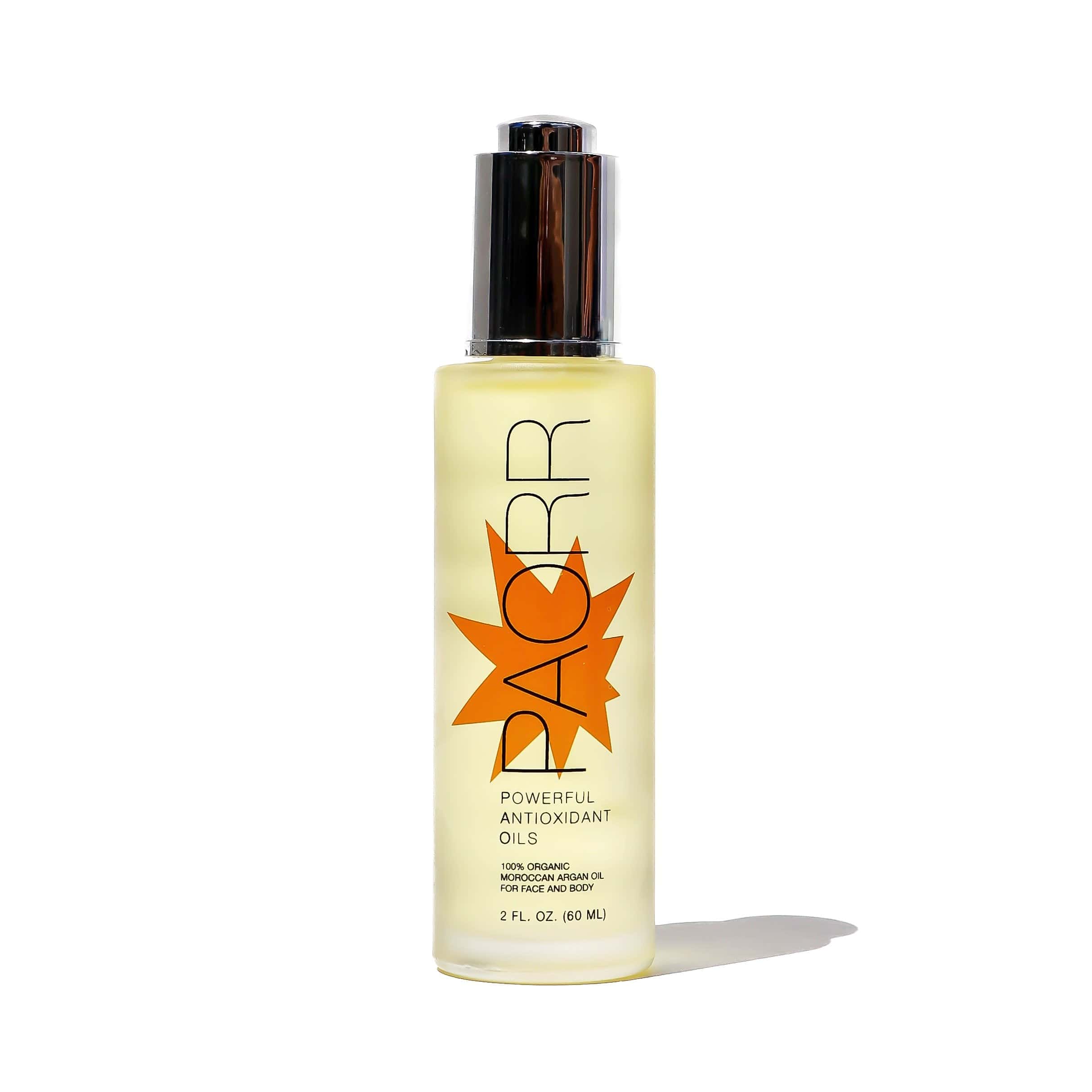
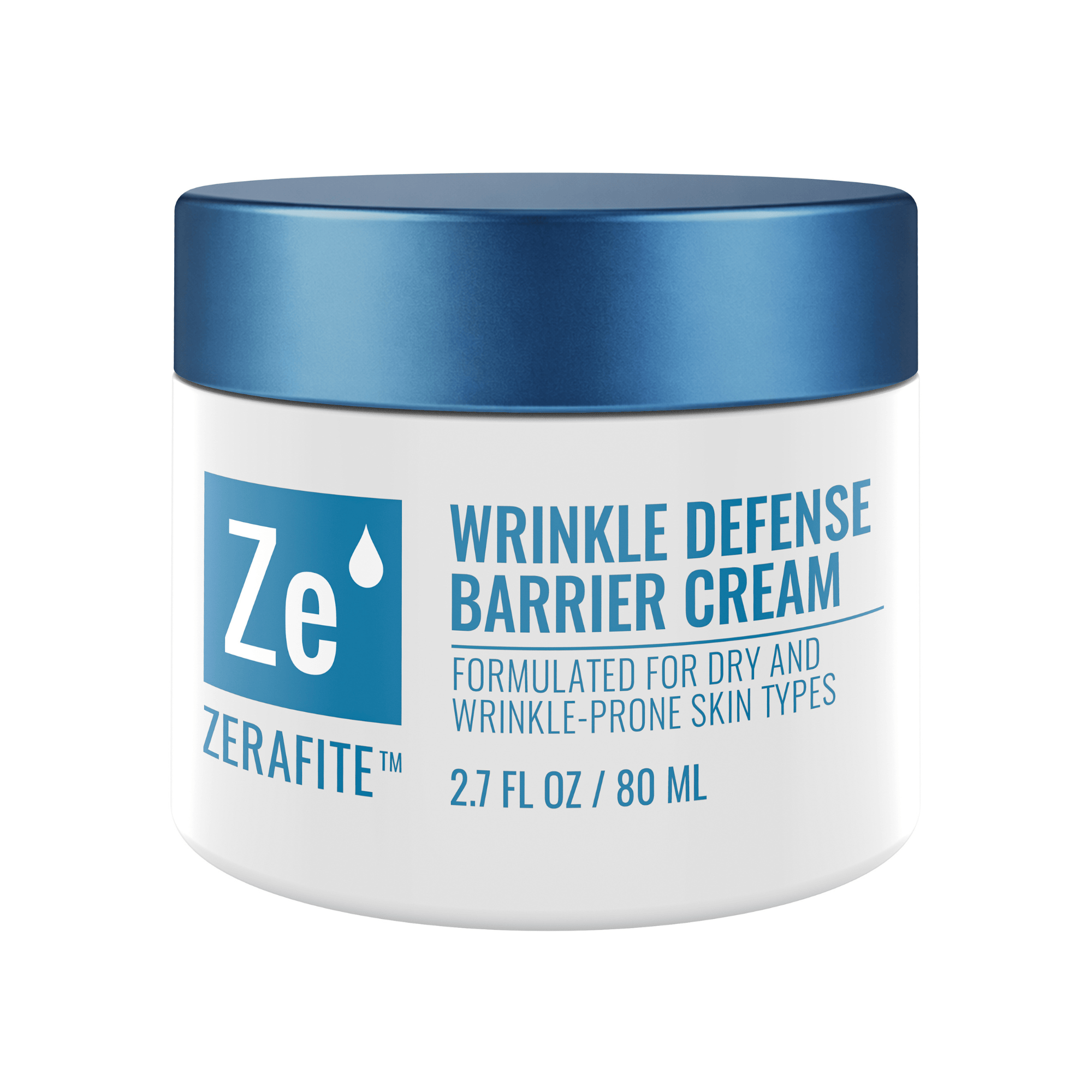
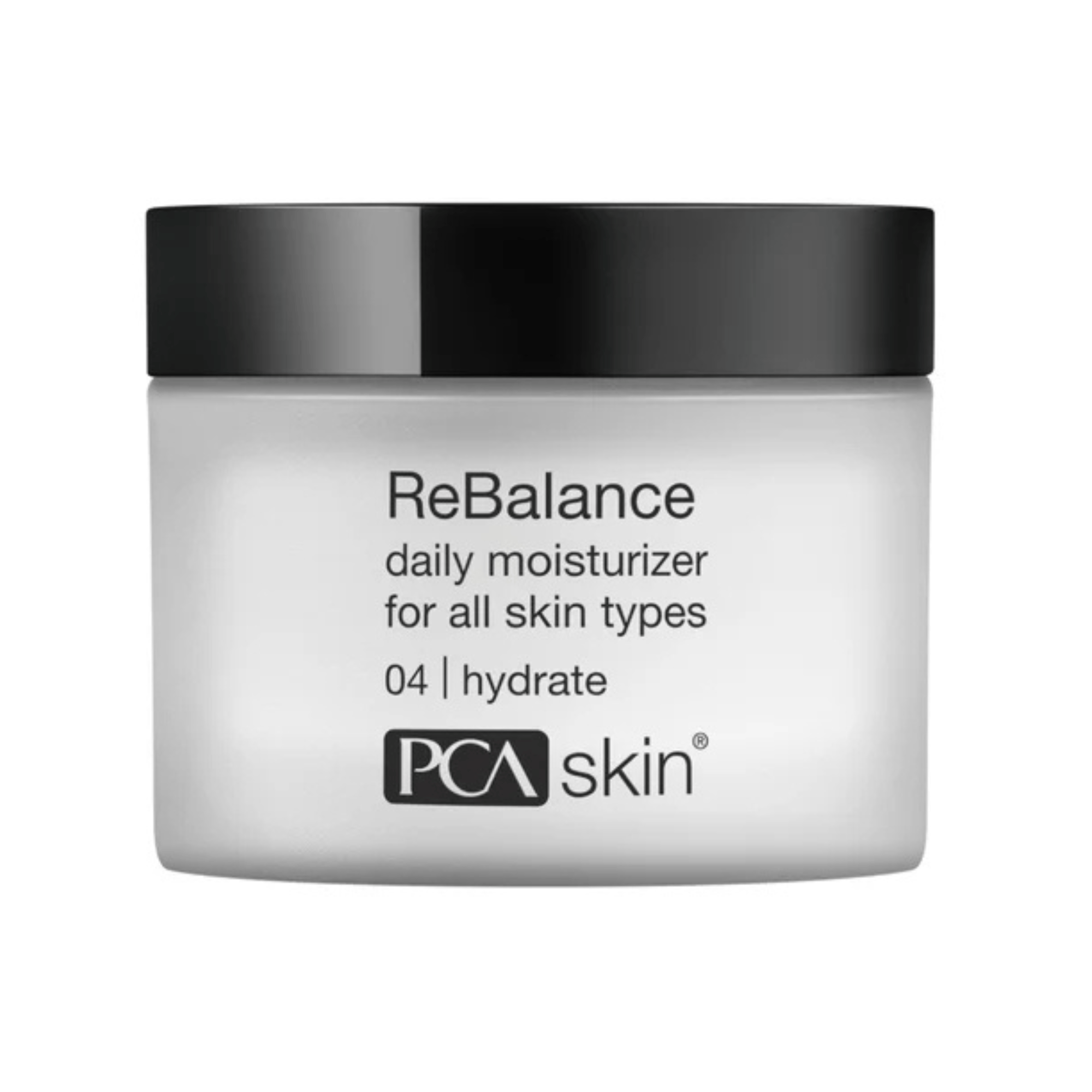
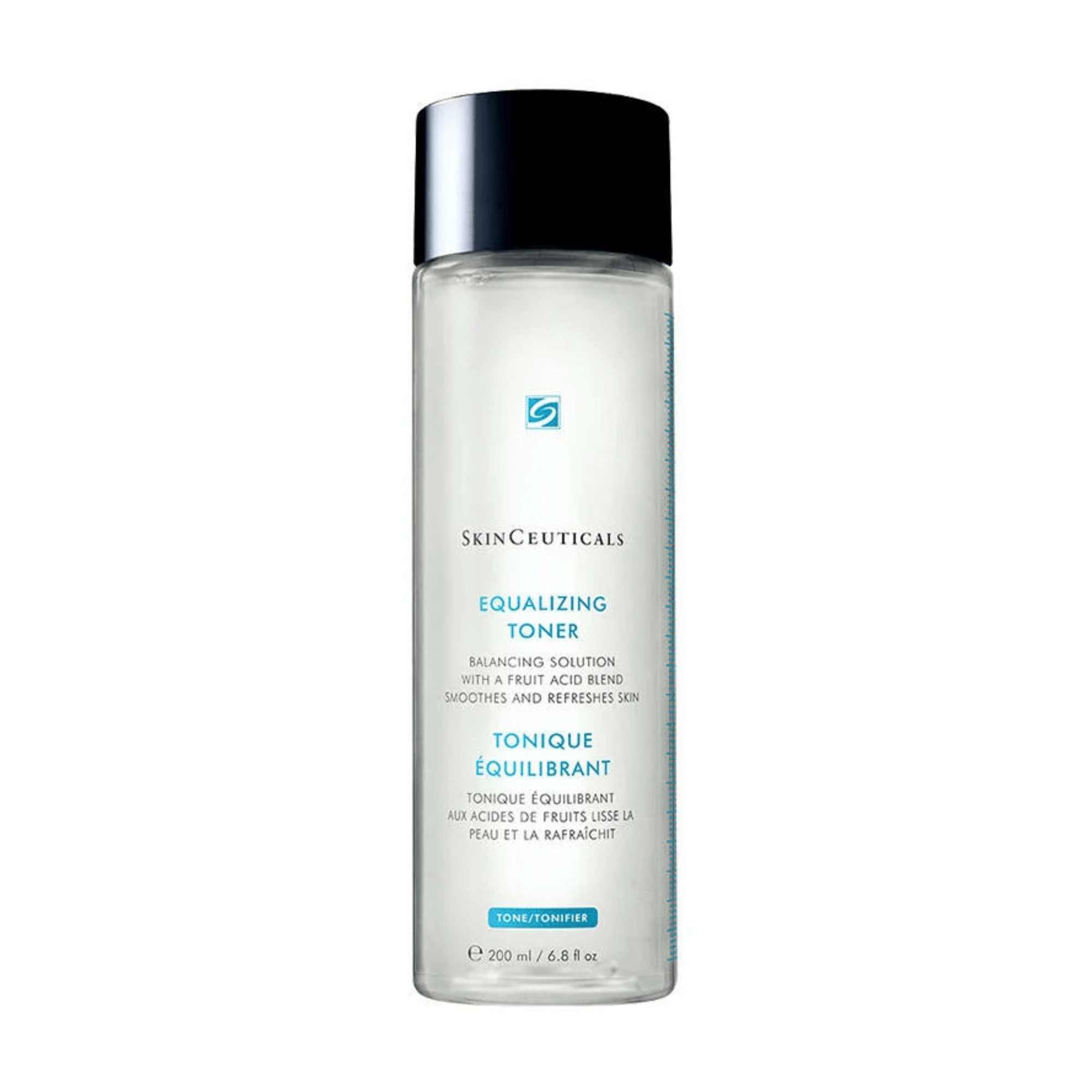
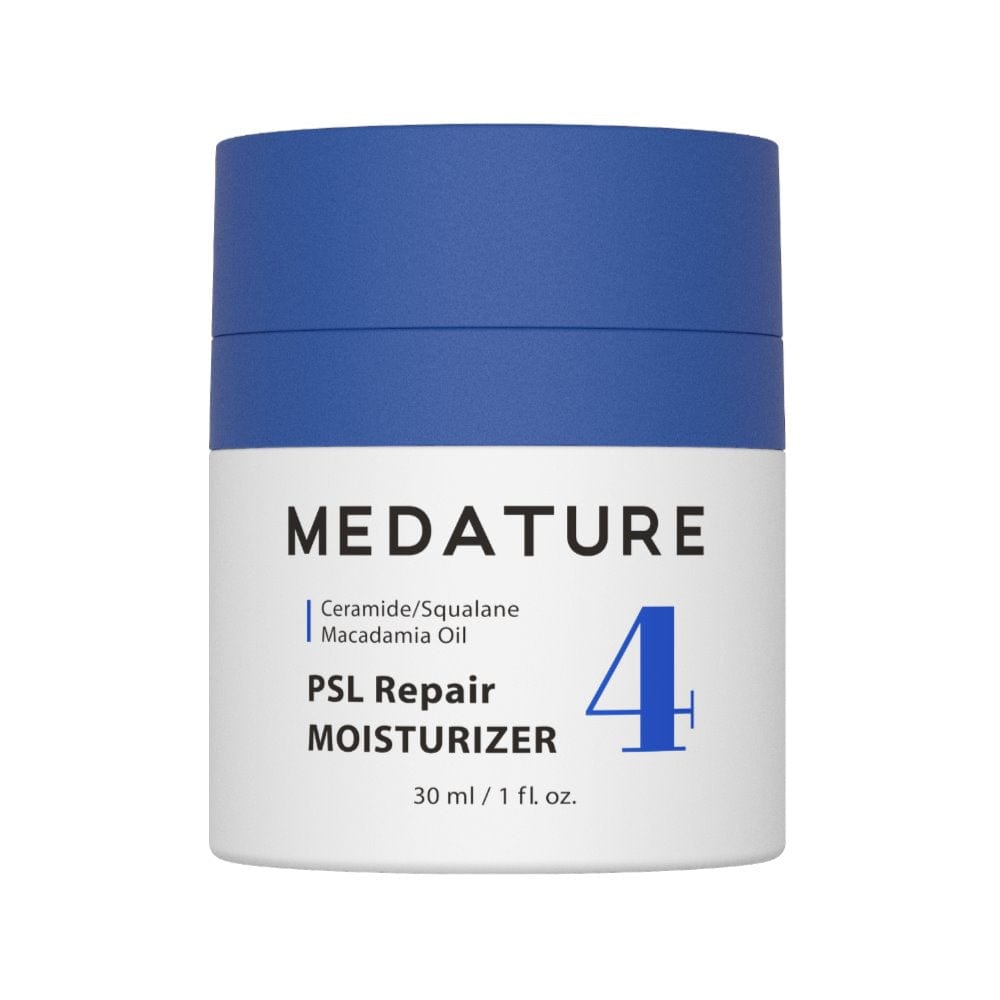
Here are some of our favorites You can take the 16 Skin Types Quiz to find out which is the best one for your skin's needs.
Diaper rash creams are not all the same. Although zinc oxide gets most of the attention in the face basting trend, the other ingredients in the formula may be just as important. For example, Triple Paste contains 12.8% zinc oxide in a petrolatum-based formula with lanolin, beeswax, bisabolol, cholesterol, glycerin and oat kernel extract. Desitin Maximum Strength contains 40% zinc oxide along with petrolatum, lanolin, cornstarch and other ingredients. Aquaphor Baby Diaper Rash Cream contains zinc oxide with mineral oil, glycerin and panthenol, while Badger Diaper Rash Cream combines zinc oxide with sunflower oil and beeswax. This means two people can say that diaper cream helped their skin while actually using very different combinations of ingredients. The percentage of zinc oxide alone does not tell you how a diaper rash cream will behave on your face.
Lets look at what each of these ingredients does to the skin.
Zinc oxide is the ingredient getting most of the attention in the face basting trend. The percent concentration of zinc oxide differs in various diaper rash creams. Zinc oxide is also found in mineral sunscreens. It is not harmful to skin- but does it help redness and acne?- probably not or we would have been hearing about that from sunscreen users for many years.
Zinc oxide is not the same thing as zinc which is known to be anti-inflammatory and to help acne.
Zinc is an essential trace element involved in hundreds of enzymatic reactions and has important roles in immune function, wound healing and cellular repair.
We cannot use studies on the biological functions of zinc to assume that zinc oxide applied to the surface of the skin has the same effects.
Zinc oxide is a poorly soluble inorganic compound. On intact skin, most zinc oxide particles remain on the skin surface, in skin furrows and within the superficial stratum corneum rather than penetrating into the living epidermis. Some zinc oxide can dissolve and release zinc ions, but how much this occurs depends on the formulation, particle characteristics and condition of the skin barrier.
Zinc oxide can be formulated as larger particles, micronized particles or nanoparticles. Smaller particles have a greater surface area relative to their mass and may behave differently biologically. Zinc oxide particles can also be surface coated to change their dispersion and reactivity. For example, BASF makes a micronized zinc oxide called Z-COTE HP1 that is approximately 98% zinc oxide with a 2% hydrophobic coating of triethoxycaprylylsilane, a silicone derivative. Other cosmetic zinc oxides may be coated with dimethicone, silica, alumina or other surface treatments. However, diaper cream ingredient labels usually do not tell us the particle size or surface coating of the zinc oxide, so we cannot assume that the zinc oxide in every diaper cream is the same.
Petrolatum is an occlusive ingredient that forms a water-resistant layer on the skin surface and reduces transepidermal water loss (TEWL). This increases hydration of the stratum corneum, which is why dry, irritated skin can feel softer and look better very quickly after face basting.
Petrolatum is chemically inert and does not have a direct anti-inflammatory effect. It is also considered noncomedogenic, so being occlusive does not mean that petrolatum itself clogs pores.
Petrolatum can also “slug in” other skincare ingredients applied underneath it. By increasing hydration of the stratum corneum and reducing evaporation, occlusion can increase the penetration of some topical ingredients. This may be helpful with certain products, but it can also increase irritation from ingredients such as retinoids and exfoliating acids. This is why it matters which skin care products you are using under the diaper cream.
Oils are lipids that are liquid at room temperature. Most plant oils used in skincare are composed primarily of triglycerides, which consist of three fatty acids attached to a glycerol molecule. Oils also contain smaller amounts of free fatty acids and other compounds such as sterols, tocopherols, squalene and polyphenols. This is why different oils can have very different effects on the skin.
The fatty acid composition of an oil matters. Fatty acids may be saturated, monounsaturated or polyunsaturated, and these differences affect inflammation, skin barrier function and penetration of other ingredients.
Two fatty acids that are particularly relevant for facial redness and skin hydration are stearic acid and linoleic acid.
Linoleic acid is an essential omega-6 polyunsaturated fatty acid with particularly important functions in the epidermis. The body cannot synthesize linoleic acid, so it must ultimately come from dietary sources.
Linoleic acid is important for formation of acylceramides, specialized ceramides that are critical for the organization and water permeability function of the stratum corneum. Linoleic acid and its metabolites also participate in inflammatory signaling and have demonstrated anti-inflammatory effects in experimental studies.
Types of oils with linoleic acid to look for in diaper rash creams used for facial basting:
Stearic acid is a long-chain saturated fatty acid that is naturally present in the free fatty acid fraction of the stratum corneum. Free fatty acids, along with ceramides and cholesterol, are necessary components of the lipid membranes that form the skin barrier.
Oils and butters that contain stearic acid include:
Stearic acid is useful in barrier repair moisturizers because the skin barrier requires long-chain free fatty acids to form properly organized lipid membranes. (These form a maltese cross pattern when viewed under a cross polarized microscope).
Some diaper rash creams contain oils such as safflower oil, sunflower oil or argan oil that provide beneficial fatty acids such as linoleic acid and stearic acid. These fatty acids may help support the skin barrier and, in the case of linoleic acid, may also have anti-inflammatory effects.
Any skin benefits from a diaper cream will be temporary because simply applying a diaper cream containing these oils is not the same as repairing the skin barrier.
True physiologic barrier repair requires the correct combination and ratio of ceramides, cholesterol and free fatty acids arranged into organized lipid layers. The presence of a beneficial oil in a diaper cream does not mean that the formulation is a barrier repair moisturizer.
Diaper rash cream is not an acne treatment. People get confused because zinc has been used to treat acne but diaper creams have zinc oxide not Zinc.
Diaper creams may actually worsen acne, depending on the ingredients in the formula. Its occlusive properties may be useful when applied over a soothing or antimicrobial acne product because occlusion can increase penetration of some ingredients applied underneath it. However, this can also increase irritation, so it is important to know which acne products you are using.
Some diaper creams contain comedogenic oils, waxes or fatty esters that can clog pores and cause comedones or an acne flare. If you have acne-prone skin, avoid diaper creams containing highly comedogenic ingredients such as isopropyl myristate, isopropyl palmitate, myristyl myristate and coconut oil.
Diaper rash cream is not a rosacea treatment. Its occlusive ingredients may temporarily soothe dry, irritated skin and reduce exposure to external irritants, but this does not treat the underlying causes of rosacea. One situation where diaper cream may be useful is when you are traveling and detergents or fragrances left on hotel sheets and pillowcases irritate your skin. Applying an occlusive layer at bedtime can help protect sensitive facial skin from contact with these irritants. Otherwise, there are many better rosacea treatments and facial moisturizers with soothing, anti-inflammatory and barrier repair ingredients that are specifically formulated for rosacea-prone skin.
Diaper rash cream may help prevent some cases of perioral dermatitis by protecting the skin from irritating substances around the mouth. Its occlusive ingredients form a protective layer that can decrease contact with substances that may trigger or worsen perioral dermatitis. This may be especially useful if your toothpaste contains flavorings, xylitol, whitening ingredients or other ingredients that irritate the skin around your mouth. Applying a protective layer around the lips before brushing your teeth may decrease direct contact with these potential irritants. However, once perioral dermatitis develops, there are more effective treatments than diaper rash cream.
When comparing diaper rash creams for use on the face, I considered the entire formulation, including the zinc oxide concentration, occlusive ingredients, soothing ingredients, oils, allergens, fragrance and potential comedogenicity.
If you want to try face basting, choose a fragrance-free formula with useful occlusive, moisturizing or soothing ingredients and as few potential allergens and comedogenic ingredients as possible.
Face basting with diaper rash cream can temporarily increase skin hydration and softness by decreasing transepidermal water loss, but this does not mean it is the best way to repair your facial skin barrier. The benefits and risks depend on the entire formulation, including the occlusive ingredients, oils, potential allergens and comedogenic ingredients, not simply the percentage of zinc oxide. If your goal is to slug moisture into your skin, skip the diaper cream and use a barrier repair moisturizer designed for the face.
[[ctaquiz]]
Dr. Leslie Baumann MD, FAAD
You can, but I do not recommend using diaper rash cream every night as your regular facial moisturizer. It is primarily an occlusive skin protectant and was not formulated to provide the physiologic lipids and other beneficial ingredients found in a good facial barrier repair moisturizer. If your goal is to decrease water loss and improve your skin barrier, choose a barrier repair moisturizer designed for the face.
It depends on the formulation. Petrolatum itself is noncomedogenic, but some diaper creams contain comedogenic oils, waxes or fatty esters that may clog pores and worsen acne. If you have acne-prone skin, check the ingredient label and avoid ingredients such as isopropyl myristate, isopropyl palmitate, myristyl myristate and coconut oil.
Diaper rash cream does not treat the underlying causes of rosacea. Its occlusive ingredients may temporarily soothe dry, irritated skin and protect it from external irritants. However, there is not convincing evidence that the zinc oxide in diaper rash cream itself reduces rosacea redness. A facial moisturizer formulated with appropriate soothing and barrier repair ingredients is a better long-term choice.
Diaper cream decreases water loss, but it does not necessarily provide the complete mixture of ceramides, cholesterol and free fatty acids needed for physiologic barrier repair. Apply a barrier repair moisturizer underneath rather than relying on diaper cream alone.
Be careful. Occlusion increases hydration of the stratum corneum and can increase penetration of some ingredients applied underneath it. Applying a thick diaper cream over retinol, tretinoin, alpha hydroxy acids or beta hydroxy acids may therefore increase redness, burning and irritation. If you want to slug over a retinoid, use a moisturizer and occlusive strategy appropriate for your skin type and skincare routine.
It depends on the type of vitamin C. L-ascorbic acid works best at an acidic pH and can already cause stinging and irritation, so I would not routinely apply an occlusive diaper cream over it. Occlusion may increase penetration and irritation, and layering another formulation on top can potentially alter how the vitamin C product behaves on the skin. Less irritating vitamin C derivatives may be better tolerated, but there is no proven benefit to putting diaper cream over vitamin C. Use your vitamin C product as it was formulated to be used and choose a facial moisturizer appropriate for your skin type.
Triple Paste Original is my first choice of diaper creams for face basting because it is fragrance-free and contains petrolatum, glycerin, oat, bisabolol and cholesterol. However, for my patients, I would rather prescribe a facial barrier repair product such as Zerafite Barrier Repair Moisturizer, La Roche-Posay Cicaplast Baume B5 or Avène Cicalfate+ Restorative Protective Cream. These products are formulated specifically to soothe, protect and support the barrier of facial skin.
I would not use diaper rash cream on your face every night. If you want to try face basting, use it occasionally when your skin is unusually dry or needs protection from external irritants. Oily skin types should never use diaper rash cream. Dry skin types can use diaper creams on the face 1-3 times a week.

Free Shipping

Skincare Library

Subscribe & Save

Rewards