








Are Trending “Stick Balms” Worth Trying?
Skin care “stick balms” or “balm sticks” have gone viral lately, and the appeal is easy to understand. They're easy to use, portable, and deliver that glossy, dewy finish that's been everywhere in beauty content lately.
But before you add the first one you see to your cart, know that some ingredients commonly found in these sticks can be bad news for acne-prone skin. Take a look at what’s in most of these trending stick balms and how to choose the best one for your skin type.
Stick balms are solid, twist-up skin care products typically designed for hydration.
They often contain pore-clogging waxes and other ingredients.
If you have acne-prone skin, look for non-comedogenic stick balms.
Table of content

What Are Skin Care “Stick Balms”?
Stick balms are solid or semi-solid skin care products packaged in a twist-up or push-up tube, similar to a lip balm or a deodorant stick. They're used on the face to deliver concentrated moisture, create a protective barrier, or add a luminous finish. The “solid” form typically requires some kind of waxy or occlusive base to hold the product together.
Benefits of Stick Balms
So what’s the benefit of using stick balms? The idea is that the occlusive layer that a stick balm creates on top of your other products helps to seal in moisture and protect skin from environmental aggressors throughout the day. The solid format also makes them easy to carry and apply without sticky fingers or spillage.
Some balm sticks also come with a sheer tint, allowing them to be used in place of blush for a flushed wash of color that looks more like skin than makeup. Some double as highlighters or all-over color sticks used on the cheeks and lips for a cohesive, low-effort look.

The Downside of Stick Balms
The problem is that many stick balms achieve that smooth, glide-on texture using ingredients that are notoriously comedogenic, meaning they're known to clog pores.
If you have acne-prone skin, read the ingredients carefully before trying. Some of the most common ingredients used to give stick balms their solid, glide-on texture include beeswax, carnauba wax, candelilla wax, and emollients like isopropyl myristate, which rank high on the comedogenic scale.
Isopropyl myristate in particular is a well-known pore-clogger. It's frequently used in solid skin care formulations because it creates a silky, non-greasy feel, but it is generally not a great choice for anyone prone to breakouts. The same is true for several other heavy emollients and waxes that appear regularly in many stick balms.
This doesn't mean all balm sticks will break you out. Some are formulated with non-comedogenic ingredients that deliver the same rich, protective texture without pore-clogging risk. But it’s important to check the ingredients first if you have sensitive or acne-prone skin to make sure.
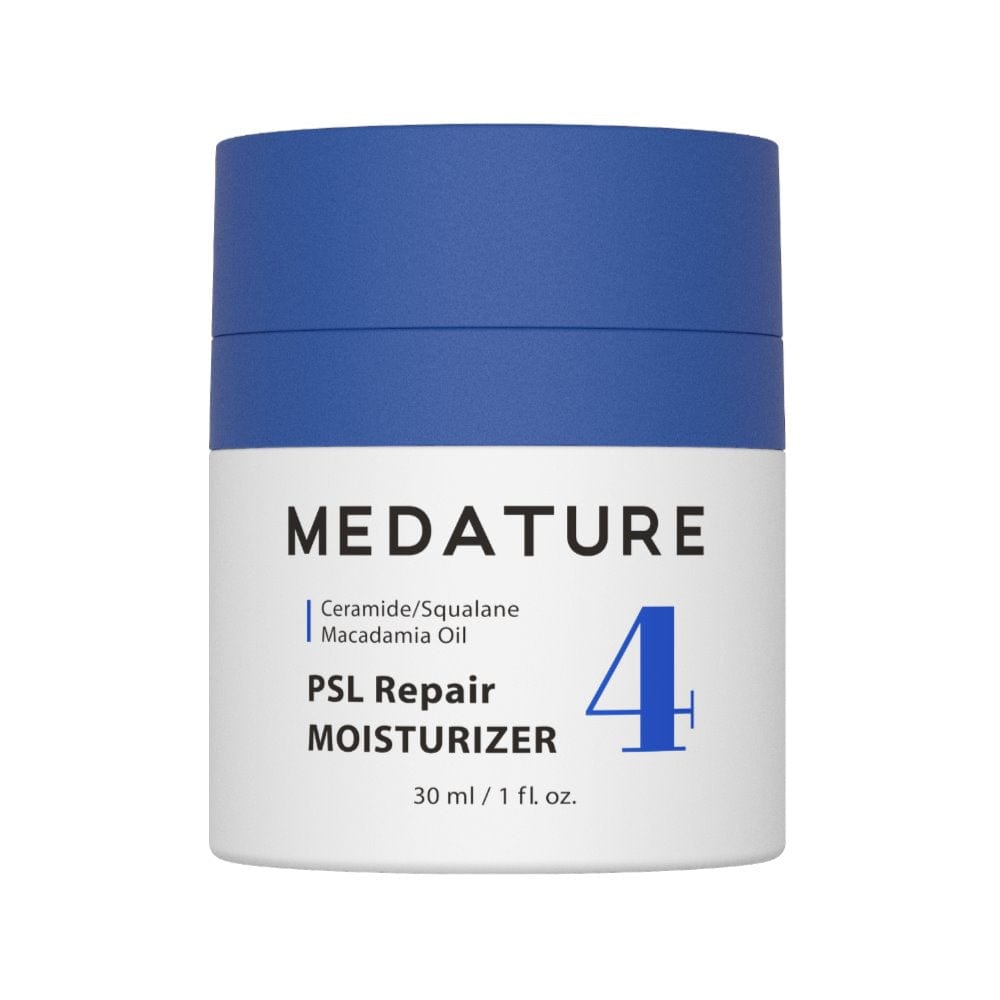
The Best Moisturizers for Acne-Prone Skin
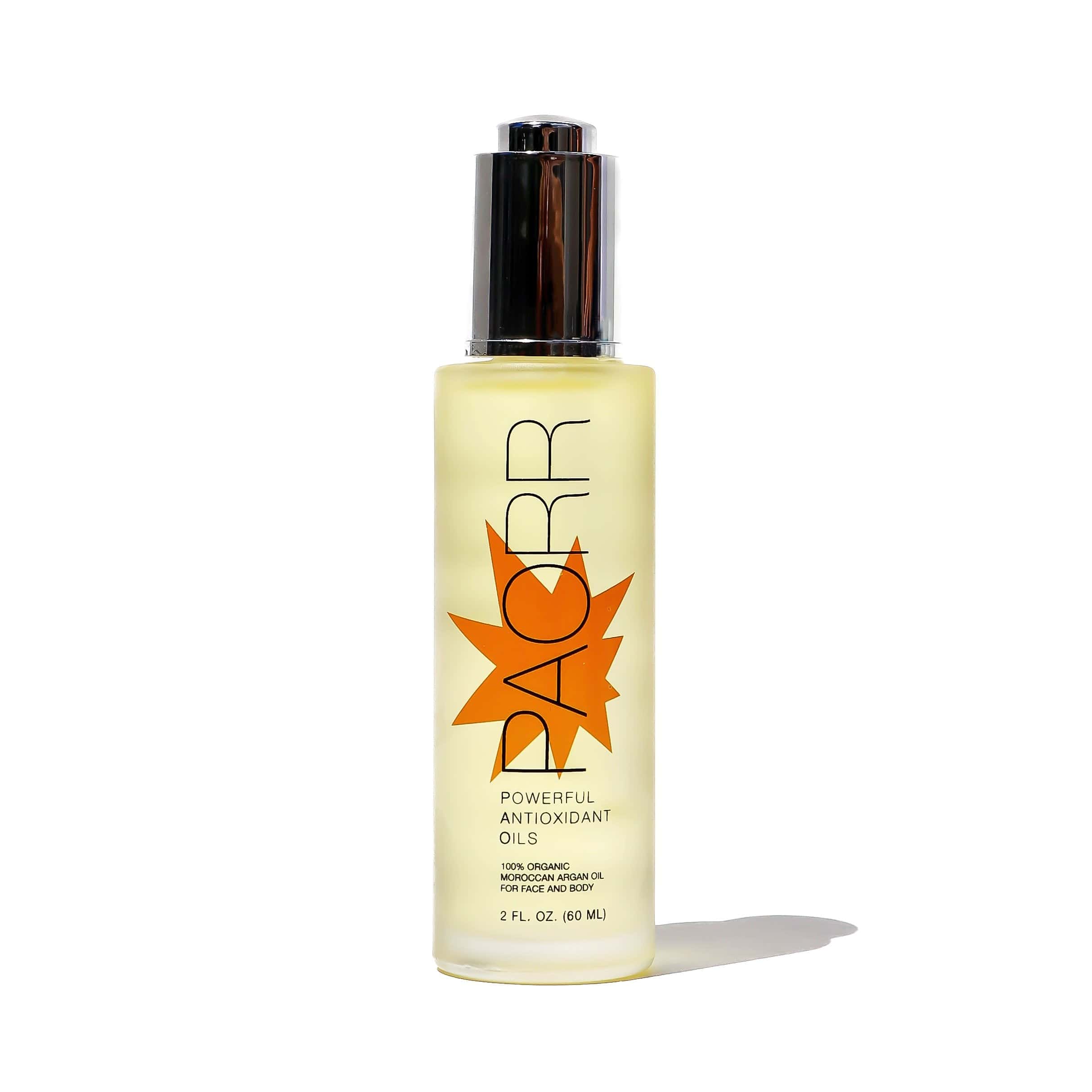
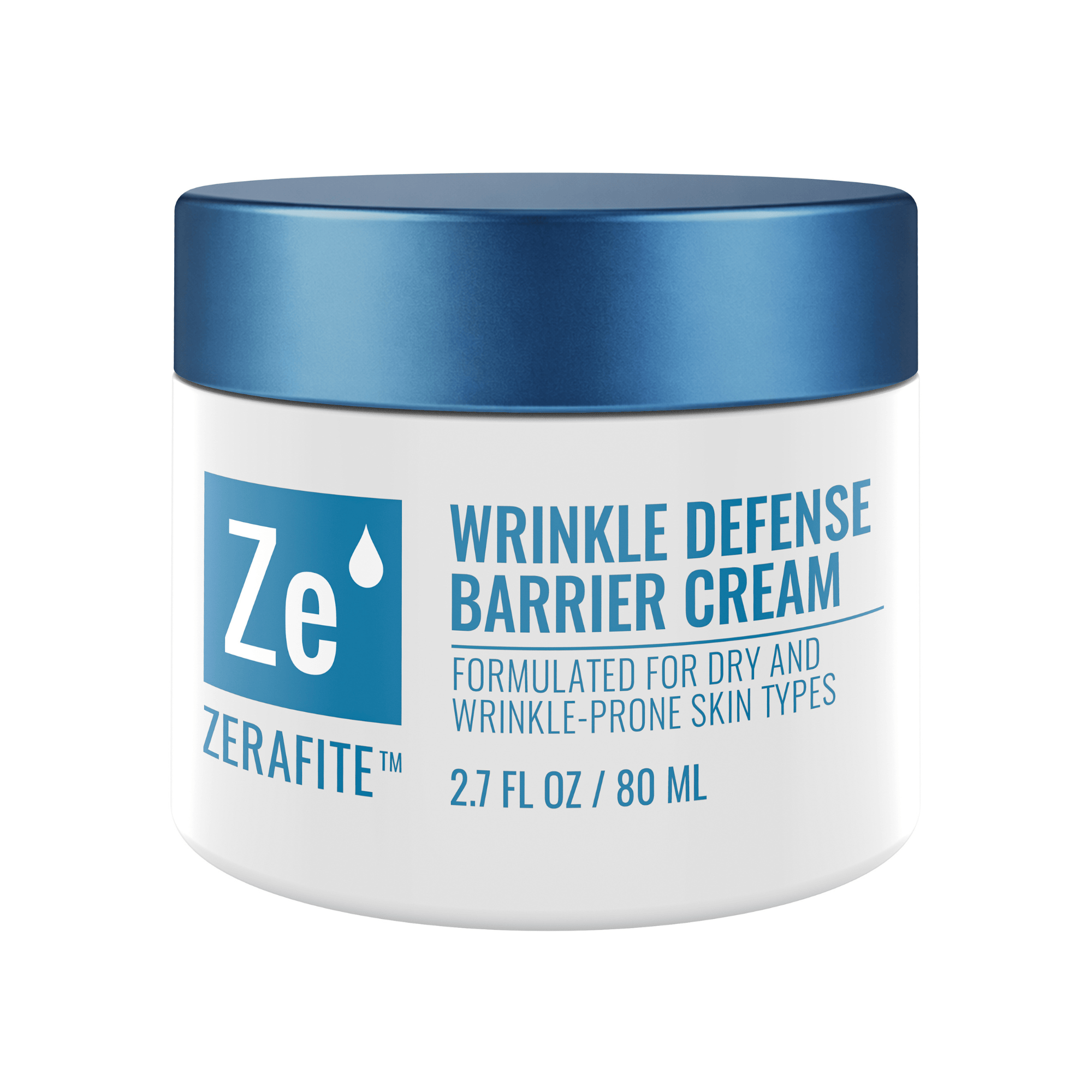
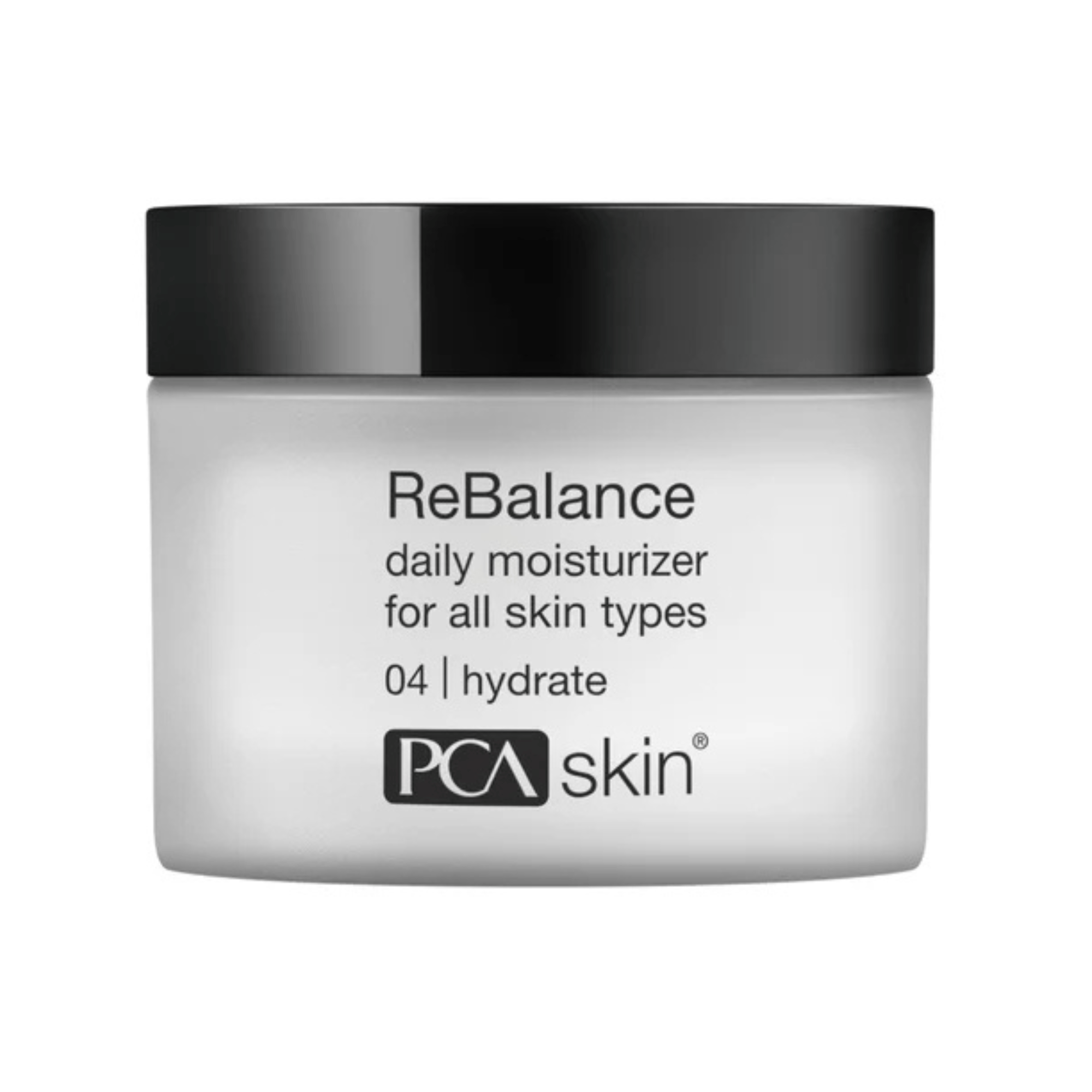
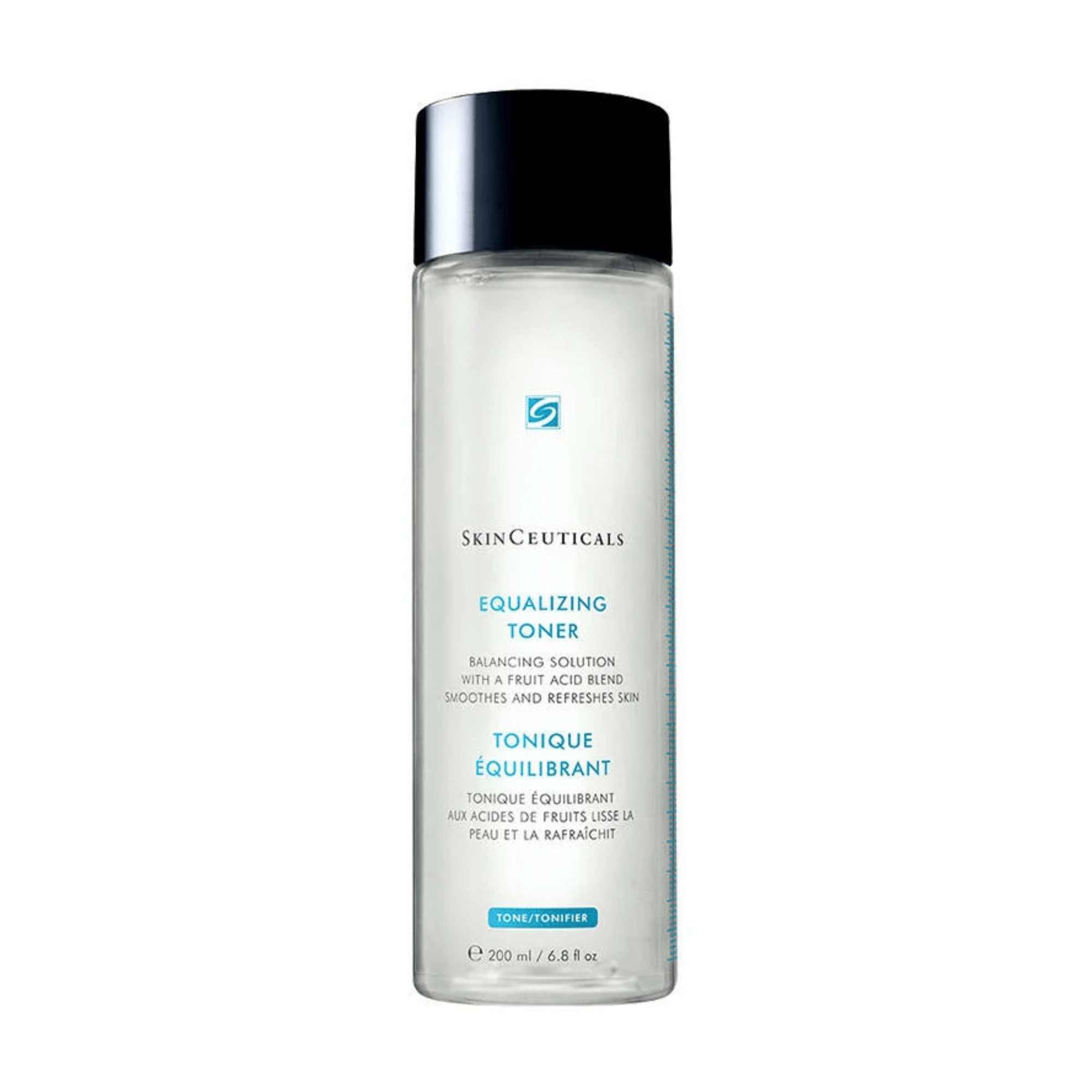
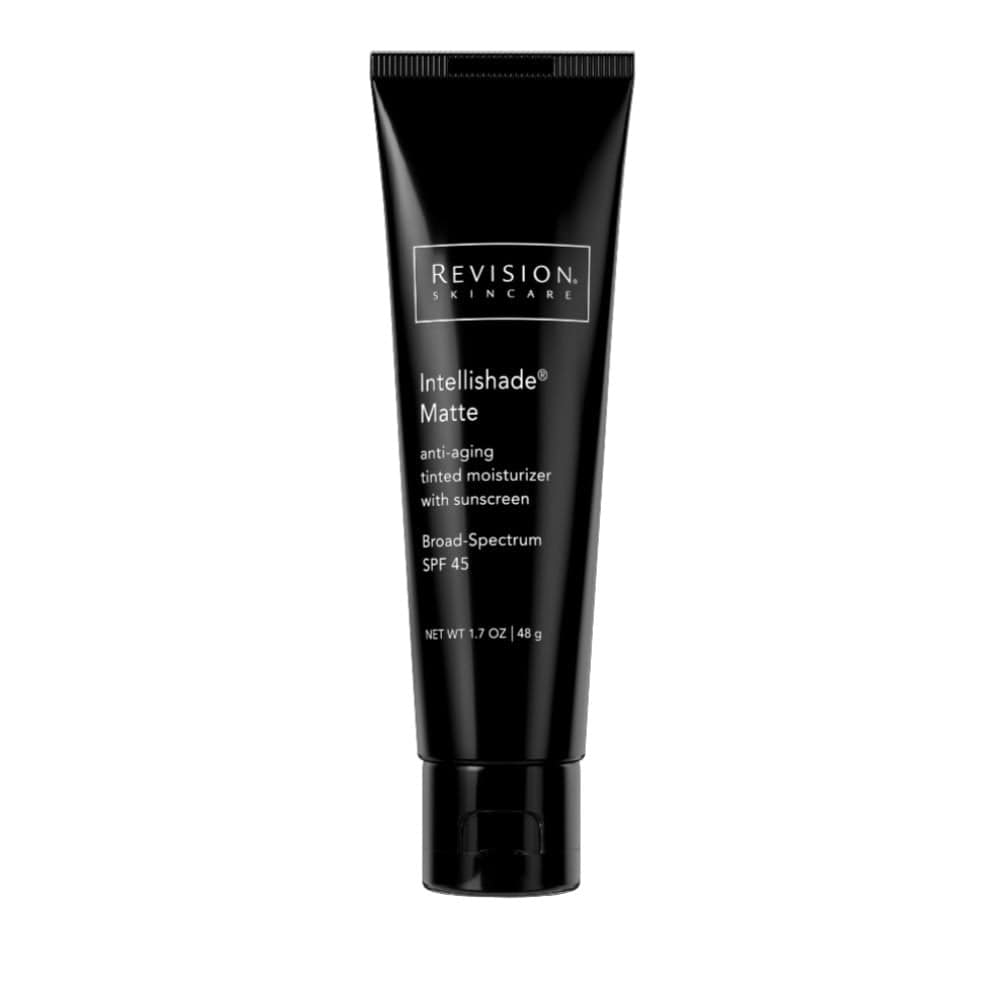
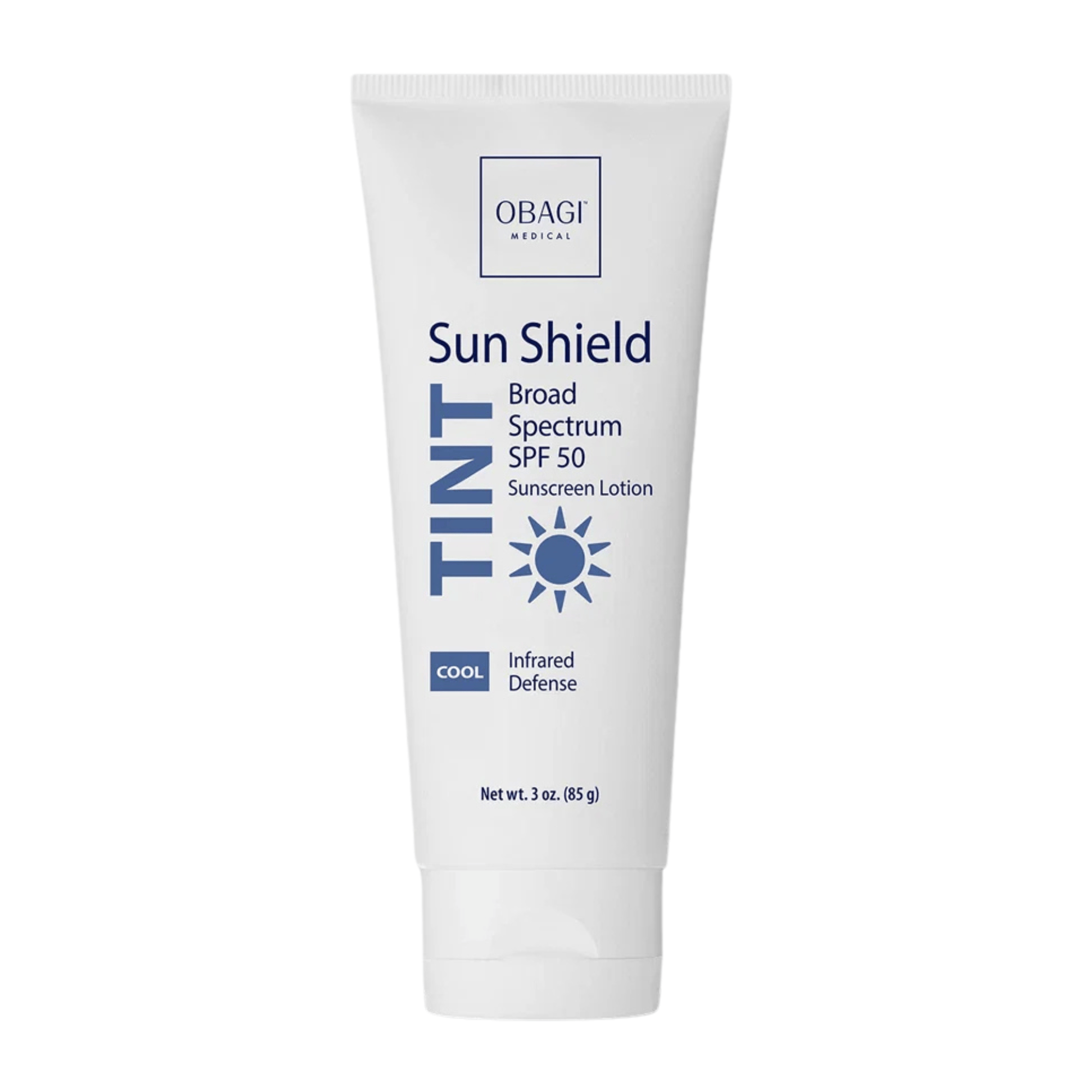
If you have sensitive or acne-prone skin that easily breaks out, you can still properly hydrate your skin without the breakouts or other downsides. Some of our favorite moisturizers for these skin types are listed below.
Matching Your Balm Stick to Your Skin Type
Whether a balm stick works for your skin comes down to your Baumann Skin Type. Resistant skin types, or anyone with an “R” in their Baumann Skin Type, are generally the best candidates for richer, wax-heavy formulas. Resistant skin has a stronger barrier that is less prone to reacting to heavy emollients, fragrances, or occlusive ingredients. If you also tend toward dryness, the added moisture-sealing effect is a bonus.
If you have oily or acne-prone skin and you want to try the trend, look for a stick balm without isopropyl myristate, lanolin, or coconut oil near the top of the ingredient list. Instead, choose balm sticks with non-comedogenic ingredients like squalane, caprylic/capric triglyceride, or non-comedogenic oils like argan oil. These deliver the same smooth, protective finish without the pore-clogging risk.

How to Evaluate a Stick Balm Before You Buy
Look at the first five to seven ingredients, as these make up the bulk of the formula. If you see isopropyl myristate, lanolin, coconut oil, or other comedogenic waxes near the top of the list and you're acne-prone, that particular product is likely not a good fit for you. If the top ingredients include squalane, glycerin, dimethicone, or ceramides, the formula is likely safer for a wider range of skin types.
If you're unsure where your skin falls, taking the Baumann Skin Type quiz is the best starting point. Knowing your skin type takes the guesswork out of evaluating not just stick balms, but every new trend and product format that comes across your feed.
Bottom Line
Skin care stick balms are convenient and can be effective for the right skin types, but those with sensitive or acne-prone skin need to take a closer look at the ingredients. If you have tried a new stick balm or other trending product and notice an increase in breakouts or other skin problems, stop using that product and see if your skin clears up.

Dr. Leslie Baumann MD, FAAD
Can I use a stick balm over sunscreen?
Yes, you can use a stick balm as you would other makeup products. I generally recommend applying SPF after your moisturizer but before your makeup.
Can I use a stick balm if I have rosacea?
It depends on the ingredients. Rosacea is a sensitive skin subtype, which means fragrance, essential oils, and certain botanical extracts are common triggers to avoid. That said, a fragrance-free stick balm with barrier-supportive ingredients like ceramides or squalane could be appropriate for some with rosacea-prone skin.
Is a stick balm the same as slugging?
Not exactly. Slugging refers to applying a heavy occlusive, such as petroleum jelly, as the very last step of a nighttime routine to seal moisture in while you sleep. A balm stick can be used the same way, but it's typically a more complex formula with additional emollients, waxes, and sometimes active ingredients or pigment. Slugging is usually reserved for nighttime, while balm sticks are designed for daytime use too.
Best References and Scientific Publications on Stick Balms
- Baumann L. Antiaging Ingredients in Ch. 37 of Baumann's Cosmetic Dermatology Ed 3. (McGraw Hill 2022)
- Baumann, L. Ch. Cosmeceuticals and cosmetic Ingredients (McGraw Hill 2015)
- Pinto, J. R., Monteiro e Silva, S. A., Holsback, V. D. S. S., & Leonardi, G. R. (2022). Skin occlusive performance: Sustainable alternatives for petrolatum in skincare formulations. Journal of Cosmetic Dermatology, 21(10), 4775-4780.
- Draelos, Z. D. (2018). The science behind skin care: Moisturizers. Journal of cosmetic dermatology, 17(2), 138-144.


