








What Is Transepidermal Water Loss (TEWL) and What Does It Mean for Your Skin?
How Skin Loses Water
Think of your skin as having a protective barrier or wall on the outside that helps to keep moisture sealed inside while also keeping harmful irritants locked out. If that protective wall becomes damaged or broken, water is able to escape out. This is known as transepidermal water loss, or TEWL. When this happens, you are left with dry, dehydrated skin that has trouble holding onto water and defending against irritants.
In this guide, we’ll take an in-depth look at what transepidermal water loss is, what causes it, and what you can do to reverse it to restore hydrated, healthy skin.
TEWL is the evaporation of water from the skin's surface
Transepidermal water loss happens when a damaged skin barrier lets moisture escape.
Elevated TEWL levels lead to dry skin.
Barrier repair moisturizers with ceramides, cholesterol, and fatty acids restore hydration and decrease TEWL.
Table of content

Understanding Transepidermal Water Loss
Transepidermal water loss is the evaporation of water from the skin’s surface, through the upper stratum corneum layer of the epidermis into the surrounding atmosphere. This process happens continuously and is an essential part of how the skin maintains balance, but when it becomes excessive, it is a sign of a compromised barrier.
To understand TEWL, it helps to visualize the skin’s outermost layer, the stratum corneum, as a brick wall. The cells form the “bricks,” while the lipids that fill the spaces between them – ceramides, cholesterol, and fatty acids – act as the “mortar.” When this structure is intact, the skin barrier effectively prevents too much water from escaping and keeps irritants and microbes from getting inside.
The lipid matrix that holds the barrier together is composed of these three primary lipids in roughly equal proportions. This balanced structure allows the lipids to arrange themselves into tightly packed, layered formations called lamellae. These lamellae form the physical and chemical foundation of a healthy barrier, slowing down water loss and maintaining smooth, comfortable skin. When the ratio becomes imbalanced, for example, if ceramides are depleted or fatty acids are stripped away by harsh cleansers, the lamellar organization weakens, creating microscopic gaps that let moisture escape more easily.
TEWL can be measured using an instrument called a TEWAmeter or evaporimeter, which measures the rate of water vapor flux through the skin. A higher TEWL reading indicates a more impaired barrier and is associated with dryness, irritation, inflammation, and even accelerated aging, since a damaged barrier can trigger low-grade chronic inflammation in the skin.
Healthy skin keeps TEWL in check through the interplay of its cellular “bricks,” its lipid “mortar,” and the natural moisturizing factors (NMFs) within cells. NMFs are small, water-attracting molecules such as amino acids, urea, and lactate. When all of these components function properly, the skin remains hydrated and protected. But when these components become weakened or imbalanced, TEWL increases, leading to dry, uncomfortable skin.

What Causes Transepidermal Water Loss?
Several factors can disrupt the skin barrier and increase TEWL:
Overexfoliation is a common cause of barrier disruption. Most skin types should not use more than 2 types of exfoliants in their skin care routine.
Environmental conditions are one of the most common triggers. Cold, dry air in winter or constant exposure to air conditioning and low humidity can deplete the lipids and NMFs that normally hold water in the skin. Excessive sun exposure and pollution also damage the lipid structure, accelerating water loss.
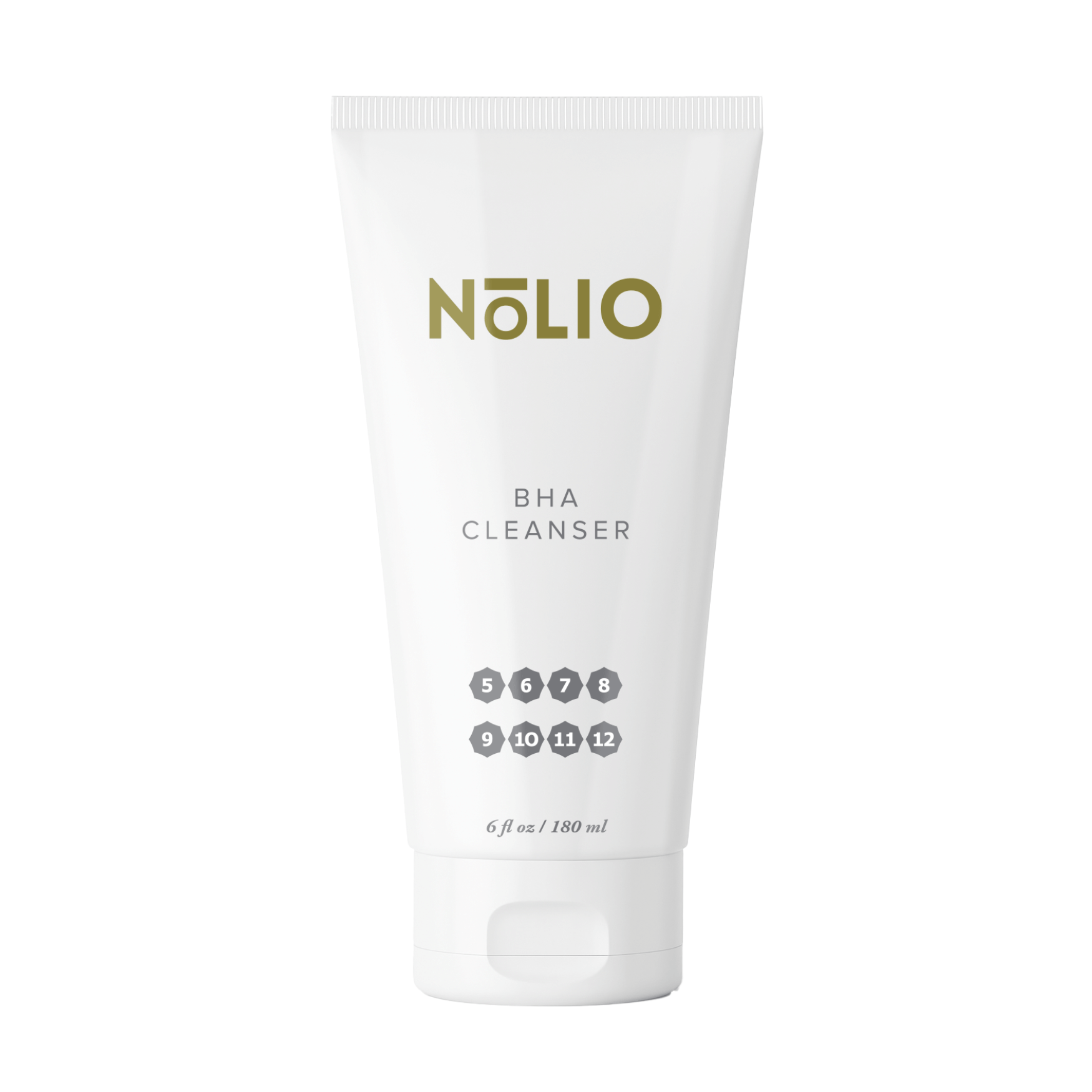
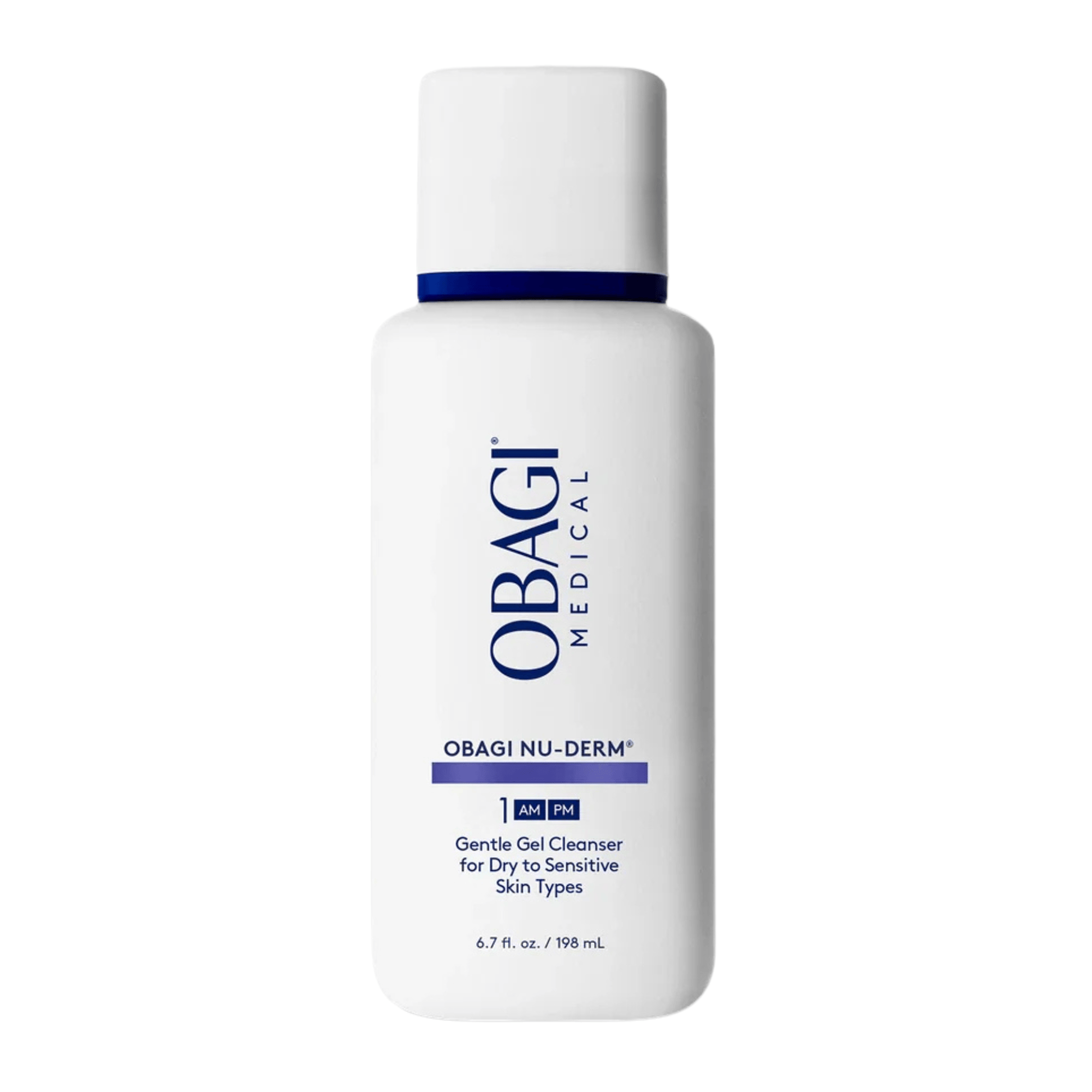
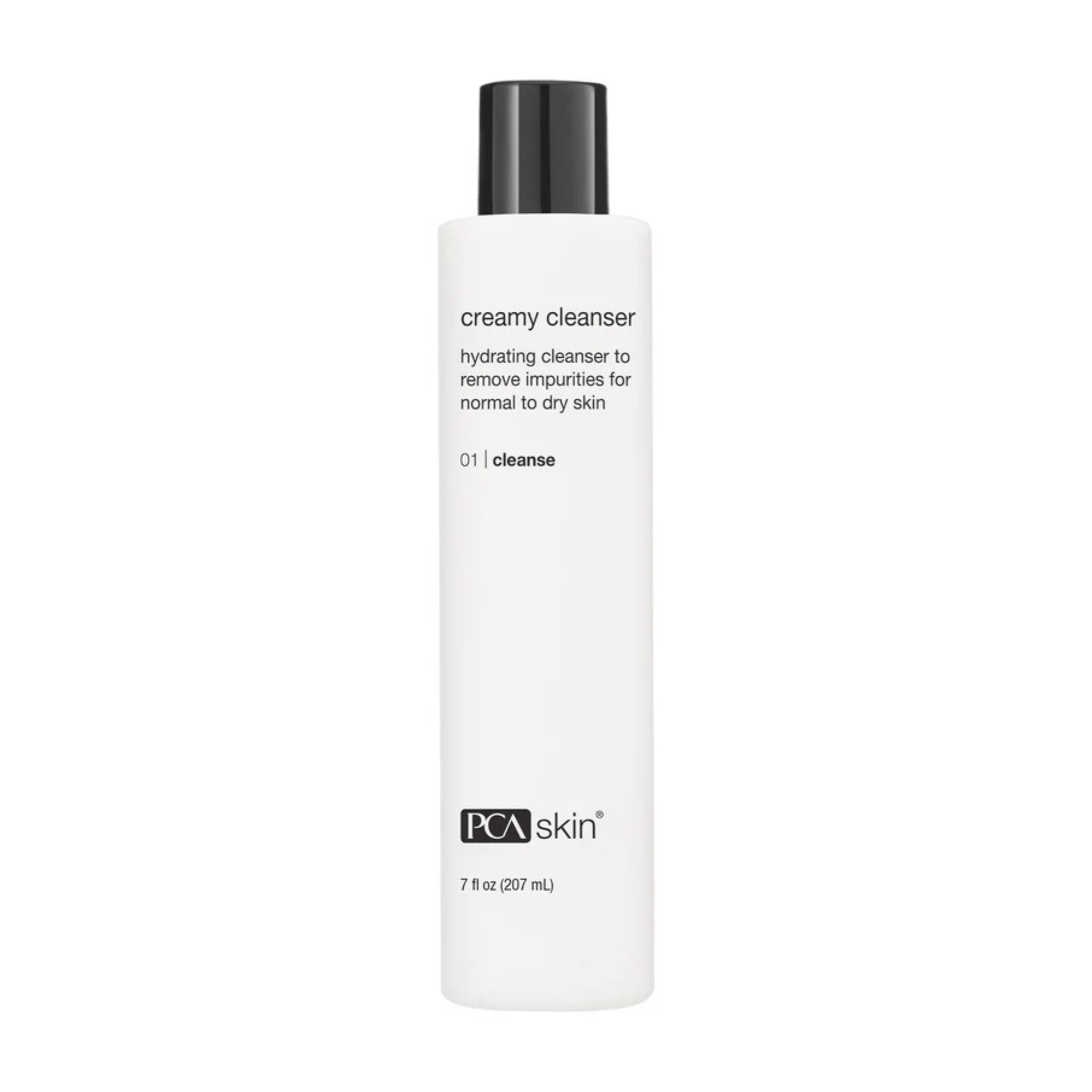
Cleansers can play a major role as well. Harsh soaps and foaming cleansers can strip away essential oils, fatty acids, and ceramides from the surface, weakening the “mortar” between the cells. Over-exfoliation can also thin the stratum corneum and impair its ability to trap water. Thus, it is important that you are using a cleanser that is right for your skin type.
Skin care ingredients can also compromise the barrier, even when they're beneficial for other skin concerns. Active ingredients like retinoids, alpha and beta hydroxy acids, and benzoyl peroxide work by increasing cell turnover or treating acne, but they can temporarily disrupt the lipid barrier and increase TEWL, especially when first introduced or used too frequently. This is why it’s crucial to introduce these ingredients gradually and pair them with barrier repair moisturizers.
Medical and genetic factorscan contribute too. People with eczema, psoriasis, or rosacea naturally have higher baseline TEWL due to structural differences in their skin barrier. Hormonal changes, aging, and certain medications that dry the skin can also impair the skin’s ability to retain moisture.
Lifestyle factors, like frequently taking long, hot showers or frequently swimming in chlorinated water, can gradually strip away the lipids that form the barrier. Diet can also play a role in TEWL. Inadequate intake of essential fatty acids, for example, can impair the skin's ability to build and maintain a healthy lipid barrier.

How Does TEWL Affect Skin Health?
When TEWL increases, the skin quickly becomes dehydrated and inflamed. Water loss causes corneocytes to shrink, creating tiny spaces that make the skin rough and dull. This also makes it easier for irritants, allergens, and microbes to penetrate the barrier, which can lead to redness, itching, and sensitivity.
A compromised barrier also “turns on” inflammatory pathways that can worsen existing skin conditions such as acne, rosacea, or eczema. Over time, this chronic inflammation can accelerate the breakdown of collagen and elastin, contributing to signs of premature aging.
Because the barrier is the skin’s first line of defense, high TEWL also interferes with wound healing and makes the skin more reactive to active ingredients like retinoids and exfoliants. Thus, maintaining a strong barrier and minimizing TEWL are crucial aspects of optimal skin health.

How to Reverse Transepidermal Water Loss
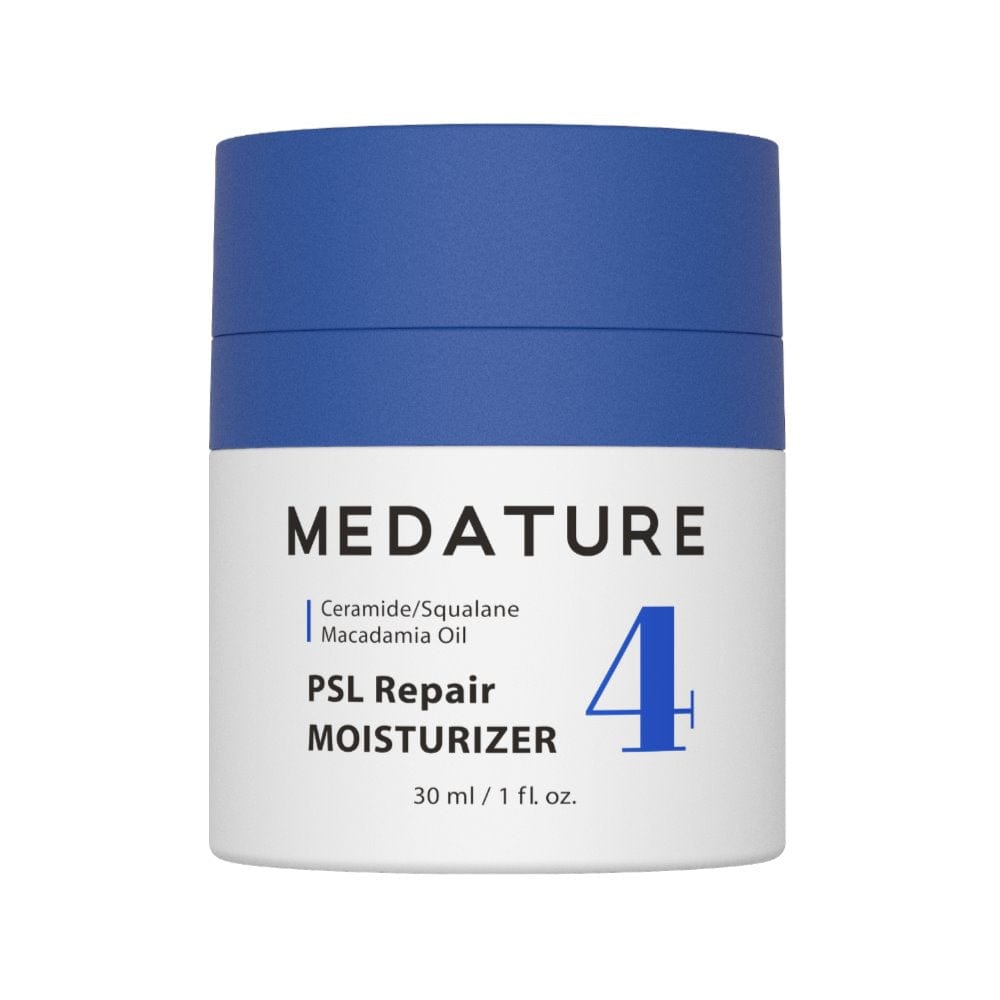
The key to reversing TEWL is to repair the barrier and restore hydration. This is best achieved through consistent use of a barrier repair moisturizer formulated with the correct ratio of ceramides, cholesterol, and fatty acids. These products work by replenishing the skin’s natural lipid structure and encouraging the reformation of the lamellar layers that seal in moisture.
The best barrier repair creams can be identified microscopically by their Maltese cross pattern when viewed under polarized light. This pattern indicates that the product forms lamellar lipid structures, mimicking the natural lipid structure of healthy skin. Moisturizers without this lamellar arrangement may temporarily relieve dryness but don’t fully rebuild the barrier.
When choosing a moisturizer, look for one that lists ceramides, cholesterol, and fatty acids near the top of the ingredient list. Humectants like glycerin help to attract water into the skin, while occlusive ingredients such as dimethicone or stearic acid help to lock that water in.
In addition to using an effective barrier repair cream, you can make some skin care routine and lifestyle adjustments to help support your skin’s barrier:
Use the right cleansers and other skin care for your skin type so you do not strip away oils that your skin barrier needs.
Do not use very hot or very cold water to wash your skin.
Do not over-exfoliate your skin.
Use a humidifier if you live in a dry climate or work in an office with air conditioning.
Wear SPF daily, as sun exposure can also compromise the skin barrier.
What Are the Best Barrier Repair Moisturizers for TEWL?
The best barrier repair creams contain a 1:1:1 ratio of ceramides, cholesterol, and fatty acids in and are designed to mimic the skin’s own lipid layers, displaying the Maltese cross pattern under a microscope.
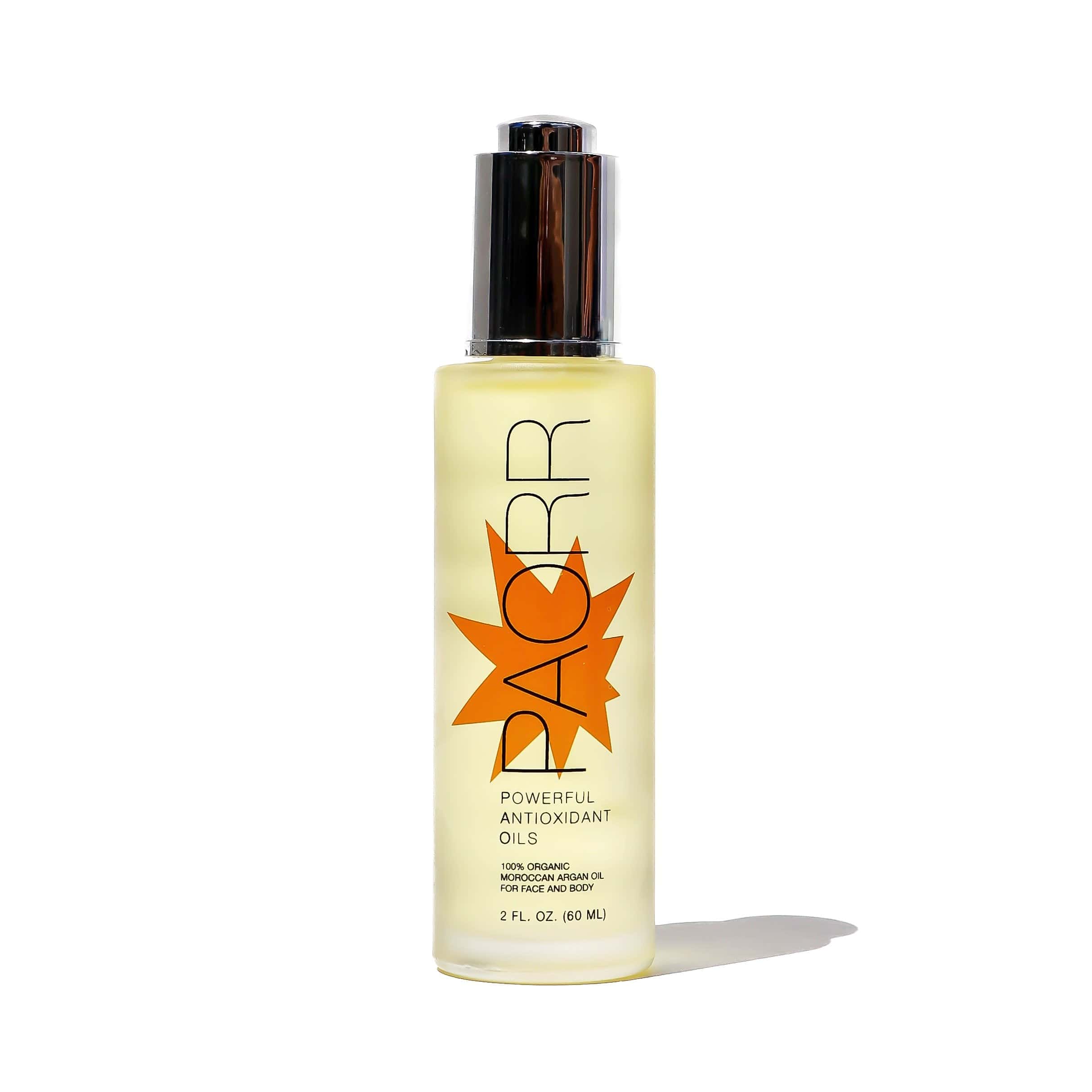
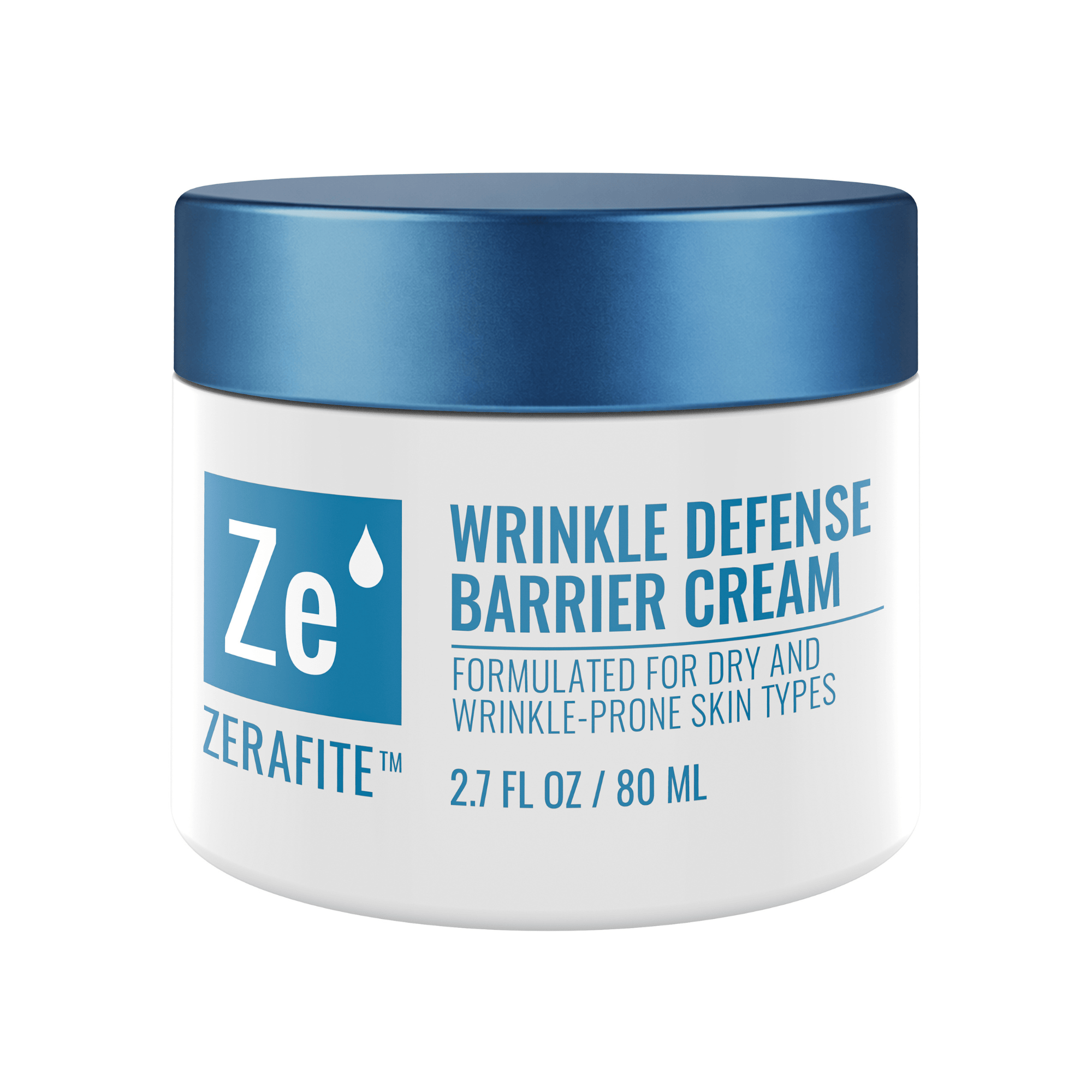
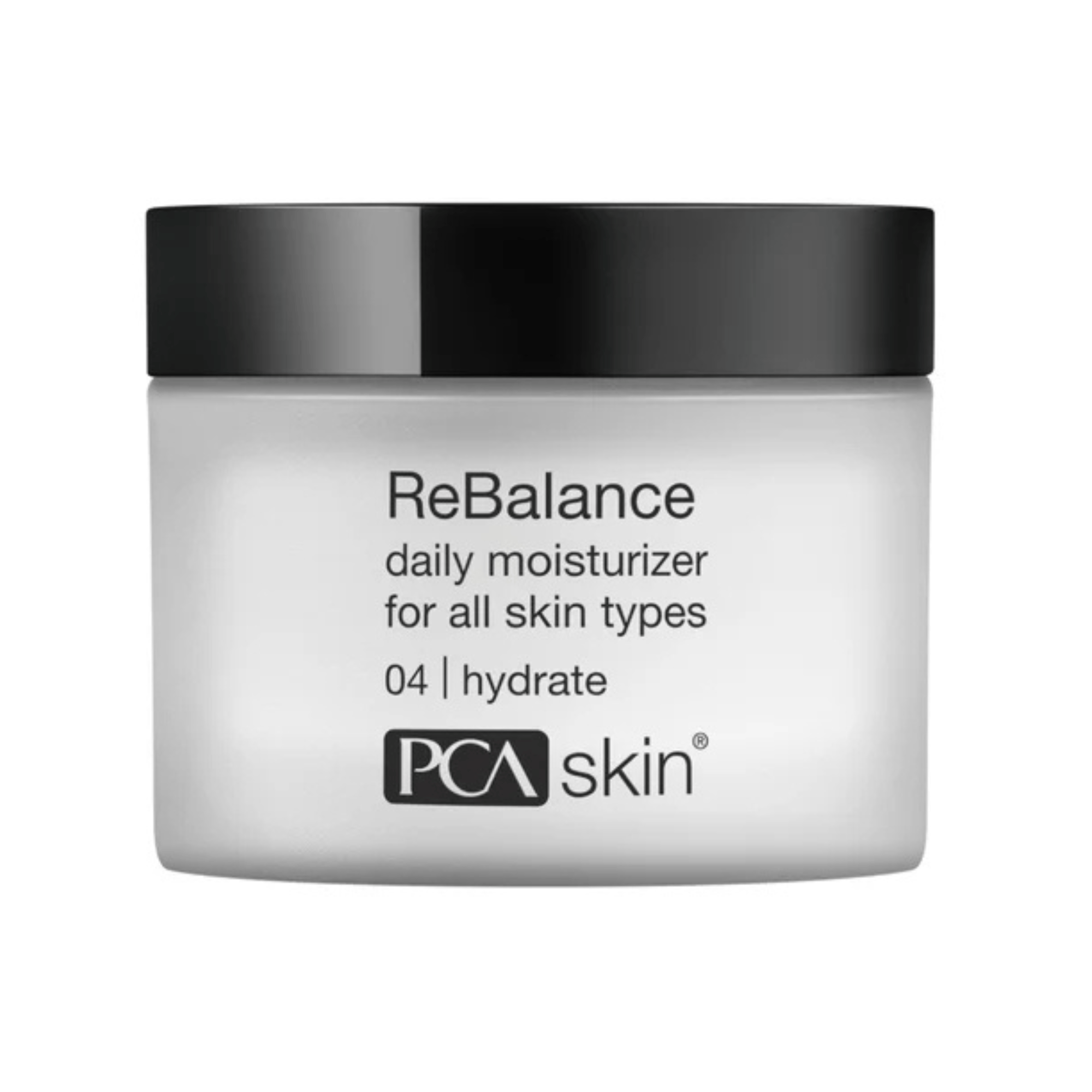
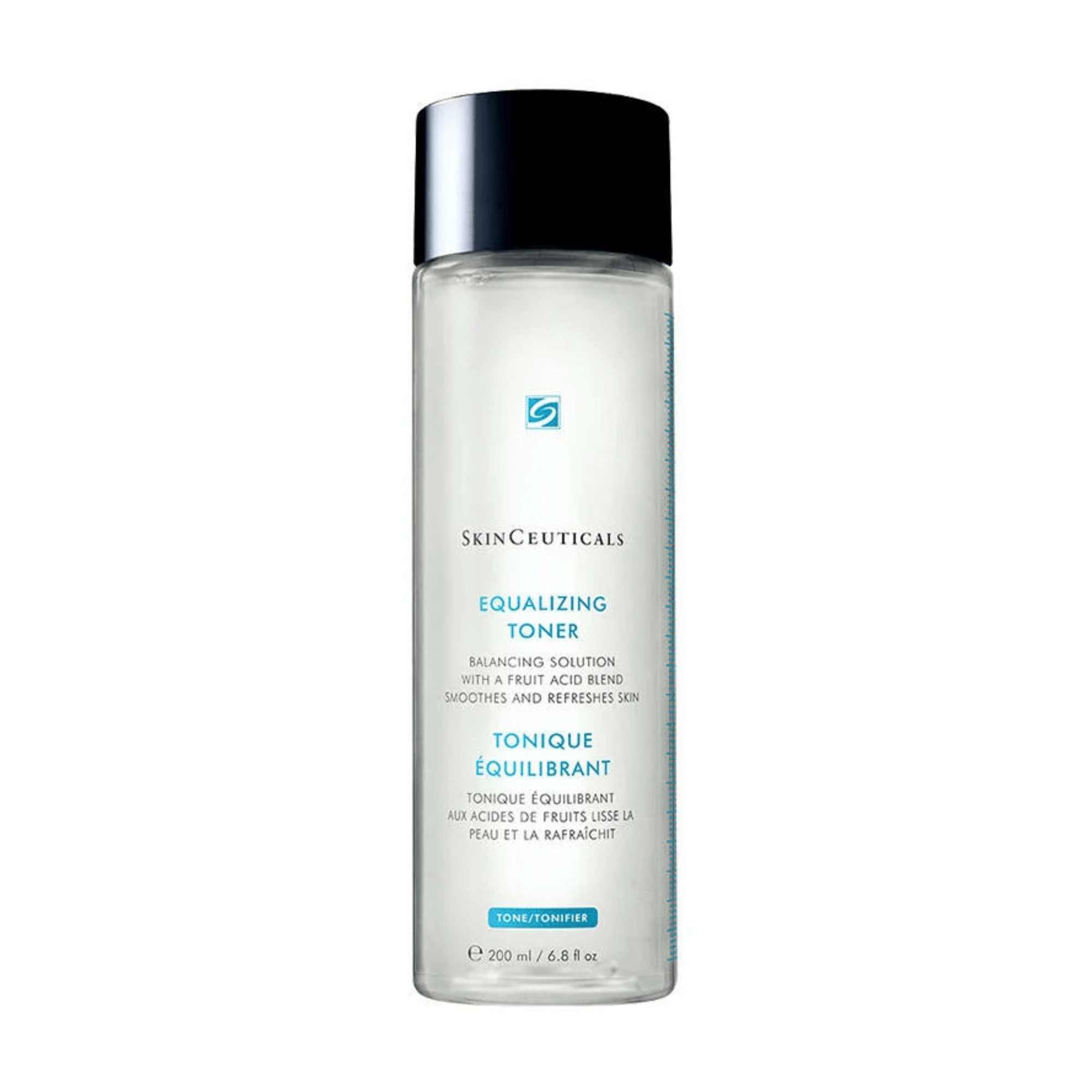
Some of the best options include:
Bottom Line
Your skin's barrier is working around the clock to keep your skin hydrated and protected – but when transepidermal water loss goes unchecked, it sets off a cascade of issues that lead to dryness, dehydration, and inflammation. The good news is that with the right barrier repair cream and skin care and lifestyle adjustments, you can reverse TEWL and achieve hydrated, smooth, comfortable skin.

Dr. Leslie Baumann MD, FAAD
Is transepidermal water loss the same as sweating?
No. Sweating is an active process controlled by sweat glands that helps to regulate body temperature. TEWL, on the other hand, is a passive process – water simply diffuses through the skin and evaporates. It happens continuously, even when you’re not hot or exercising.
What’s the best skin care for TEWL?
The best skin care for TEWL includes a barrier repair moisturizer that contains ceramides, cholesterol, and fatty acids in balanced proportions and ideally exhibits a lamellar structure.
How long does it take to reverse dehydrated skin?
With consistent use of barrier repair products, you should start to notice an improvement in as little as 1 to 2 weeks. Full restoration of the lamellar lipid structure can take 4 to 8 weeks, depending on the extent of barrier damage.
Best References and Scientific Publications on Transepidermal Water Loss
- Baumann L. Dry Skin in Ch. 12 of Baumann's Cosmetic Dermatology Ed 3. (McGraw Hill 2022)
- Baumann, L. Chapters 19-21 Cosmeceuticals and Cosmetic Ingredients (McGraw Hill 2015)
- Akdeniz, M., Gabriel, S., Lichterfeld‐Kottner, A., Blume‐Peytavi, U., & Kottner, J. (2018). Transepidermal water loss in healthy adults: a systematic review and meta‐analysis update. British Journal of Dermatology, 179(5), 1049-1055.
- Machado, M., Salgado, T. M., Hadgraft, J., & Lane, M. E. (2010). The relationship between transepidermal water loss and skin permeability. International journal of pharmaceutics, 384(1-2), 73-77.
- Green, M., Kashetsky, N., Feschuk, A., & Maibach, H. I. (2022). Transepidermal water loss (TEWL): Environment and pollution—A systematic review. Skin health and disease, 2(2), ski2-104.
- Klotz, T., Ibrahim, A., Maddern, G., Caplash, Y., & Wagstaff, M. (2022). Devices measuring transepidermal water loss: A systematic review of measurement properties. Skin Research and Technology, 28(4), 497-539.
- Distante, F., & Berardesca, E. (2020). Transepidermal water loss. In Bioengineering of the Skin (pp. 1-4). CRC Press.


