








SPF vs. UPF: What’s the Difference?
There are several ways to shield your skin from the sun’s harmful UV rays, with sunscreen and UV-protecting clothing two of the most effective. When shopping for these products, you will come across two different rating systems: SPF, or sun protection factor, and UPF, or ultraviolet protection factor.
So which is better: SPF vs. UPF? While these both explain the level of sun protection that the product offers, there are some key differences between them you should know so you can choose the best products for your skin’s needs.
SPF is the rating system for sunscreen.
UPF is the rating system for sun-protective clothing.
Use a combination of both for the best sun protection.

What Is Sun Protection Factor (SPF)?
SPF is the rating system used for sunscreens. It measures how much energy it takes for UVB rays to redden your skin when using the product compared to unprotected skin. It is important to note that SPF only measures UVB exposure and not UVA exposure.
For example, if your skin would normally start to burn after 10 minutes in the sun, using SPF 30 theoretically allows you to stay in the sun 30 times longer, or 300 minutes (5 hours) without burning. However, it is recommended that you reapply SPF at least every 2 hours when outside because these measurements are taken in ideal laboratory conditions. Factors like sweating, swimming, and how much sunscreen was applied all affect how long SPF will last in real-life situations.
Read more about how SPF is measured and rated in our dedicated blog explaining what SPF means.

What Is Ultraviolet Protection Factor (UPF)?
UPF is the rating system used for fabrics and clothing. It measures how much both UVA and UVB radiation a fabric blocks from reaching your skin.
While most people assume regular clothes provide good sun protection, that’s not always the case. A standard white cotton t-shirt, for example, offers a UPF of around 5, meaning 20% of UV rays can still pass through. Lightweight fabrics like linen or gauze offer even less UV protection.
UPF-rated clothing, on the other hand, is specially engineered, either by tighter weaving, chemical treatment, or using special dyes, to absorb or block a much greater portion of UV radiation.
UPF Ratings Explained
So what is a good UPF rating? Similar to SPF ratings, you want a fabric with at least UPF 15, but higher UPFs can be better.
UPF 15 to 20 : Good protection; blocks 93.3–95.9% of UV radiation
UPF 25 to 35 : Very good protection; blocks 96–97.4%
UPF 40 to 50+ : Excellent protection; blocks 97.5–99%
To put it in perspective, UPF 50 fabric allows only 1/50th (2%) of UV rays to penetrate, which is similar to wearing an SPF 50 sunscreen. However, unlike sunscreen, UPF clothing doesn’t wash off or need to be reapplied.

UVA vs. UVB Rays
Both UVA and UVB rays can damage your skin, but they do so in different ways. UVA rays are longer than UVB rays and can penetrate deeper into the skin and contribute to premature skin aging. UVA rays can also penetrate glass, which is why it is important to still wear SPF if you are working indoors next to a window or driving in your car.
UVB rays are shorter, though more intense than UVA rays, which is why they are more strongly linked to the development of skin cancer (3).
Although SPF ratings only measure protection against UVB rays, sunscreens labeled “broad-spectrum” contain ingredients that are shown to protect against both UVA and UVB rays. Zinc oxide and titanium dioxide, for example, are common ingredients found in physical sunscreens and provide coverage against both UVA and UVB radiation.
Broad-Spectrum SPFs
There are many good-quality broad-spectrum SPF products out there to choose from. Pick a sunscreen that feels good on your skin so you will want to use it every day. This is why knowing your skin type and making sure your sunscreen is a good match for that type is so important.
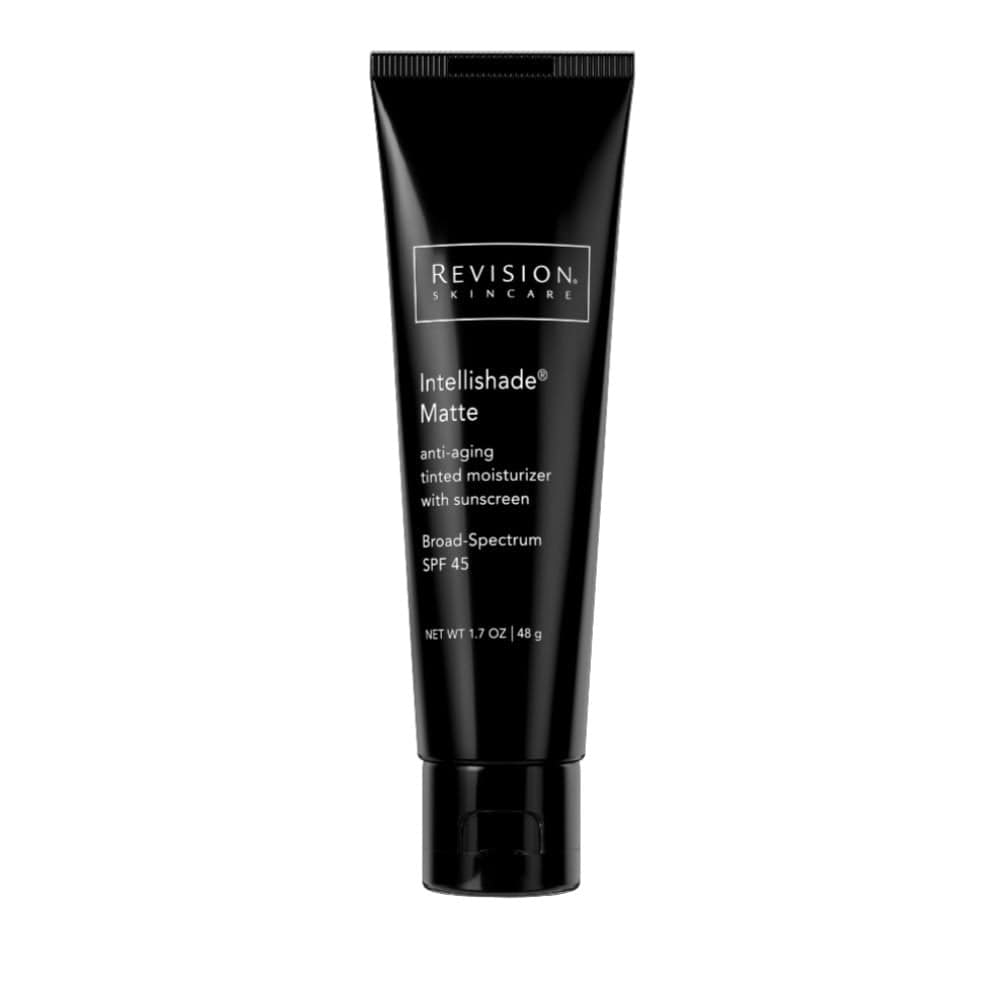
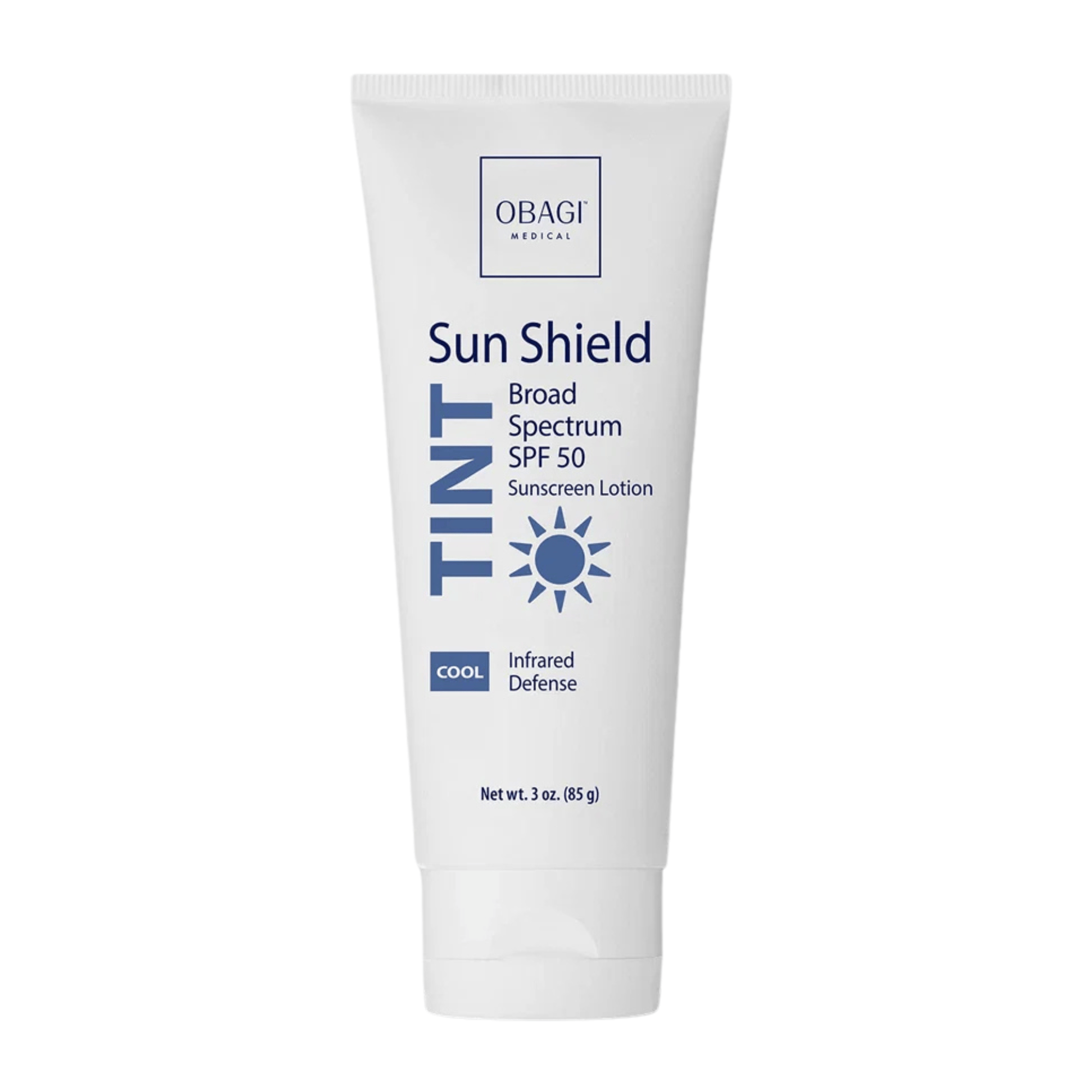
Some of our favorite SPF products include:
Where to Find UPF Clothing
UPF clothing has become increasingly popular in recent years. There are now a variety of brands that make UV-protective clothing in a variety of flatting styles. A few popular brands include Coolibar, Patagonia, and Solbari.
Although it might not seem like it, this clothing is often very cool while still keeping your skin protected from the sun, as it is designed specifically for this purpose. If you do not want to wear long sleeves or long pants, you can also find wide-brimmed UPF hats and coverups to get extra sun protection while still looking stylish and feeling comfortable.
Bottom Line: Is SPF or UPF Better?
SPF, or sun protection factor, is the rating used for sunscreen, while UPF, or ultraviolet protection factor, is the rating used for clothing and fabrics – so neither one is better or worse than the other. They are best used in combination with each other, especially for people with a history of skin cancer or who have recently had a skin treatment like laser resurfacing or laser hair removal.
The bottom line is that you should apply SPF every day to keep your skin healthy, then add UPF clothing if you will be outside all day or if your skin is particularly at risk.

Dr. Leslie Baumann MD, FAAD
Do you need to wear sunscreen under UPF clothing?
If you are wearing high-UPF clothing, you should not have to keep applying sunscreen underneath it. However, you do need to wear sunscreen on any exposed areas that are not completely covered by UPF clothing, such as your face, hands, and neck.
If you’ve recently had a cosmetic treatment or have a history of skin cancer, you may want to double up on protection, even under clothing.
How can you tell if clothing is UPF?
Look for a tag or label that says UPF 30, 50, or 50+. Some brands are certified by third parties like the Skin Cancer Foundation. If there’s no rating listed, you can assume the garment has minimal protection.
What color of shirt is best in the sun?
Darker and brighter colors tend to absorb more UV rays than light-colored fabrics. Dense, synthetic fabrics generally offer more protection than lightweight, loosely woven ones. A black polyester shirt, for example, will block more UV than a white cotton t-shirt. Still, unless you are wearing UPF-rated clothing, do not assume that regular clothes will protect your skin from sun damage.
Best References and Scientific Publications on SPF vs. UPF
- Baumann L., Weisberg, E. Sunscreen in Ch. 46 of Baumann's Cosmetic Dermatology Ed 3. (McGraw Hill 2022)
- Baumann, L. Cosmeceuticals and Cosmetic Ingredients (McGraw Hill 2015)
- de Gruijl FR. Photocarcinogenesis: UVA vs UVB. Methods Enzymol. 2000;319:359-66. doi: 10.1016/s0076-6879(00)19035-4. PMID: 10907526.
- Stanford, D. G., & Georgouras, K. E. (1996). Sun protection: SPF versus UPF. Medical Journal of Australia, 164(4), 253-254.
- Gambichler, T., Hatch, K. L., Avermaete, A., Bader, A., Herde, M., Altmeyer, P., & Hoffmann, K. (2002). Ultraviolet protection factor of fabrics: comparison of laboratory and field‐based measurements. Photodermatology, Photoimmunology & Photomedicine, 18(3), 135-140.
- Algaba, I., Riva, A., & Crews, P. C. (2004). Influence of Fiber Type and Fabric Porosity on the UPF of Summer Fabrics. AATCC review, 4(2).


