








My Skin Care Products Changed Color – Can I Still Use Them?
When shopping for new skin care products or reaching for an old product that has been in a drawer or on a shelf for a while, paying attention to its color and texture can tell you a lot about whether or not it may be expired. Serums often turn a brownish color when exposed to heat, light or air, while many moisturizers that can contain fatty acids separate or develop an off-putting smell.
Here, we break down why your skin care products changed color or texture and how to know whether they are safe to keep using or when it’s time to toss them out and replace with new products.
Skin care products might change in color, texture, or smell when their ingredients are breaking down or if bacteria, mold, or yeast are growing.
Prolong shelf life by storing skin care in cool, dark, and dry areas.
Replace skin care products that have an off color, texture, or odor.

What Causes Changed Skin Care Color?
There are many factors that can cause color or texture changes to skin care products:
- Oxidation. Certain ingredients, such as vitamin C, retinol, and some plant extracts, are prone to oxidation when exposed to air or light. This can cause them to darken in color or become less effective. Oxidation doesn’t always make the product harmful, but it can reduce its effectiveness.
- Rancid fatty acids. This is another common cause of color changes to skin care products. When fatty acids break down and go bad, they can cause the product to darken and often produce an unpleasant smell. This is an indication that the product is no longer usable and you should replace it.
- Preservative breakdown. Preservatives are added to skin care products to inhibit microbial growth. Over time, especially if the product isn’t stored properly or is exposed to air, preservatives can become less effective, increasing the risk of bacterial or fungal contamination. If this occurs, you may notice changes in the color, texture, or smell of your products. In some cases, you will be able to visibly see mold growing inside of skin care bottles and jars.
- Ingredient separation. Emulsions, which are combinations of oil and water, can separate over time, especially if the formula doesn’t contain strong stabilizers. While mild separation can be normal and resolved by shaking the bottle, noticeable texture changes like clumping or graininess can be a sign that the active ingredients have degraded and the product is no longer effective.

How to Know When Skin Care Is Expired
In most cases, if a skin care product has changed in color, texture, or smell, this is a sign that its active ingredients have broken down and it’s time to replace them.
- Color changes. Some ingredients, like vitamin C, are known to turn a dark brown color when oxidation occurs. However, other ingredients like green tea extract are naturally a dark brown color, so it is important to know what the product looked like when it was first opened to determine if the color has changed.
- Texture changes. If a moisturizer or other skin care product has separated or become clumpy, grainy, or watery, this is a sign that it may not be effective anymore.
- Odor changes. A change in scent, especially if it smells rancid, sour, or musty, suggests the product is no longer stable and should be replaced.
- Packaging changes. Bulging, leaking, or hardened packaging can also indicate spoilage and might be an indication that bacteria or fungi have begun to grow.
Can Expired Skin Care Hurt My Skin?
In some cases, using expired skin care won’t necessarily hurt your skin, but the products likely will not be as effective or effective at all, depending on how much the active ingredients have broken down.
However, using expired skin care products can also cause irritation, redness, or breakouts, especially for sensitive skin types. If you are unsure about whether or not a product is still good to use, it is best to toss it out and replace with a new one.
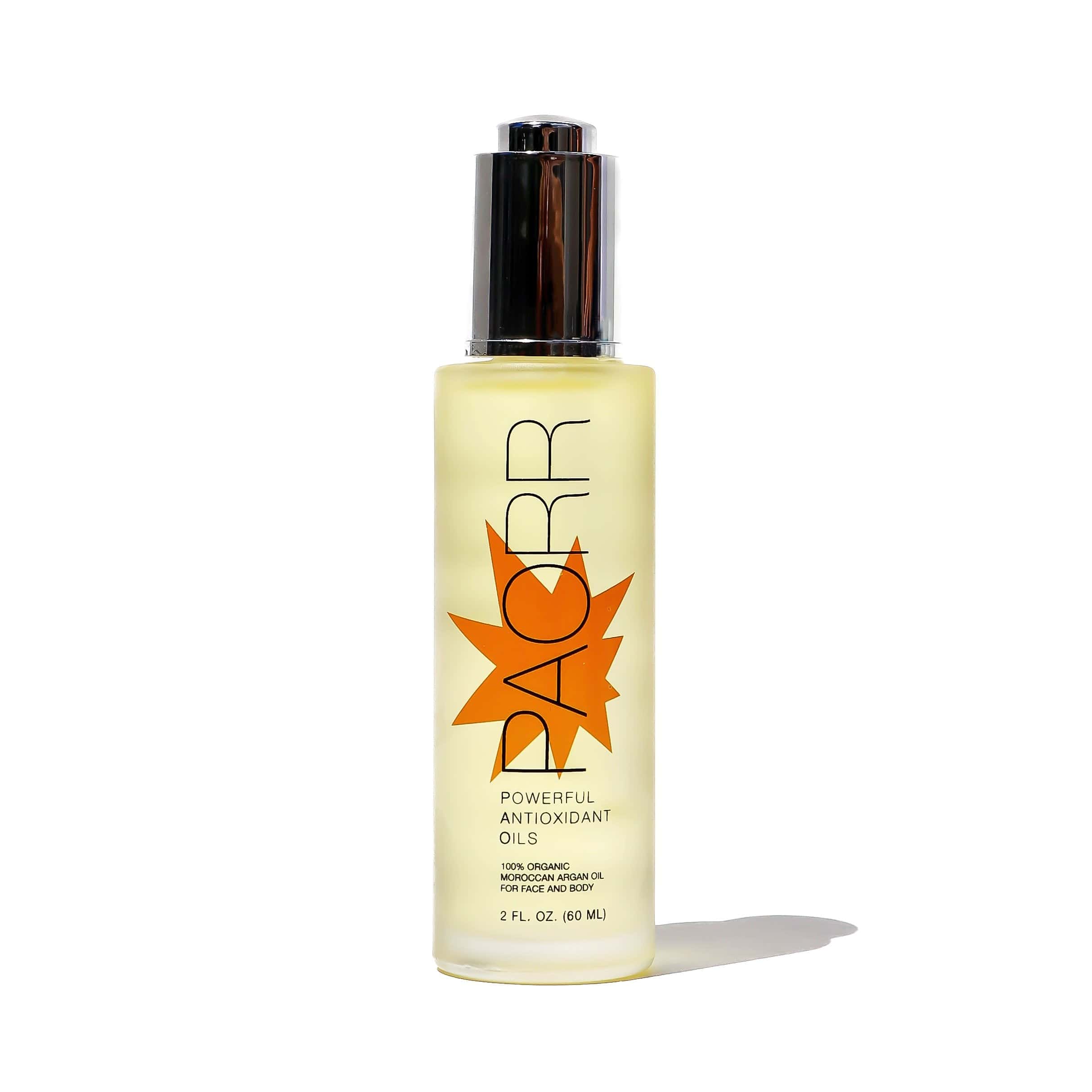
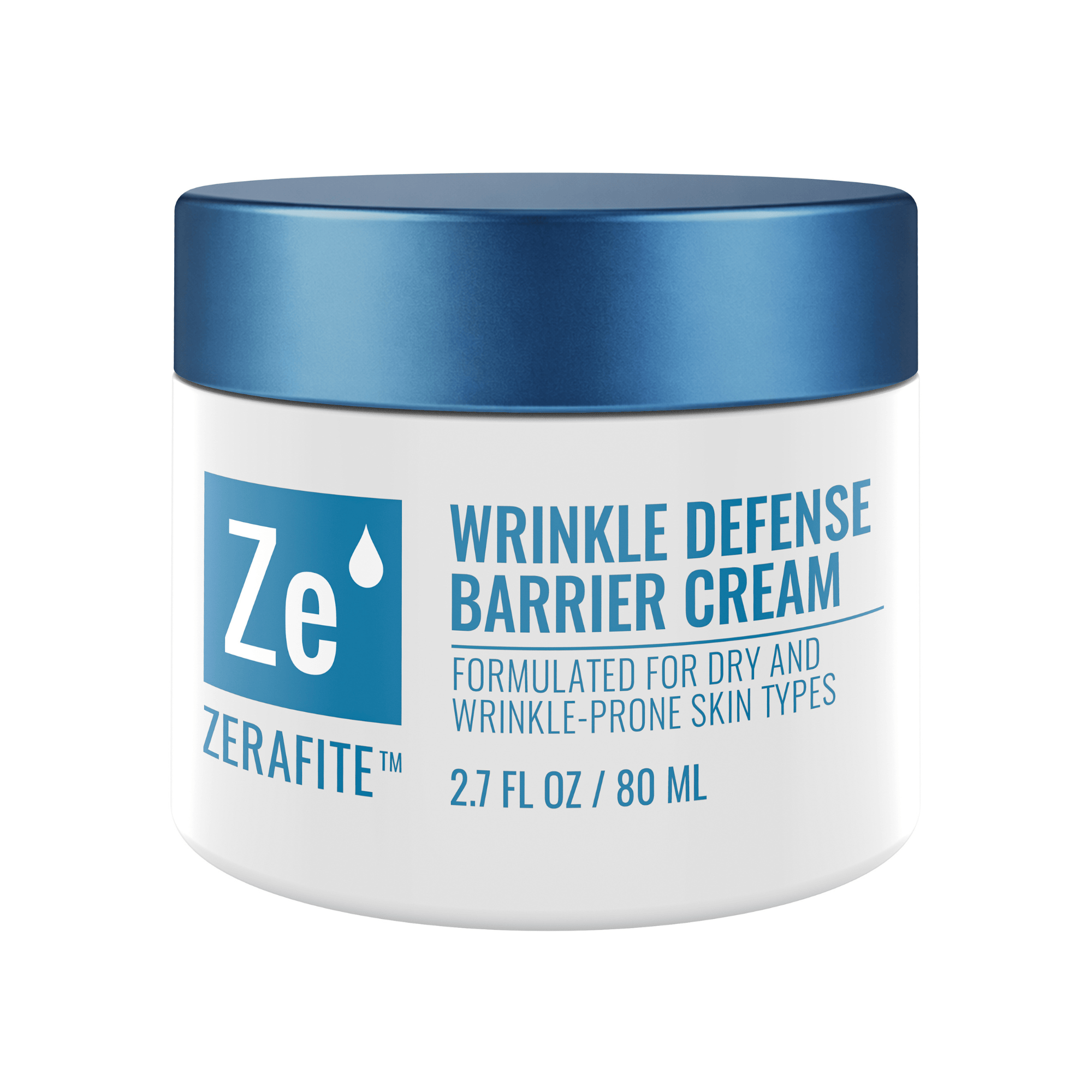
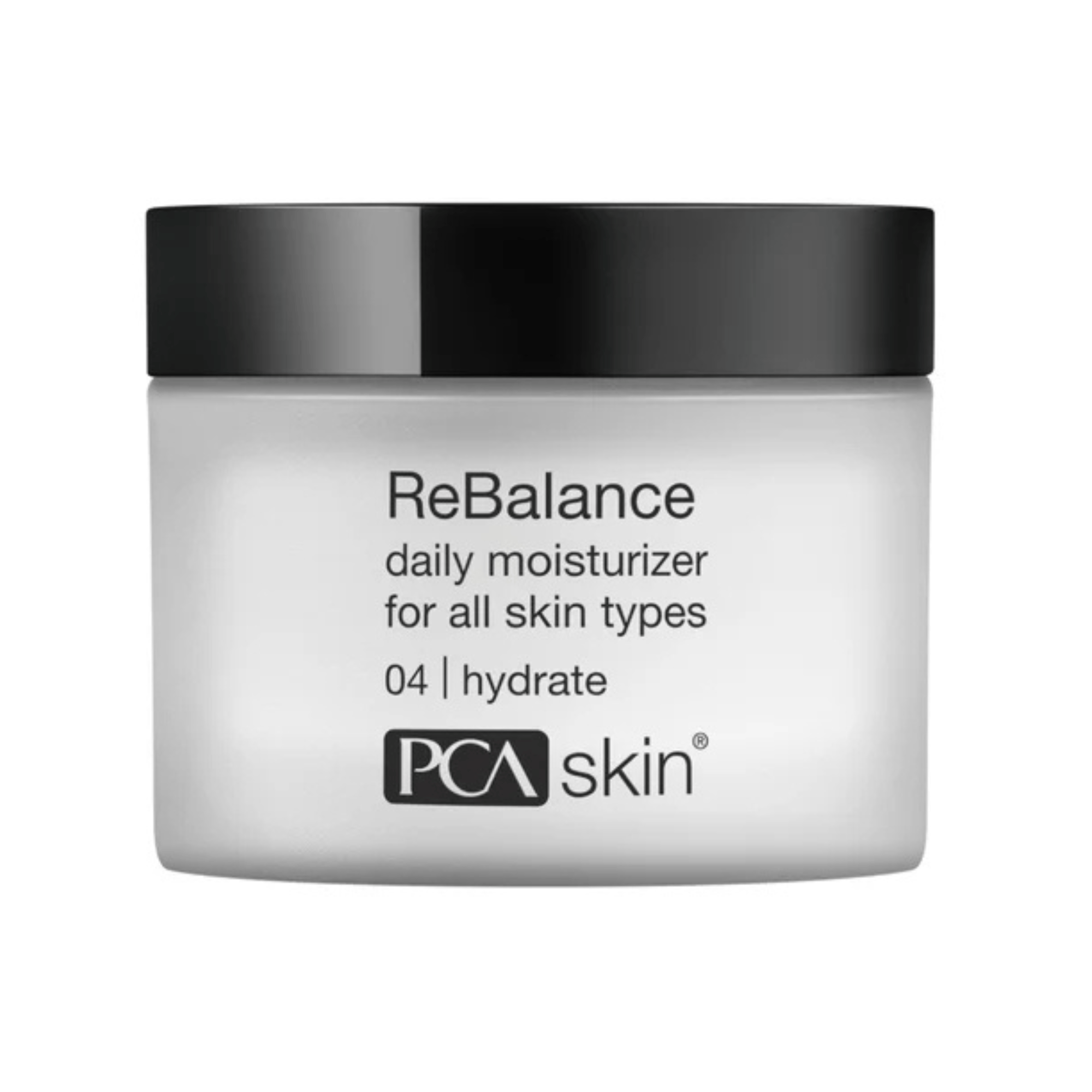
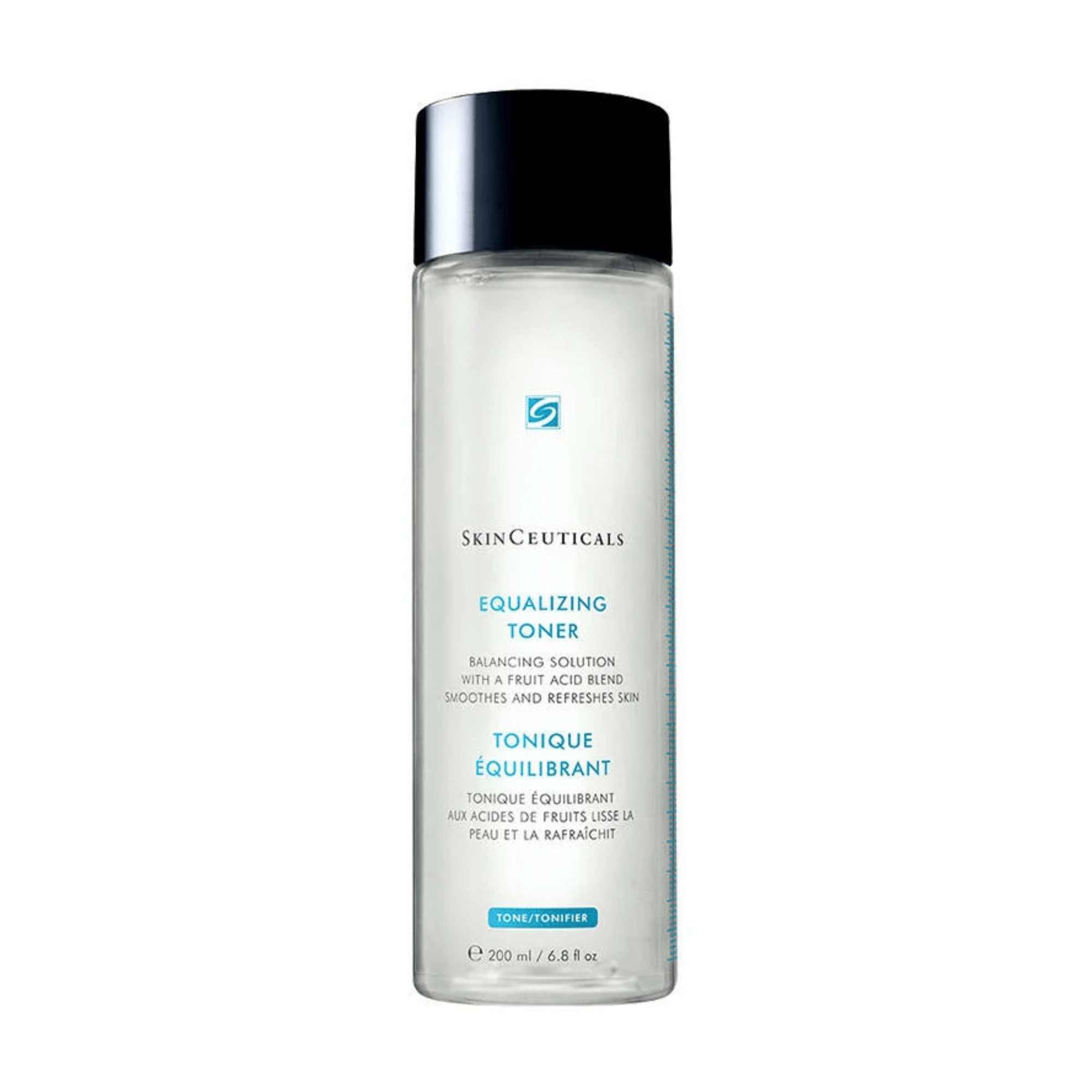
If you are looking for new skin care products like vitamin C, anti-aging serums, and others, here are a few of our favorites:
How to Prevent Color and Texture Changes in Skin Care Products
While there is no way to make skin care last forever, the way you store your products can help to prolong their shelf life. When storing skin care products, keep them:
- Cool. Heat can speed up the breakdown of active ingredients, reducing their effectiveness and shortening the product’s lifespan.
- Dry. Moisture can promote bacterial and fungal growth, especially in preservative-free formulas.
- Away from light. UV exposure can degrade active ingredients like vitamin C and retinol, leading to discoloration and reduced effectiveness.
One common mistake people often make is storing skin care products in the shower or bathroom. While this is convenient, it is a humid environment that can encourage the growth of bacteria or mold and can accelerate the breakdown of active ingredients. Instead, keep skin care products in a cool, dark cabinet away from the shower and windows. Some skin care products can be stored in the refrigerator .

How Long Should Skin Care Last Once Opened?
How long a skin care product will last depends on the type of product and how it is stored. As a general rule of thumb, here is a timeline I typically recommend for replacing various skin care products:
- Moisturizers: Replace 2 months after opening
- Sunscreen: Replace 6 months after opening
- Retinol: Replace 2 months after opening
- Vitamin C: Replace 1 month after opening
- Anti-aging products: Replace 2 months after opening
If you notice signs of changes to the color, texture, or smell of these products before this time, you may need to replace your products sooner. Be sure to store them in a cool, dark, and dry area to help opened skin care products last longer.
Bottom Line
Changes in the color or texture of your skin care products can be a sign of oxidation, ingredient breakdown, or bacterial growth. If you are unsure about whether or not a product is still good to use, it is best to simply replace it, as expired or rancid skin care products can be ineffective and may lead to skin irritation or breakouts, especially for sensitive skin types.

Dr. Leslie Baumann MD, FAAD
My moisturizer separated. Can I still use it?
If the separation is mild and the smell and texture are otherwise normal, you may be able to mix it back together. However, if it’s clumpy, smells off, or has been over two months since you’ve opened it, it’s best to get a new one.
Do natural or organic products go bad faster?
They can if they don’t use preservatives or use weaker forms of preservatives than traditional skin care products.
Is it safe to use discolored skin care products?
Discoloration can indicate oxidation or degradation. While it may not always be harmful, the product may no longer be effective and could cause irritation. When in doubt, replace the product.
Best References and Scientific Publications on Skin Care Degradation
- Baumann L. Antiaging Ingredients in Ch. 37 of Baumann's Cosmetic Dermatology Ed 3. (McGraw Hill 2022)
- Baumann, L. Ch. Cosmeceuticals and Cosmetic Ingredients (McGraw Hill 2015)
- Matamoros, V., Jover, E., & Bayona, J. M. (2009). Advances in the determination of degradation intermediates of personal care products in environmental matrixes: a review. Analytical and bioanalytical chemistry, 393(3), 847-860.
- White, J. M., de Groot, A. C., & White, I. R. (2010). Cosmetics and skin care products. In Contact dermatitis (pp. 591-605). Berlin, Heidelberg: Springer Berlin Heidelberg.
- Barooah, B., Sharma, K., & Kaushik, G. (2023). Role of microbial enzymes in degradation of personal care products present in environmental matrices. Microbial Degradation and Detoxification of Pollutants, 2, 21.
- Guidoni, M., de Christo Scherer, M. M., Figueira, M. M., Schmitt, E. F. P., De Almeida, L. C., Scherer, R., ... & Fronza, M. (2019). Fatty acid composition of vegetable oil blend and in vitro effects of pharmacotherapeutical skin care applications. Brazilian Journal of Medical and Biological Research, 52, e8209.


