








Can You Mix Foundation or Tinted Moisturizer with Sunscreen?
Because some sunscreen formulations, particularly mineral-based sunscreens, can leave a white tint or film on the skin, many people have questions about mixing foundation or tinted moisturizer with sunscreen. While this might sound like an easy way to even out your skin tone and customize the color of your SPF, it can negatively affect the SPF coverage that you are getting.
In general, you should not mix makeup or moisturizer with sunscreen. This article breaks down the science behind why that’s not a good idea and what you can do instead to get smooth, even coverage without reducing the SPF of your sunscreen.
Mixing makeup or moisturizer with sunscreen can dilute the SPF.
It can also cause blotchy or uneven coverage.
Instead, choose a tinted SPF or layer foundation on top of sunscreen after it's set.

The Chemistry Behind Mixing Moisturizer with Sunscreen
Sunscreens are carefully formulated and tested to ensure that the UV filters are evenly dispersed and remain stable on the skin. This balance is essential in order for the sunscreen to deliver the protection it claims on the label.
When you mix in another product, such as foundation or tinted moisturizer, however, you interfere with that formulation in several ways:
Mixing can dilute the UV filters, reducing the overall SPF.
The SPF rating becomes unreliable once the sunscreen has been altered.
The resulting mixture may apply unevenly, leaving gaps in protection.
Lipids in the moisturizer can disrupt the sunscreens making them ineffective
This issue is particularly problematic for chemical sunscreens, which have active ingredients that can become unstable much more easily compared to mineral sunscreens. Thus, mixing chemical sunscreens with makeup or skin care products can disrupt UV filter dispersion, leading to uneven protection and faster breakdown.
While mineral sunscreens are generally more stable than chemical sunscreens, they can also become less effective when mixed with makeup or moisturizers. The physical particles, like zinc oxide or titanium dioxide, need to remain evenly spread across the skin to reflect UV light effectively.
Even small additions, such as mixing 20% foundation into your sunscreen, can result in a measurable reduction in protection. For example, a sunscreen labeled SPF 30 may drop to SPF 24 or lower when mixed with other ingredients.

How to Get Rid of a White Tint
If you’re trying to avoid the white cast that some mineral sunscreens can leave behind, there are better ways to do it than mixing in foundation or moisturizer.
Layering
An easy approach to covering the white tint left behind after applying sunscreen is to let the sunscreen fully dry before layering the foundation on top. Wait at least 5 minutes after applying your sunscreen to layer the makeup on top. If you do not let the sunscreen dry or set on your skin first, applying makeup directly on top can dilute the SPF.
SPF Setting Sprays or Powders
If you are worried about your sunscreen making your skin look oily or shiny, you can apply an SPF setting powder or spray over top of your sunscreen. However, these products cannot be used in place of your regular sunscreen – they will not give you the coverage you need to keep your skin protected.
As with foundation, you will need to wait until the sunscreen has fully set on your skin before applying these products over top.
Use a Tinted Sunscreen
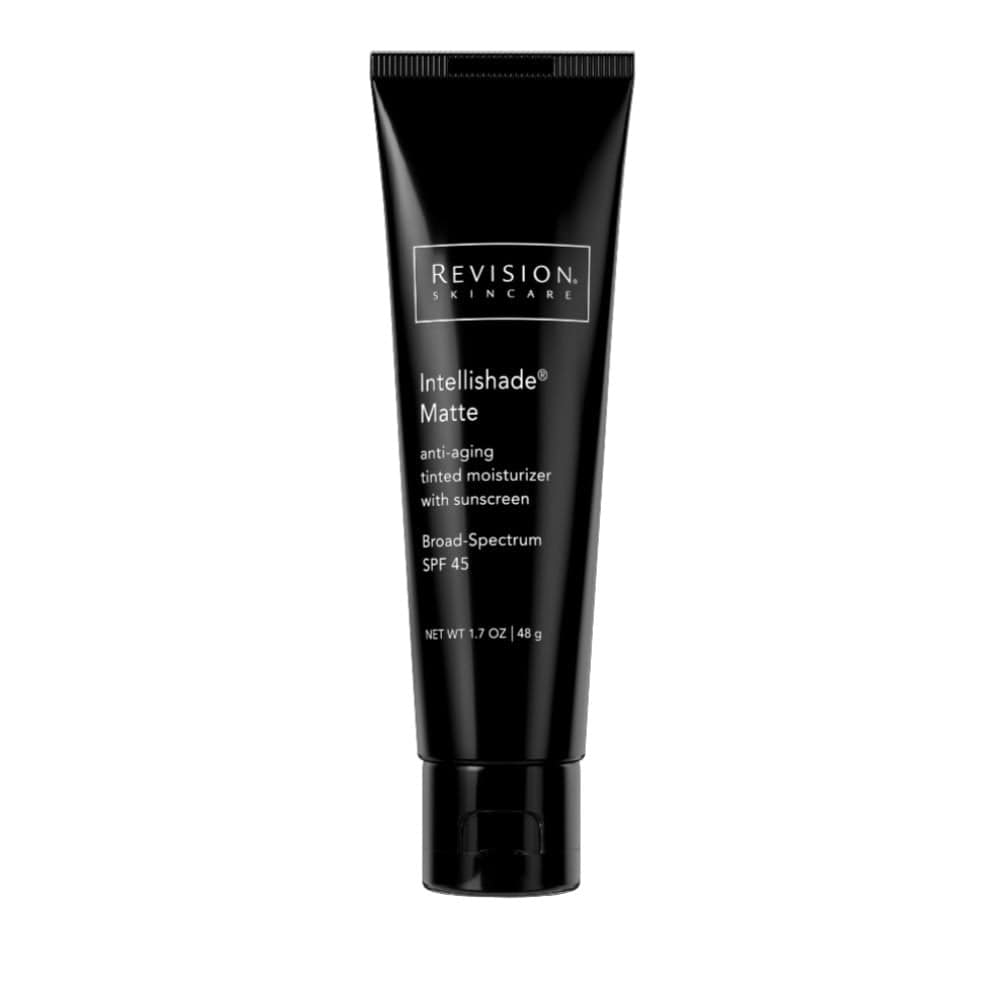
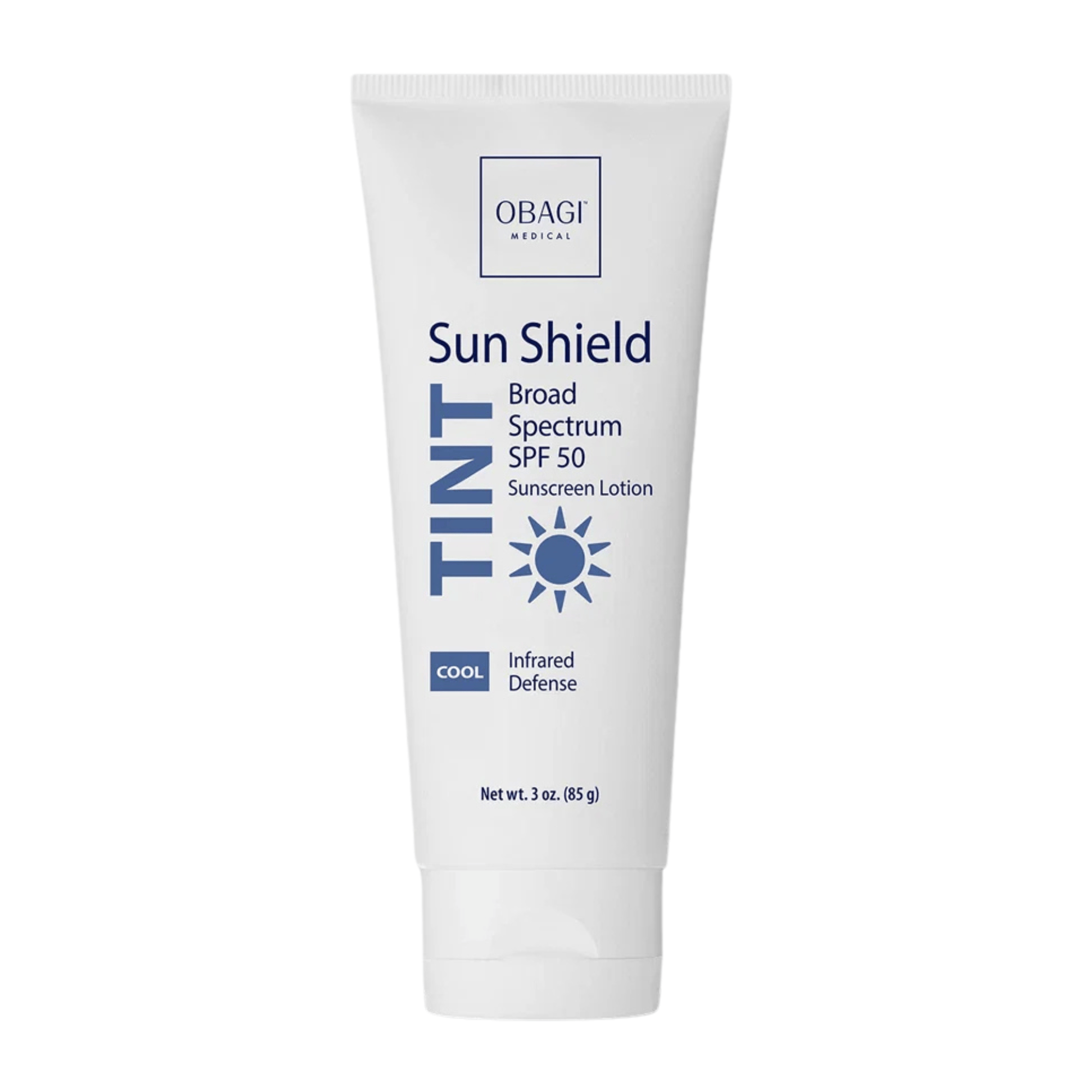
There are many great tinted mineral sunscreens that are already formulated with a colored tint. These typically blend nicely into the skin and do not show white streaks or tints. Because tinted sunscreens have been specifically formulated to include a tint, the SPF listed on the bottle is accurate and you do not have to worry about it being diluted.
Best Tinted Sunscreens
The best tinted sunscreen depends on your skin type and personal preferences. A few of our favorites include:
What About SPF Makeup?
Many people ask if it is okay to use an SPF foundation or other makeup product in place of sunscreen. Do not rely on SPF makeup alone, as it will not give you adequate SPF. One downside to SPF makeup is that you would need to apply much more product than most people do in order to achieve the SPF listed on the package. So while SPF makeup can be good additional sun protection, especially on delicate areas like your eyelids, it should not be used in place of standalone sunscreen.
Bottom Line
It is best not to mix makeup or other skin care products directly with sunscreen because this alters the formulation and can decrease the overall SPF and create blotchy coverage. Instead, try a tinted mineral sunscreen or layer foundation over top of sunscreen once it has dried on your skin.
If you are having trouble finding a tinted sunscreen that feels good on your skin, make sure you are choosing one that is a match for your skin type.

Dr. Leslie Baumann MD, FAAD
Will mixing foundation or moisturizer with sunscreen cancel the SPF?
Yes, this can weaken and destabilize the sunscreen, lowering the overall SPF.
Is it okay to mix mineral sunscreen and foundation?
Even though mineral sunscreen is more stable than chemical sunscreen, it is still not ideal to mix foundation with it. This can still make the SPF and even coverage unreliable.
Which do you apply first: moisturizer or sunscreen?
Apply sunscreen as the last step in your skin care routine.
Best References and Scientific Publications on Mixing Moisturizer with Sunscreen
- Baumann L. Sunscreens in Ch. 46 of Baumann's Cosmetic Dermatology Ed 3. (McGraw Hill 2022)
- Baumann, L. Ch. Cosmeceuticals and Cosmetic Ingredients (McGraw Hill 2015)
- Špaglová, M., Čermáková, P., Jackuliaková, P., & Piešťanský, J. (2025). Role of Emulsifiers and SPF Booster in Sunscreen Performance: Assessing SPF, Rheological Behavior, Texture, and Stability. Cosmetics, 12(3), 118.
- Caswell, M. (2001). Sunscreen formulation and testing. Cosmetics and toiletries, 116(9), 49-60.
- Khunkitti, W., Satthanakul, P., Waranuch, N., Pitaksuteepong, T., & Kitikhun, P. (2014). Method for screening sunscreen cream formulations by determination of in vitro SPF and PA values using UV transmission spectroscopy and texture profile analysis. J Cosmet Sci, 65(3), 147-159.


