








Hypopigmentation: What It Is and How to Treat It
Uneven skin tone is a common cosmetic concern for many people. While hyperpigmentation, or dark spots, is often talked about, hypopigmentation, or patches of lighter-colored skin, can also cause uneven skin tone. There are many different causes of hypopigmentation, and knowing the underlying cause is key to understanding how to treat or minimize its appearance. Here, we explain the science behind what hypopigmentation is, why it happens, and what you can do about it.
Characterized by light spots or patches of skin
Happens when melanin production slows or stops
Can be permanent with some genetic conditions
Treatment options include topical creams, ingredients like bergamot oil, aloe and ginger, and sun protection
Table of content

What Is Hypopigmentation?
Hypopigmentation occurs when certain areas of the skin produce less melanin than surrounding skin. Melanin is the pigment responsible for giving the skin its color and is produced by specialized cells called melanocytes located in the basal layer of the epidermis . When melanocytes are damaged, destroyed, or their function is impaired and the affected area produces less melanin, resulting in lighter patches of skin.
Several mechanisms can contribute to hypopigmentation:
Loss of melanocytes: In conditions like vitiligo or after severe skin injuries, the melanocytes themselves are destroyed, leading to permanent depigmentation in those areas.
Impaired melanin synthesis: Even if melanocytes are present, certain factors like inflammation, infection, or chemical exposure can interfere with the biochemical pathways that produce melanin, including the enzyme tyrosinase , which is crucial for converting the amino acid tyrosine into melanin. When this happens, less melanin is produced.
Melanin transfer disruption: Normally, melanocytes transfer melanin to surrounding skin cells, giving the skin its uniform color. If this transfer is disrupted, even fully functioning melanocytes may fail to deliver pigment to the surrounding skin, resulting in lighter patches.
Localized cell damage: Trauma, burns, or aggressive cosmetic procedures can damage melanocytes in a specific area, creating temporarily hypopigmented patches.
Hypopigmented areas can vary in size, shape, and location and may sometimes have a slightly different texture compared to surrounding skin.

Hypopigmentation vs. Hyperpigmentation
Hyperpigmentation is the opposite of hypopigmentation and is caused by an overproduction of melanin, leading to dark spots or patches. Like hypopigmentation, hyperpigmentation can be caused by many different factors, including injury, sun exposure, inflammation, certain medications, and estrogen hormones. Understanding the root cause and type of uneven skin tone is a crucial first step in treating it, as the treatment options for hypopigmentation vs. hyperpigmentation can be very different.
What Causes Hypopigmentation?
Hypopigmentation can have a variety of causes, ranging from genetic factors to environmental and cosmetic triggers.
Skin Injuries
Physical trauma to the skin, such as burns or cuts, can sometimes damage melanocytes, the cells that produce the pigment melanin. When melanocytes are damaged, the affected area may heal with lighter skin than the surrounding tissue. This type of hypopigmentation is often temporary and can improve over time, though severe injuries may leave permanent lighter patches.
Skin Conditions
Certain skin conditions can also cause hypopigmentation. These include:
Tinea versicolor: A fungal infection that can create pale or discolored patches, often on the chest, back, and shoulders.
Psoriasis : Chronic inflammation and rapid skin cell turnover can disrupt pigment production in affected areas.
Eczema : Repeated inflammation and irritation can cause localized hypopigmentation after flare-ups.

Cosmetic Treatments
Some cosmetic treatments can lead to hypopigmentation, especially for sensitive skin types. Treatments that may trigger lighter patches include:
Laser treatments: Certain lasers target pigment but can sometimes reduce melanin in surrounding areas.
Chemical peels: Strong peels can remove pigmented layers unevenly, leading to temporary or permanent light patches.
Dermabrasion: Aggressive exfoliation can damage melanocytes if not performed properly.
Additionally, some skin care ingredients like azelaic acid can temporarily lighten the skin. While this can be beneficial for treating dark spots, overuse or sensitivity may lead to unwanted hypopigmentation.
Genetic Conditions
Genetics can also play a role in hypopigmentation. Some inherited or autoimmune conditions include:
Albinism: A genetic condition resulting in very little or no melanin production in the skin, hair, and eyes.
Vitiligo: An autoimmune condition in which melanocytes are destroyed, leading to patchy depigmentation.
Pityriasis alba: A mild condition often seen in children that causes light patches, usually on the face, which tend to fade with age.
How Is Hypopigmentation Treated?
Treatment options for hypopigmentation depend heavily on the underlying cause. Some mild cases caused by minor skin injuries may respond well to natural remedies and careful sun protection. Ingredients such as bergamot oil, aloe, and ginger may help to support skin healing and reverse skin depigmentation in some situations, though more research is needed (3,4,5).
For more pronounced cases of hypopigmentation and those caused by underlying conditions like vitiligo, your dermatologist might recommend topical creams containing corticosteroids or calcineurin inhibitors. In some cases, light treatments may be recommended to stimulate melanocytes. However, more aggressive laser treatments can make hypopigmentation worse.
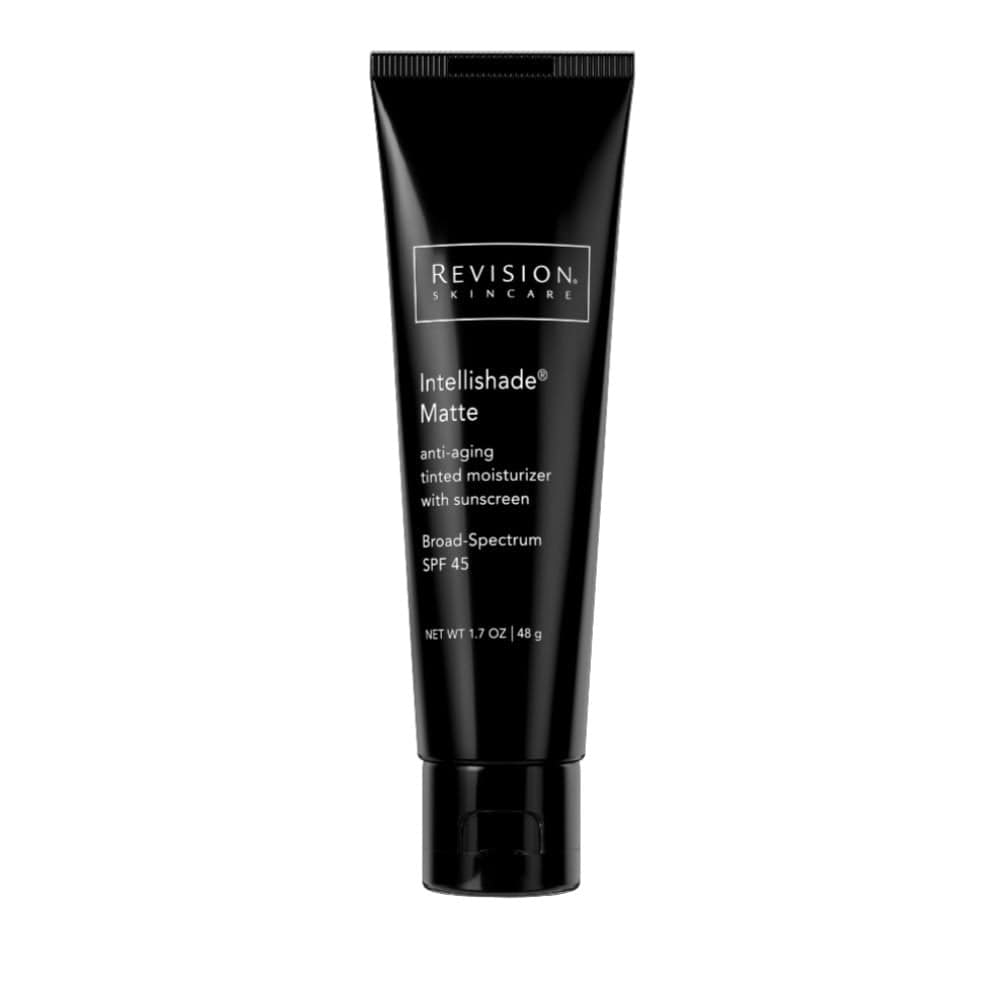
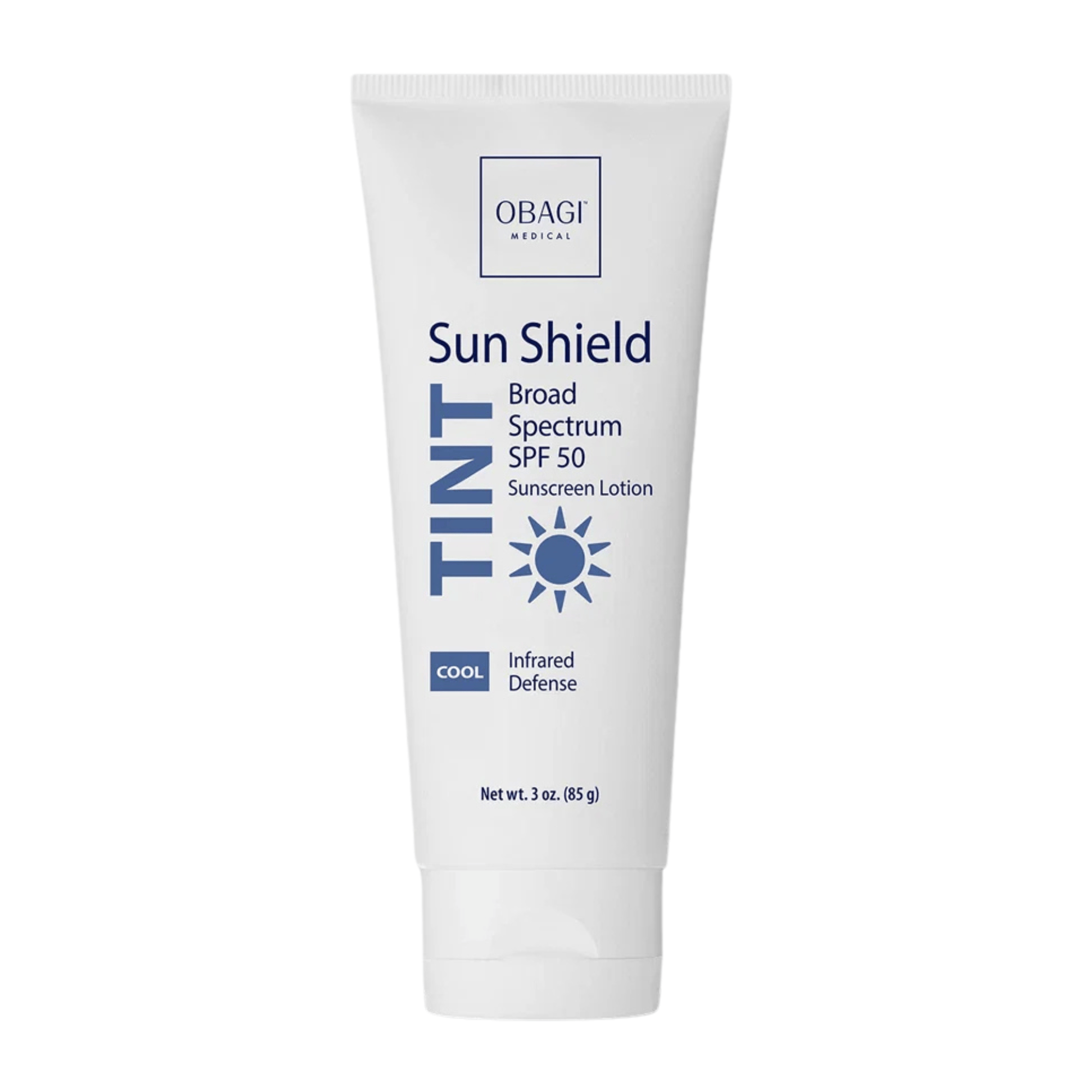
Even when treatment cannot fully restore pigmentation, consistently using sunscreen and avoiding sun exposure when possible can go a long way to help prevent further damage to melanocytes. Some of our favorite sunscreens for sensitive skin include:
Does Vitamin C Help Hypopigmentation?
This is a topic of debate. Some evidence suggests that oral vitamin C may support melanin production and overall skin health by promoting collagen synthesis and protecting against oxidative stress (6). However, topical vitamin C is primarily used to reduce hyperpigmentation and may not significantly improve hypopigmented areas.
Bottom Line
Hypopigmentation is a common skin concern that results from decreased melanin production, causing light spots or patches of skin. In some cases, hypopigmentation will gradually improve on its own, while in others, such as with certain autoimmune conditions, there is no complete cure. In either case, sun protection is crucial for managing hypopigmentation, both for preventing further lightening and protecting sensitive skin.
If you are having trouble finding a sunscreen that feels good for your skin, take the skin type quiz first to match the best sunscreen for your skin type.

Dr. Leslie Baumann MD, FAAD
Is hypopigmentation permanent?
It depends on the cause. Hypopigmentation from minor skin injuries or temporary conditions may resolve over time, while cases related to genetic conditions like vitiligo or albinism are often permanent.
Does hydrocortisone help hypopigmentation?
Hydrocortisone can help when hypopigmentation is linked to inflammation or certain skin conditions, such as eczema. It does not restore pigment in areas caused by genetic conditions or melanocyte loss.
Are there home remedies for hypopigmentation?
Some natural remedies like aloe, ginger, and bergamot oil may help to even out mild, temporary cases of hypopigmentation, although persistent cases often require prescription creams or other treatment options.
Best References and Scientific Publications on Hypopigmentation
- Baumann L. Antiaging Ingredients in Ch. 37 of Baumann's Cosmetic Dermatology Ed 3. (McGraw Hill 2022)
- Baumann, L. Ch. Cosmeceuticals and cosmetic Ingredients (McGraw Hill 2015)
- Sharifi-Rad, J., Butnariu, M., Calina, D., & Cho, W. C. (2022). Pharmacological Properties of Bergapten: Mechanistic and Therapeutic Aspects.
- Hussain, I. (2021). The safety of medicinal plants used in the treatment of vitiligo and hypermelanosis: a systematic review of use and reports of harm. Clinical, cosmetic and investigational dermatology, 261-284.
- Park, S. J., Lee, M., Yun, J. M., Kim, D., Lee, J., & Lee, Y. H. (2021). Zingiber mioga extract improves moisturization and depigmentation of skin and reduces wrinkle formation in uvb-irradiated hrm-2 hairless mice. Applied sciences, 11(3), 976.
- Eltayef, E. M., & Nasif, Z. N. (2025). A Comprehensive Review of Vitamin C in Autoimmune Skin Disease Management. Academia Open, 10(1), 10-21070.


