








Cuticle Oil: Benefits & How to Use It
If you deal with dry, peeling cuticles, hangnails, or nails that just won’t grow past a certain length, cuticle oil may be able to help by supporting the skin barrier and creating the conditions needed for strong, healthy nail growth. Here, we explain what cuticle oil is, which ingredients to look for, and how to use it for best results.
Cuticle oil protects and repairs the cuticle seal, supporting healthier nail growth.
Cuticle oil works best when used daily, especially after washing hands or using hand sanitizer.
Jojoba, argan, sweet almond, and safflower oils are some of the best oils for cuticle oil.

What Is Cuticle Oil?
Cuticle oil is a blend of plant-based oils and sometimes vitamins and other ingredients designed to hydrate and protect the cuticle and surrounding nail folds. The cuticle itself is living skin that seals the area between your nail plate and the surrounding skin, helping to keep bacteria, fungi, and irritants out of the nail matrix, which contains specialized cells at the base of your nails that are responsible for producing new cells that will harden and become new nail growth.
When cuticles become dry or damaged, that seal weakens and can hinder nail growth. Cuticle oils can help by strengthening the lipid barrier of the cuticle so that it can properly form a seal to protect the underlying cells.
Common Ingredients in Cuticle Oil
Some of the most common ingredients found in cuticle oil products include:
Jojoba oil is structurally similar to human sebum, allowing it to absorb easily and soften cuticles without feeling greasy.
Argan oil is rich in oleic and linoleic acids and helps to repair the skin barrier and improve cuticle flexibility.
Sweet almond oil is lightweight and noncomedogenic, making it a good option for sensitive skin.
Coconut oil is high in saturated fatty acids, especially lauric acid, which has natural antimicrobial properties. Coconut oil forms a protective barrier on the skin, though it tends to sit more on the surface compared to lighter oils like jojoba.
Safflower oil is lightweight and high in linoleic acid, which helps to strengthen the skin barrier and reduce moisture loss.
Grapeseed oil is fast-absorbing and high in linoleic acid, making it helpful for strengthening a compromised skin barrier.
Shea oil contains stearic and oleic fatty acids that nourish and protect the cuticle area.
Vitamin E (tocopherol) provides both hydration and antioxidant protection.
Essential oils (optional), such as lavender or tea tree, are often added to cuticle oils mainly for scent or mild antimicrobial benefits.
Types of Cuticle Oil
Most cuticle oils are blended formulas that combine one or more oils with other ingredients to provide hydration, barrier repair, and other benefits simultaneously. However, you can also purchase single-ingredient oils such as jojoba or argan oil and apply them to cuticles to benefit from the hydrating and barrier repair properties of these oils.
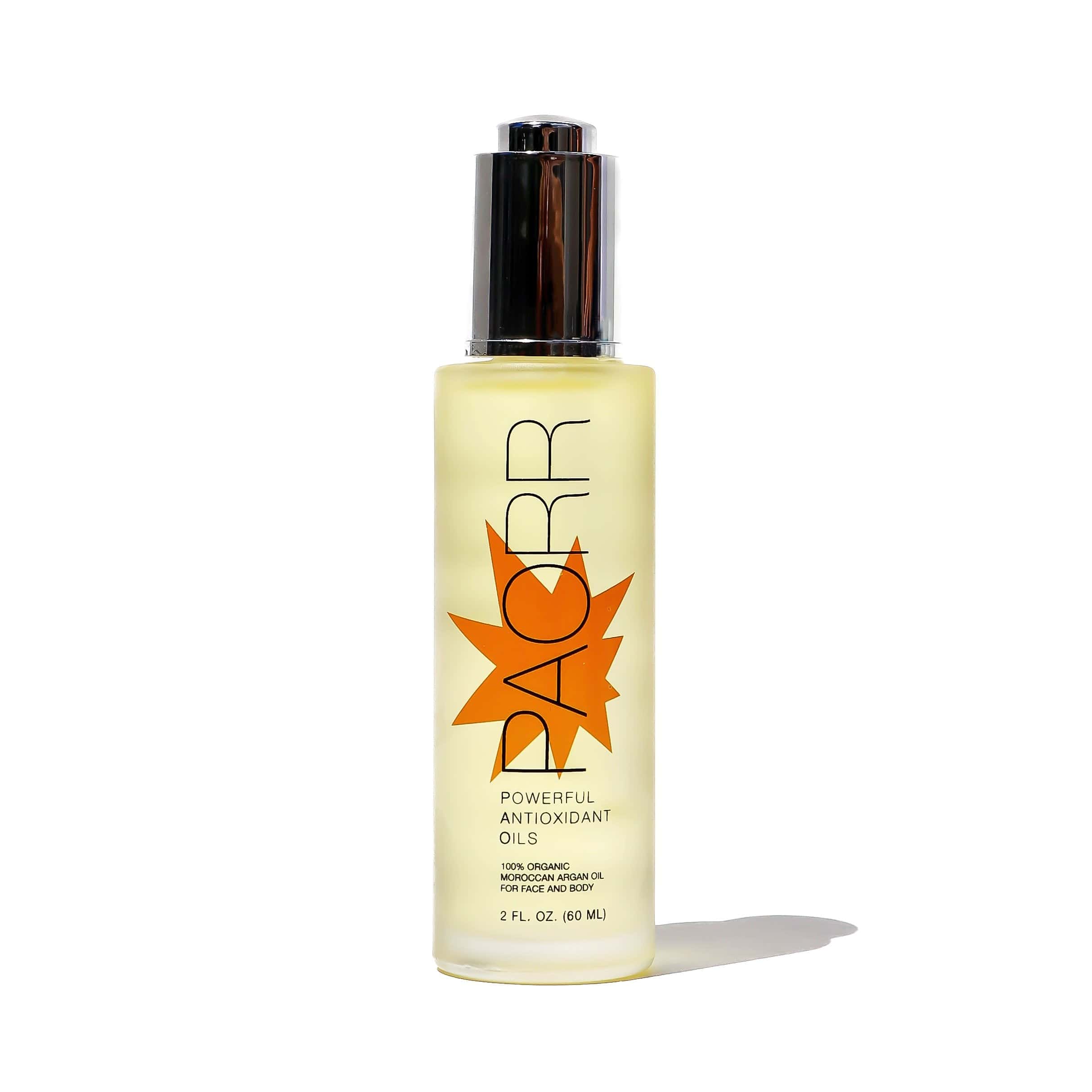
Argan oil, for example, is a popular single-ingredient oil often used on the cuticles because it contains both oleic and linoleic fatty acids, along with natural antioxidants like vitamin E.
Moisturizers vs. Cuticle Oil
Moisturizers and cuticle oils both aim to relieve dryness, but they work in different ways. Traditional moisturizers are typically water-based formulas that contain humectants like glycerin or hyaluronic acid to draw water into the skin, along with occlusives and emollients to reduce moisture loss. These products are effective for softening the surrounding skin, but water alone evaporates quickly if it isn’t sealed in.
Barrier repair moisturizers, however, contain ceramides, cholesterol, and fatty acids that mimic the skin’s natural lipid structure. These ingredients support barrier repair and can calm irritation around the nails. However, cuticle oils tend to absorb more quickly into the skin, so layering both may help to soften the cuticles while also providing long-term hydration.

Benefits of Cuticle Oil
Cuticle oil can provide both cosmetic and functional benefits, especially when used consistently. Some key benefits include:
Improved cuticle flexibility and softness.
Improved cuticle seal, lowering the risk of infection.
Stronger nail growth by protecting the nail matrix beneath the nail.
Helps to avoid hangnails and cracking.
Helps to prevent nail splitting and peeling near the base.
Improved nail appearance by adding natural shine.
Offsets the drying effects of handwashing, sanitizers, and acetone.
Drawbacks of Cuticle Oil
Cuticle oil is generally very safe with few drawbacks, but there a couple of things to note:
Requires consistency. To get the most out of cuticle oil, you will need to apply it regularly. A single use won’t help with chronic dryness or cracking.
Can feel greasy. Some heavier formulas may feel greasy, though this depends on the oil type. Look for lighter oils like jojoba, argan, or safflower to avoid a greasy residue.
Essential oil sensitivity. Some cuticle oils contain essential oils for fragrance, but these ingredients are common allergens. If you are sensitive to essential oils, choose a formula without them.

How to Use Cuticle Oil
For most people, cuticle oil works best when used once or twice daily. If your cuticles are very dry, damaged, or frequently exposed to water, hand sanitizer, acetone, or cold weather, applying cuticle oil two to three times per day can speed up recovery. You can apply cuticle oil at any time of day, but applying it in the evening before bed can give the oil more time to absorb without being washed away.
To use cuticle oil:
Make sure your nails are clean and dry.
Apply one small drop per nail.
Massage gently, working the oil into the cuticle and nail folds. You can also spread the oil onto the nail plate to help reduce brittleness and surface peeling.
Let the oil absorb and dry before washing hands or applying polish.
Bottom Line
Cuticle oil is an effective, low-effort way to improve nail health. It can be especially beneficial for people who wash their hands frequently, use nail polish or gel systems, live in dry climates, or struggle with peeling nails and hangnails. When used consistently, cuticle oil helps to restore the skin barrier, protect nail growth, and keep nails looking healthier and stronger.

Dr. Leslie Baumann MD, FAAD
What's the best oil for cuticles?
Jojoba oil is one of the best oils for cuticles because its structure closely mimics natural skin oils. Argan oil, sweet almond oil, and grapeseed oil are also excellent options. The “best” oil is one you’ll use consistently and that feels comfortable on your skin.
Is Vaseline good for cuticles?
Vaseline (petrolatum) is an occlusive, meaning it seals in moisture but does not hydrate or nourish on its own. It can be helpful over cuticle oil to lock in hydration, especially overnight, but it’s less effective when used alone.
What are signs I need cuticle oil?
Common signs you could benefit from cuticle oil include dry or peeling cuticles, frequent hangnails, redness or irritation around the nails, nails that split near the base, or cuticles that look rough instead of smooth.
Best References and Scientific Publications on Cuticle Oil
- Baumann L. Moisturiers Ingredients in Ch. 43 of Baumann's Cosmetic Dermatology Ed 3. (McGraw Hill 2022)
- Baumann, L. Cosmeceuticals and Cosmetic Ingredients (McGraw Hill 2015)
- Chang, C. L., Ho, T. H., & Fang, T. H. (2017). Material Characteristics of Hair Cuticles after Hair Oil Treatment. Sensors and Materials, 29(11), 1589-1597.
- Dahdah, M. J., & Scher, R. K. (2006). Nail diseases related to nail cosmetics. Dermatologic clinics, 24(2), 233-239.
- Maiman, R. E. (2023). Cosmeceuticals for Hair and Nails. In Cosmeceutical Science in Clinical Practice (pp. 105-126). CRC Press.


