










The Science of Arnica Montana in Skin Care
Arnica montana, also known as mountain daisy or leopard’s bane, has long been used in herbal medicine to reduce swelling and bruising, ease pain, and support wound healing. It can be used both orally and topically for these purposes and is often recommended for use on post-procedure skin, thanks to its calming and wound-healing properties.
Arnica montana is best-known for its ability to reduce bruising and swelling and speed up wound healing.
Arnica is also included in some eye creams and other anti-aging products to reduce inflammation and puffiness.
It can be used topically and orally. When used orally, it must be diluted because it is toxic in its raw form.

What Is Arnica Montana?
Arnica montana is a yellow-orange flowering herb native to Europe and parts of North America. The flower heads are harvested and processed into topical creams, gels, oils, and homeopathic supplements. It contains a variety of natural compounds that have been shown to have strong anti-inflammatory, analgesic (pain-relieving), and antimicrobial properties.
Although arnica montana is best known for its use in sports creams or bruise treatments, it can also be a beneficial ingredient in skin care formulations for soothing post-procedure skin and minimizing puffiness and redness.

Active Compounds in Arnica Montana
Arnica contains several key compounds that make it so beneficial as an anti-inflammatory and wound-healing ingredient:
Helenalin. This is a type of sesquiterpene lactone found in arnica montana, known for its strong anti-inflammatory effects. It works by inhibiting NF-kB, a protein that triggers inflammation and immune responses (3). If not diluted, however, helenalin can be toxic, so it is important to use properly formulated arnica supplements and topical products.
Flavonoids. Flavonoids like quercetin and luteolin offer strong antioxidant protection and help reduce oxidative stress in the skin.
Thymol. This is an essential oil with antiseptic and antibacterial properties that can help to promote wound healing (4,5).
Coumarins. These are naturally occurring compounds found in a variety of plants and fungi. They have been shown to help improve circulation and reduce fluid retention and swelling (6).
Fatty acids. Arnica montana contains linoleic, palmitic, and myristic acids, which help to support the skin barrier, reduce dryness, and enhance product absorption when used topically.
Chlorogenic acid. This antioxidant compound helps to protect the skin from free radical damage and reduces inflammation (7).

Skin Benefits of Arnica Montana
Arnica montana is best-known for its ability to aid in the wound healing process and reduce swelling and bruising. Here’s how it works:
Reduces bruising. Arnica helps to promote circulation and stimulate white blood cell activity to break down and clear trapped blood and fluids beneath the skin's surface. This speeds up the body’s natural healing response and reduces the visible discoloration of bruises (8).
Reduces swelling. Improved circulation can also help to reduce swelling and puffiness. Arnica can be especially helpful after getting injectables like fillers or Botox to reduce bruising and swelling.
Reduces inflammation. The strong anti-inflammatory compound in arnica help to calm redness and swelling, making it useful after minor injuries or cosmetic procedures. Some people with rosacea-prone skin find that arnica can help to reduce redness and heat associated with this common skin condition
Supports wound healing. Arnica’s antimicrobial and anti-inflammatory properties help to reduce pain and the risk of infection, as well as support tissue repair in wounds, particularly after surgery (9).
Decreases under-eye puffiness. Some eye creams use arnica to reduce puffiness caused by fluid retention.

Arnica Montana Safety & Side Effects
Arnica scores a high safety rating of 1 on the Environmental Working Group (EWG) scale, indicating a low hazard and minimal concern for irritation, allergies, and cancer risk. This ingredient is not currently listed in the Cosmetic Ingredient Review (CIR) board’s ingredient database.
Topical arnica montana typically comes with little to no side effects when used for a short period of time. However, it should not be used long-term unless otherwise directed by your doctor and should not be used on open wounds or ulcers.
Oral arnica montana supplements must be formulated and diluted properly, as arnica in its raw form is toxic. While most supplements contain a small amount of arnica that is typically well-tolerated when used short-term, oral arnica supplements may cause upset stomach, nausea, dry mouth, or headaches. If you experience any of these symptoms, stop taking arnica. Arnica may also slow blood clotting, so it should not be taken with other blood-thinning medications or supplements.
Skin Care Products with Arnica Montana
Many skin care products that contain arnica montana are aimed at speeding up wound healing and reducing swelling and bruising. Look for “Arnica montana flower extract” in the ingredient list on skin care products.
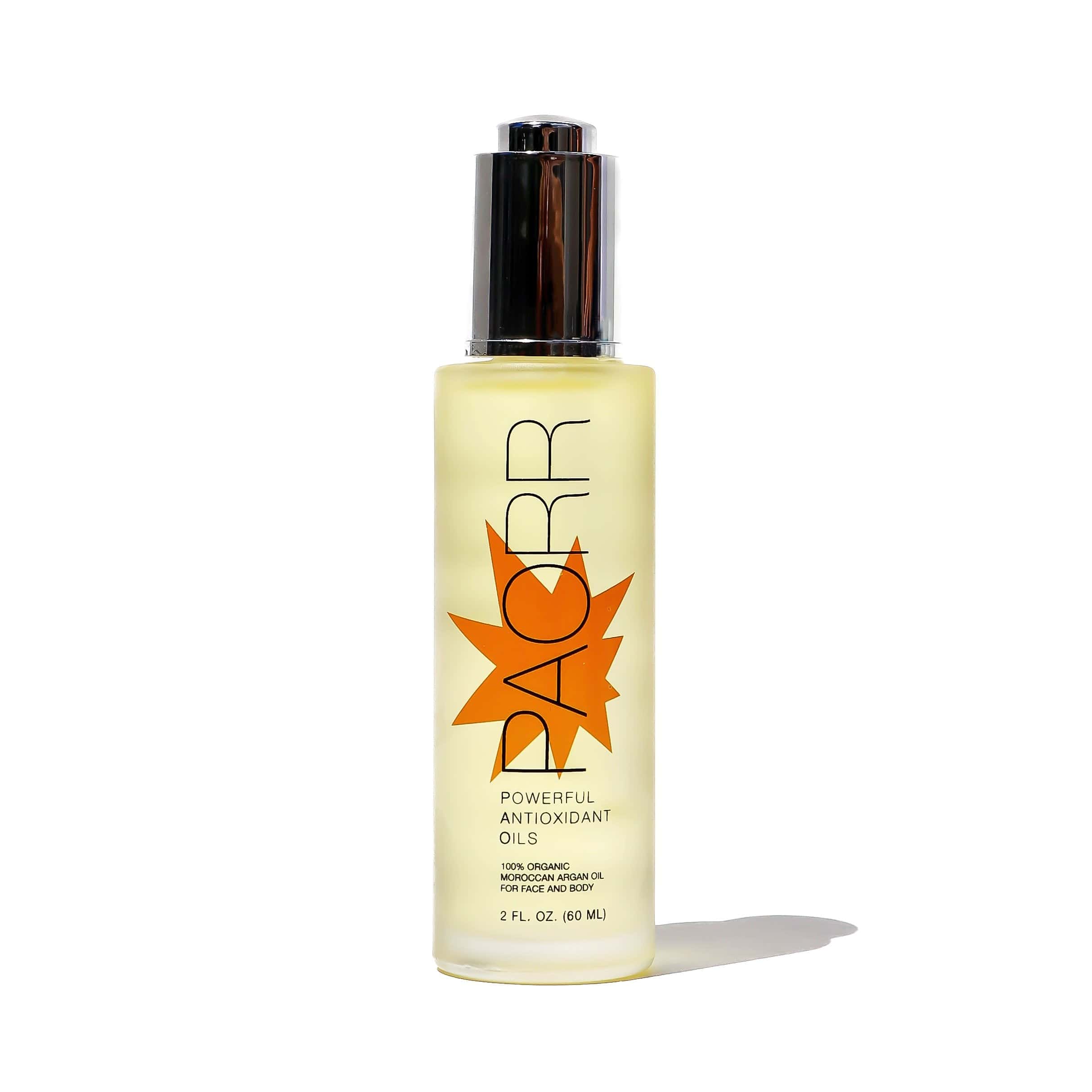
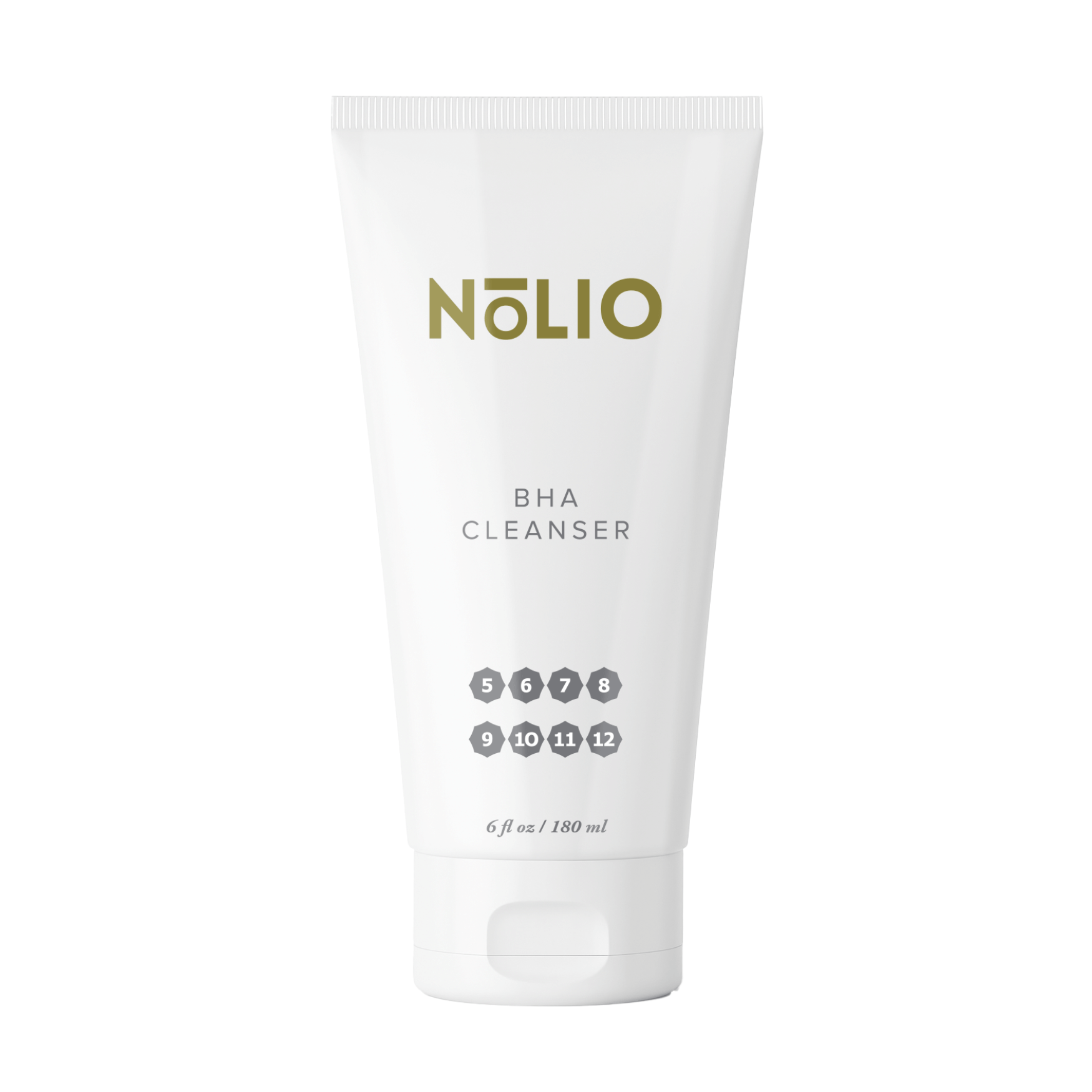
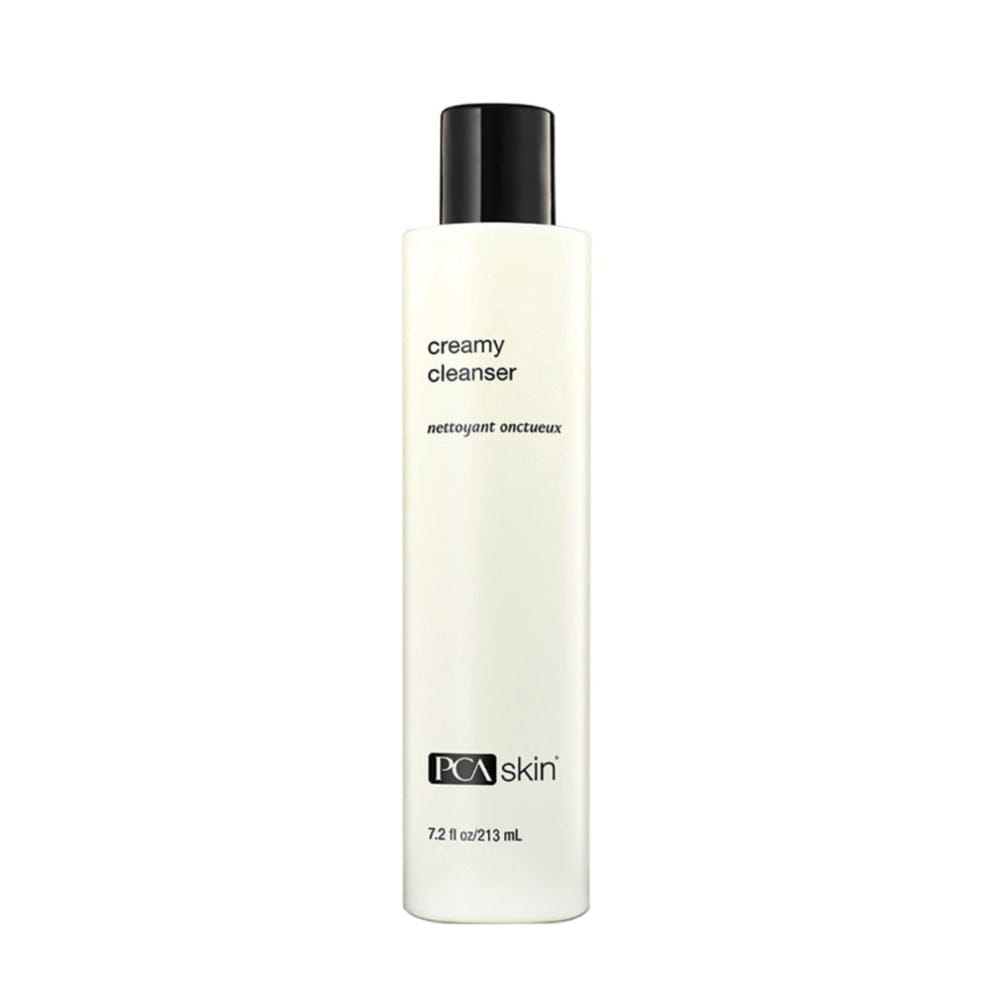
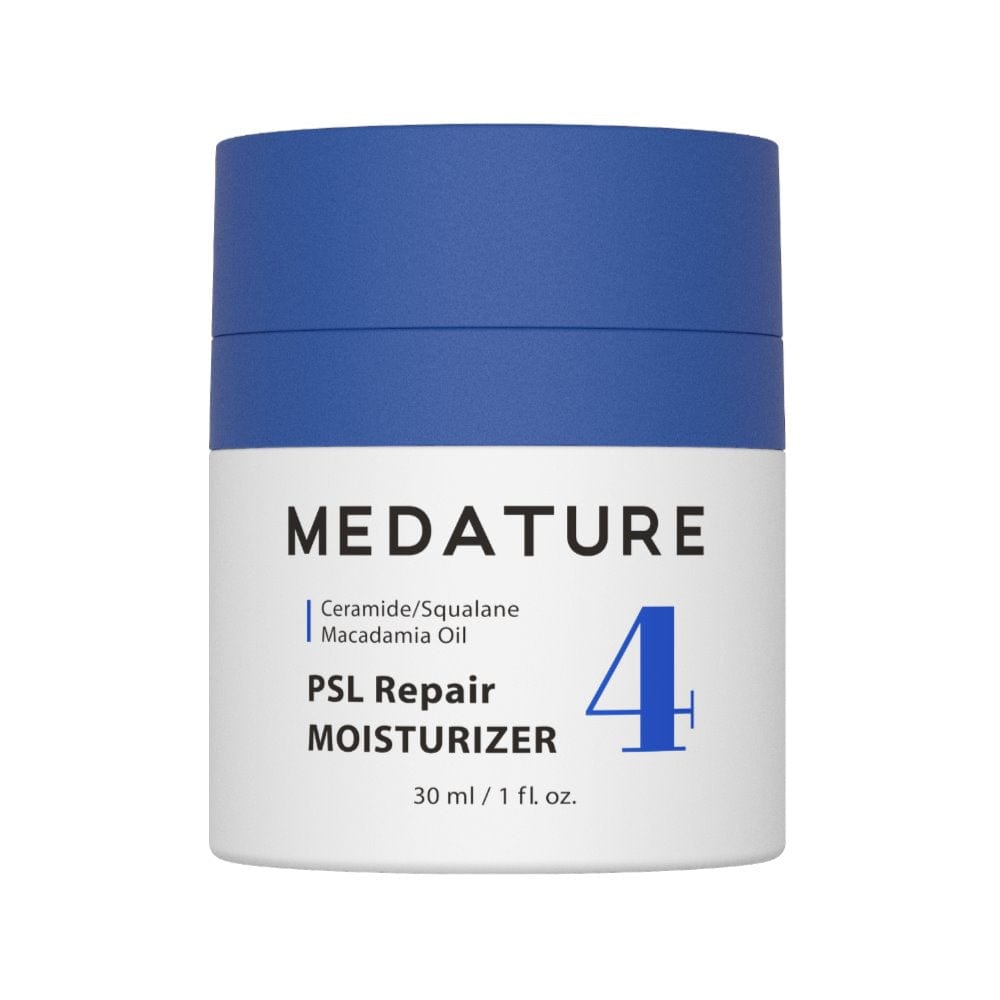
A few of our favorite products that contain arnica montana include:
How to Use Arnica for Bruising and Wound Healing
To use topical arnica for bruising, swelling, and wound healing, apply a thin layer of an arnica cream or gel to the area 3 to 4 times per day. You can apply arnica for a few days after the bruise has cleared up. Remember not to put arnica on open wounds.
Alternatively, you can use a homeopathic arnica montana supplement such as DermAvance Arnika Forte to help with bruising and swelling. I did a study in 2002 on Arnica for post laser treatment of bruises, but it did not help prevent brusies or speed their resolutions. However, it was a homeopathic dose of arnica. (Ref 3) Anecdotal experience of the years has convinced me that Arnica will speed the healing of bruises.
Oral arnica can interact with some medications, particularly blood thinners, so check with your doctor first before taking arnica pills or capsules.
How to Use Arnica After Filler Injections
For decades, dermatologists such as myself have used arnica gel on the skin after dermal filler injections to sooth pain and swelling. We also use hydrocolloidal arnica pads on the cheeks after Juvéderm, Restylane and other filler injections. But once a bruise occurs it is more effective to use the Alastin Inhance Post-injection serum.
Alastin INhance Post-Injection Serum helps clear bruising after filler treatments by using lactoferrin , an iron-binding protein that signals macrophages —the “Pac-Man” cells of your immune system—to move toward the area of injury. These cells then help break down and remove red blood cells and hemosiderin , the iron-rich pigment left behind after bruising, which speeds up recovery and reduces discoloration.
Ref: Widgerow, A. D., Jacob, C., Palm, M. D., Garruto, J. A., & Bell, M. (2020). Developing a Topical Adjunct to Injectable Procedures. Journal of Drugs in Dermatology, 19(4), 398-404.
Bottom Line
Arnica montana has strong anti-inflammatory, antioxidant, and wound-healing properties that make it beneficial both topically and orally to help speed up your skin’s natural healing process. It can be particularly beneficial after skin treatments like dermal fillers or Botox to help reduce swelling and bruising and potentially see your final results more quickly.
It can also be used to help calm red, inflamed skin. If you are using arnica montana in a skin care product with other ingredients, make sure the product is approved for your skin type for best results.

Dr. Leslie Baumann MD, FAAD
Is arnica good for hyperpigmentation?
Yes, arnica montana can help to reduce the risk of hyperpigmentation by aiding in your skin’s wound-healing process and reducing inflammation.
Does arnica fade scars?
Arnica montana can help to improve the appearance of scarring if used early, but it is not likely to have a significant effect on the appearance of old scars.
Is arnica montana good for wrinkles?
Arnica alone isn’t typically used for wrinkles, although it can pair well with other anti-aging ingredients and has antioxidant and anti-inflammatory properties that can help to combat signs of aging caused by oxidative stress.
Should I apply arnica after getting dermal fillers?
Yes arnica can help decrease swelling after lip fillers.
Best References and Scientific Publications on Arnica Montana
- Baumann L., Weisberg, E. Pre and Post procedure Skincare Guide for Surgical Patients in Ch. 36 of Baumann's Cosmetic Dermatology Ed 3. (McGraw Hill 2022)
- Baumann, L. Ch. Cosmeceuticals and cosmetic Ingredients (McGraw Hill 2015)
- Alonso, Delilah, Melissa C. Lazarus, and Leslie Baumann. "Effects of topical Arnica gel on post‐laser treatment bruises." Dermatologic surgery 28.8 (2002): 686-688.
- Lyss, G., Schmidt, T. J., Merfort, I., & Pahl, H. L. (1997). Helenalin, an anti-inflammatory sesquiterpene lactone from Arnica, selectively inhibits transcription factor NF-κB. Biological chemistry, 378(9), 951-962.
- Costa, M. F., Durço, A. O., Rabelo, T. K., Barreto, R. D. S. S., & Guimarães, A. G. (2019). Effects of Carvacrol, Thymol and essential oils containing such monoterpenes on wound healing: A systematic review. Journal of pharmacy and pharmacology, 71(2), 141-155.
- Gabbai‐Armelin, P. R., Sales, L. S., Ferrisse, T. M., De Oliveira, A. B., De Oliveira, J. R., Giro, E. M. A., & Brighenti, F. L. (2022). A systematic review and meta‐analysis of the effect of thymol as an anti‐inflammatory and wound healing agent: A review of thymol effect on inflammation and wound healing. Phytotherapy research, 36(9), 3415-3443.
- Huang, Q., Bao, C., Ji, W., Wang, Q., & Zhu, L. (2012). Photocleavable coumarin crosslinkers based polystyrene microgels: phototriggered swelling and release. Journal of Materials Chemistry, 22(35), 18275-18282.
- Gyawali, N., Rayamajhi, A., Karki, D., Pokhrel, T., Adhikari, A. (2022). Arnica montana L.: Traditional Uses, Bioactive Chemical Constituents, and Pharmacological Activities. In: Devkota, H.P., Aftab, T. (eds) Medicinal Plants of the Asteraceae Family. Springer, Singapore.
- Kouzi, S. A., & Nuzum, D. S. (2007). Arnica for bruising and swelling. American Journal of Health-System Pharmacy, 64(23), 2434-2443.
- Iannitti, T., Morales-Medina, J. C., Bellavite, P., Rottigni, V., & Palmieri, B. (2016). Effectiveness and safety of Arnica montana in post-surgical setting, pain and inflammation. American journal of therapeutics, 23(1), e184-e197.
- Baumann L. Dermatology News. Cosmeceutical Critique Compendium- A Review of Natural Ingredients March 8 2010. https://www.mdedge9-ma1.mdedge.com/dermatology/article/11198/cosmeceutical-critique-compendium-review-natural-ingredients
- Widgerow, A. D., Jacob, C., Palm, M. D., Garruto, J. A., & Bell, M. (2020). Developing a Topical Adjunct to Injectable Procedures. Journal of Drugs in Dermatology, 19(4), 398-404.


