
Right for you
Not rated by skin type
Baumann Skin Type®
OSNT - Oily, Sensitive, Non-pigmented, Tight
86 products. Take the quiz to see which ones fit your skin.86 products.
Is OSNT your type? TakeFinish the free quiz to find out.
You are . See the products for your type →
Take the free quiz to unlock shopping by your skin type.
Take the quiz
Products
Right for you
Not rated by skin type
Right for you
Not rated by skin type
Right for you
Not rated by skin type
Right for you
Not rated by skin type
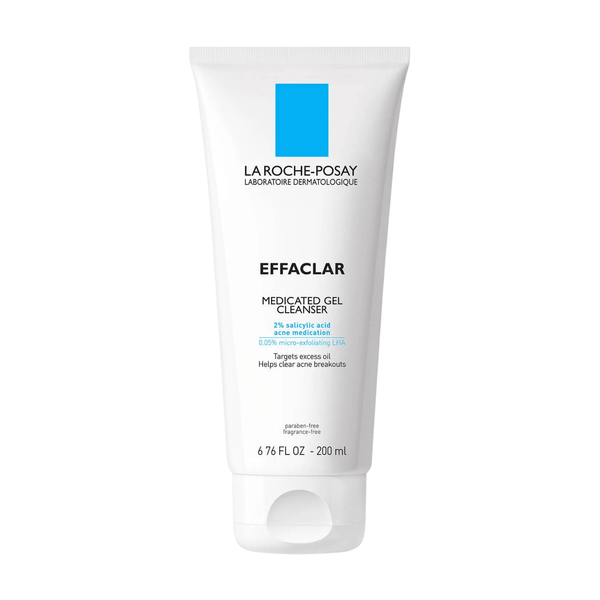
La Roche-Posay★ Brand you like
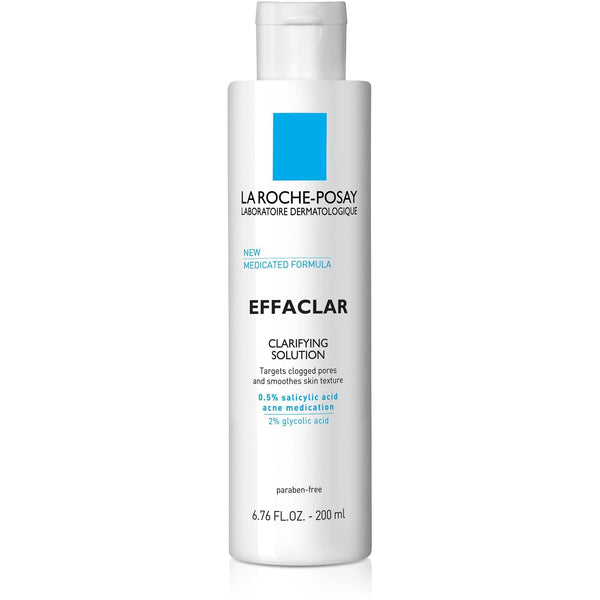
La Roche-Posay Effaclar Medicated Acne Wash
From$13.99Over your budget
Right for you
Not rated by skin type
Right for you
Not rated by skin type
Right for you
Not rated by skin type
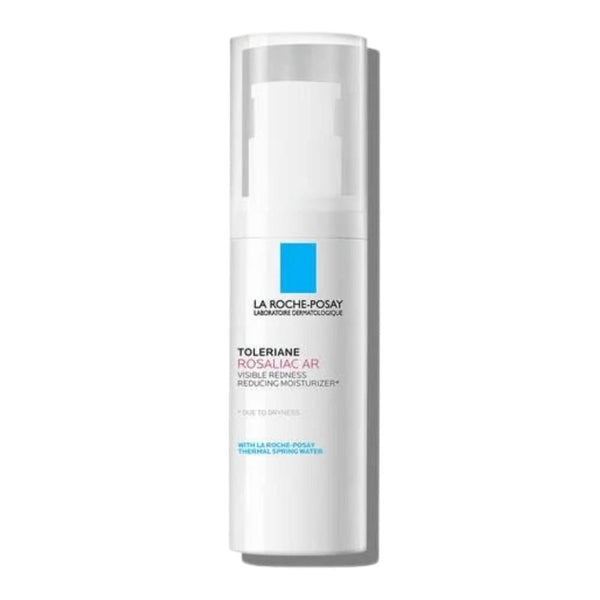
La Roche-Posay★ Brand you like
La Roche-Posay Toleriane Rosaliac AR Redness Reducing Moisturizer
$30.99Over your budget
Right for you
Not rated by skin type
Right for you
Not rated by skin type
Right for you
Not rated by skin type

Right for you
Not rated by skin type
Right for you
Not rated by skin type
Right for you
Not rated by skin type

SkinCeuticals★ Brand you like
SkinCeuticals Blemish + Age Defense Salicylic Acid Serum
$115Over your budget
Right for you
Not rated by skin type
Right for you
Not rated by skin type
Right for you
Not rated by skin type
Right for you
Not rated by skin type
Right for you
Not rated by skin type
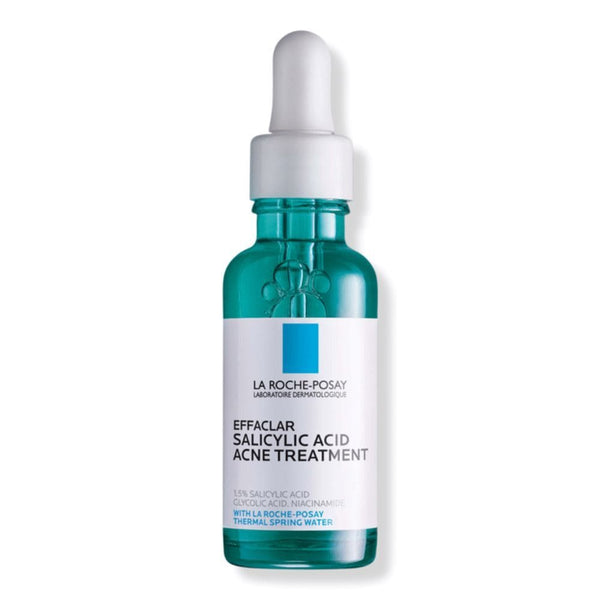
La Roche-Posay★ Brand you like
La Roche-Posay Effaclar Salicylic Acid Acne Treatment Serum
$44.99Over your budget
Right for you
Not rated by skin type
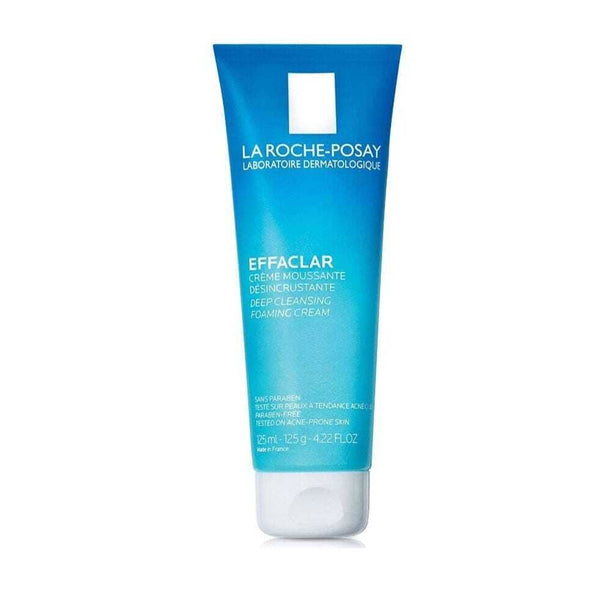
La Roche-Posay★ Brand you like
La Roche-Posay Effaclar Deep Cleansing Foaming Cream for Oily Skin
$24.99Over your budget
Sold out
Right for you
Not rated by skin type
Sold out
Right for you
Not rated by skin type
Sold out
Right for you
Not rated by skin type
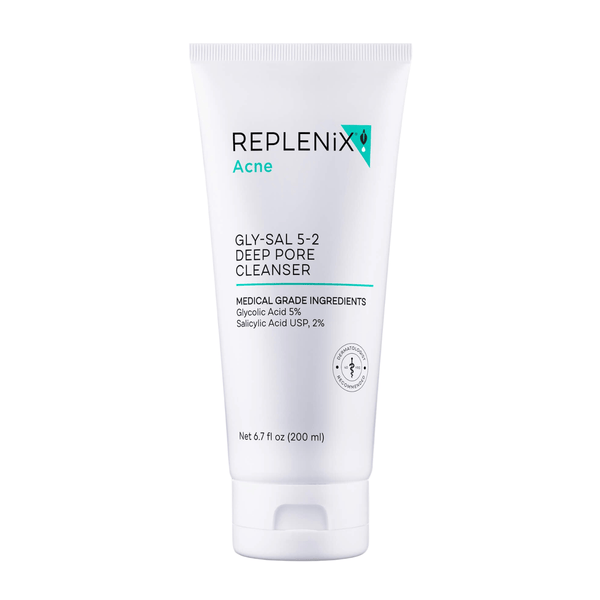
Sold out
Right for you
Not rated by skin type
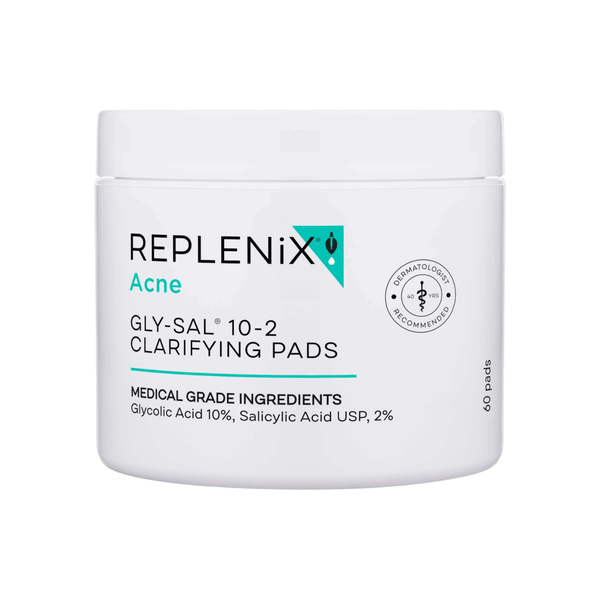
More about skin type OSNT
OSNT stands for Oily, Sensitive, Non-Pigmented and Tight. It is one of the 16 Baumann Skin Types. The O means your skin produces plenty of sebum and is not dry. The S means your skin is Sensitive and prone to inflammation. The N means you do not have unwanted pigmented spots or uneven skin color. The T means you do not yet have significant risk factors for skin aging and are young enough that anti-aging treatment is not a priority.
OSNT skin is usually young and oily. You may have clogged pores and acne, facial redness and irritation, skin allergies, or a combination of these sensitivity problems. The most important goal is to control inflammation without irritating your skin.
Which cleanser you should use depends on which type of sensitivity you have. If acne is your only sensitivity problem, a benzoyl peroxide cleanser is a good choice because benzoyl peroxide helps kill acne-causing bacteria and treat breakouts.
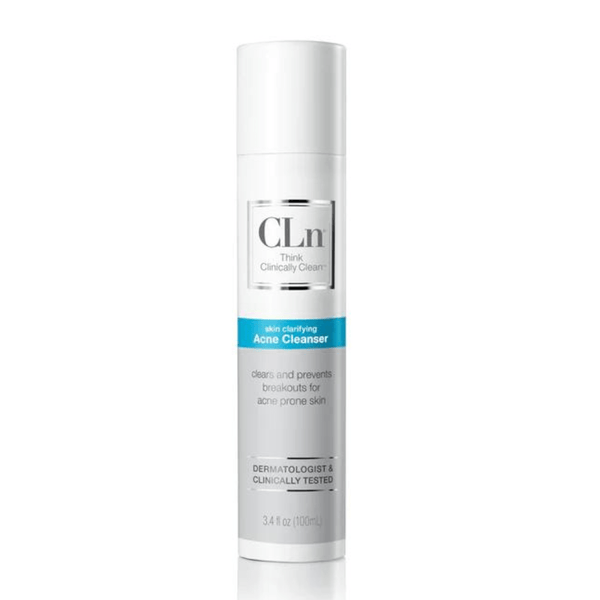
If you have both acne and facial redness, benzoyl peroxide may be too irritating and can make your redness worse. A salicylic acid cleanser or CLn Acne Cleanser may be a better choice. CLn Acne Cleanser contains 0.5% salicylic acid to help unclog pores and sodium hypochlorite for antimicrobial activity, allowing you to address acne without relying on benzoyl peroxide.
If you do not have acne, you do not need an acne cleanser. Choose a gentle, soothing cleanser that removes excess sebum without increasing inflammation. Soothing and anti-inflammatory ingredients should be an important part of the rest of your routine as well.
Fortunately, OSNT is a Tight skin type, so you do not need an anti-aging routine yet. Avoid adding unnecessary retinoids, strong acids, peels and other anti-aging treatments simply because they are popular. These can create irritation and inflammation that your skin does not need.
Be especially careful with exfoliation. Do not over-exfoliate OSNT skin. Using too many exfoliating acids, peel pads, scrubs or masks can increase inflammation and make acne, facial redness, stinging and irritation worse.
The best OSNT routine is a simple, noncomedogenic routine chosen for your specific Sensitive skin subtype. Treat acne if you have it, calm redness if you have it, avoid ingredients that trigger your allergies or stinging, and do not treat skin problems you do not have.
Should I use benzoyl peroxide or salicylic acid for acne?
The best acne cleanser for OSNT skin depends on which type of Sensitive skin you have.
If acne is your only sensitivity problem, a benzoyl peroxide cleanser is a good choice. Benzoyl peroxide helps kill acne-causing bacteria and is particularly useful for inflammatory pimples.
If you have acne and facial redness, benzoyl peroxide may be too irritating because it can cause dryness, stinging and redness. In this case, a salicylic acid cleanser may be a better choice. Salicylic acid is oil-soluble and helps unclog pores, making it especially useful for oily skin with blackheads and clogged pores.
Another excellent choice for OSNT skin with both acne and redness is CLn Acne Cleanser. It combines salicylic acid to help unclog pores with sodium hypochlorite for antimicrobial activity.
This is why there is not one “best acne cleanser” for everyone with oily skin. The right acne cleanser depends on your complete Baumann Skin Type and which Sensitive skin subtype you have.
What should I put on my face if acne treatments make my skin red or sting?
Some OSNT skin types have redness and stinging in addition to acne. If your skin becomes red, burns or stings from your acne routine, stop the irritating acne treatments until your skin calms down. This includes retinoids, exfoliating acids such as salicylic acid and glycolic acid, and benzoyl peroxide.
Instead, use a gentle cleanser and a lightweight, soothing, noncomedogenic moisturizer. Essopi Triple Antioxidant Serum is a good choice because it contains soothing and antioxidant ingredients without the heavy, pore-clogging feel that oily skin does not need.
Once the redness and stinging have resolved, acne treatments can be added back gradually. Do not try to treat irritated skin by adding more acne products or exfoliating more. With OSNT skin, controlling inflammation comes first because an irritated skin barrier will make acne treatments harder to tolerate.
What should I do if I have oily skin and i am allergic to skincare products?
ome OSNT skin types have an allergic Sensitive skin subtype. If skincare products frequently cause itching, redness, swelling or a rash, it is important to determine exactly which ingredient or ingredients you are allergic to.
Keep a diary of every product that causes a reaction and save or photograph its complete ingredient list. Over time, comparing these ingredient lists may reveal a pattern and help identify ingredients that repeatedly appear in products that bother your skin.
Share this information with your dermatologist. Your dermatologist can perform patch testing to help determine exactly which skincare ingredients or allergens you need to avoid.
Until you know what is causing your reactions, keep your routine simple and minimize unnecessary ingredients. VMV Hypoallergenics products may be a good choice because the brand formulates products to avoid many of the most common contact allergens.
Once you know your specific allergens, read ingredient labels carefully and avoid those ingredients in every product you use. This is much more effective than repeatedly switching products without knowing what is triggering your allergic reactions.
Why does my face sting when I wash it?
Some OSNT skin types are particularly prone to stinging and burning. If your face stings when you wash it or apply skincare products, it is a sign that your skin is irritated or inflamed.
There are several possible causes. You may have recently started a retinoid, over-exfoliated your skin, used a product containing an ingredient you are allergic to, or have underlying rosacea-prone skin. Your cleanser itself may also contain ingredients that trigger stinging, such as exfoliating acids, menthol, witch hazel, benzoic acid or certain preservatives. Using too many acids, scrubs, peel pads or other exfoliating products can also make stinging worse.
If your skin is stinging, simplify your routine and avoid irritating ingredients until your skin calms down. Stop retinoids, exfoliating acids and other irritating actives temporarily. Do not assume that burning or stinging means a product is working.
When you take the Baumann Skin Type Quiz, tell us if your skin tends to sting. Your answers are used to adjust your personalized skincare routine so that it avoids ingredients and products that are more likely to worsen stinging. This is one reason it is important to know not only that your skin is Sensitive, but also which type of sensitivity you have.


