
Right for you
Not rated by skin type
Shop
Best Anti-Aging Skin Care Products for Over 70
19 products. Take the quiz to see which ones fit your skin.19 products.
Take the free quiz to unlock shopping by your skin type.
Take the quiz
Products
Right for you
Not rated by skin type
Right for you
Not rated by skin type
Right for you
Not rated by skin type
Right for you
Not rated by skin type
Right for you
Not rated by skin type
Right for you
Not rated by skin type
Right for you
Not rated by skin type
Sale
Right for you
Not rated by skin type
Sale
Right for you
Not rated by skin type
Right for you
Not rated by skin type
Right for you
Not rated by skin type
Right for you
Not rated by skin type
Right for you
Not rated by skin type
SaleSold out
Right for you
Not rated by skin type
Zerafite★ Brand you like
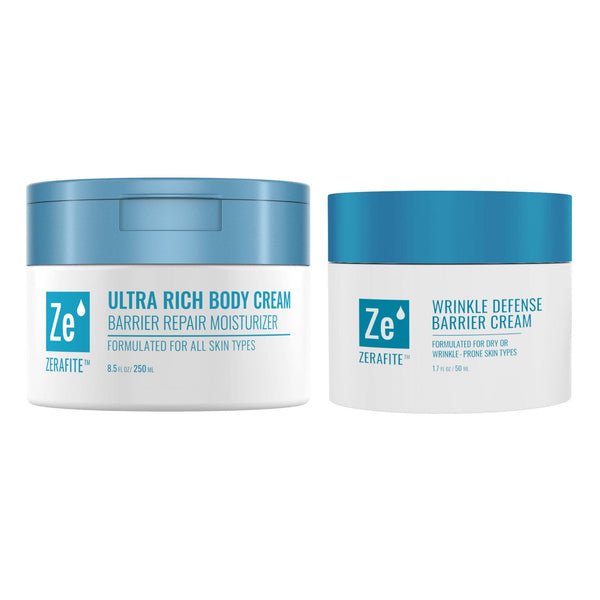
Zerafite Wrinkle Defense Cream & Barrier Repair Body Cream Duo
$66.50$95Over your budget
SaleSold out
Right for you
Not rated by skin type
Sold out
Right for you
Not rated by skin type
SaleSold out
Right for you
Not rated by skin type
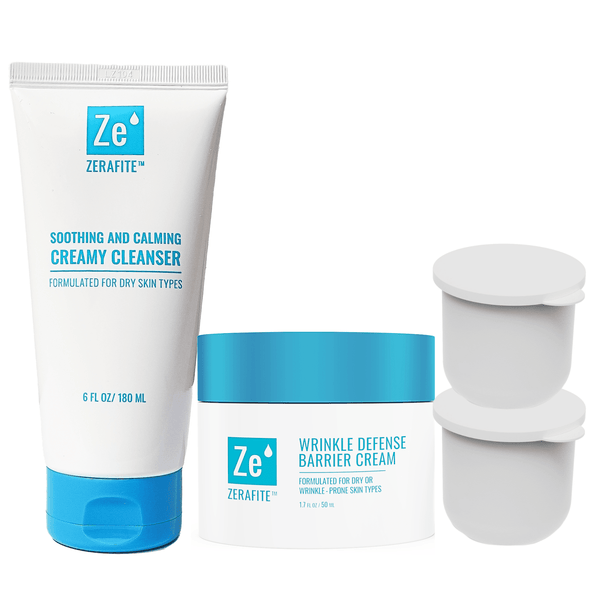
Zerafite★ Brand you like
Zerafite Wrinkle Defense Barrier Cream - Combo Set ($132 Value)
$89$132Over your budget
Sold out
Right for you
Not rated by skin type
More about Best Anti-Aging Skin Care Products for Over 70
Discover the best anti-aging skincare products for men and women over 70, personally selected by board-certified dermatologist Dr. Leslie Baumann, who has over 30 years of experience in dermatology and skincare research. Dr. Baumann is the author of the McGraw Hill textbooks Cosmetic Dermatology: Principles and Practice and Cosmeceuticals and Cosmetic Ingredients. These textbooks help guide dermatologists in choosing skincare ingredients and recommending effective skincare routines for their patients.
By your 70s, your skin needs several different anti-aging ingredients to address wrinkles, collagen loss, dryness, cellular aging, and accumulated sun damage. This collection includes dermatologist-selected retinoids, antioxidants, exosome serums, DNA repair enzymes, longevity treatments, and barrier-repair moisturizers that combine proven anti-aging ingredients with newer skincare technologies.
But needing more ingredients doesn't mean you need more products. The secret is choosing the right ingredients, combining benefits when possible, and applying products in the correct order for maximum effectiveness. Take our Baumann Skin Type Quiz to discover which products you actually need, which ones you can skip, and exactly when to use each one. We'll help you build a personalized skincare routine based on your age, Baumann Skin Type, and lifestyle habits, so you don't waste money on products you don't need.
Best Face Creams and Moisturizers for Skin Over 70
The best face creams for people over 70 should do more than temporarily soften wrinkles. As skin ages, it often becomes drier, thinner, and less efficient at maintaining its protective barrier. Barrier-repair moisturizers are especially important for mature skin because they help reduce moisture loss and make stronger anti-aging treatments easier to tolerate.
One of Dr. Baumann's favorite moisturizers for dry, mature skin is Zerafite Wrinkle Defense Barrier Cream because it combines many of the ingredients you should look for in a good anti-aging face cream: barrier-repair lipids, hydrating humectants, soothing ingredients, and antioxidants. It also contains botanical extracts that target additional pathways involved in skin aging.
Barrier-repair ingredients such as ceramides, cholesterol, and fatty acids like stearic acid help replace missing components of the skin barrier. Well-formulated barrier-repair creams can organize these lipids into lamellar structures resembling the skin's natural lipid arrangement. Certain organized lipid phases display a Maltese cross pattern under polarized light microscopy.
Humectants such as glycerin, hyaluronic acid, and sorbitol attract water into the outer layers of the skin, temporarily plumping dehydration-related fine lines and making wrinkles appear flatter. Soothing ingredients such as niacinamide and panthenol help improve barrier function, increase hydration, and reduce irritation.
Zerafite Wrinkle Defense also contains botanical extracts such as Ulmus davidiana, Saururus chinensis, and Crepidiastrum denticulatum, which are being investigated for their antioxidant, anti-inflammatory, and cellular maintenance effects. These newer ingredients complement the established benefits of barrier-repair lipids and humectants.
The best moisturizer for skin over 70 depends on your Baumann Skin Type. Dry skin generally benefits from richer barrier-repair creams, while oily skin may need lighter hydration. Your moisturizer should also complement your retinoid and other anti-aging treatments.
Best Anti-Aging Serums for Deep Wrinkles and Sagging Skin Over 70
By your 70s, your skin cells may become too tired to do all the things necessary to keep your skin firm, tight, smooth, and radiant. Fibroblasts are the cells responsible for producing collagen, elastin, and hyaluronic acid, which give skin its strength, elasticity, and youthful fullness. As these cells age, they can become exhausted, produce less collagen, and respond less effectively to anti-aging ingredients that tell them to work harder. This contributes to deep wrinkles, sagging, thinning skin, and loss of radiance. Learn more about these changes in Fibroblasts and Skin Aging.
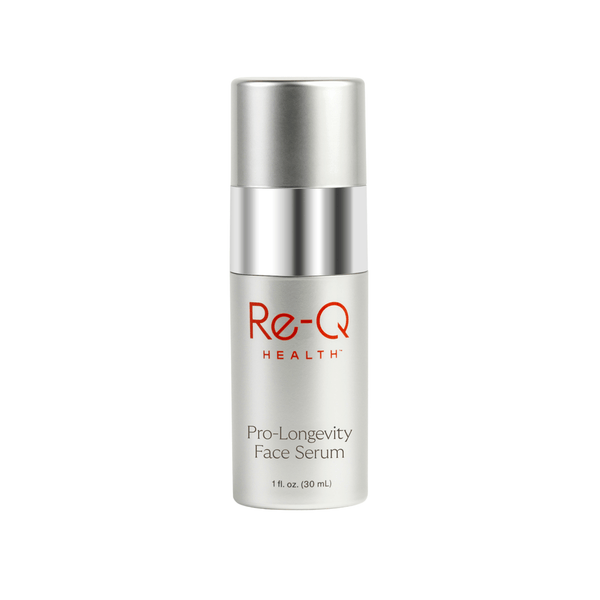
Re-Q Pro-Longevity Face Serum is one of Dr. Baumann's favorite anti-aging serums for skin over 70 because it takes a different approach to skin aging. Instead of simply telling exhausted fibroblasts to produce more collagen, Re-Q contains RLX-201, a rapamycin-derived ingredient designed to temporarily reduce mTORC1 signaling. This may allow aging fibroblasts to devote more resources to cellular maintenance, repair, and recycling through a process called autophagy. The goal is to help these tired cells function more like younger fibroblasts so they can better maintain the collagen and other substances that keep skin firm and smooth. By improving cellular function, Re-Q may also help skin cells respond better to collagen-supporting ingredients such as retinoids and vitamin C, potentially making these serums more effective. This is a promising proposed benefit, although clinical studies have not yet established that Re-Q increases the effectiveness of retinoids or vitamin C. Read How to Reset Exhausted Fibroblasts to understand the science behind this new approach to skin longevity.
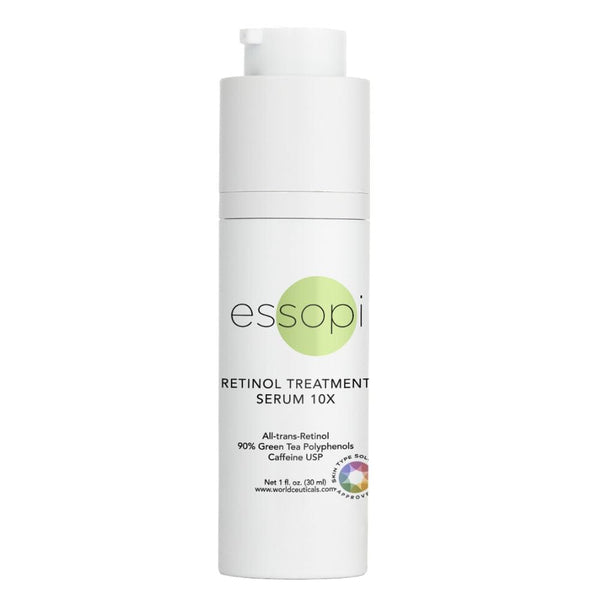
Retinoids are still essential for collagen production after age 70. Unlike Re-Q, which targets pathways involved in cellular aging, retinoids stimulate genes involved in collagen production and help reduce collagen breakdown. Prescription tretinoin and tazarotene have strong evidence for improving photoaged skin. For experienced retinol users, Essopi Retinol Treatment Serum 10X is a high-strength nonprescription option. Use the strongest retinoid your skin can comfortably tolerate without causing irritation.
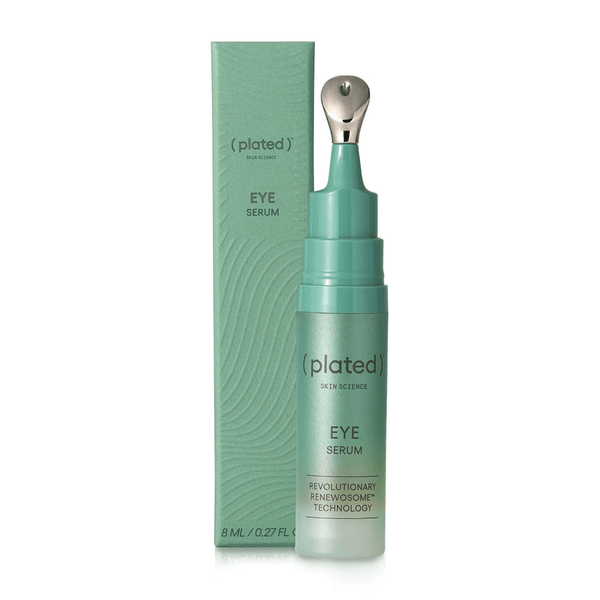
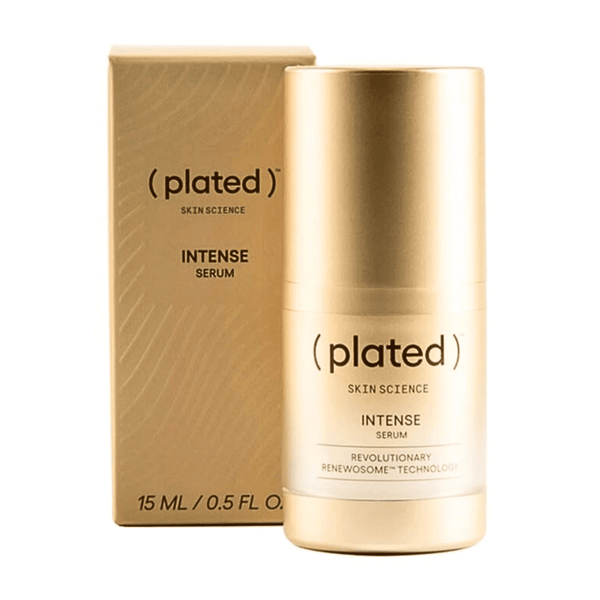
Plated SkinScience INTENSE Serum is another option for mature skin because it combines exosome technology and antioxidant activity in one serum. Its platelet-derived extracellular vesicles carry signaling molecules that may help support skin renewal and collagen-related cellular communication. Using Plated can help reduce the number of separate serums in your routine.
Vitamin C is also important because your skin needs it to make collagen. It provides antioxidant protection and supports the biochemical processes required to produce strong, stable collagen. A vitamin C serum can be especially useful in the morning if your Baumann Skin Type tolerates it.
The goal is to help aging skin cells function better while continuing to stimulate collagen production. Re-Q is designed to support cellular maintenance and may improve responsiveness to other anti-aging treatments, retinoids stimulate collagen production, and exosomes provide additional signaling molecules. You do not necessarily need all of these products. The best combination and order depend on your Baumann Skin Type and the other ingredients in your routine.
Best Sunscreens for Mature Skin Over 70 and Age Spots
Sunscreen is one of the most important anti-aging products for people over 70. Decades of sun exposure cause collagen breakdown, wrinkles, sagging, age spots, and DNA damage. Although sunscreen cannot reverse all the damage that has already occurred, it prevents additional damage. The best sunscreens for mature skin contain antioxidants or DNA repair enzymes that provide benefits beyond traditional UV protection. Choosing a multifunctional sunscreen can also eliminate the need for a separate anti-aging serum.
Sunscreens with DNA repair enzymes are particularly useful for skin over 70 because the skin's ability to repair DNA damage declines with age. Ultraviolet radiation creates DNA lesions called cyclobutane pyrimidine dimers (CPDs), which contribute to photoaging and skin cancer. The enzyme photolyase helps repair these lesions through a light-dependent process called photoreactivation. Combining sunscreen with DNA repair enzymes provides additional benefits for skin with accumulated sun damage.
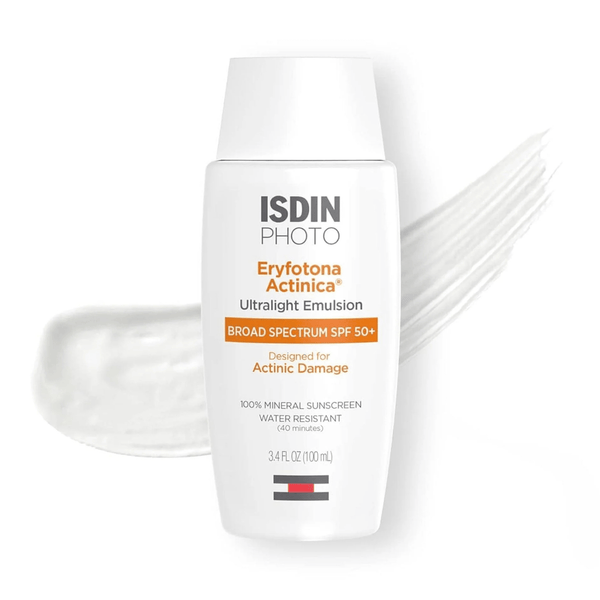
Two of Dr. Baumann's favorite sunscreens containing DNA repair enzymes are ISDIN Eryfotona Actinica SPF 50+, a lightweight untinted mineral sunscreen, and ISDIN Eryfotona Ageless Tinted Mineral SPF 50. Both contain DNA Repairsomes®, which incorporate photolyase. The tinted version also contains pigments that help even skin tone and provide additional protection against visible light, which can contribute to hyperpigmentation.
For a more affordable option, EltaMD UV Clear Broad-Spectrum SPF 46 Untinted is an excellent everyday sunscreen. It contains zinc oxide for broad-spectrum UV protection, niacinamide to support the skin barrier and help improve uneven pigmentation, and hyaluronic acid to hydrate and temporarily plump fine lines. Its lightweight, fragrance-free formula is especially useful for people who dislike heavy sunscreens. Although it does not contain DNA repair enzymes, it combines sun protection with several beneficial skincare ingredients at a lower price.
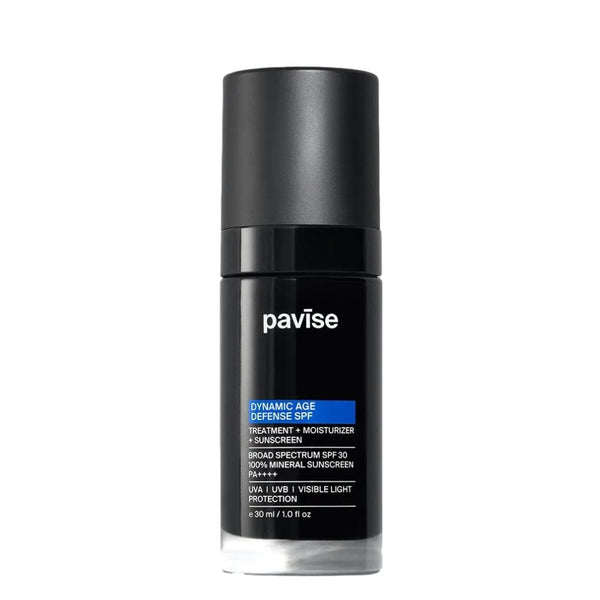
Pavise Dynamic Age Defense SPF 30 is a premium multifunctional sunscreen for people who want several anti-aging benefits in one product. Its DiamondCore® technology combines diamond powder and zinc oxide for UV protection, while antioxidants such as astaxanthin, Pycnogenol®, silymarin, and vitamin E help defend against free radical damage. It also contains niacinamide, tranexamic acid, and licorice root extract to help improve the appearance of age spots and uneven pigmentation. Because Pavise contains multiple antioxidants, some people may not need a separate antioxidant serum.
Age spots are another common concern after 70. These brown spots develop after years of sun exposure and increased melanin production. If you have pigmentation concerns, look for sunscreens containing ingredients such as tranexamic acid, niacinamide, or licorice root extract. However, not everyone over 70 needs skin-lightening ingredients. The best sunscreen depends on your Baumann Skin Type, whether you develop dark spots, and how sensitive your skin is.
Apply broad-spectrum SPF 30 or higher every morning and reapply when outdoors. Antioxidants and DNA repair enzymes offer additional benefits, but they do not replace adequate sunscreen protection. Choosing a sunscreen that combines several anti-aging ingredients can help simplify your skincare routine without sacrificing important benefits.
Best Retinol for Skin Over 70: Is Prescription Strength Better?
The best retinol for people over 70 is usually the strongest retinoid their skin can comfortably tolerate. Retinoids are among the most scientifically proven anti-aging ingredients because they stimulate collagen production, reduce collagen breakdown, improve skin texture, and help diminish wrinkles and age spots. Even after age 70, skin can respond to retinoids and produce new collagen.
Prescription-strength retinoids are generally more potent and have stronger clinical evidence for treating photoaging than over-the-counter retinol. For mature skin with deep wrinkles, Dr. Baumann recommends considering tretinoin (Retin-A) or tazarotene (Tazorac). Both stimulate collagen production and improve signs of sun damage. Tazarotene is generally more potent than tretinoin at comparable concentrations, and tazarotene 0.1% gel is among the strongest topical retinoid formulations available. However, stronger retinoids also carry a greater risk of dryness, peeling, and irritation. The type of retinoid, concentration, and formulation all influence retinoid strength, so the highest percentage is not necessarily the best choice for everyone.
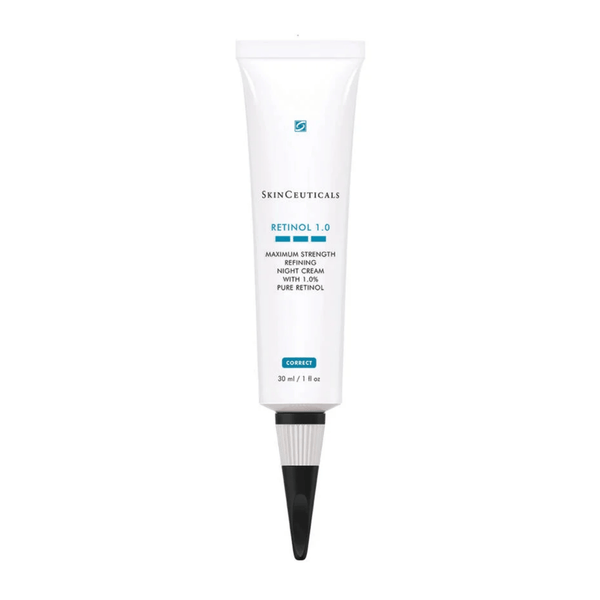
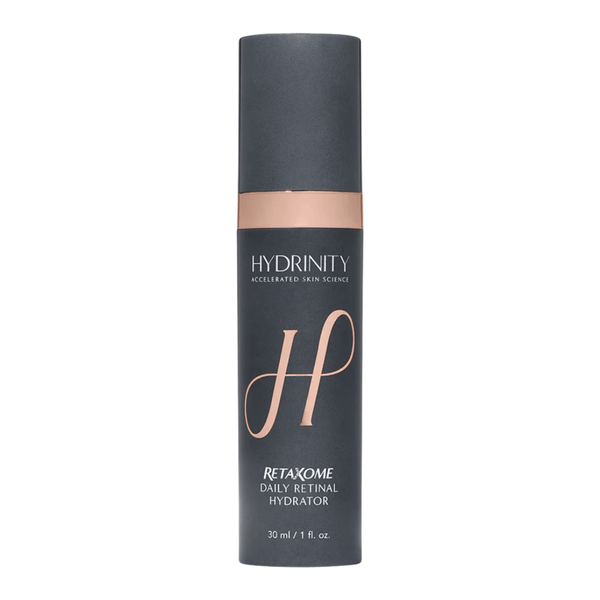
If you cannot tolerate prescription tretinoin or tazarotene, a high-strength nonprescription retinoid is a good alternative. Products containing 1% retinol, such as SkinCeuticals Retinol 1.0, can improve wrinkles and skin texture. Another option is Hydrinity RetaXome Daily Retinal Hydrator, which combines retinal with a bonded form of retinoic acid. These products can be useful for people who want stronger anti-aging benefits without a prescription, although they do not have the same depth of clinical evidence as prescription tretinoin.
The key to using stronger retinoids after 70 is protecting your skin barrier. Mature skin is often dry and more susceptible to irritation. Start with a lower strength, gradually increase frequency, and use a barrier-repair moisturizer containing ceramides, cholesterol, and fatty acids. When beginning a stronger retinoid, applying it after your moisturizer can help reduce irritation. Once your skin adjusts, your routine can be modified to improve delivery and effectiveness.
Consistency is more important than using a retinoid that is too strong for your skin. A retinoid that causes persistent redness, peeling, or inflammation may interfere with your ability to use it regularly. The goal is to gradually work toward nightly use of the strongest retinoid you can tolerate, while maintaining a healthy skin barrier.
Your ideal retinoid depends on your Baumann Skin Type, skin sensitivity, and previous experience with retinol. A personalized routine can help you choose the appropriate strength and determine how to combine your retinoid with Re-Q, vitamin C, and other anti-aging products.


