










The Science of Mango Butter in Skin Care
Also known as mango kernel butter or mango seed butter, mango butter is a moisturizing ingredient rich in fatty acids that is derived from the seed of the mango fruit (Mangifera indica). It is found in many skin care products, particularly those aimed at moisturizing the skin. However, thanks to its rich antioxidant content and other properties, mango butter can also impart a range of other benefits to the skin.
Rich in fatty acids and antioxidants.
Lighter and less comedogenic than cocoa butter.
Can provide added UV protection and may promote wound and scar healing.

What Is Mango Butter?
Mango butter is a creamy, semi-solid fat extracted from the seed of the mango fruit, a tropical fruit native to South Asia but now cultivated globally. Unlike the juicy, fragrant mango fruit, mango butter is odorless or faintly nutty, since it comes from the seed. It is obtained through mechanical pressing or solvent extraction of the seed, followed by refining to produce a smooth, spreadable consistency. This emollient ingredient is widely used in creams, lotions, balms, and soaps due to its ability to hydrate and protect the skin.

Active Compounds in Mango Butter
The key nutrients that make mango butter so beneficial for the skin are its fatty acids and antioxidant vitamins.
Oleic acid (omega-9)- Along with stearic acid, oleic acid is one of the most abundant fatty acids found in mango butter. This monounsaturated fatty acid is able to penetrate the skin’s outer layers, where it can improve hydration by reducing transepidermal water loss (TEWL) and improving the skin’s barrier function.
Stearic acid- Making up anywhere from 30% to 50% of the fatty acid content in mango butter, stearic acid is a saturated fatty acid that provides a creamy texture and helps to stabilize emulsions in skin care products. It can also help to form a protective barrier on the skin.
Linoleic acid (omega-6)- This polyunsaturated fatty acid makes up a smaller portion of mango butter’s fatty acid profile but plays an important role in skin health. Linoleic acid helps to strengthen the skin’s barrier, promotes moisture retention, and supports cellular repair by reducing inflammation (3).
Palmitic acid- This saturated fatty acid is present in moderate amounts in mango butter and contributes to its rich, moisturizing texture. Like other fatty acids, palmitic acid helps to form a protective layer on the skin and lock in hydration to support the skin’s natural barrier function.
Arachidic acid- A small amount of arachidic acid is found in mango butter, adding to its emollient properties to soften and smooth the skin.
Vitamins A, C, and E- These antioxidant vitamins are naturally present in mango butter and play a key role in skin health. Vitamin A supports cell turnover and repair; Vitamin C brightens the skin and protects against oxidative stress; and Vitamin E helps to neutralize free radicals, reducing signs of aging and environmental damage.
Squalene- This is a natural lipid found in mango butter and mimics the skin’s own sebum, or oil. Not only does squalene promote hydration, but it also helps to protect the skin from UV and environmental damage (4).
Phytosterols and polyphenols- These are plant-based compounds that have anti-inflammatory and antioxidant properties, allowing them to help soothe irritated skin, protect against oxidative stress, and support barrier repair.

Skin Benefits of Mango Butter
Mango butter’s primary skin benefit is providing deep hydration without clogging pores, making it an effective alternative to cocoa butter, which is considered to be comedogenic. Take a closer look at how mango butter can benefit the skin below:
- Moisturizing- The rich fatty acid content in mango butter gives it excellent moisturizing properties, which also help to strengthen the skin barrier.
- Offers added UV protection- Studies have shown that specific polyphenols found in mango seed extracts can provide added UV protection for the skin (5). However, this is not a replacement for sunscreen, but can be used in combination with SPF and other healthy sun protection habits.
- Antibacterial and antimicrobial properties- Studies have also found that polyphenols in mango seeds, specifically phenol, 2,4-bis, have antibacterial and antimicrobial activity (6).
- Anti-aging properties- In addition to being rich in fatty acids, mango butter is also rich in a variety of antioxidant compounds. These neutralize free radicals that can otherwise lead to signs of premature aging like lines, wrinkles, and sagging skin.
- Anti-inflammatory properties- The fatty acids and lipids like squalene found in mango butter give this ingredient strong anti-inflammatory properties, which are beneficial for soothing irritated skin and reducing redness.
- May reduce scars and promote wound healing. Studies have found that mango butter may help to promote wound healing, repair severely cracked skin, and improve the appearance of scars (7).

Mango Butter Side Effects & Safety
Mango butter does not have notable adverse side effects when used topically. While mango butter is considered to be non-comedogenic, it may still trap sweat, dirt, and oil on the skin, which could be problematic for those with very acne-prone skin. It has palmitic acid and other components that have been associated with comedogenicity, although the butter itself is said to not clog pores.
According to the Environmental Working Group, mango butter has a very strong safety profile and is listed as a 1 on a 1–10 scale for cancer risk, allergies, reproductive toxicity, and use restrictions.
According to the Cosmetic Ingredient Review Board (CIR), mango butter is safe for use on the skin and without toxicity concerns.
Skin Care That Contains Mango Butter
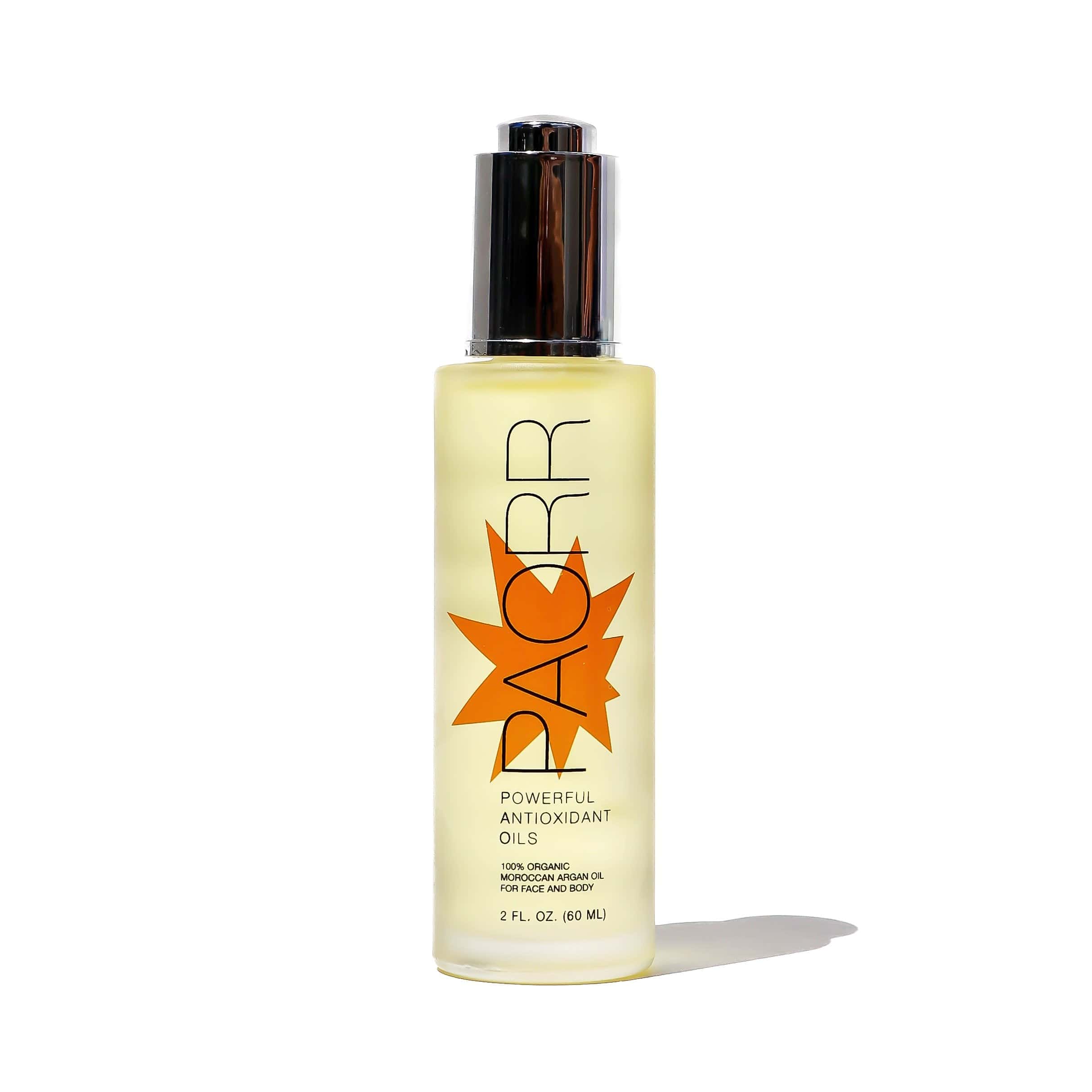
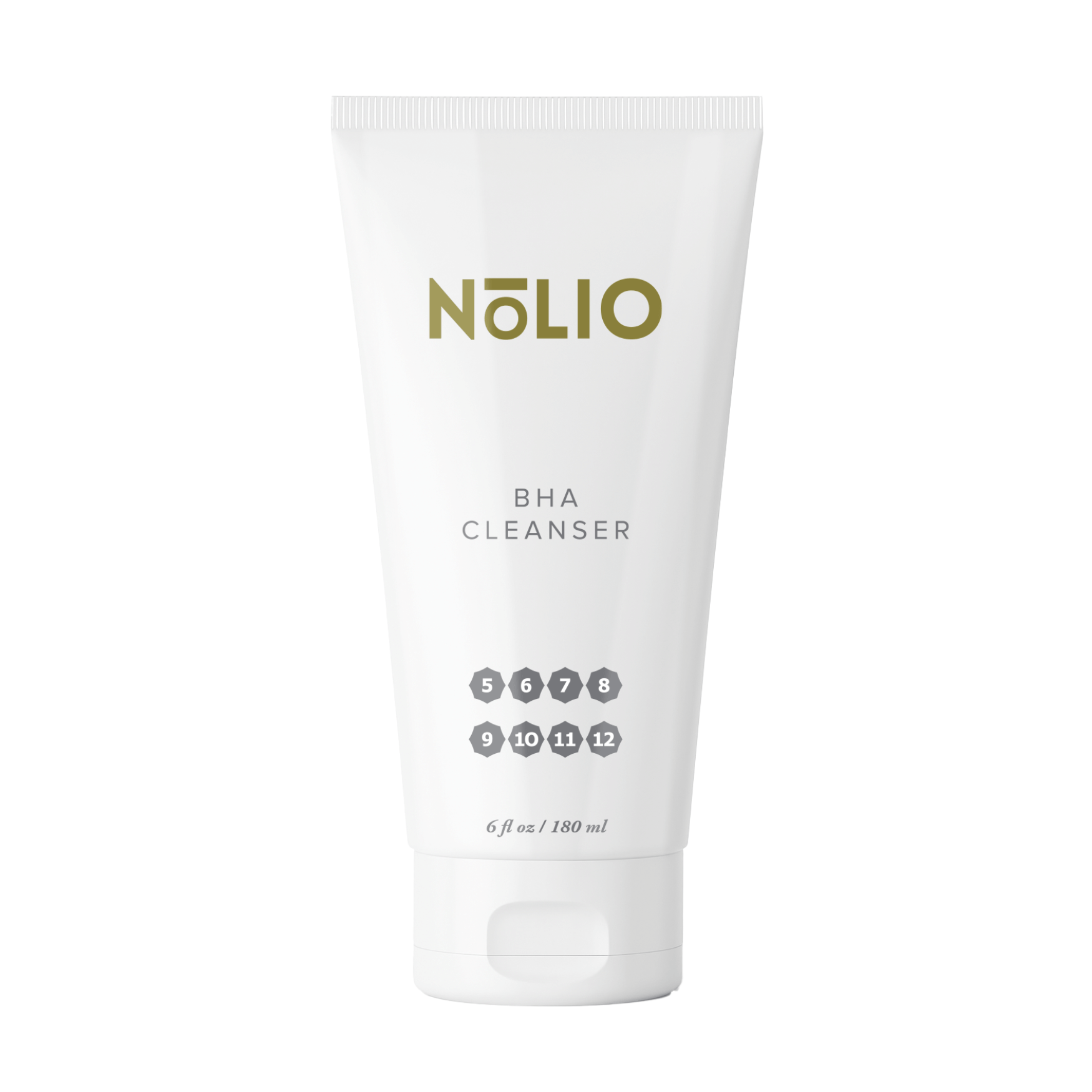
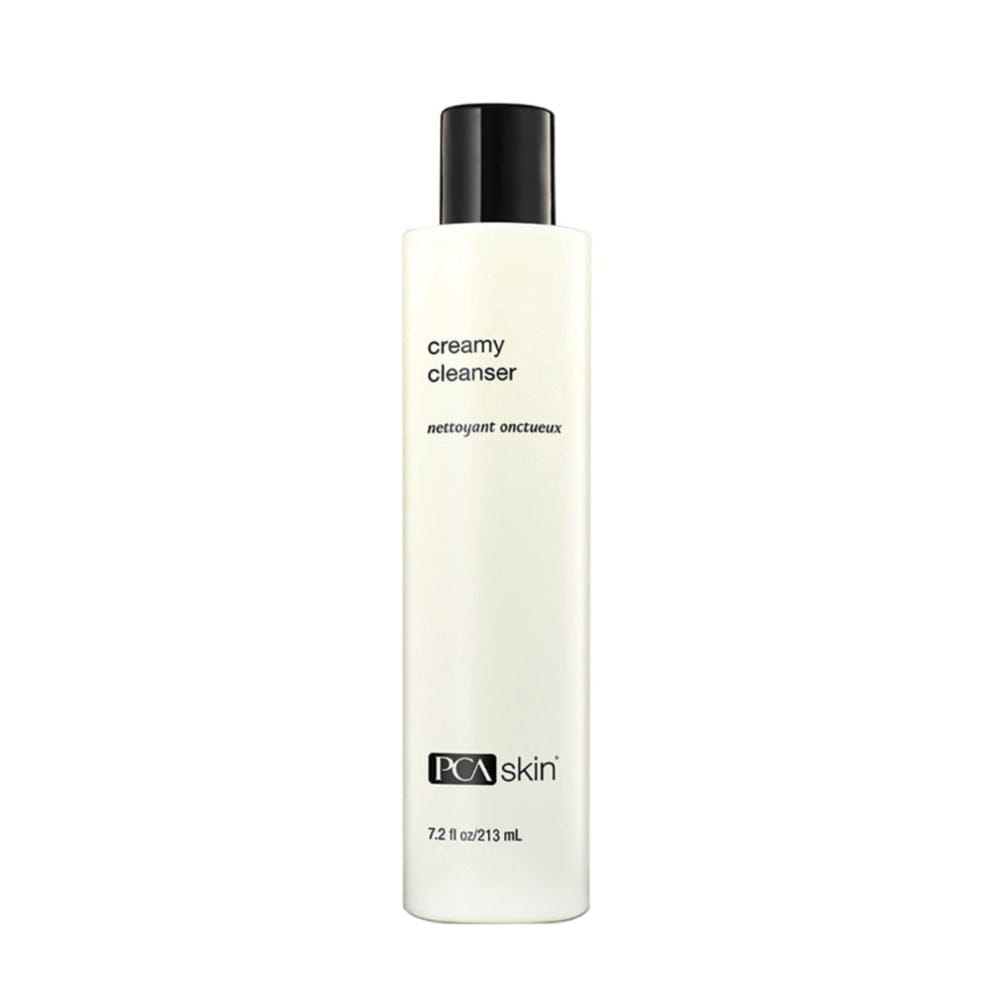
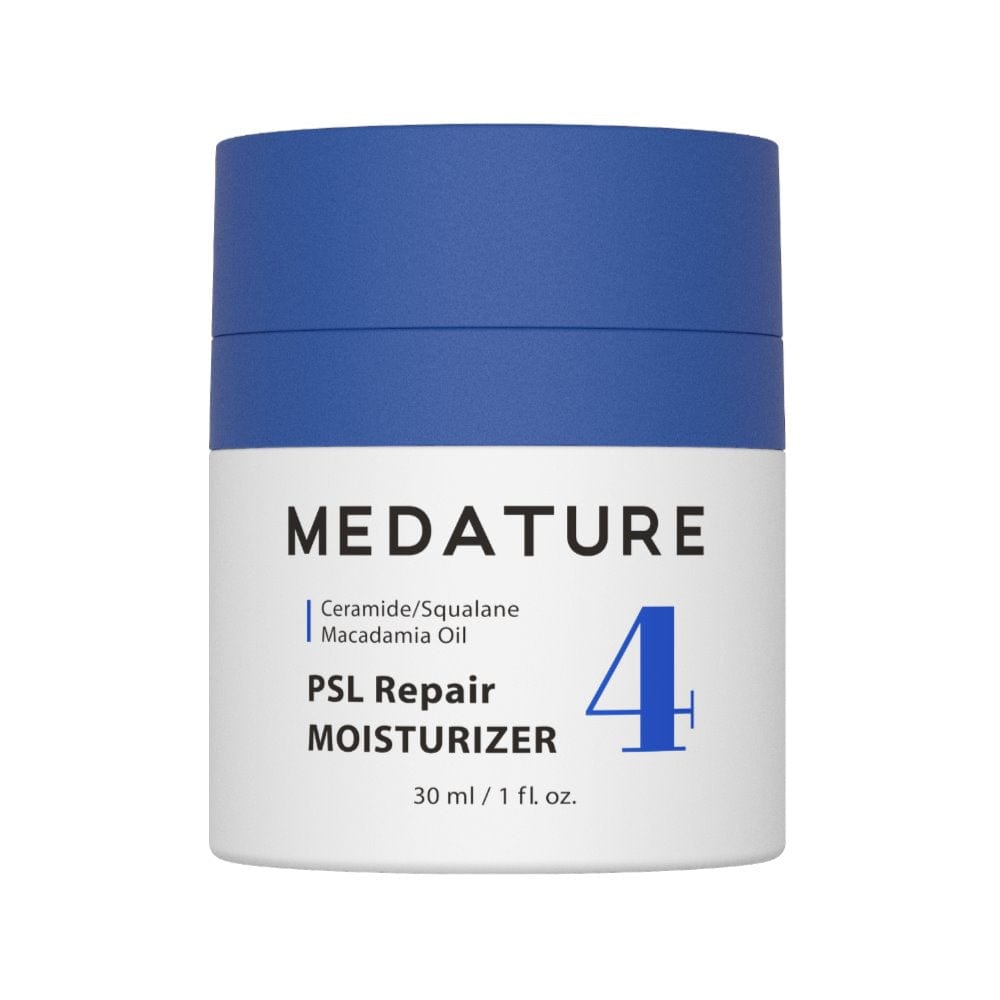
Many skin care products and brands use mango butter as a lighter alternative or complement to other moisturizing ingredients like cocoa butter or shea butter . This ingredient is also popular for its antioxidant benefits. Some of our favorite products that contain mango butter include:
Bottom Line
From deep hydration to powerful antioxidant protection, mango butter has a variety of skin benefits to offer. While this ingredient is generally well-tolerated by most skin types, it is still important to make sure products that contain it are right for your skin. For some people with acne-prone skin, mango butter may be problematic. Take the quiz below to find out your skin type and receive customized skin care recommendations based on your skin’s unique needs.

Dr. Leslie Baumann MD, FAAD
Is mango butter comedogenic?
No, mango butter is not considered to be comedogenic. However, it is still an occlusive ingredient that has the potential to seal in sweat, dirt, and oil, which could be problematic for some people with acne-prone skin.
Is mango butter or shea butter better for skin?
Both ingredients are hydrating and can be beneficial. Mango butter tends to be lighter, making it more ideal for hot climates or daily use. Shea butter tends to be thicker and can be used overnight or in winter or cooler climates.
Does mango butter boost collagen?
While mango butter itself does not increase collagen, it does contain vitamin C, which is needed for your skin to make more collagen. Additionally, its antioxidant properties can help to prevent collagen breakdown caused by sun damage and other environmental stressors.
Best References and Scientific Publications on Mango Butter
- Baumann L. Moisturizers in Ch. 43 of Baumann's Cosmetic Dermatology Ed 3. (McGraw Hill 2022)
- Baumann, L. Ch. Cosmeceuticals and cosmetic Ingredients (McGraw Hill 2015)
- Silva, J. R., Burger, B., Kühl, C. M., Candreva, T., Dos Anjos, M. B., & Rodrigues, H. G. (2018). Wound healing and omega‐6 fatty acids: From inflammation to repair. Mediators of inflammation, 2018(1), 2503950.
- Kostyuk, V., Potapovich, A., Stancato, A., De Luca, C., Lulli, D., Pastore, S., & Korkina, L. (2012). Photo-oxidation products of skin surface squalene mediate metabolic and inflammatory responses to solar UV in human keratinocytes.
- Hassan, M. M. (2021). Enhanced insect-resistance, UV protection, and antibacterial and antistatic properties exhibited by wool fabric treated with polyphenols extracted from mango seed kernel and feijoa peel. RSC advances, 11(3), 1482-1492.
- Abdullah, A. S. H., Mirghani, M. E. S., & Jamal, P. (2011). Antibacterial activity of Malaysian mango kernel. African Journal of Biotechnology, 10(81), 18739-18748.
- Mandawgade, S. D., & Patravale, V. B. (2008). Formulation and evaluation of exotic fat based cosmeceuticals for skin repair. Indian journal of pharmaceutical sciences, 70(4), 539.


