
Sale
Right for you
Not rated by skin type
-
Spend $150 or more
Free Black Friday Bundle
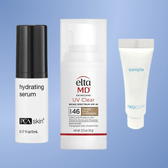
A Neocutis Bio Gel Firm Mini, PCA Hydrating Serum Travel Size, and EltaMD UV Clear Tinted SPF 46 Travel Size, free when your order reaches $150. It appears in your cart to add. While supplies last.
Shop Best Sellers -
With select full-size Alastin
Free Alastin travel size
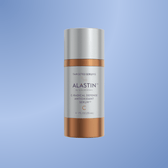
Buy an Alastin C-Radical Defense Antioxidant Serum and a travel size is added to your cart free. While supplies last.
Shop Alastin -
With select full-size Neocutis
Free Neocutis travel size
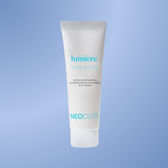
Buy a Neocutis Lumiere Firm Riche Eye Cream and two travel sizes will be added to your cart for free. While supplies last.
Shop Neocutis
Shop
Salicylic Acid Cleansers
17 products. Take the quiz to see which ones fit your skin.17 products.
Take the free quiz to unlock shopping by your skin type.
Take the quiz
Products
Sale
Right for you
Not rated by skin type
Right for you
Not rated by skin type
Right for you
Not rated by skin type
Right for you
Not rated by skin type
Right for you
Not rated by skin type
Right for you
Not rated by skin type
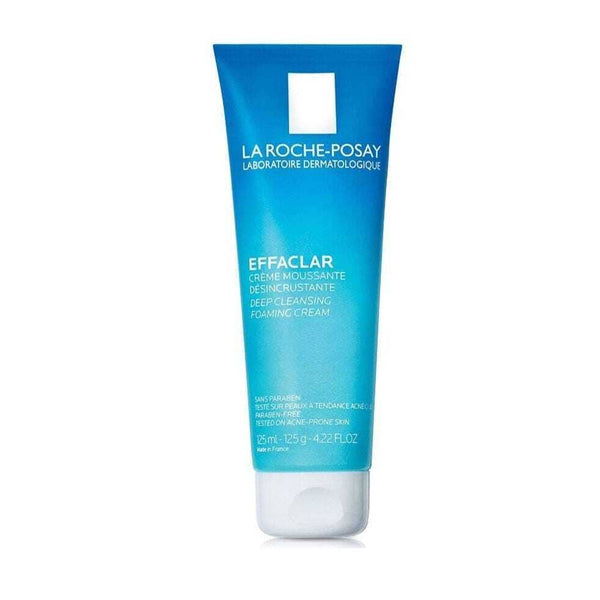
La Roche-Posay★ Brand you like
La Roche-Posay Effaclar Deep Cleansing Foaming Cream for Oily Skin
$24.99Over your budget
Right for you
Not rated by skin type

Right for you
Not rated by skin type
Right for you
Not rated by skin type
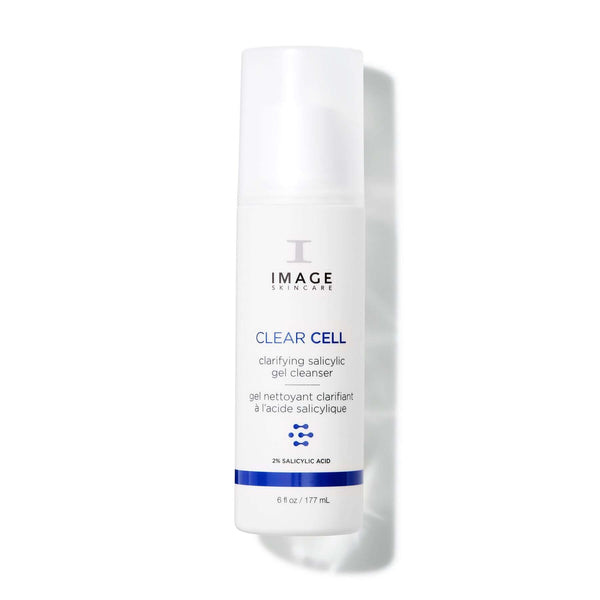
IMAGE Skincare★ Brand you like
IMAGE Skincare CLEAR CELL Clarifying Salicylic Gel Cleanser
$40Over your budget
SaleSold out
Right for you
Not rated by skin type
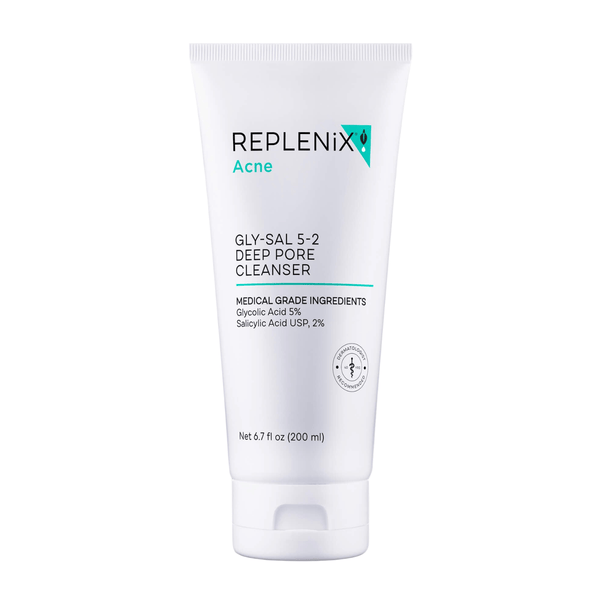
SaleSold out
Right for you
Not rated by skin type
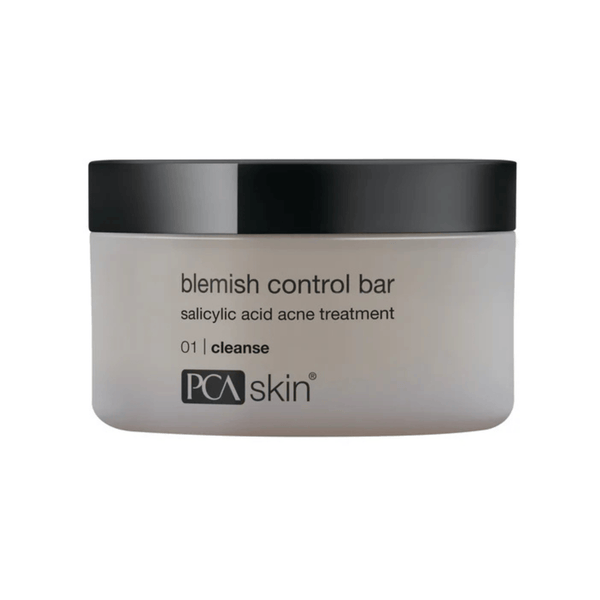
Sold out
Right for you
Not rated by skin type

La Roche-Posay★ Brand you like
La Roche-Posay Pigmentclar Brightening Deep Cleanser
$26.99Over your budget
Sold out
Right for you
Not rated by skin type
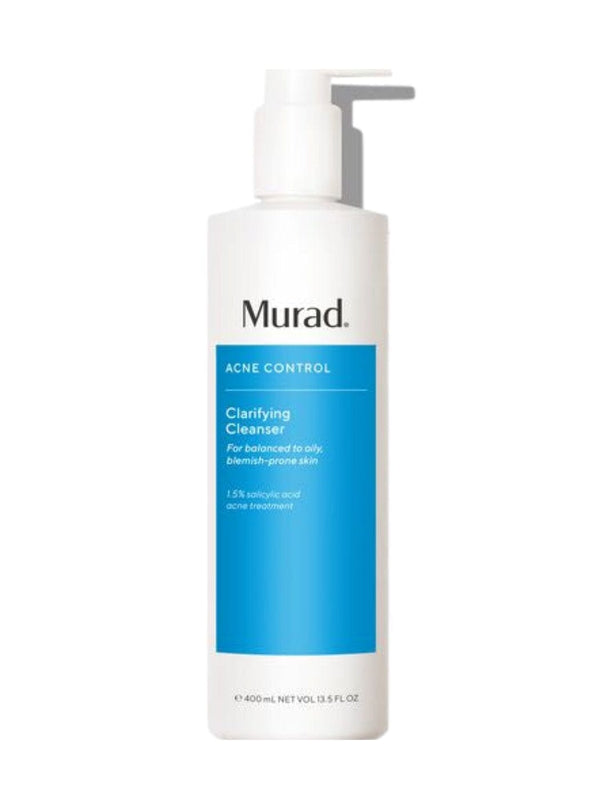
SaleSold out
Right for you
Not rated by skin type
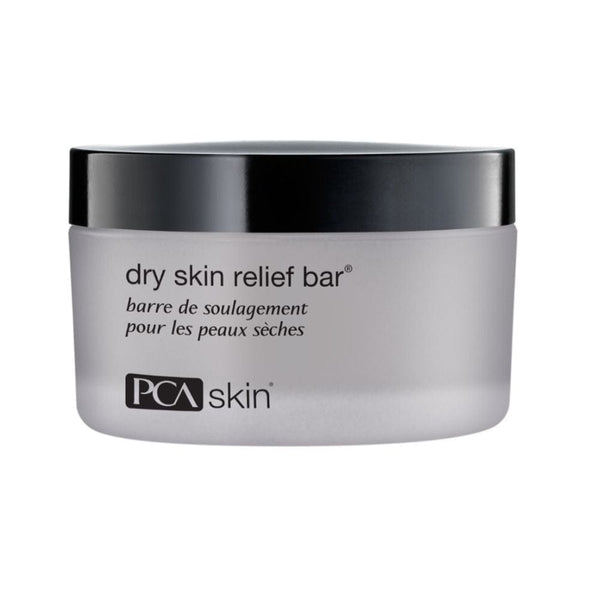
SaleSold out
Right for you
Not rated by skin type
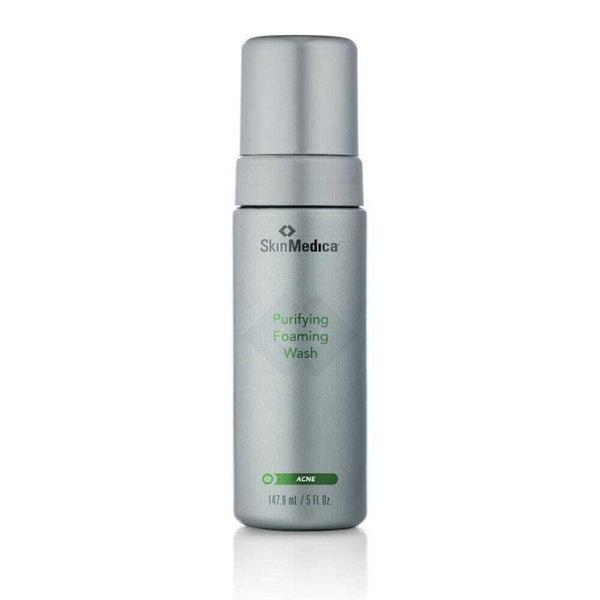
Sold out
Right for you
Not rated by skin type
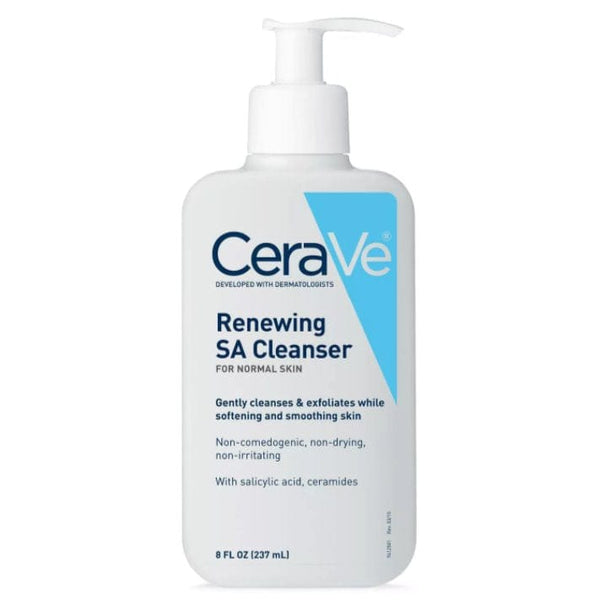
More about Salicylic Acid Cleansers
Salicylic acid (SA) cleansers are best for oily, acne-prone skin types because salicylic acid is an oil-soluble beta-hydroxy acid (BHA) that penetrates into pores to remove excess sebum and dead skin cells, helping prevent clogged pores, blackheads, whiteheads, and pimples. Salicylic acid also has anti-inflammatory properties that help calm acne-related inflammation. Most skin types that tolerate salicylic acid can use an SA cleanser once daily in the morning. However, how often you should use one depends on your Baumann Skin Type, including whether you have facial redness, burning, stinging, or ingredient allergies. Dry or easily irritated skin types may need a gentler cleanser or less frequent use to avoid damaging the skin barrier.
What Are Salicylic Acid Cleansers Used For?
Salicylic acid (SA) cleansers are used to treat acne, clogged pores, blackheads, facial redness, uneven skin texture, and dark spots left behind by acne. Salicylic acid is an oil-soluble beta-hydroxy acid (BHA) that penetrates into pores and helps loosen the bonds between dead skin cells, preventing clogged pores and breakouts. It also has anti-inflammatory properties that can help reduce acne-related redness by decreasing inflammatory signaling, including prostaglandin-mediated inflammation. Its exfoliating effects help remove pigmented surface cells to gradually fade post-inflammatory hyperpigmentation (dark spots) and smooth rough skin texture. Because salicylic acid is oil-soluble and can be drying, SA cleansers are best for oily skin types, particularly the OSPW, OSPT, ORPW, and ORPT Baumann Skin Types. However, people with facial stinging or an impaired skin barrier may need a gentler cleanser, even if their skin is oily.
How Often Should I Use a Salicylic Acid Cleanser?
If you have oily skin, you can use a salicylic acid (SA) cleanser once or twice a day, depending on your Baumann Skin Type and how sensitive your skin is. Use it once daily if you have facial redness or are just beginning exfoliating treatments such as tretinoin. You may be able to use it twice daily if your skin is already accustomed to retinoids and you have no dryness, peeling, redness, or stinging. More frequent use may help reduce clogged pores, blackheads, and acne-related redness because salicylic acid exfoliates and has anti-inflammatory properties. However, the more often you exfoliate, the greater your risk of over-exfoliation and skin barrier damage. Use salicylic acid cleansers less frequently when combining them with retinoids, vitamin C (ascorbic acid), facial scrubs, or other exfoliating acids. If your skin becomes dry, tight, red, or irritated, reduce how often you use the cleanser.
Does Salicylic Acid Cleanser Cause Purging or Make Acne Worse?
Salicylic acid cleansers do not typically cause purging the way retinoids such as tretinoin can. Tretinoin activates retinoid receptors and increases epidermal growth factor (EGF) signaling, stimulating skin cell proliferation and turnover, which may contribute to existing clogged pores becoming visible more quickly. Salicylic acid works differently than retinoids. It loosens the connections between dead skin cells and helps unclog pores without activating the same retinoid-driven EGF signaling pathway. However, using salicylic acid cleansers too frequently can cause over-exfoliation, disrupt the skin barrier, and disturb normal keratinocyte cohesion and shedding within the pilosebaceous unit. This irritation may make acne appear worse or contribute to new breakouts, but it is not true purging. If you develop redness, peeling, burning, or more pimples after starting a salicylic acid cleanser, reduce how often you use it and allow your skin barrier to recover.
How Long Should You Leave a Salicylic Acid Cleanser on Your Skin?
How long a salicylic acid (SA) cleanser should stay on your skin depends on the percentage of salicylic acid, the cleanser's pH, and the other ingredients in the formula. Lower pH levels increase the amount of free salicylic acid available to penetrate the skin, while other ingredients can affect its delivery and irritation potential. In general, 30–60 seconds of contact time is a reasonable guideline for most salicylic acid cleansers before rinsing, although the ideal time has not been established in clinical studies. Leaving the cleanser on longer may increase irritation without necessarily improving results. If you have facial redness, stinging, or are using retinoids or other exfoliants, use shorter contact times and follow the product's instructions.


