Right for you
Not rated by skin type

La Roche-Posay★ Brand you like
La Roche-Posay Anthelios Mineral Light Fluid Sunscreen SPF 50
$42.99Over your budget

Take the free quizFinish the free quiz to unlock shopping by your skin type.
Products for my skin type Everything approved forShopping for a friend? Shop any skin type
Shop
66 products. Take the quiz to see which ones fit your skin.66 products.
La Roche-Posay★ Brand you like
$42.99Over your budget
Bright Girl★ Brand you like
$40Over your budget
La Roche-Posay★ Brand you like
$34.99Over your budget
Bright Girl★ Brand you like
$40Over your budget
Vichy★ Brand you like
$34.99Over your budget
Blue Lizard★ Brand you like
From$9.99Over your budget
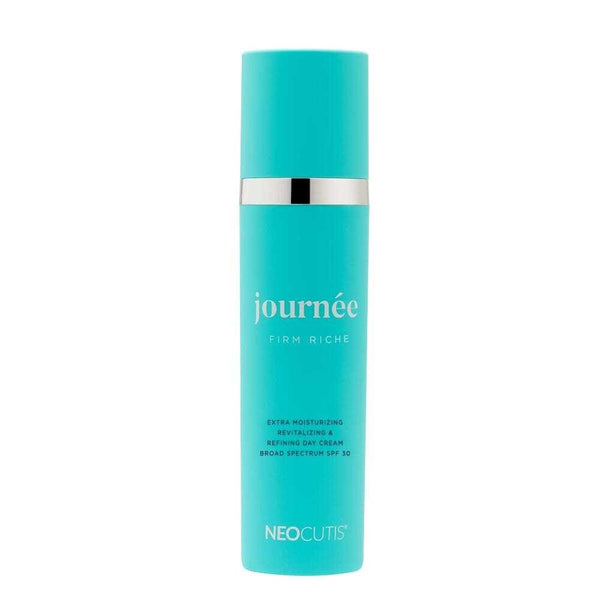
Neocutis★ Brand you like
$228Over your budget
Protect your skin and the reefs with our curated collection of oxybenzone and octinoxate-free SPF. These reef-safe sunscreens comply with Hawaii's legislation banning the sale of sunscreens containing these harmful ingredients. Instead, they use mineral active ingredients like zinc oxide and titanium dioxide for effective, eco-friendly sun protection.
Choose from our range of trusted brands offering sheer, water-resistant, and sensitive skin formulas. Whether you're hitting the beach in Hawaii or anywhere else in the world, these reef-safe sunscreens are the perfect choice for protecting both your skin and the delicate marine ecosystems. Find coral reef safe sunscreen spray, stick, and lotion sunscreens.
Oxybenzone, also known as Benzophenone-3, has been shown to cause coral bleaching even at low concentrations. When this chemical is introduced into the marine environment, it can disrupt coral reproduction, cause coral bleaching, and damage the DNA of corals, ultimately leading to their death. Oxybenzone is also harmful to other marine organisms like algae, fish, and marine mammals.
Octinoxate, also known as Octyl methoxycinnamate, is another common sunscreen ingredient that poses a threat to coral reefs. Like oxybenzone, octinoxate has been linked to coral bleaching and can disrupt the development and reproduction of various marine species. It can cause damage to the coral's DNA and negatively impact the resilience of coral reefs to climate change.
When you swim in the ocean with sunscreen on, some of it inevitably washes off your skin and enters the water. Chemical sunscreens, particularly those containing oxybenzone and octinoxate, are oil-soluble, meaning they don't dissolve in water. Instead, they can accumulate in the ocean and build up over time. These chemicals can have devastating effects on coral reefs.
Oxybenzone and octinoxate can cause coral bleaching, a phenomenon where corals expel the colorful algae (zooxanthellae) living in their tissues, turning the corals white. This happens because these chemicals disrupt the symbiotic relationship between the coral and the algae, which is crucial for the coral's survival. The algae provide the coral with essential nutrients through photosynthesis, and without them, the coral can starve. Additionally, oxybenzone and octinoxate can damage the DNA of corals, impair their reproduction and development, and weaken their resilience to stressors like climate change. This can lead to the death of coral reefs, which are vital ecosystems that support a vast array of marine life and protect coastlines from erosion and storms.