
Right for you
Not rated by skin type
Baumann Skin Type®
OSPW - Oily, Sensitive, Pigmented, Wrinkle-prone
125 products. Take the quiz to see which ones fit your skin.125 products.
Is OSPW your type? TakeFinish the free quiz to find out.
You are . See the products for your type →
Take the free quiz to unlock shopping by your skin type.
Take the quiz
Products
Right for you
Not rated by skin type
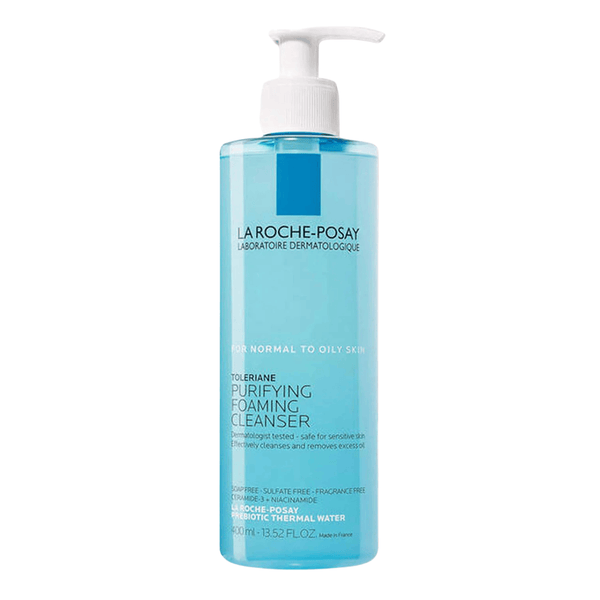
La Roche-Posay★ Brand you like
La Roche-Posay Toleriane Purifying Foaming Cleanser
From$7.99Over your budget
Right for you
Not rated by skin type
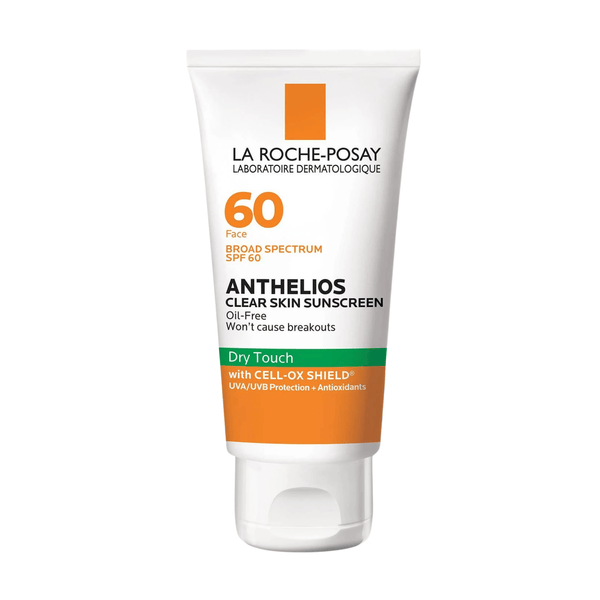
La Roche-Posay★ Brand you like
La Roche-Posay Anthelios Clear Skin Dry Touch Sunscreen SPF 60
From$19.99Over your budget
Right for you
Not rated by skin type
Right for you
Not rated by skin type
Right for you
Not rated by skin type

Right for you
Not rated by skin type
Right for you
Not rated by skin type
Right for you
Not rated by skin type
Right for you
Not rated by skin type
Right for you
Not rated by skin type
Right for you
Not rated by skin type
Right for you
Not rated by skin type
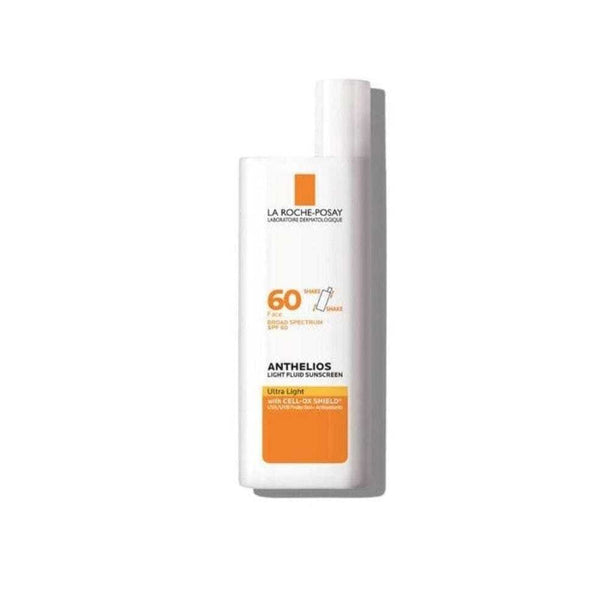
La Roche-Posay★ Brand you like
La Roche-Posay Anthelios 60 Ultra Light Fluid Sunscreen
$32.99Over your budget
Right for you
Not rated by skin type

La Roche-Posay★ Brand you like
La Roche-Posay Anthelios UV Correct Face Sunscreen SPF 70 with Niacinamide
$36.99Over your budget
Right for you
Not rated by skin type

SkinMedica★ Brand you like
SkinMedica Even & Correct Advanced Brightening Treatment
$178Over your budget
Right for you
Not rated by skin type
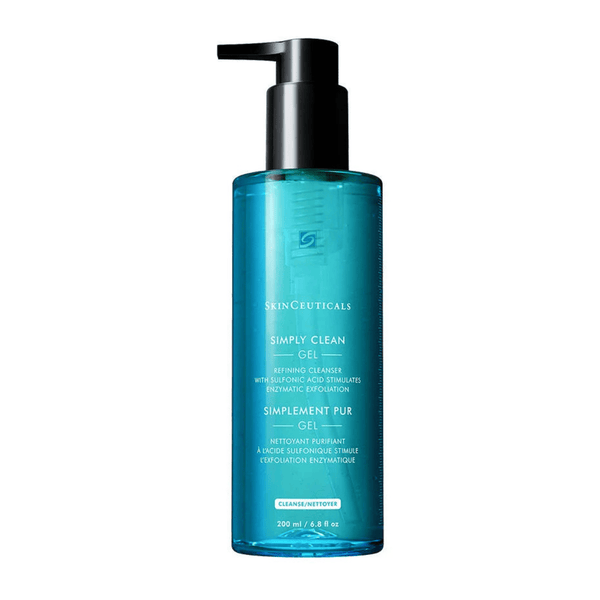
Right for you
Not rated by skin type
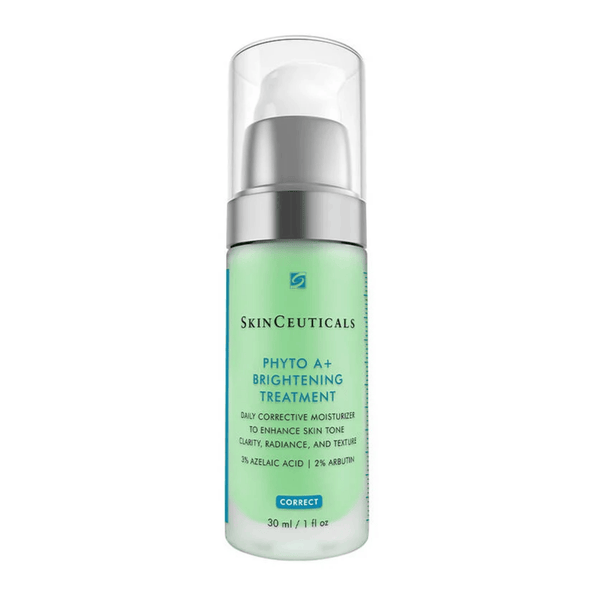
SkinCeuticals★ Brand you like
SkinCeuticals Phyto A+ Brightening Treatment Daily Corrective Moisturizer
$115Over your budget
Right for you
Not rated by skin type
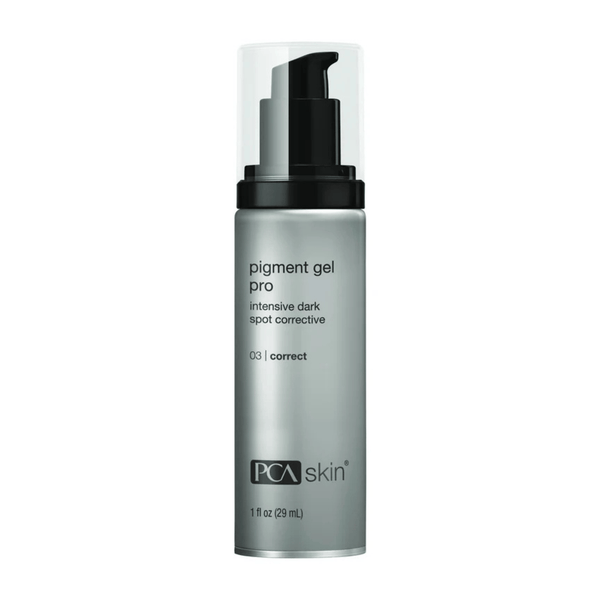
Right for you
Not rated by skin type
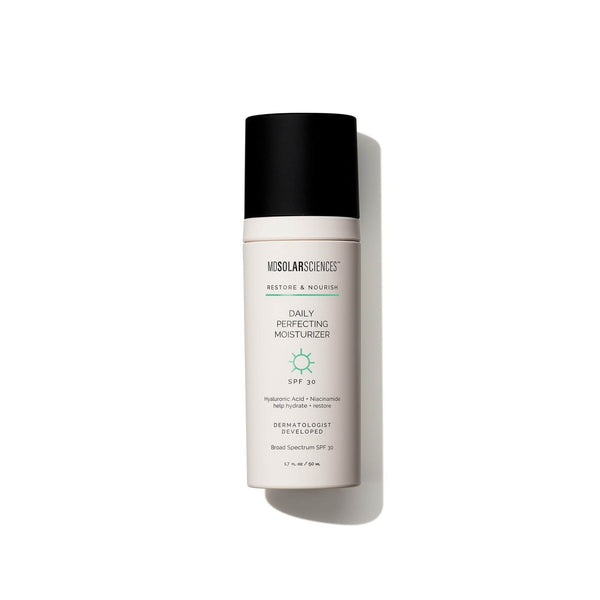
MDSolarSciences★ Brand you like
MDSolarSciences Daily Perfecting Moisturizer SPF 30
$78Over your budget
Right for you
Not rated by skin type
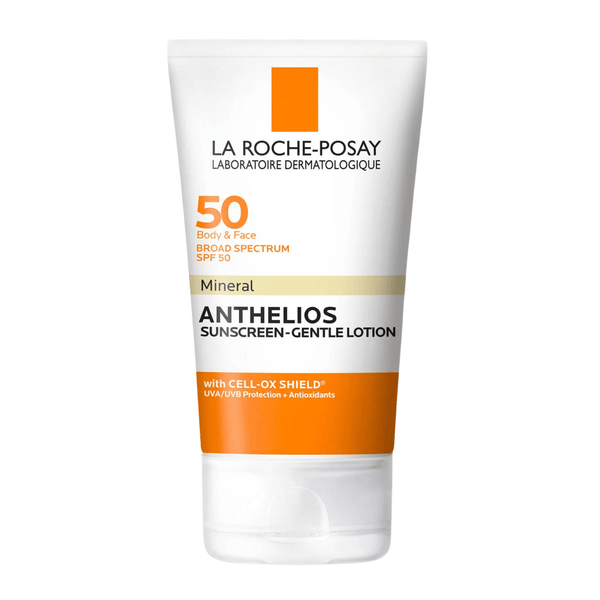
La Roche-Posay★ Brand you like
La Roche-Posay Anthelios SPF 50 Gentle Lotion Mineral Sunscreen
From$25.99Over your budget
Sold out
Right for you
Not rated by skin type

Sold out
Right for you
Not rated by skin type

La Roche-Posay★ Brand you like
La Roche-Posay Pigmentclar Brightening Deep Cleanser
$26.99Over your budget
Sold out
Right for you
Not rated by skin type
Sold out
Right for you
Not rated by skin type
More about skin type OSPW
OSPW skin is Oily, Sensitive, Pigmented and Wrinkle-Prone. This is a more complicated Baumann Skin Type because the routine needs to address oiliness and clogged pores, inflammation and sensitivity, uneven pigmentation, and skin aging at the same time. The products must be chosen carefully because treating one problem incorrectly can make another problem worse.
Unlike Dry skin types, OSPW skin produces plenty of its own sebum. Sebum acts as a natural occlusive, helping decrease water evaporation from the skin. For this reason, OSPW skin usually does not need heavy, lipid-rich barrier-repair moisturizers containing large amounts of oils, butters or other occlusive ingredients. These can feel sticky or greasy and may contribute to clogged pores in acne-prone OSPW skin.
When a moisturizer is needed, OSPW skin generally does better with a lightweight, noncomedogenic moisturizer that emphasizes humectants such as glycerin and hyaluronic acid. Humectants increase hydration without adding unnecessary lipids to already-oily skin.
OSPW skin also usually prefers a foaming cleanser that removes excess sebum and leaves the skin feeling clean rather than coated. However, because the S means Sensitive, the cleanser and treatment products must be selected according to the OSPW sensitivity subtype. OSPW skin may be prone to acne, rosacea, stinging or skin allergies, and these different sensitivity problems require different ingredients.
The Pigmented and Wrinkle-Prone letters add two more treatment goals. OSPW routines may need skin-lightening ingredients for dark spots and anti-aging ingredients such as retinoids, but these treatments must be balanced with the skin's sensitivity and tendency toward inflammation.
One of the most difficult products for OSPW and other Oily Baumann Skin Types to find is a daily sunscreen. The sunscreen needs to provide excellent protection without feeling heavy, oily or greasy and should be noncomedogenic so it does not contribute to clogged pores. Finding an SPF that feels good enough to wear every day is especially important for OSPW skin because sun exposure can worsen both pigmentation and skin aging.
OSPW demonstrates why knowing only that you have “oily skin” is not enough to choose skincare. OSPW needs a different combination of cleanser, moisturizer, treatment serums and sunscreen than other Oily Baumann Skin Types. The Sensitive, Pigmented and Wrinkle-Prone characteristics determine which active ingredients should be used, which should be avoided and how the products should be combined in the complete skincare routine.
What is the best cleanser for OSPW skin with acne?
If you have OSPW skin with acne or clogged pores, a salicylic acid cleanser is one of the best face washes to choose. Salicylic acid is lipophilic, which means it is attracted to oil and can penetrate into sebum-filled pores. This makes it particularly useful for Oily skin types that are prone to clogged pores and acne.
Salicylic acid also exfoliates the skin surface, which can help improve dark spots, rough texture and dullness. This makes it especially useful for OSPW because one ingredient can address concerns related to the Oily, Sensitive, Pigmented and Wrinkle-Prone characteristics of this skin type. Salicylic acid is a salicylate, the same drug family as aspirin, and also has anti-inflammatory activity.
More is not always better. If you are only slightly oily, try using your salicylic acid cleanser once a day, such as in the morning, and use a different cleanser formulated for oily skin at night. Salicylic acid cleansers are acidic and can become irritating for some Sensitive skin types when used too frequently.
Be particularly careful when beginning a retinoid. By exfoliating the stratum corneum, salicylic acid can increase penetration of products applied afterward, which may increase retinoid irritation when you first start treatment. You can temporarily decrease your salicylic acid cleanser to every other day or every third day while your skin adjusts to the retinoid, then increase the frequency if your skin tolerates it.
What kind of moisturizer is best for OSPW skin?
OSPW skin usually does not need the heavy, lipid-rich barrier-repair moisturizers recommended for Dry Baumann Skin Types. Oily skin already produces sebum, which provides natural occlusive lipids and helps reduce water loss.
If your OSPW skin needs more hydration, look for a lightweight, noncomedogenic moisturizer rich in humectants such as glycerin, hyaluronic acid or sodium PCA. These ingredients increase hydration without adding large amounts of oils and occlusives.
Avoid choosing a moisturizer simply because it is marketed for “Sensitive skin.” A rich cream designed for Dry Sensitive skin may leave OSPW skin feeling greasy or sticky and can contribute to clogged pores. Your moisturizer needs to match all four letters of your Baumann Skin Type, not just the S.
What sunscreen is best for OSPW skin?
Finding the right sunscreen can be one of the hardest parts of an OSPW routine. Many sunscreens feel greasy or heavy on oily skin, and some formulations contain ingredients that can contribute to clogged pores.
Look for a lightweight, noncomedogenic broad-spectrum sunscreen that you actually enjoy wearing every day. This is particularly important for OSPW because UV exposure can worsen both uneven pigmentation and skin aging.
If dark spots or melasma are a concern, a tinted sunscreen containing iron oxides can provide additional protection against visible light that can contribute to hyperpigmentation. The best sunscreen for OSPW is not simply the sunscreen with the highest SPF. It is one that provides appropriate protection, does not clog your pores or feel excessively greasy, and that you will consistently apply every morning.
How should OSPW skin treat dark spots and wrinkles without irritating sensitive skin?
OSPW skin needs treatment for pigmentation and skin aging, but the S for Sensitive means you cannot simply use every strong skin-lightening and anti-aging ingredient at the same time.
The best routine depends partly on your Sensitive skin subtype. Someone with acne may need a different combination of products than someone with rosacea, stinging or skin allergies. Inflammation also matters because irritation can worsen hyperpigmentation, especially in Pigmented skin types.
Introduce stronger active ingredients gradually rather than starting several at once. Retinoids, skin-lightening ingredients, exfoliating acids and other anti-aging treatments can all be useful for OSPW, but their frequency and combination should be chosen so that you treat pigmentation and aging without triggering unnecessary inflammation.
This is why two people with OSPW skin may not receive exactly the same routine. The complete regimen should address oiliness, sensitivity subtype, pigmentation and aging together, rather than choosing products for each problem independently.


