
Right for you
Not rated by skin type
Baumann Skin Type®
ORPT - Oily, Resistant, Pigmented, Tight
98 products. Take the quiz to see which ones fit your skin.98 products.
Is ORPT your type? TakeFinish the free quiz to find out.
You are . See the products for your type →
Take the free quiz to unlock shopping by your skin type.
Take the quiz
Products
Right for you
Not rated by skin type
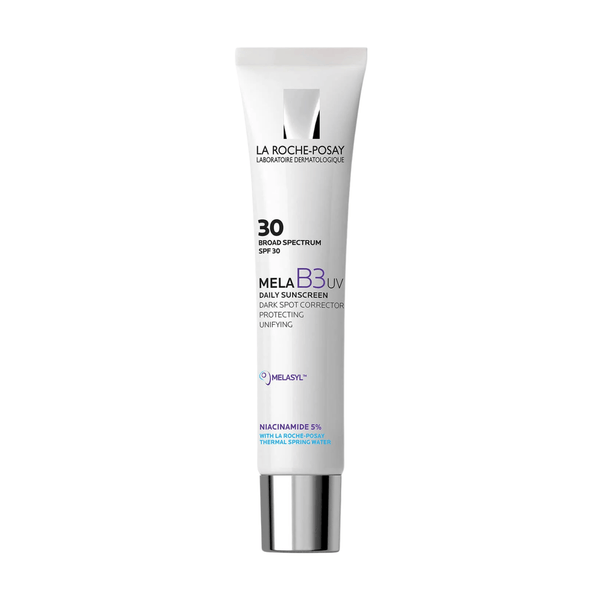
La Roche-Posay★ Brand you like
La Roche-Posay Mela B3 UV Broad Spectrum SPF 30
$34.99Over your budget
Right for you
Not rated by skin type
Right for you
Not rated by skin type

Right for you
Not rated by skin type
Right for you
Not rated by skin type

Right for you
Not rated by skin type
Right for you
Not rated by skin type
Right for you
Not rated by skin type
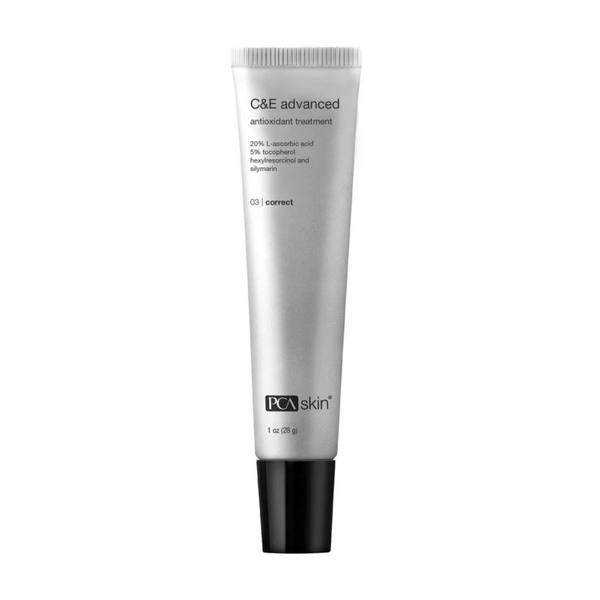
PCA Skin★ Brand you like
PCA Skin C&E Advanced with Hexylresorcinol and Silymarin
$137Over your budget
Sold out
Right for you
Not rated by skin type

Sold out
Right for you
Not rated by skin type

Sold out
Right for you
Not rated by skin type
Sold out
Right for you
Not rated by skin type
Sold out
Right for you
Not rated by skin type
Sold out
Right for you
Not rated by skin type

La Roche-Posay★ Brand you like
La Roche-Posay Pigmentclar Brightening Deep Cleanser
$26.99Over your budget
Sold out
Right for you
Not rated by skin type

Sold out
Right for you
Not rated by skin type
Sold out
Right for you
Not rated by skin type
Sold out
Right for you
Not rated by skin type
Sold out
Right for you
Not rated by skin type
Sold out
Right for you
Not rated by skin type
Sold out
Right for you
Not rated by skin type
Sold out
Right for you
Not rated by skin type
Sold out
Right for you
Not rated by skin type
More about skin type ORPT
ORPT stands for Oily, Resistant, Pigmented and Tight. It is one of the 16 Baumann Skin Types. The O means your skin produces plenty of sebum and is not dry. The R means your skin is Resistant and is not prone to redness, stinging, acne or other sensitivity concerns. The P means your skin has unwanted pigmented spots or areas of uneven skin color. The T means you do not yet have significant risk factors for skin aging and are young enough that anti-aging treatment is not a priority.
ORPT skin is usually easy to care for. Your main concerns are oiliness and hyperpigmentation, with perhaps some blackheads or clogged pores. Your skincare routine should focus on keeping pores clear, improving dark spots and preventing new pigmentation.
Choose lightweight, noncomedogenic products that will not clog pores. Gentle skin-lightening ingredients such as niacinamide are a good choice for ORPT skin because you have unwanted pigmentation to treat. If you have blackheads or clogged pores, salicylic acid is particularly useful because it is oil-soluble and can penetrate through sebum into clogged pores.
Daily sunscreen is essential because UV and visible light exposure can worsen hyperpigmentation. A lightweight tinted sunscreen with iron oxides is a good choice for ORPT skin. Because your skin already produces plenty of sebum, you usually do not need a separate moisturizer in the morning. Your sunscreen can take its place.
You do not need an extensive anti-aging routine. Do not treat skin problems you do not have. Focus on controlling excess oil, keeping pores clear, treating hyperpigmentation and protecting your skin from future damage.
The good news is that your Baumann Skin Type can change. Once your unwanted dark spots and uneven pigmentation have cleared, your P (Pigmented) can change to N (Non-Pigmented), making your skin type ORNT. This is the goal when you follow the customized skincare recommendations for your ORPT skin type. Once your skin type changes, retake the quiz so your skincare routine can change with it.
Do I need a Do I need a niacinamide serum if I have oily skin?
Yes, but not because your skin is oily. Not all oily skin types have the same skincare needs. ORPT skin benefits from niacinamide because the P means you have unwanted pigmented spots or uneven skin color.
Niacinamide can help improve dark spots by decreasing the transfer of melanin-containing melanosomes from melanocytes to surrounding skin cells. It is a gentle skin-lightening ingredient that works well in lightweight products for oily skin.
An oily skin type without pigmentation, such as ORNT, does not need niacinamide simply because it is oily. This is why knowing your complete Baumann Skin Type is important when choosing skincare ingredients. For ORPT skin, niacinamide has a purpose: helping treat your dark spots.
What ingredients should I use for dark spots?
ORPT skin can use skin-lightening ingredients that target different steps in pigment production. Niacinamide is a gentle option. Other ingredients for hyperpigmentation include tranexamic acid, alpha-arbutin, azelaic acid, vitamin C, hexylresorcinol, 4-butylresorcinol and cysteamine.
Because ORPT is Resistant (R) rather than Sensitive (S), it can tolerate stronger skin-lightening ingredients that may be more irritating to Sensitive Baumann Skin Types. Hexylresorcinol, 4-butylresorcinol and cysteamine are good examples of potent skin-lightening ingredients that can be considered for ORPT skin.
You do not need to use all of these at once. The best results come from combining compatible skin-lightening ingredients in the correct steps of your customized ORPT skincare routine.
Do I need tinted sunscreen if I wear makeup?
Yes. Makeup is not a substitute for sunscreen, even when the makeup has an SPF on the label. SPF testing uses a much larger amount of product than most people normally apply as foundation or facial powder. This means the amount of makeup you actually wear is unlikely to provide the level of sun protection stated on the label.
This is especially important if you have melasma or unwanted dark spots, because both UV radiation and visible light can worsen pigmentation. A tinted sunscreen containing iron oxides provides visible-light protection in addition to UV protection.
For ORPT skin, it is much better to use a lightweight, noncomedogenic tinted sunscreen formulated for oily skin as your primary sun protection rather than relying on facial foundation or powder with SPF. You can still apply makeup over your sunscreen if you want additional coverage.
Is double cleansing good for oily skin?
Yes, double cleansing is fine for oily skin if you wear makeup or have sunscreen that is difficult to remove. If you prefer to use an oil cleanser or cleansing oil to dissolve makeup and sunscreen, follow it with a foaming cleanser formulated for oily skin.
The second cleanse is important because it helps remove the oils left behind by the oil cleanser, along with excess sebum and any remaining makeup or sunscreen.
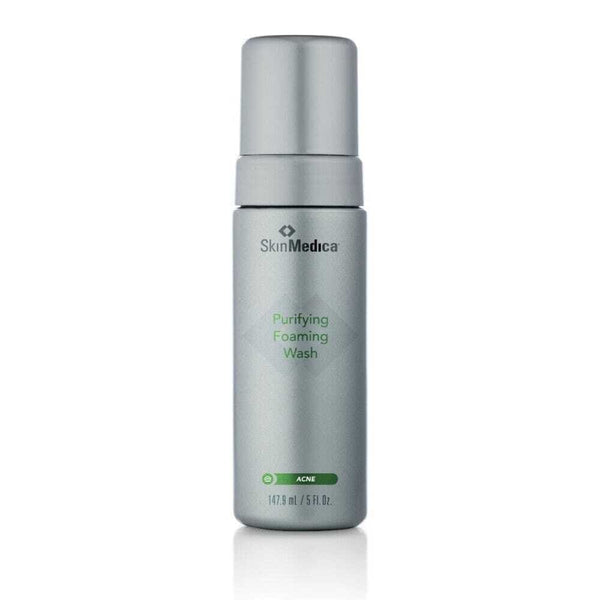
Choose a foaming cleanser from this collection to use after your oil cleanser or cleansing oil. If you have clogged pores or blackheads, a salicylic acid cleanser is a good choice for the second step.


