
Right for you
Not rated by skin type
Baumann Skin Type®
DRNT - Dry, Resistant, Non-pigmented, Tight
81 products. Take the quiz to see which ones fit your skin.81 products.
Is DRNT your type? TakeFinish the free quiz to find out.
You are . See the products for your type →
Take the free quiz to unlock shopping by your skin type.
Take the quiz
Products
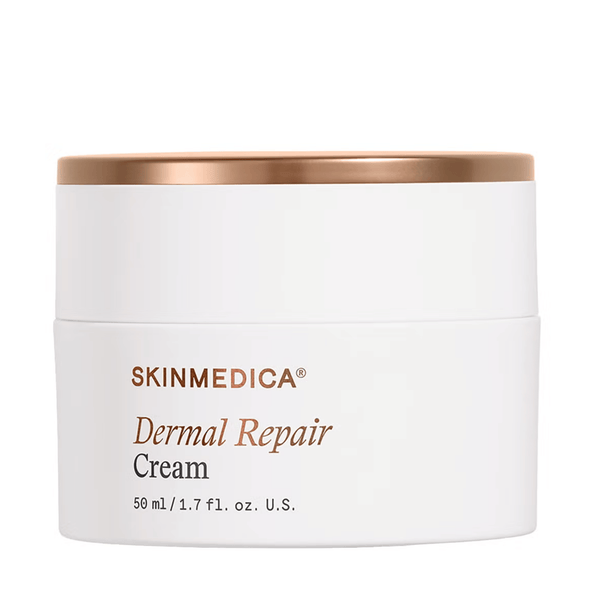
Right for you
Not rated by skin type
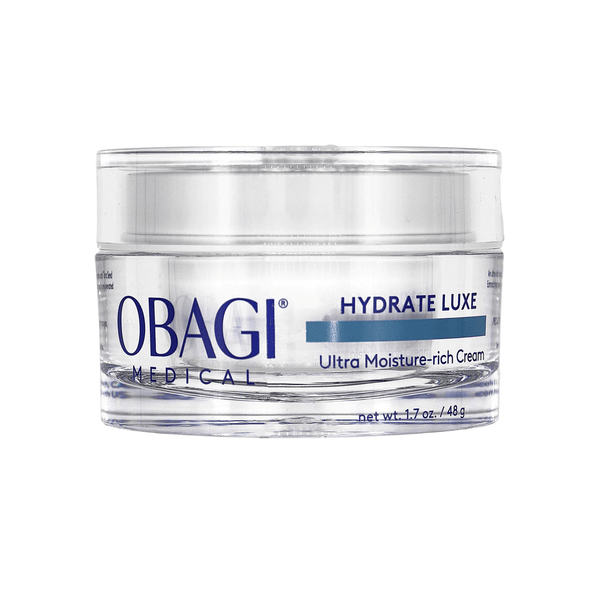
Right for you
Not rated by skin type
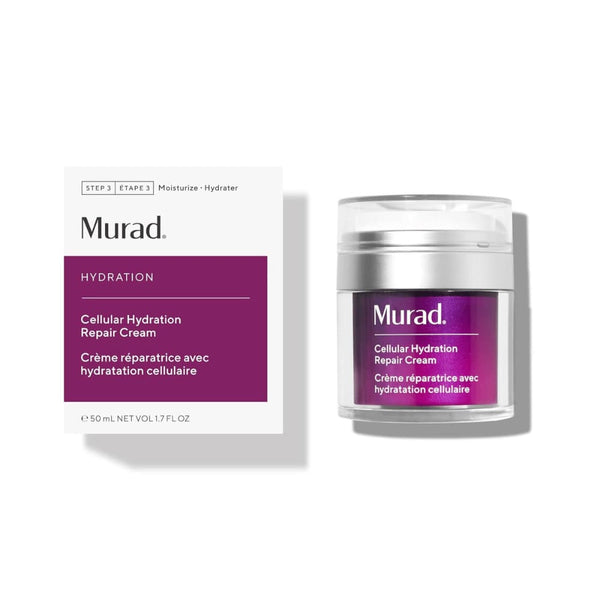
Right for you
Not rated by skin type
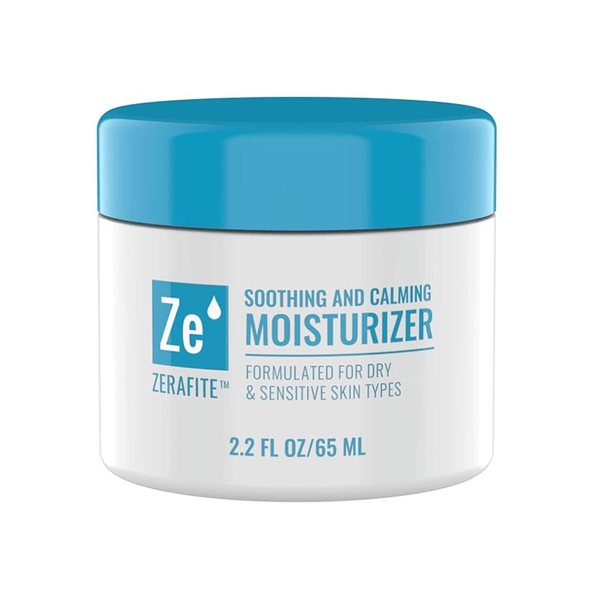
Right for you
Not rated by skin type
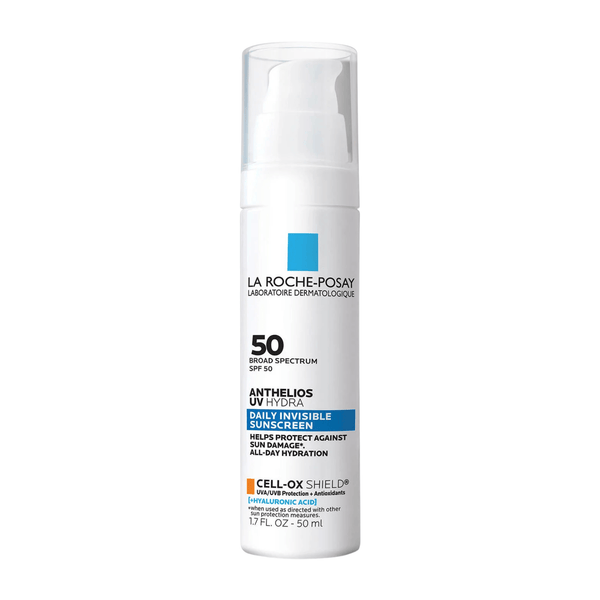
La Roche-Posay★ Brand you like
La Roche-Posay Anthelios UV Hydra Broad Spectrum SPF 50
$39.99Over your budget
Right for you
Not rated by skin type
Right for you
Not rated by skin type
Right for you
Not rated by skin type
Right for you
Not rated by skin type
Right for you
Not rated by skin type
Right for you
Not rated by skin type
Right for you
Not rated by skin type
Right for you
Not rated by skin type
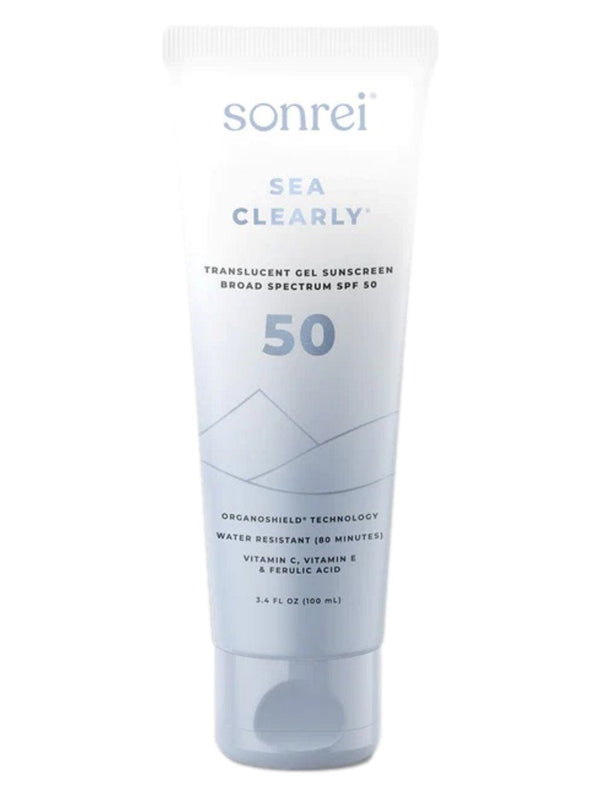
Sold out
Right for you
Not rated by skin type
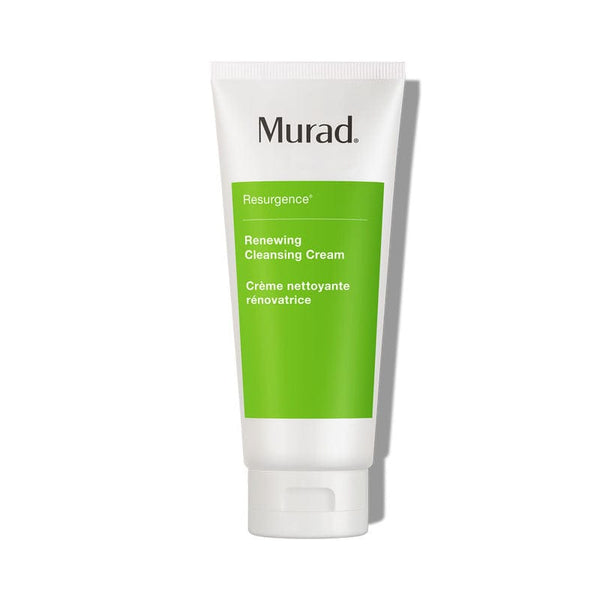
Sold out
Right for you
Not rated by skin type
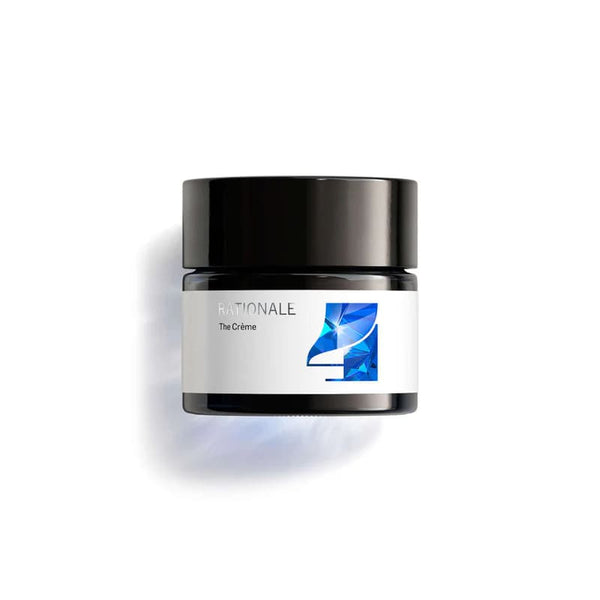
Sold out
Right for you
Not rated by skin type
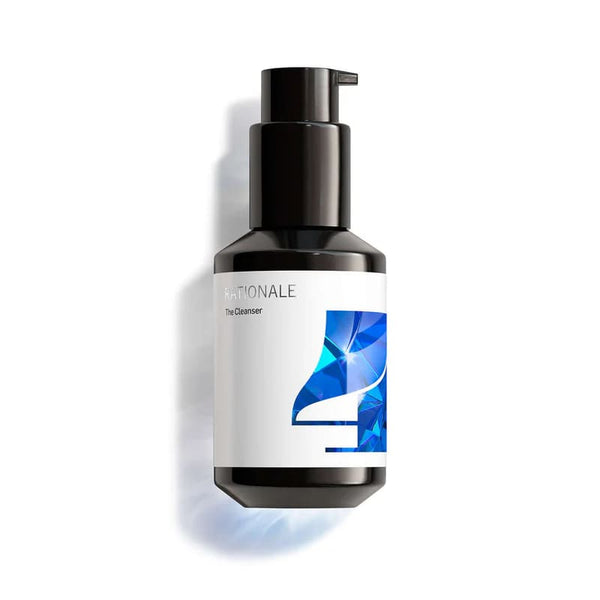
Sold out
Right for you
Not rated by skin type
Sold out
Right for you
Not rated by skin type
Sold out
Right for you
Not rated by skin type
Sold out
Right for you
Not rated by skin type
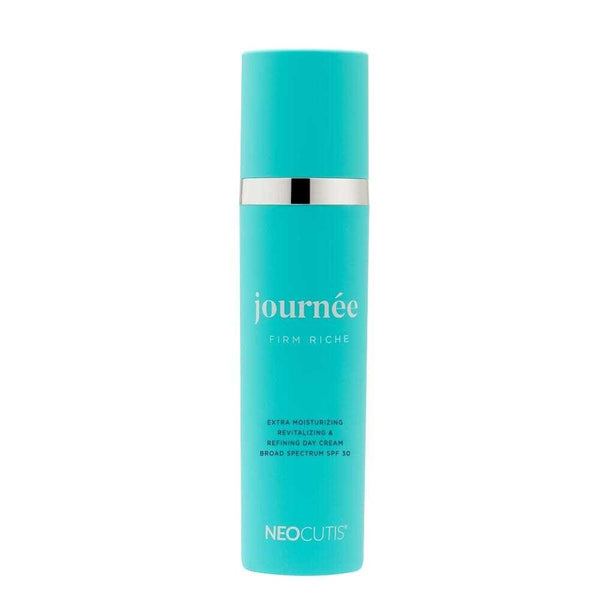
Neocutis★ Brand you like
Neocutis Journee Firm Riche Extra Moisturizing Revitalizing & Refining Day Cream SPF 30
$228Over your budget
Sold out
Right for you
Not rated by skin type
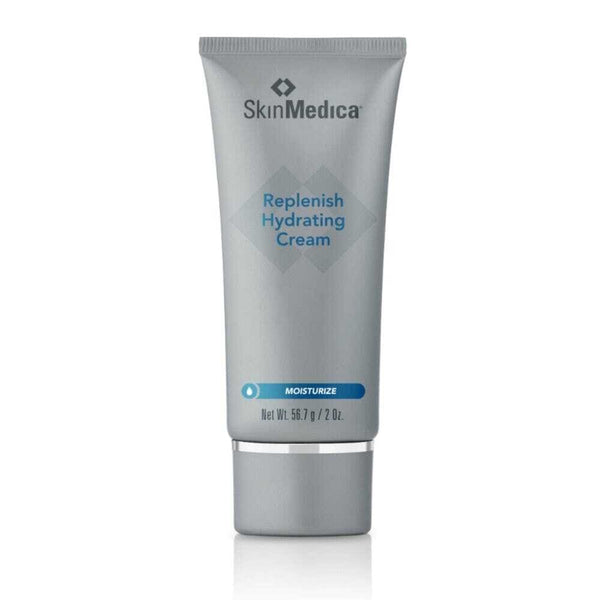
Sold out
Right for you
Not rated by skin type
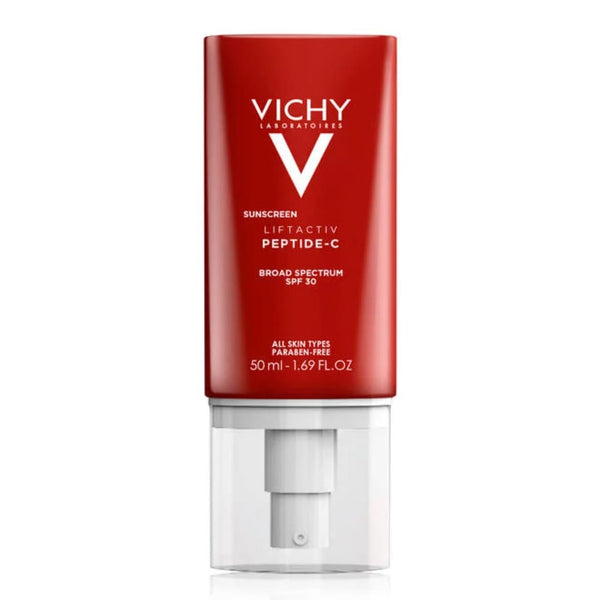
Sold out
Right for you
Not rated by skin type
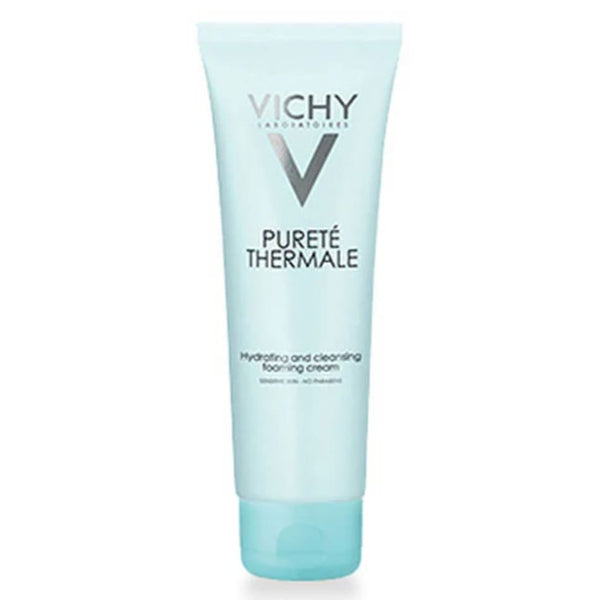
Sold out
Right for you
Not rated by skin type
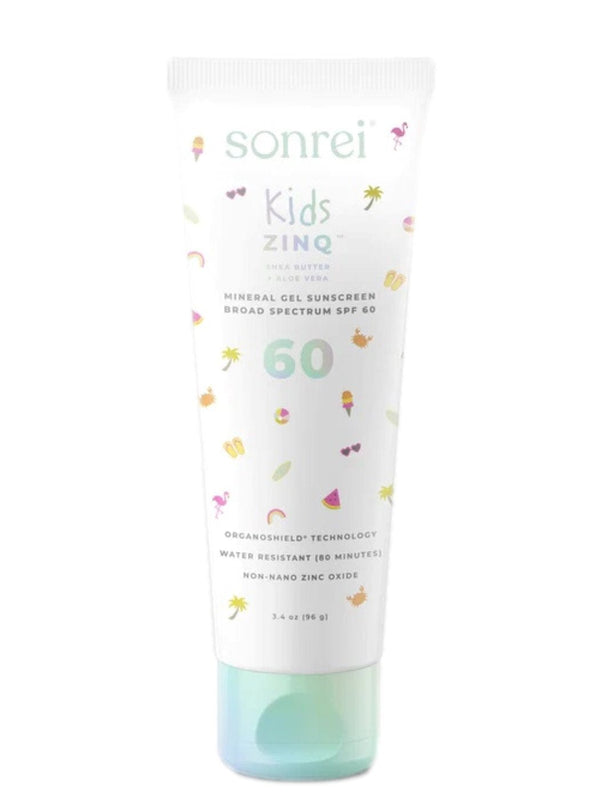
More about skin type DRNT
DRNT skin is Dry, Resistant, Non-Pigmented and Tight and is one of the easiest Baumann Skin Types to care for. DRNT skin is not usually prone to acne, rosacea, stinging, skin allergies, dark spots or premature skin aging. The main concern is dryness, so the routine can be very simple.
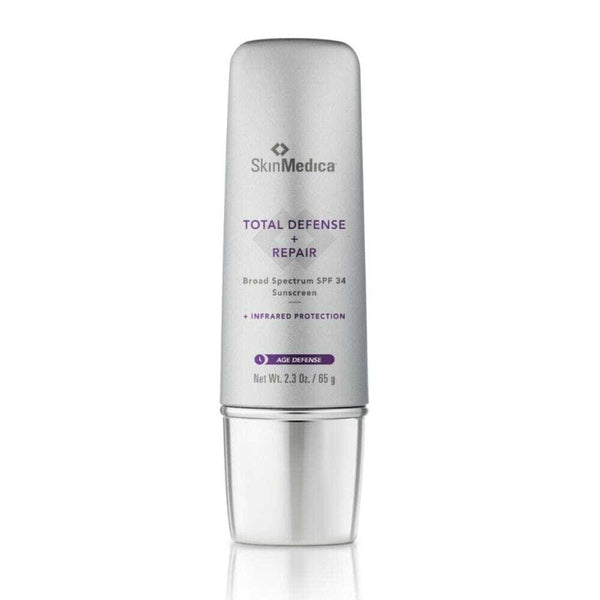
DRNT skin really needs only three essential products: a barrier-safe cleanser, a barrier-repair moisturizer and a daily sunscreen.
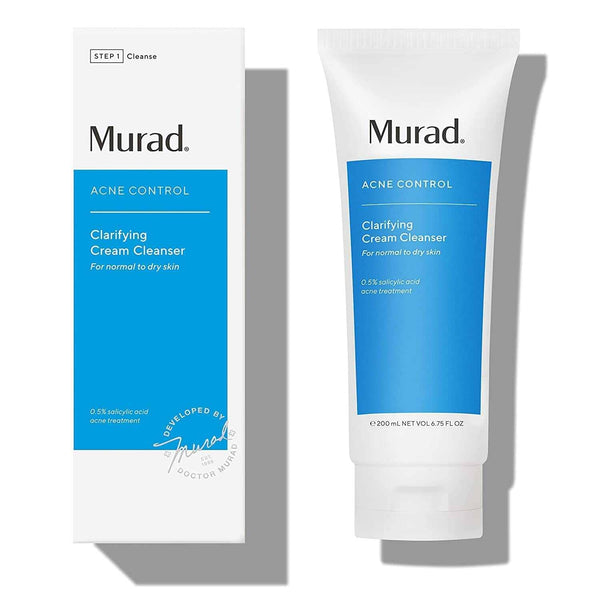
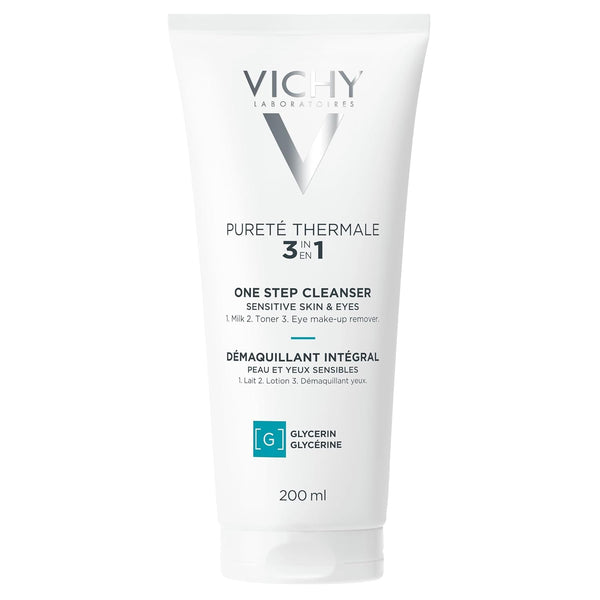
A creamy, hydrating cleanser is ideal because it cleanses without unnecessarily stripping the natural lipids from already-dry skin. Follow with a barrier-repair moisturizer containing humectants to attract and hold water, occlusives to decrease transepidermal water loss (TEWL), and barrier-repair lipids such as ceramides, fatty acids and cholesterol. Finish the morning routine with a broad-spectrum SPF every day to protect the skin and help keep this Tight skin type from becoming Wrinkle-Prone.
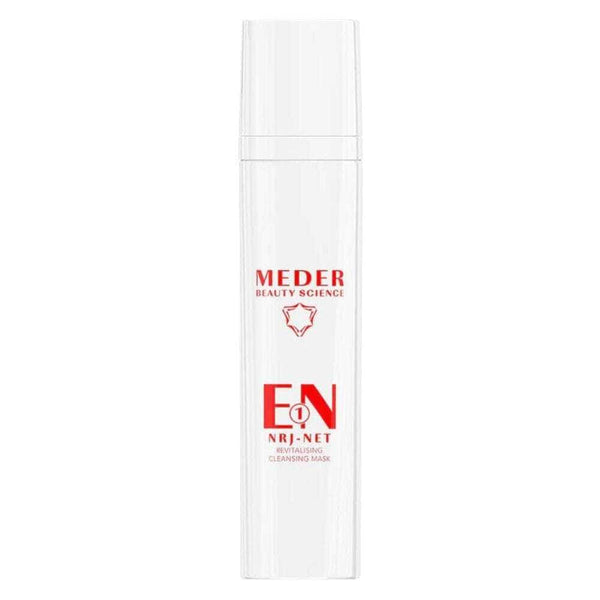
If DRNT skin looks rough, dull or lacks radiance, gentle exfoliation can be added. A facial scrub once or twice a week or an exfoliating mask can remove excess dead skin cells and help the skin look smoother, brighter and more radiant. There is no need to over-exfoliate or add multiple treatment products.
One of the advantages of being DRNT is that you do not need to spend money or valuable steps in your routine treating problems you do not have. A simple routine that protects the skin barrier, maintains hydration and prevents future sun damage is usually all DRNT skin needs.
What do DRNT skin types do wrong with their skincare routine?
The biggest mistake I see DRNT skin types make is treating skin problems they do not have. DRNT is one of the easiest Baumann Skin Types, but using unnecessary products can cause dryness, irritation and inflammation and potentially move your skin toward a more difficult skin type.
Avoid adding trendy ingredients simply because they are popular. DRNT skin usually does not need snail mucin, rice toners, drying toners or azelaic acid. These products add unnecessary steps and, depending on the formulation, may make dry skin more difficult to manage.
If you are under 30, you also generally do not need to spend money on retinoids, growth factors, exosomes, longevity serums or other expensive anti-aging technologies. Your skin is Tight, so preventing future damage is much more important than treating skin aging that you do not yet have.
Instead, spend your time and skincare budget finding a sunscreen you love enough to wear every day. Daily sun protection is one of the most important things you can do to help keep DRNT skin Tight.
If you want to splurge on one luxury skincare product, consider Pavise Dynamic Age Defense SPF. It is a mineral SPF 30 PA++++ sunscreen that also functions as a moisturizer and contains additional ingredients designed to protect against photoaging. For an uncomplicated DRNT skin type, investing in excellent daily sun protection makes much more sense than filling your routine with treatments for problems your skin does not have.
How should DRNT Skin Types choose a moisturizer?
DRNT skin should look for a barrier-repair moisturizer that replaces water and lipids rather than one filled with treatment ingredients you do not need.
On the ingredient label, look for humectants such as glycerin, hyaluronic acid and sodium PCA, which attract and hold water in the skin. Look for occlusive and emollient ingredients such as squalane, dimethicone, shea butter and natural oils, which soften dry skin and help decrease water evaporation.
Most importantly, look for the three major types of lipids found in the skin barrier: ceramides, fatty acids and cholesterol. I prefer barrier-repair moisturizers that contain all three rather than a cream that advertises only ceramides. Stearic acid is a particularly good fatty acid to look for. It may appear on the label as Stearic Acid, Glyceryl Stearate, Polyglyceryl-2 Stearate or Polyglyceryl-10 Stearate. Stearyl Alcohol is also a beneficial fatty alcohol for dry skin and should not be confused with drying alcohols such as Alcohol Denat.
DRNT skin does not need a moisturizer filled with skin lighteners, acne treatments or expensive anti-aging technologies. Choose a moisturizer that does the basics extremely well: hydrate the skin, decrease transepidermal water loss (TEWL) and repair the skin barrier.
Should DRNT skin use hydroxy acid cleansers, peels or exfoliating masks?
Hydroxy acid cleansers, peels and exfoliating masks can make DRNT skin look smoother, brighter and more radiant by removing dead cells from the surface of the skin. However, exfoliation also temporarily thins the outer stratum corneum, reducing some of the skin’s natural protection.
For DRNT skin, once or twice a week is enough. After using a hydroxy acid peel, cleanser or exfoliating mask, be particularly careful about sun protection for the next 3–4 days. However, DRNT skin should really be wearing a broad-spectrum SPF every day regardless of whether you exfoliate. Daily sunscreen is one of the best ways to help keep your Tight skin type from becoming Wrinkle-Prone.
Do not over-exfoliate. Too much exfoliation can damage the skin barrier and trigger redness, sensitivity, reactivity, inflammation and acne breakouts. Inflammation can also contribute to unwanted pigmentation, while repeated barrier damage and excess sun exposure can contribute to premature skin aging.
These are problems DRNT skin does not currently have, so do not create them by doing too much to your skin. When you have an easy skin type like DRNT, less is more.
Can my DRNT skin type change?
Yes. Your Baumann Skin Type can change over time. Age, hormones, sun exposure, climate, medications, skincare habits and the products you use can all affect your skin.
For example, DRNT skin may become Wrinkle-Prone as you age or accumulate sun damage, changing the T to a W. If you begin developing persistent dark spots or uneven pigmentation, your pigmentation status may have changed. If your skin starts experiencing redness, stinging, burning, breakouts or increased reactivity, you may have developed characteristics of a Sensitive skin type.
Even a change in how your usual products feel can be a clue. If the rich moisturizers that once worked well for your Dry skin suddenly feel too heavy or greasy, your skin's oil production or barrier needs may have changed.
You can also make an easy skin type more difficult by using the wrong skincare products. Over-exfoliating, using drying products or adding unnecessary active ingredients can damage the skin barrier and trigger inflammation, sensitivity and pigmentation.
If you develop dark spots, new sensitivity, acne or redness, signs of skin aging, or your usual moisturizers suddenly seem too heavy, retake the Baumann Skin Type Quiz. Do not assume that the skincare routine that was right for you several years ago is still the best routine for your skin today.


