
Sale
Right for you
Not rated by skin type
Shop
Cleansers To Treat Fungal Acne
5 products. Take the quiz to see which ones fit your skin.5 products.
Take the free quiz to unlock shopping by your skin type.
Take the quiz
Products
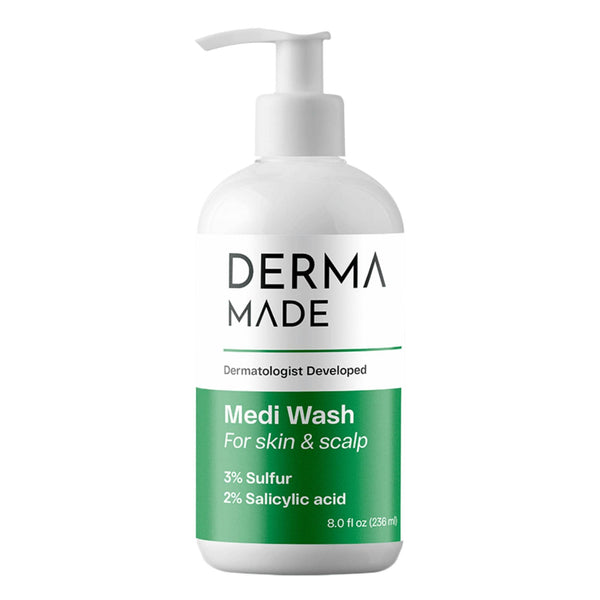
Right for you
Not rated by skin type
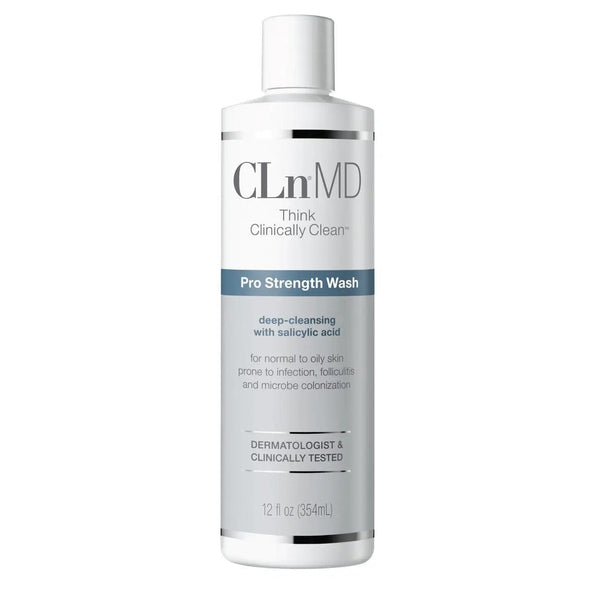
Right for you
Not rated by skin type
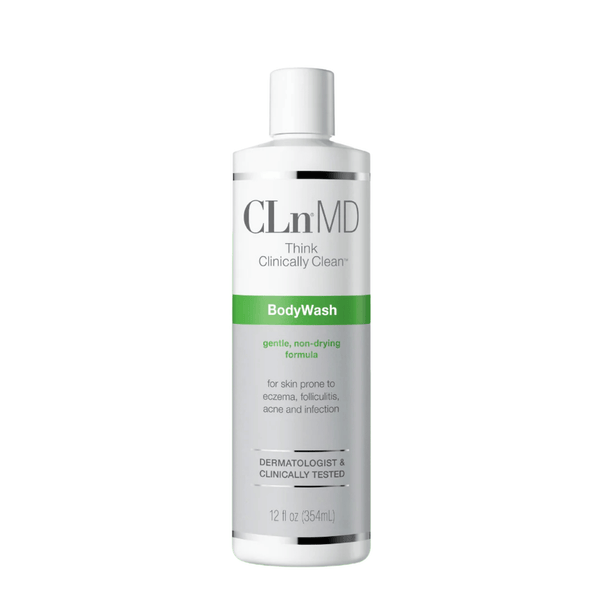
Right for you
Not rated by skin type
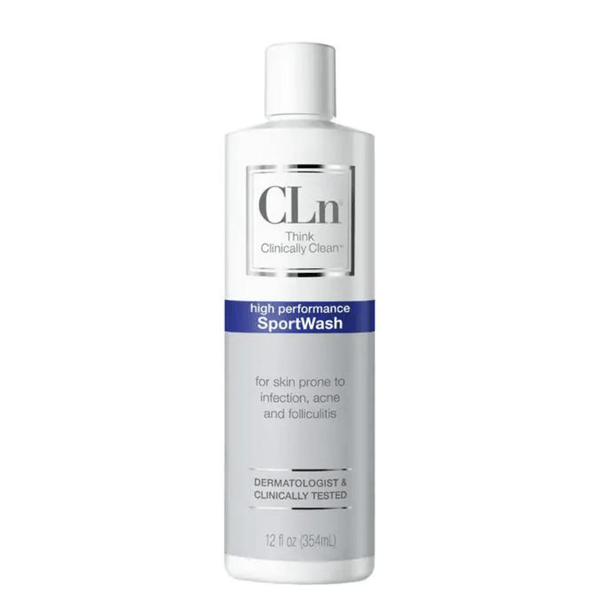
Right for you
Not rated by skin type
More about Cleansers To Treat Fungal Acne
These cleansers for fungal acne (Malassezia folliculitis) contain ingredients that help reduce the Malassezia yeast that causes fungal acne on the face and body. You can ask your dermatologist for a prescription ketoconazole or other antifungal cleanser. If you cannot get a prescription, there are several over-the-counter options. Look for cleansers containing antifungal ingredients such as sulfur, selenium sulfide, or zinc pyrithione. Controlling the Malassezia with an antifungal cleanser can also make it easier to choose a moisturizer because reducing the yeast decreases the chance that lipids in your skincare products will contribute to its growth.
Can I use a regular moisturizer if I use a fungal acne cleanser?
Yes. Using a cleanser that helps control Malassezia yeast may allow you to use moisturizers containing the long-chain fatty acids your skin needs, especially if you have dry or barrier-damaged skin. Another option is to combine your antifungal cleanser with a fungal acne safe moisturizer that avoids potential Malassezia-feeding lipids for an extra cautious approach. The best choice depends on how dry your skin is and your Baumann Skin Type.
Are antimicrobial cleansers good for fungal acne?
Antimicrobial cleansers can be a useful approach to fungal acne when they have activity against yeast or fungi. Fungal acne, medically called Malassezia folliculitis, occurs when Malassezia yeast overgrows within hair follicles. Reducing the amount of Malassezia on the skin can help control the bumps and inflammation and may help prevent recurrence. However, not every antimicrobial ingredient is antifungal, so the active ingredient in the cleanser matters.
What ingredients should I look for in a cleanser for fungal acne?
Look for ingredients with antifungal or anti-yeast activity. Established options for controlling Malassezia include ketoconazole, selenium sulfide, zinc pyrithione, sulfur, ciclopirox, miconazole, and other topical azole antifungals. Some antimicrobial cleansers contain sodium hypochlorite, which has broad antimicrobial and antifungal activity. Hypochlorous acid also has broad antimicrobial activity, although there is less direct clinical evidence showing that it treats Malassezia folliculitis specifically.
How often should I use a fungal acne cleanser?
I generally recommend using a fungal acne cleanser twice a day when you are trying to get Malassezia folliculitis under control. Malassezia is a normal yeast that lives on the skin, so the goal is to keep the amount of yeast low enough that it does not overgrow and cause folliculitis.
You may not need to use the cleanser as often if the rest of your routine is also designed to discourage Malassezia. For example, you can pair your cleanser with a fungal acne safe moisturizer that avoids long-chain fatty acids that can provide nutrients for Malassezia, and an antimicrobial toner or spray such as CLn Hypochlorous Spray. Once the fungal acne is controlled, you may also be able to decrease how often you use the antifungal cleanser for maintenance.
