
Right for you
Not rated by skin type
Shop
Paraben Free Sunscreens
24 products. Take the quiz to see which ones fit your skin.24 products.
Take the free quiz to unlock shopping by your skin type.
Take the quiz
Products
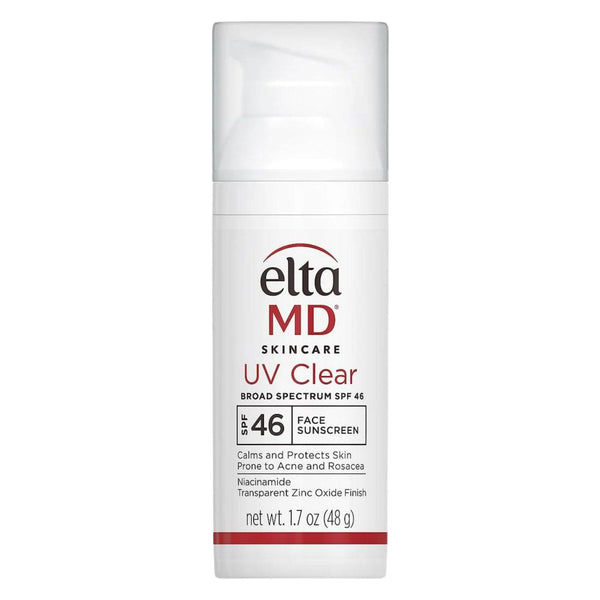
Sale
Right for you
Not rated by skin type
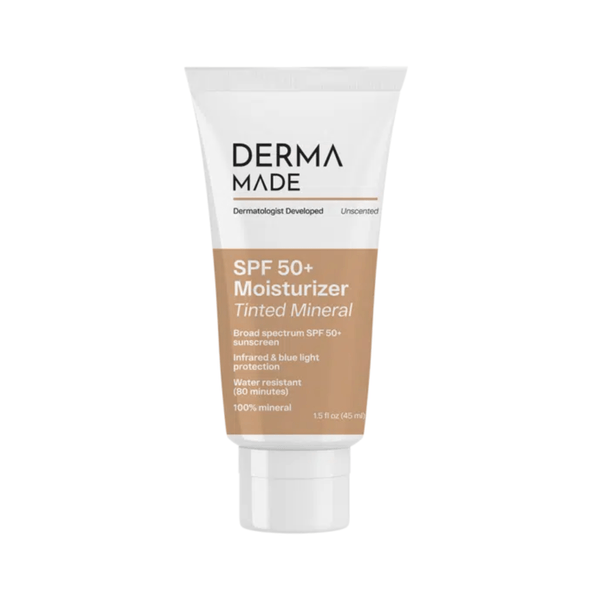
Right for you
Not rated by skin type
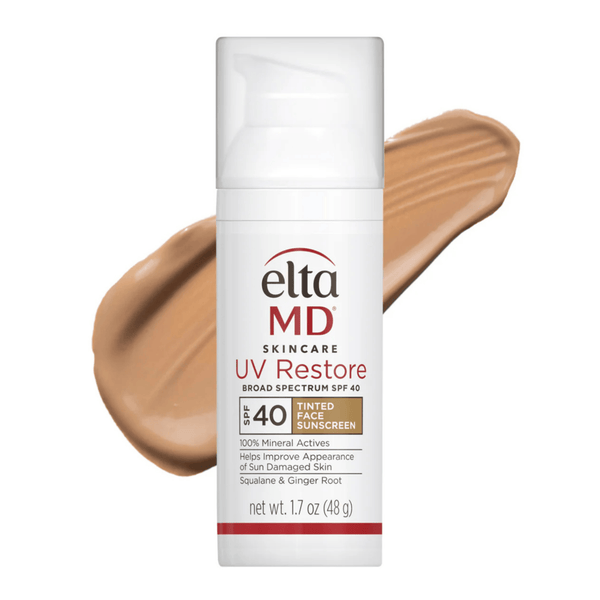
Right for you
Not rated by skin type
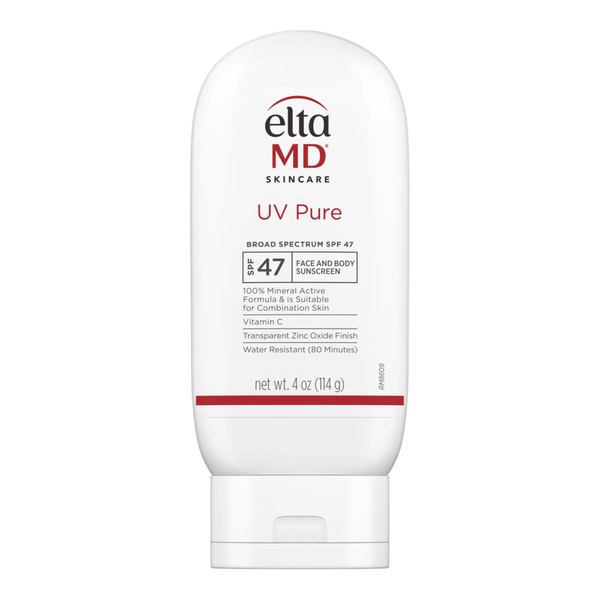
Right for you
Not rated by skin type
Right for you
Not rated by skin type
Right for you
Not rated by skin type
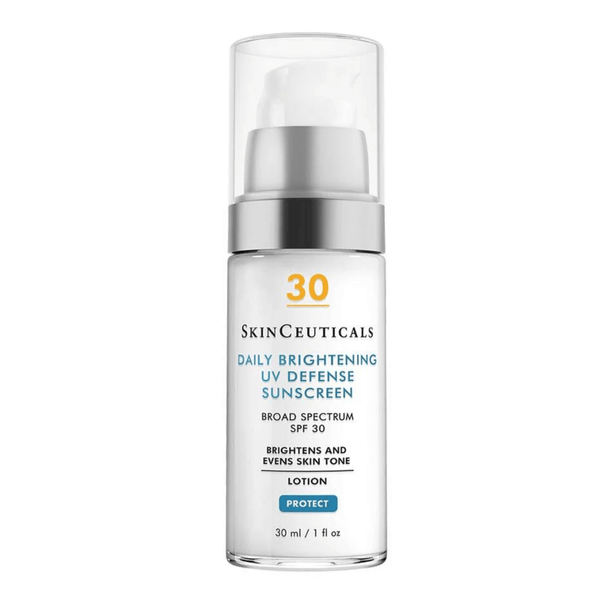
SkinCeuticals★ Brand you like
SkinCeuticals Daily Brightening UV Defense Sunscreen SPF 30
$65Over your budget
Right for you
Not rated by skin type
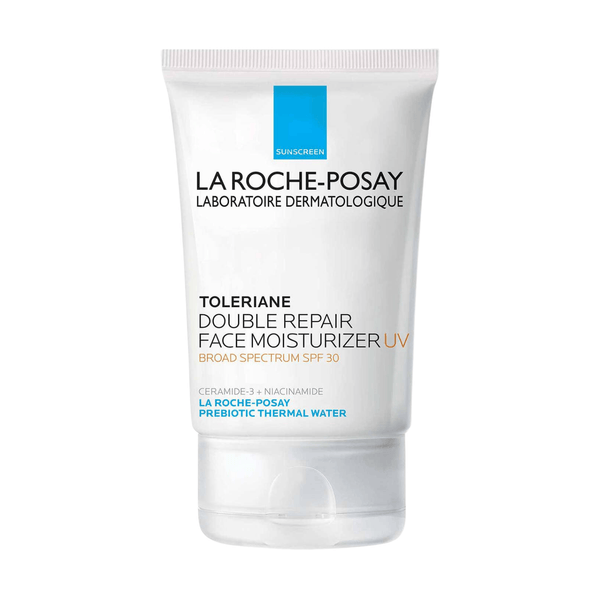
La Roche-Posay★ Brand you like
La Roche-Posay Toleriane Facial Moisturizer with SPF 30
$25.99Over your budget
Right for you
Not rated by skin type
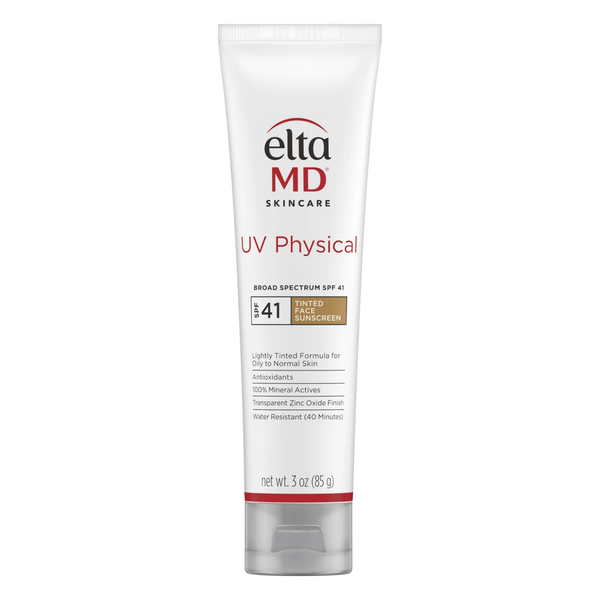
EltaMD★ Brand you like
EltaMD UV Physical Broad-Spectrum SPF 41 Tinted Face Sunscreen
$50Over your budget
Right for you
Not rated by skin type
Right for you
Not rated by skin type
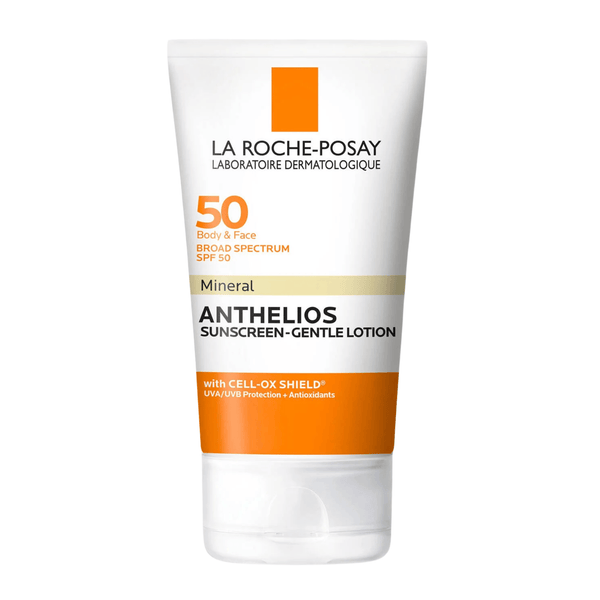
La Roche-Posay★ Brand you like
La Roche-Posay Anthelios SPF 50 Gentle Lotion Mineral Sunscreen
From$25.99Over your budget
Right for you
Not rated by skin type

Right for you
Not rated by skin type
Right for you
Not rated by skin type

La Roche-Posay★ Brand you like
La Roche-Posay Anthelios Mineral Light Fluid Sunscreen SPF 50
$42.99Over your budget
Right for you
Not rated by skin type

Right for you
Not rated by skin type

SkinMedica★ Brand you like
SkinMedica Essential Defense Everyday Clear Broad Spectrum SPF 47 Sunscreen
$40Over your budget
Right for you
Not rated by skin type
Right for you
Not rated by skin type
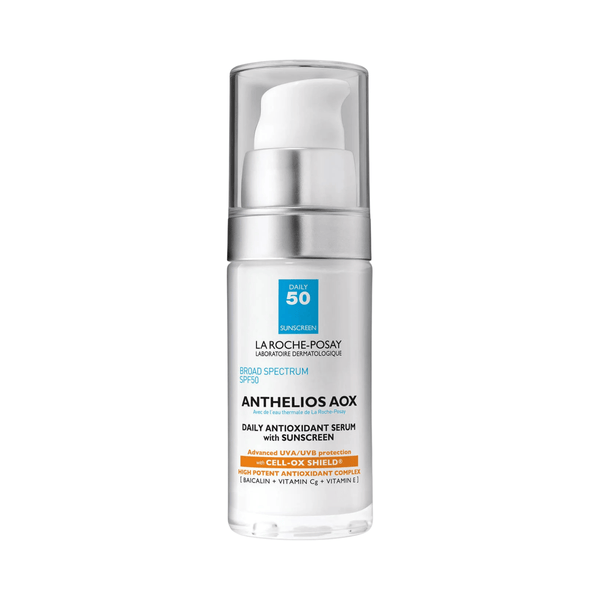
La Roche-Posay★ Brand you like
La Roche-Posay Anthelios 50 AOX Daily Antioxidant Serum SPF 50
$44.99Over your budget
Right for you
Not rated by skin type
Right for you
Not rated by skin type
Right for you
Not rated by skin type
Right for you
Not rated by skin type
Right for you
Not rated by skin type
Right for you
Not rated by skin type
More about Paraben Free Sunscreens
Welcome to our carefully curated collection of paraben-free and PABA-free sunscreens, designed to provide you with the safest and most effective sun protection without parabens. In our commitment to health and safety, we understand the importance of choosing sunscreens that not only protect your skin from harmful UV rays but also do not contain ingredients that can cause a skin allergy.. Dive into our selection and learn why switching to paraben-free and PABA-free options with you have hypersensitive skin is a smart choice for your skincare routine.
Understanding the unique needs of your Baumann Skin Type is crucial, so be sure to look for the skin type octagon next to these paraben and paba free SPF products to determine if the SPF is recommended for you. If you do not see an octagon, this indicates that you should: 1. Determine your Baumann Skin Type, or 2. Log in to your account to shop for paraben free serums according to your Baumann Skin Type.
Learn more about clean beauty standards in our Clean Skincare Blog.
The Importance of Avoiding PABA and Parabens in Sunscreen
PABA (Para-Aminobenzoic Acid) and parabens have traditionally been used in sunscreens for their UV-filtering capabilities and preservative properties, respectively. However, with growing concerns over skin sensitivities and the potential health risks associated with these chemicals, the demand for safer alternatives has risen.
Understanding Contact Dermatitis: The Role of PABA and Parabens
A significant portion of individuals with allergic contact dermatitis show reactions to PABA and parabens. Studies suggest that around 4% of people with this condition test positive for allergies to parabens. While less common today due to reduced usage, PABA-related sensitivities were once more prevalent.
Cross-Reactive Preservatives in Sunscreen to Avoid
For those with allergies to PABA and parabens, it's essential to be aware of other preservatives used in sunscreens that might cause cross-reactions. Certain chemicals, such as benzophenones and cinnamates, can act similarly to PABA, while some preservatives may share properties with parabens. We'll explore which substances to steer clear of to ensure your sunscreen is truly safe for your allergy-prone skin.
Safe Alternatives to Paraben in SPF
If you are allergic to parabens, here is a list of other preservatives in sunscreen that you can use. Note that all of these do not meet clean beauty standards but are alternatives to parabens if you are paraben allergic:
Ethylhexylglycerin - A mild preservative derived from glycerin, ethylhexylglycerin is not only effective against bacteria but also enhances the skin feel of products, making it a popular choice in clean beauty formulations.
Phenoxyethanol - Recognized for its broad-spectrum antimicrobial properties, phenoxyethanol is a commonly used alternative in clean beauty products to protect against bacteria and fungi, though used in concentrations deemed safe (typically under 1%).
Vitamin E (Tocopherol) - Often used for its antioxidant properties, Vitamin E can also help preserve the integrity of a product by protecting it from oxidation, a natural process that can degrade sunscreen ingredients over time.
Natural Extracts - Certain clean beauty brands might utilize extracts from plants with preservative properties, such as grapefruit seed extract (Citrus Grandis) and rosemary extract (Rosmarinus Officinalis), which offer antimicrobial benefits and can contribute to the product's overall effectiveness and stability.
Caprylyl Glycol - An alcohol derived from caprylic acid, caprylyl glycol is used for its antimicrobial properties and as a humectant and skin conditioning agent, often found in formulations that prioritize safer, more natural ingredients.
Sorbic Acid and Salicylic Acid - These organic acids are sometimes used for their antimicrobial properties, protecting products from spoilage and extending their shelf life.