Right for you
Not rated by skin type

Bright Girl★ Brand you like
Bright Girl Bright + Block SPF40 Sheer Mineral Sunscreen
$40Over your budget

Take the free quizFinish the free quiz to unlock shopping by your skin type.
Products for my skin type Everything approved forShopping for a friend? Shop any skin type
Shop
36 products. Take the quiz to see which ones fit your skin.36 products.
Bright Girl★ Brand you like
$40Over your budget
Bright Girl★ Brand you like
$40Over your budget
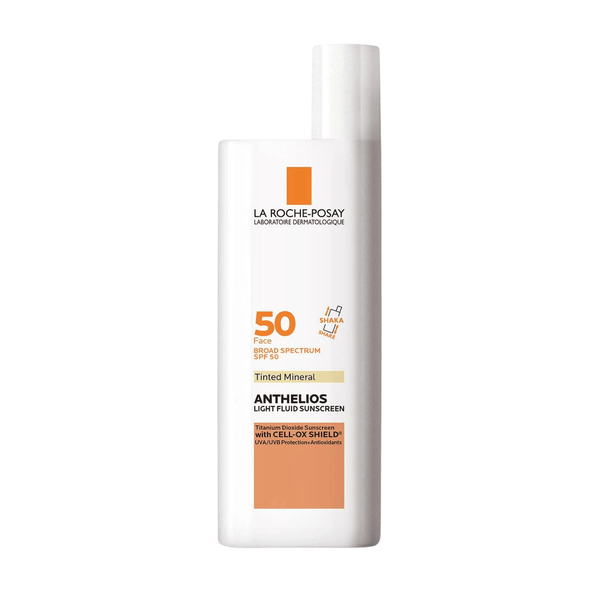
La Roche-Posay★ Brand you like
$39.99Over your budget
La Roche-Posay★ Brand you like
$37.99Over your budget
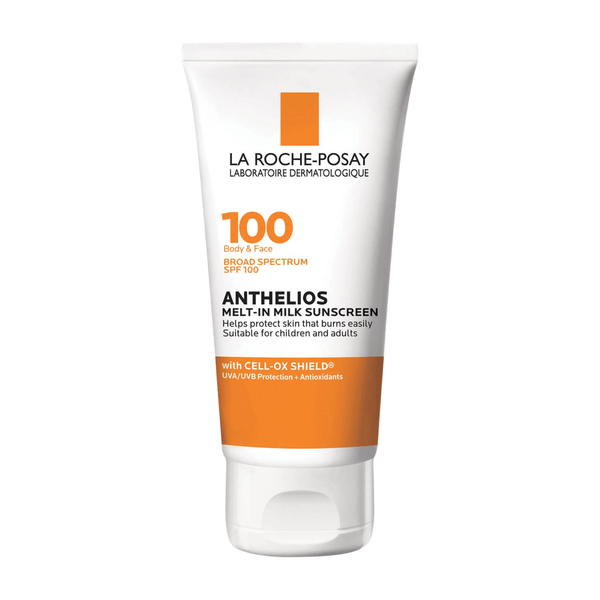
La Roche-Posay★ Brand you like
$32.99Over your budget
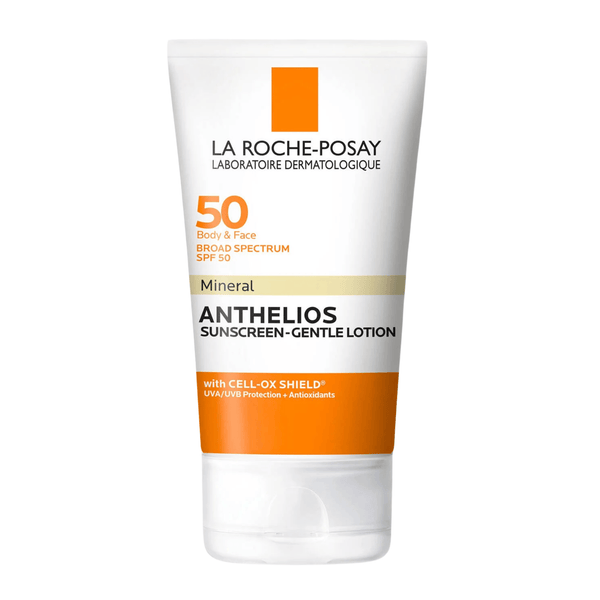
La Roche-Posay★ Brand you like
From$26.99Over your budget
La Roche-Posay★ Brand you like
$42.99Over your budget
La Roche-Posay★ Brand you like
From$25.99Over your budget
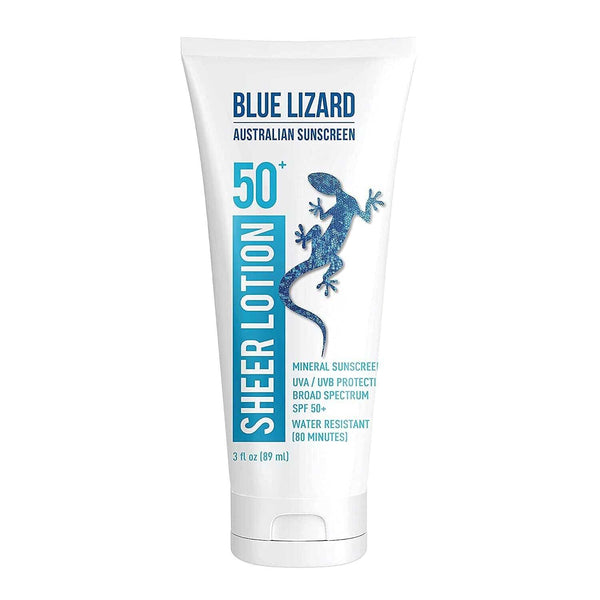
Blue Lizard★ Brand you like
From$9.99Over your budget
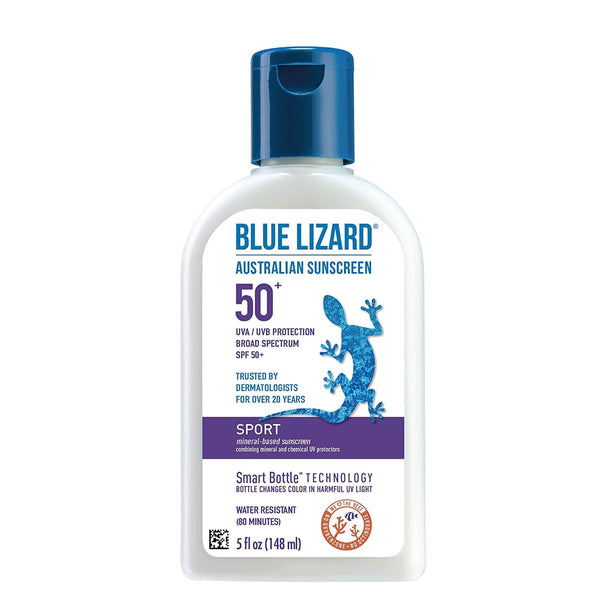
Blue Lizard★ Brand you like
$15.99Over your budget
Blue Lizard★ Brand you like
$14.98Over your budget
La Roche-Posay★ Brand you like
$37.99Over your budget
Stay protected under any conditions with our curated collection of water-resistant sunscreens, handpicked by Miami Beach Dermatologist Dr. Leslie Baumann. These sweat-proof SPF formulas are designed to stay put through heat, humidity, and water activities, ensuring they won't slip off your face or run into your eyes. Perfect for runners, bikers, and water sports enthusiasts, these sunscreens offer lasting protection without compromising skin health. Water-resistant means these sunscreens adhere to your skin longer, even in moisture-rich environments, but you'll need a dedicated sunscreen-removing cleanser like the one from Pavise to fully remove them after a day in the sun. When you need your sunscreen to stay put in the heat, this is the collection for you.
To avoid eye irritation and burning eyes from sunscreen, opt for mineral sunscreens with zinc oxide or titanium dioxide as active ingredients. These ingredients sit on the skin’s surface and are less likely to run into your eyes compared to chemical filters. Also, choose sunscreens labeled "fragrance-free" and "sensitive skin" to further reduce the chance of irritation. Avoid chemical sunscreens with ingredients like avobenzone, oxybenzone, octocrylene, and homosalate, which are more likely to sting when mixed with sweat and heat.
Water-resistant sunscreen should be reapplied every 80 minutes. However, if you're sweating heavily or toweling off, reapply more often since wiping can remove the sunscreen from your skin. In these cases, we recommend reapplying every 30 minutes to maintain protection. Stick sunscreens are ideal for quick touch-ups without messy hands. Powder sunscreens can help absorb sweat and extend the effectiveness of water-resistant formulas, but they're not enough on their own. Use powder SPF as a booster, and always reapply your water-resistant sunscreen at least every 80 minutes- even if you boost it with powder sunscreen.
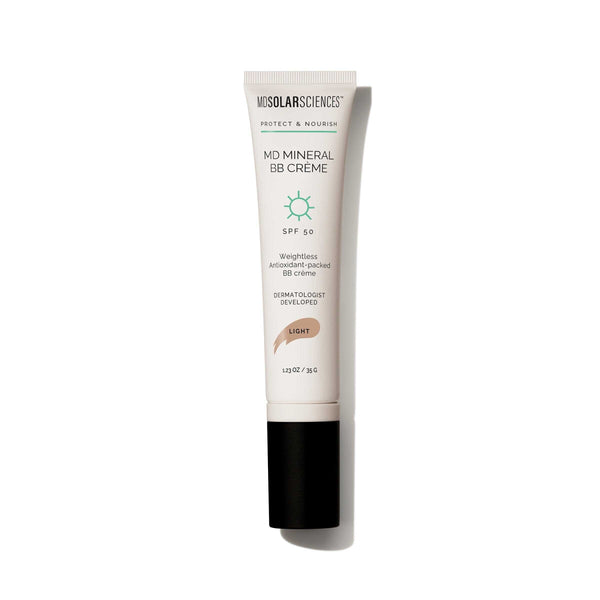
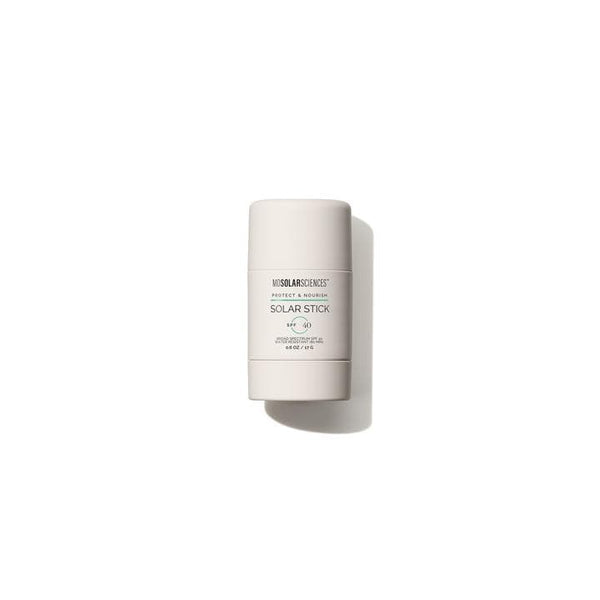
For reliable sweat-proof sunscreens that won’t sting your eyes, try Obagi Sun Shield Mineral Broad Spectrum SPF 50 for a lightweight, non-greasy finish. MDSolarSciences Mineral BB Cream SPF 50 offers a tinted option with added skincare benefits, while the MDSolarSciences Solar Stick is perfect for on-the-go reapplication. For sensitive skin, Blue Lizard Australian Sensitive Mineral Sunscreen SPF 50+ provides broad-spectrum, water-resistant protection without irritation.
Silicones in sunscreen, like dimethicone and cyclopentasiloxane, create a smooth, water-resistant barrier that helps prevent streaking and enhances waterproofing. These silicones form a breathable film that locks in moisture and keeps sweat or water from washing away SPF. Other common silicones include PEG-10 Dimethicone and caprylyl methicone.
After physical activities, it's essential to wash off silicones to prevent clogged pores and maintain skin health.
Answers from Dr. Leslie Baumann, MD, the board-certified dermatologist who created the Baumann Skin Type system.
Water-resistant sunscreens are effective for 40-80 minutes
in water before needing reapplication, while "waterproof" labeling is
no longer allowed by the FDA. No sunscreen is truly waterproof!
Avobenzone, also called Parsol, Parsol 1789, or Eusolex 9020),
is the biggest culprit for stinging eyes when your sunscreen runs into your eyes.
Sunscreens with mineral ingredients like zinc oxide and titanium dioxide are
less likely to irritate your eyes. Examples of susncreens that don’t burn eyes
are Alastin HydraTint Pro Mineral Broad Spectrum Sunscreen SPF 36
The FDA recommends that you reapply every 40- 80 minutes.
(The amount of time will be listed on the product label) However, if you are wiping your skin with a
towel, it is prudent to reply more frequently (such as every 30 minutes) or
boost with a sunscreen powder.
When you're in the heat and sweating heavily, it's essential
to reapply water-resistant sunscreen every 40-80 minutes. (Look on the sunscreen
label to see if it says 40 or 80 minutes). Even though these sunscreens are
designed to withstand sweat, wiping your skin with a towel can remove the
protective layer. Toweling off or dabbing your face can take off sunscreen,
reducing its effectiveness and requiring you to reapply sooner. So if you are not
wiping your face and body with a towel, following the instruction son the label
is ok. But if you are wiping with a towel, we suggest reapplying even more
frequently than the product label suggests.
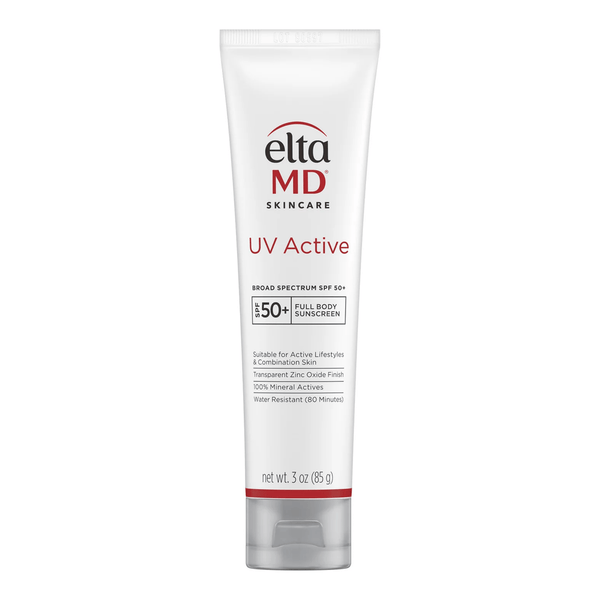
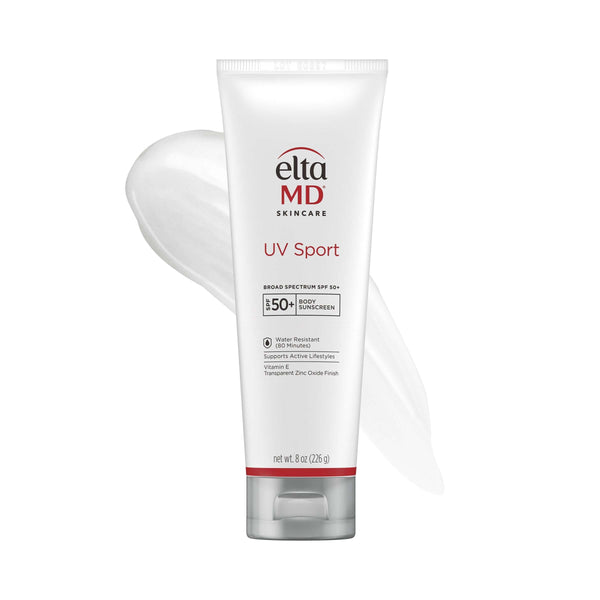
EltaMD UV Sport Broad Spectrum SPF 50, Blue Lizard
Australian Sport Mineral-Based SPF and are
frequently recommended for active individuals because they stay put during
high-intensity work outs.
Using a stick sunscreen like MDSolarSciences Solar Stick SPF
40 for your forehead or along the hairline can help prevent product from
running down into your eyes when you sweat.
Blue Lizard Australian Sport Mineral-Based Sunscreen SPF 50+
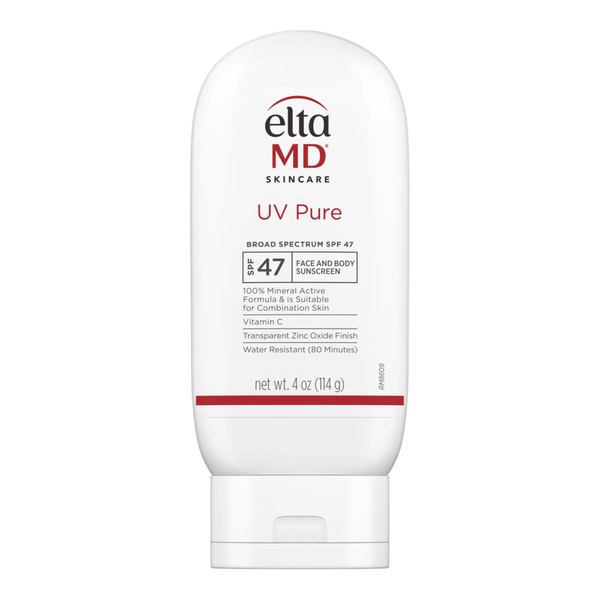
and EltaMD UV Pure Broad-Spectrum SPF 47
are both gentle, water-resistant options suitable for sensitive skin types.
Since water-resistant formulas are harder to remove, a
dedicated cleanser like Pavise's sunscreen remover facial cleanser or an
oil-based cleanser works best for thoroughly cleaning the skin. You can also try double cleansing.
Use a oil cleanser first followed by a foaming cleanser.
Yes, a long-lasting, water-resistant sunscreen like EltaMD UV Sport Broad-Spectrum SPF 50+
that says it is water resistant for 80 minutes. Use the
highest SPF you can find and apply at least ¼ of a teaspoon to your entire
face. A double application is a good way
to ensure you apply enough sunscreen.
Chemical sunscreens can feel greasy or heavy in the heat because chemical sunscreens must be formulated
with oil. The very light “dry touch” sunscreens usually have Avobenzone that
stings your eyes. That means the best bet for a lightweight- non stinging SPF
is a mineral sunscreen like Pavise. Pavise is not water resistant and is expensive because it is
formulated with diamonds but it is so light on the skin that is a game changer
with a light non greasy finish. Its good for golf and sports that do not involve water exposure.
Yes, many tinted sunscreens or mattifying formulas like La
Roche-Posay Anthelios can work well under makeup, offering both sun protection
and a smooth base. Look
for dimethicone which gives a silky finish that is acts like a makeup primer and prevents makeup from
streaking. Examples are Obagi Sun Shield Mineral Broad Spectrum SPF 50 or PCA
Skin Active Broad Spectrum SPF 45 - Water Resistant with capryrl methicone.
Water-resistant sunscreens can sometimes be more comedogenic
due to the ingredients used to make them adhere to the skin in wet conditions.
Ingredients like silicones (dimethicone), beeswax, and oils are often used to
create a water-resistant barrier, which can potentially clog pores, especially
for those with oily or acne-prone skin. These ingredients form a layer on the
skin to repel water but may trap oil and sweat underneath, leading to breakouts.
However, many water-resistant sunscreens are formulated to be non-comedogenic,
so it's important to look for products specifically labeled as such if you're
concerned about clogged pores
Water-resistant sunscreens are tested to remain effective
for either 40 minutes or 80 minutes during water exposure, such as swimming or
sweating. These times reflect how long the sunscreen maintains its SPF level
before needing reapplication. If a sunscreen is labeled
"water-resistant," it will specify whether it offers protection for
40 or 80 minutes. After this period, it must be reapplied to ensure continued
protection.