
Right for you
Not rated by skin type
Shop
Best Scar Gels for Acne Scabs, Wounds & Scar Prevention
11 products. Take the quiz to see which ones fit your skin.11 products.
Take the free quiz to unlock shopping by your skin type.
Take the quiz
Products
Right for you
Not rated by skin type

Right for you
Not rated by skin type

Right for you
Not rated by skin type

Right for you
Not rated by skin type
Right for you
Not rated by skin type
Right for you
Not rated by skin type
Right for you
Not rated by skin type
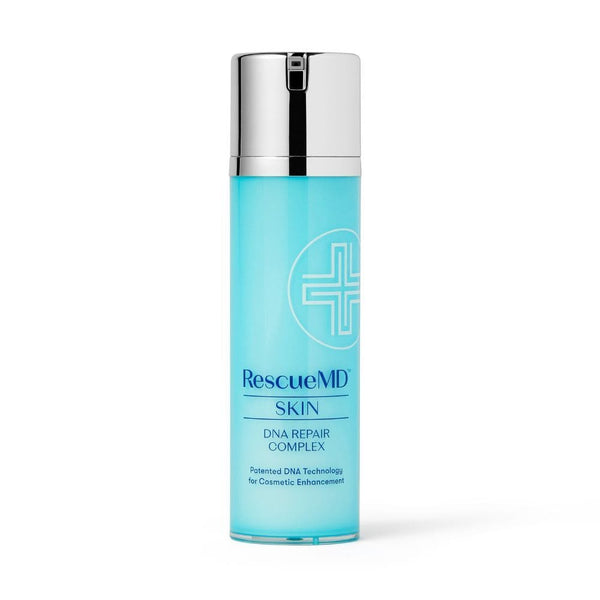
Sold out
Right for you
Not rated by skin type
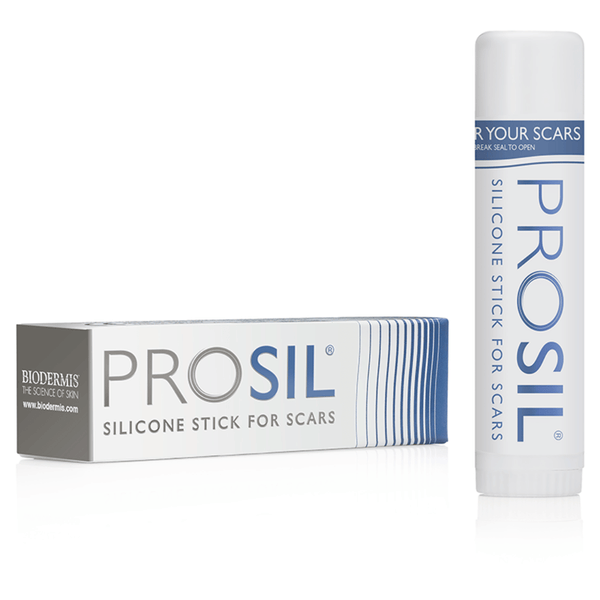
SaleSold out
Right for you
Not rated by skin type
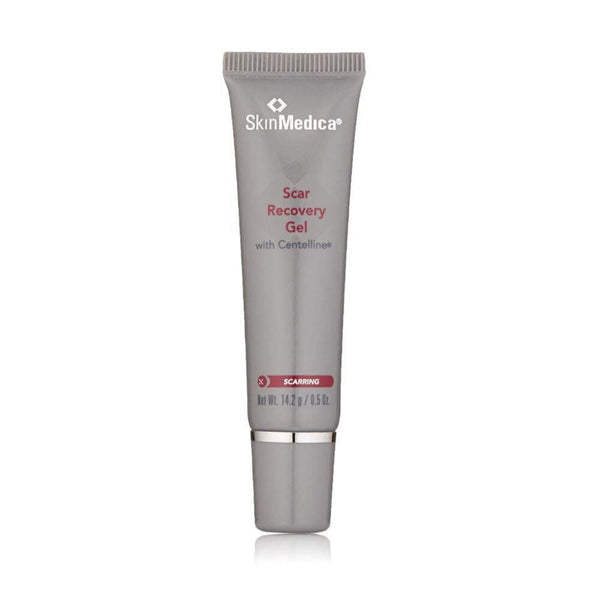
Sold out
Right for you
Not rated by skin type
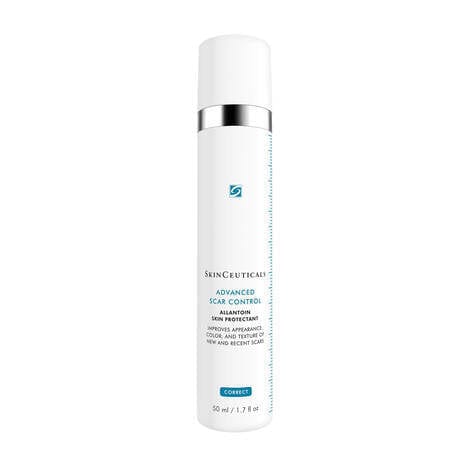
More about Best Scar Gels for Acne Scabs, Wounds & Scar Prevention
Want to prevent a pimple scab, cut, surgical wound, or other skin injury from leaving a noticeable scar? The right wound care and scar treatment products can help your skin heal as smoothly as possible. This collection of dermatologist-recommended scar gels includes silicone-based treatments and other formulations designed to protect healing skin, maintain hydration, and minimize scarring.
Silicone scar gels are especially useful for helping prevent and improve raised scars, including hypertrophic scars and keloids. They form a flexible, protective film that reduces moisture loss and friction while supporting scar remodeling. However, silicone scar gels should generally be used only after the skin has completely closed, not on open wounds or fresh pimple scabs.
For fresh acne scabs and minor wounds, choose appropriate wound care products that maintain a moist healing environment. Once the skin has healed, sun protection is essential to help prevent post-inflammatory hyperpigmentation (PIH), which can leave dark marks after pimples or injuries. Some scar gels contain SPF for added protection.
Explore these scar gels and wound care products to find the best treatment for your stage of healing and help minimize the appearance of scars.
What Should I Put on a Pimple Scab to Prevent Scarring?
The best way to prevent a pimple scab from leaving a scar is to keep the area moist, protected, and free from irritation. Apply a thin layer of a wound-healing ointment or gel to prevent the scab from drying out and cracking. Use one with SPF when going outside. Avoid picking the scab or applying irritating ingredients such as retinoids, benzoyl peroxide, or exfoliating acids directly to the open or scabbed area. Would healing scar gels help protect the wounded area from friction, sun exposure (If they have SPF), and speed healing.
When Should I Start Using Silicone Scar Gel on a Wound?
If your wound is still bleeding or oozing, the first step is to gently clean the area and keep it protected with an appropriate wound care ointment and dressing. An antimicrobial ointment may be recommended in certain circumstances, but it is not necessary for most clean, minor wounds. Once the wound stops oozing and the skin surface has closed, you can begin using a silicone scar prevention gel. Some silicone-containing wound care products can also be applied over a dry scab, but check the product instructions because many traditional silicone scar gels are intended only for fully closed skin. Silicone scar gels form a flexible, protective film that maintains hydration, reduces moisture loss, and protects healing skin from friction. These effects may help regulate collagen production and reduce the risk of raised hypertrophic scars. Use the silicone gel consistently according to the manufacturer's directions, often for several months, for the best results.
Do Silicone Scar Gels Really Prevent Keloids and Hypertrophic Scars?
Yes. Studies have shown that silicone scar gels can help prevent and improve raised scars, including hypertrophic scars and keloids. A 2020 meta-analysis of six randomized clinical trials involving 375 patients found that topical silicone gel significantly improved scar height after 6 to 8 months of treatment. Silicone gels form a thin, flexible protective film over healing skin that maintains hydration, reduces moisture loss, and may help regulate excessive collagen production during scar formation. These effects can help scars heal flatter, softer, and less noticeably. Silicone scar gels are particularly useful for preventing hypertrophic scars, although they cannot reliably prevent keloids in people who are genetically prone to developing them. For best results, begin using a silicone scar prevention gel when the wound is ready for treatment and continue applying it consistently for several months. Ref: Wang F, Li X, Wang X, Jiang X. Efficacy of topical silicone gel in scar management: A systematic review and meta-analysis of randomised controlled trials. Int Wound J. 2020 Jun;17(3):765-773.
How Do I Prevent a Wound or Pimple Scab From Leaving a Dark Mark?
The best way to prevent a wound or pimple scab from leaving a dark mark is to minimize inflammation while the skin heals and protect the area from the sun. When skin is injured, inflammation can stimulate melanocytes to produce excess melanin, causing post-inflammatory hyperpigmentation (PIH). This is why picking pimples or removing scabs prematurely can make dark marks worse. While the wound is open or oozing, keep it clean, moist, and protected. Once the skin has closed, begin using sunscreen every day because UV exposure can make dark marks darker and cause them to last longer.
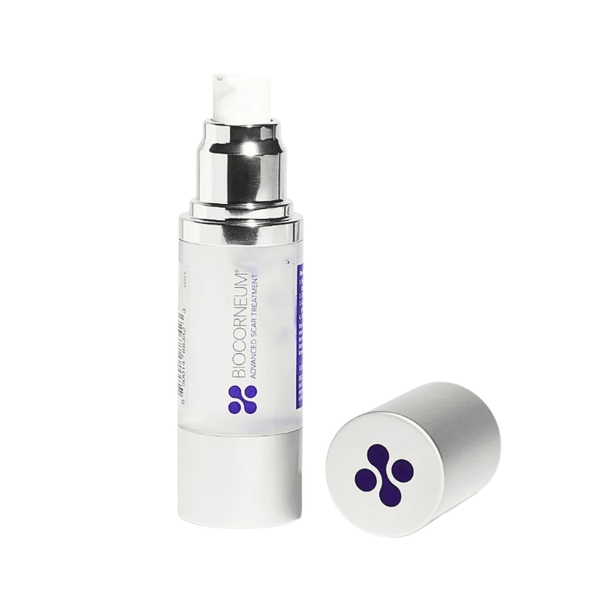
Silicone scar gels that contain sunscreen are especially useful for newly healed wounds because they help prevent raised scars while protecting against UV-induced discoloration. Two options available at Skin Type Solutions are BIOCORNEUM Advanced Scar Treatment SPF 30 and Silagen 100% Pure Silicone Gel + SPF 30. Both combine silicone with broad-spectrum sun protection. These products are particularly useful for scars on sun-exposed areas such as the face, chest, arms, and hands. Silicone helps prevent raised scars, while sunscreen helps prevent dark marks. If PIH has already developed, additional skin-lightening ingredients may be needed.

