
Right for you
Not rated by skin type
Shop
Best Benzoyl Peroxide Cleansers
5 products. Take the quiz to see which ones fit your skin.5 products.
Take the free quiz to unlock shopping by your skin type.
Take the quiz
Products
Right for you
Not rated by skin type
Sold out
Right for you
Not rated by skin type

Sold out
Right for you
Not rated by skin type

Sold out
Right for you
Not rated by skin type
More about Best Benzoyl Peroxide Cleansers
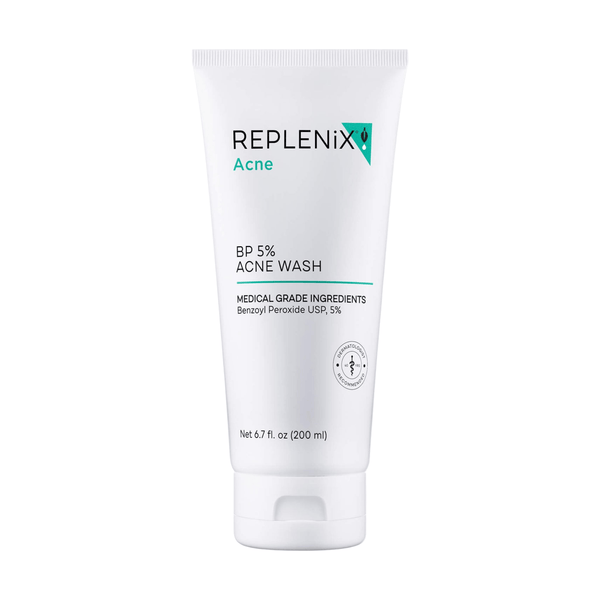
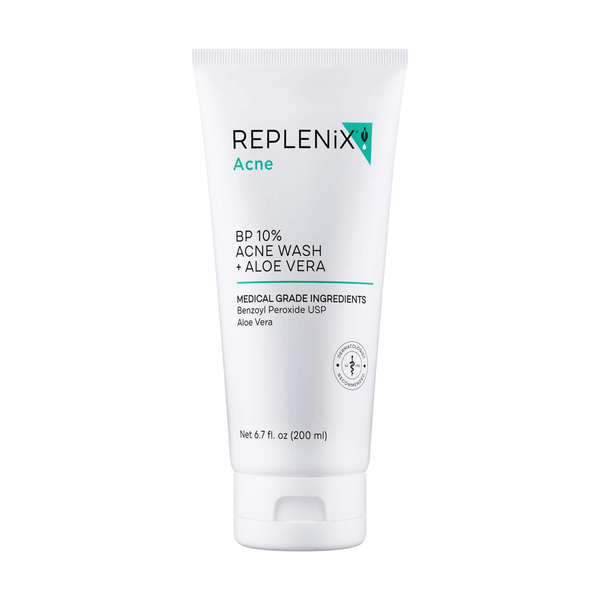
Benzoyl peroxide (BPO) cleansers are best for oily, acne-prone skin types without rosacea, facial redness, burning, or stinging. Benzoyl peroxide kills acne-causing bacteria by releasing free radicals, helping reduce inflammatory pimples and pustules. However, BPO can cause dryness, peeling, redness, and irritation, making these cleansers less suitable for dry skin types or those with rosacea-prone or easily irritated skin. Because benzoyl peroxide cleansers are rinsed off rather than left on the skin, they are often better tolerated than leave-on BPO creams, gels, and lotions. This makes them a good option for oily skin types seeking an effective antibacterial acne treatment with less risk of irritation.
Does Benzoyl Peroxide Cleanser Cause Purging or Make Acne Worse?
No, benzoyl peroxide cleansers do not typically cause acne purging like retinoids such as tretinoin do. Tretinoin activates retinoid receptors, which increase signaling through epidermal growth factor (EGF) pathways, stimulating skin cell proliferation and turnover. These changes may contribute to the temporary appearance of more pimples as existing clogged pores come to the surface faster. Benzoyl peroxide works differently than retinoids. It releases free radicals that kill acne-causing bacteria and helps clear pores without activating the same retinoid-driven EGF signaling pathway. However, benzoyl peroxide can cause dryness, redness, peeling, and irritation, which may make acne appear worse. This is irritation, not purging. Because benzoyl peroxide cleansers are rinsed off, they are generally better tolerated than leave-on benzoyl peroxide creams and gels.
How Often Should I Use a Benzoyl Peroxide Cleanser?
Benzoyl peroxide cleansers are usually best used once a day because using them twice daily can cause dryness, redness, peeling, and irritation. Acne-causing bacteria (Cutibacterium acnes) can double approximately every 12 hours under certain growth conditions, which is one reason why twice daily antimicrobial treatment is important for acne-prone skin. However, benzoyl peroxide is often too irritating to use twice daily unless you have very oily skin without redness or stinging. I recommend using a benzoyl peroxide cleanser once daily and a gentler antimicrobial cleanser, such as CLn Acne Cleanser for the second cleansing. The CLn brand contains sodium hypochlorite, which has antimicrobial properties. This approach helps control acne-causing bacteria while minimizing irritation to the skin barrier.
How Long Should You Leave Benzoyl Peroxide Cleanser on Your Skin to Kill Acne-Causing Bacteria?
Benzoyl peroxide (BPO) kills acne-causing bacteria by releasing free radicals that damage bacterial cells. How quickly it works depends on the concentration and formulation. A laboratory study found that 5% and 10% benzoyl peroxide killed Cutibacterium acnes within 30 seconds. For a 5% or stronger BPO cleanser, aim for at least 30 seconds of contact time, while a 2.5% BPO cleanser can be left on for up to one minute if your skin tolerates it. The mentioned study used BPO dissolved in DMSO rather than a cleanser, and 2.5% BPO required 15 minutes for complete bacterial killing under those laboratory conditions. We recommend that you do not leave BPO clenasers on longer than 1 minute to reduce side effects. Boonchaya P, Rojhirunsakool S, Kamanamool N, et al. Minimum Contact Time of 1.25%, 2.5%, 5%, and 10% Benzoyl Peroxide for a Bactericidal Effect Against Cutibacterium acnes. Clinical, Cosmetic and Investigational Dermatology. 2022;15:403–409.
Is Benzoyl Peroxide Cleanser Better Than a Leave-On Cream or Gel?
Benzoyl peroxide (BPO) cleansers are often a better choice if your skin gets irritated easily because they have a short contact time and are rinsed off, reducing the risk of dryness, redness, peeling, and stinging. They provide antibacterial benefits without exposing your skin to benzoyl peroxide for hours. However, if you have very oily, acne-prone skin that rarely develops redness, burning, or irritation, you may tolerate a leave-on benzoyl peroxide cream or gel, which provides longer contact with the skin. The best choice depends on your Baumann Skin Type and how well your skin tolerates acne treatments.