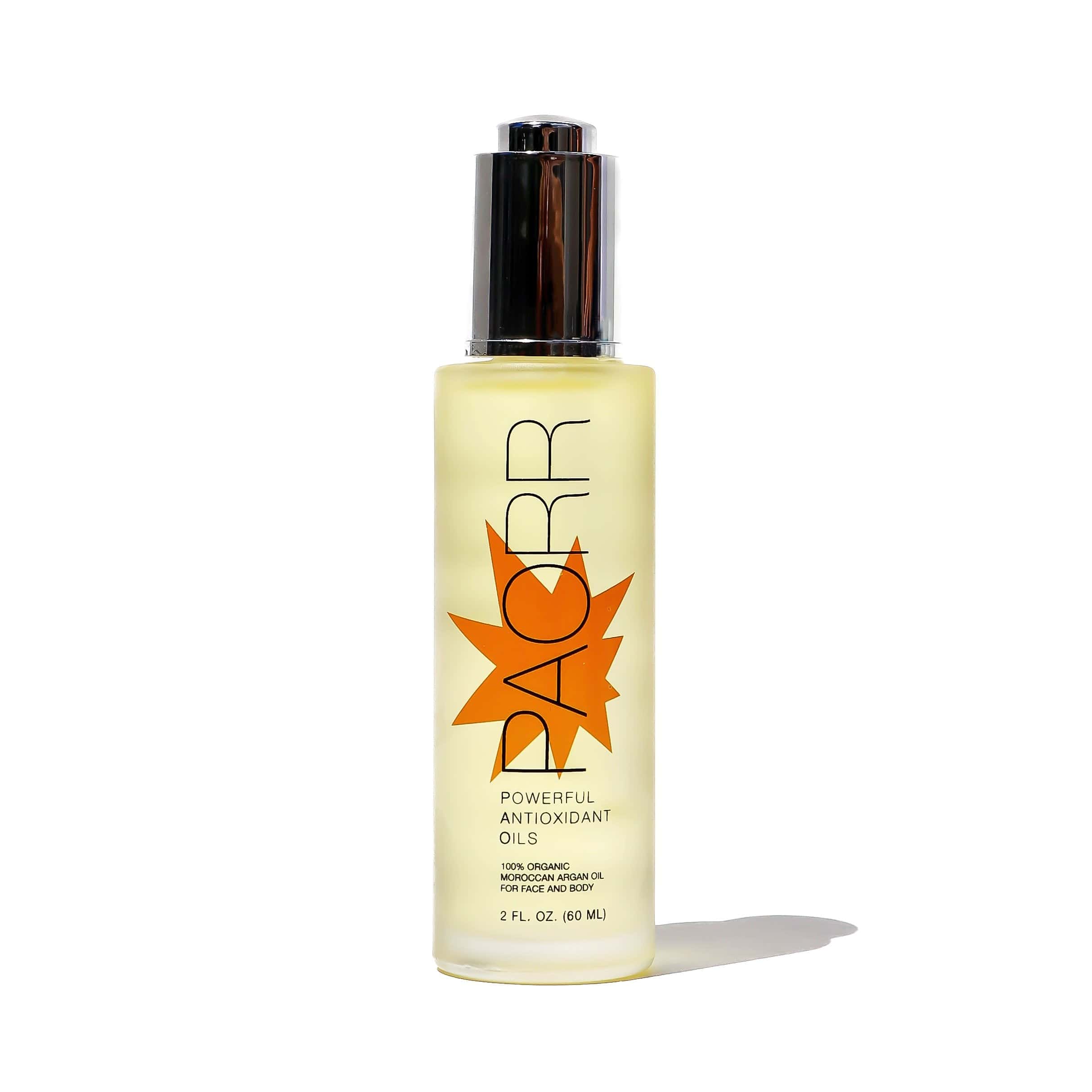
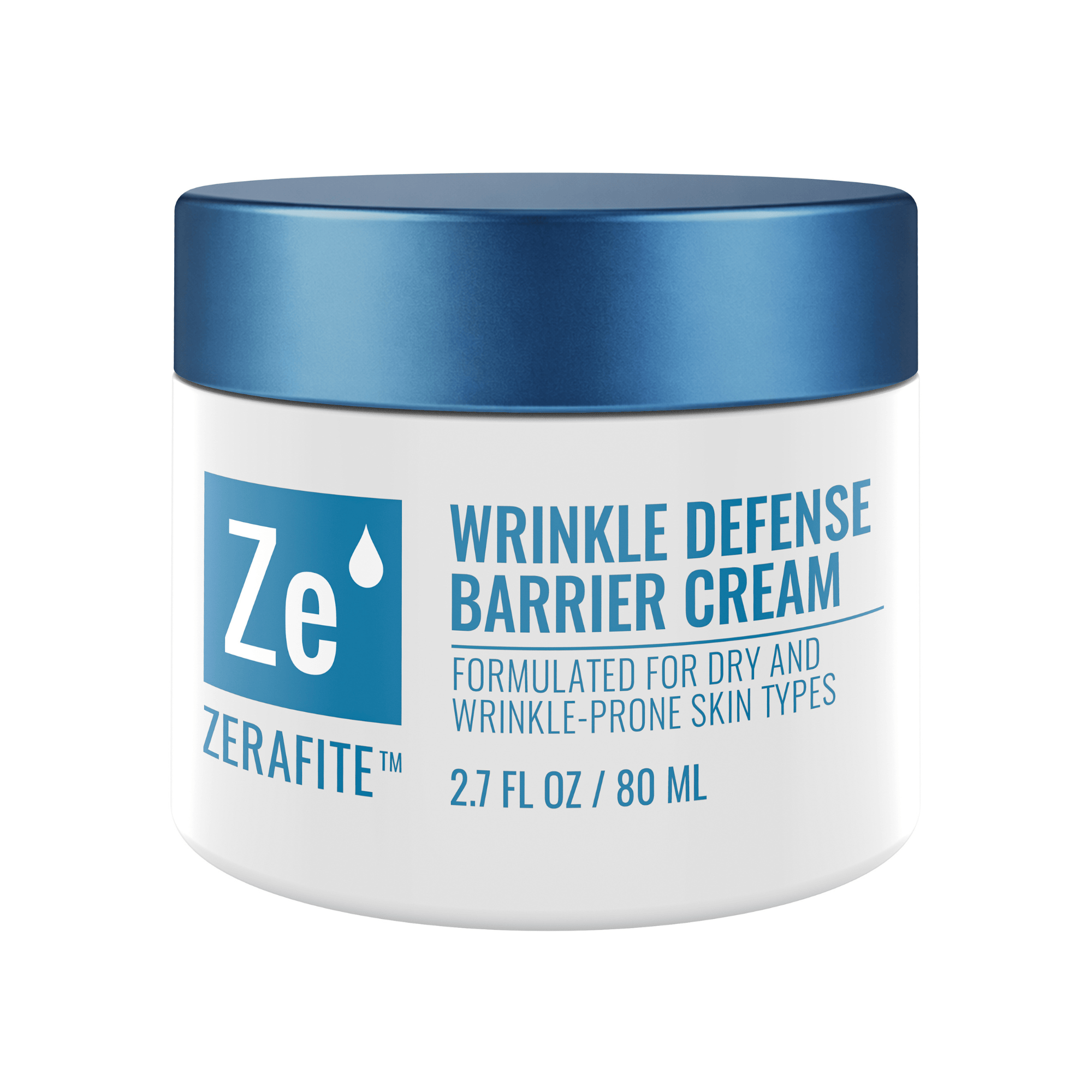
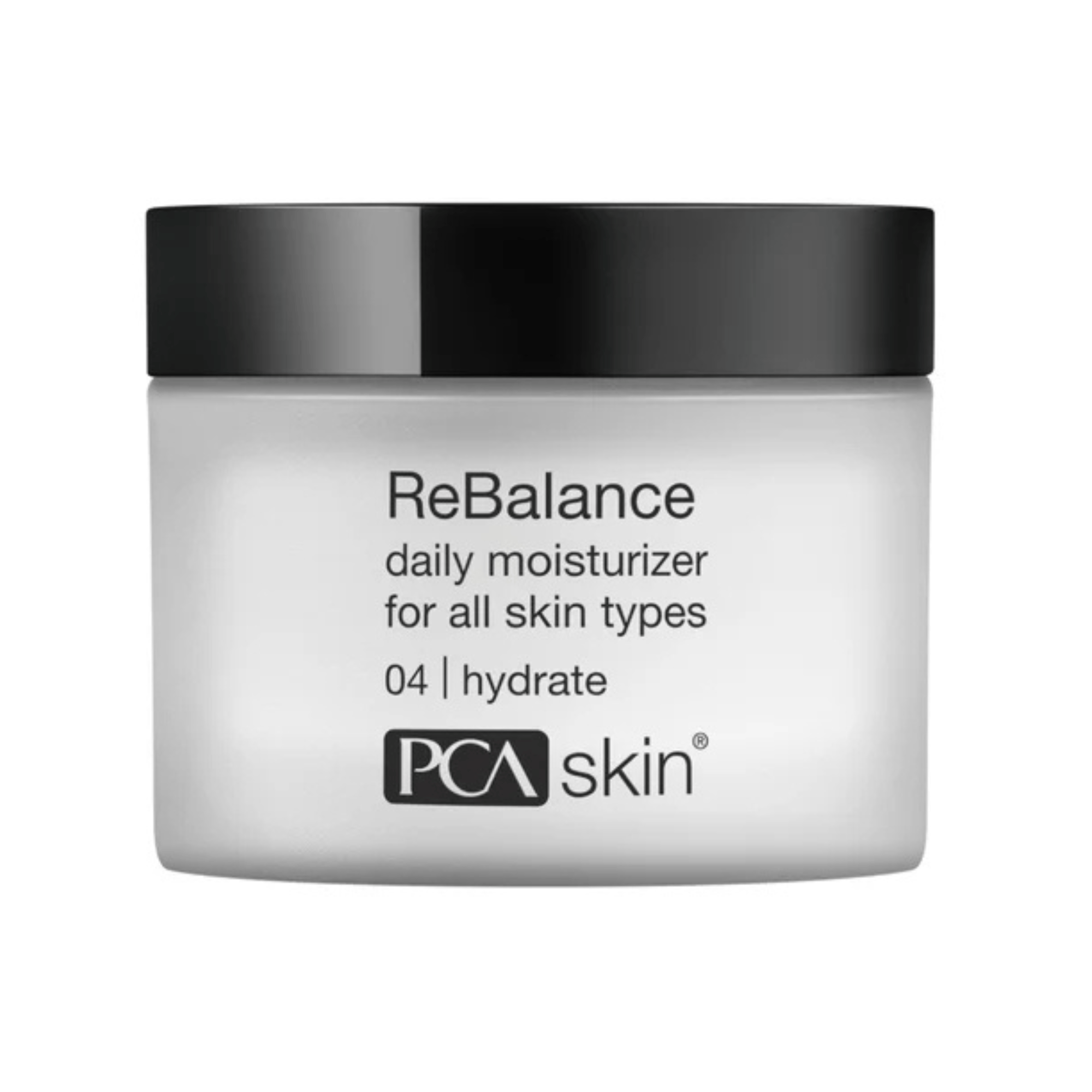
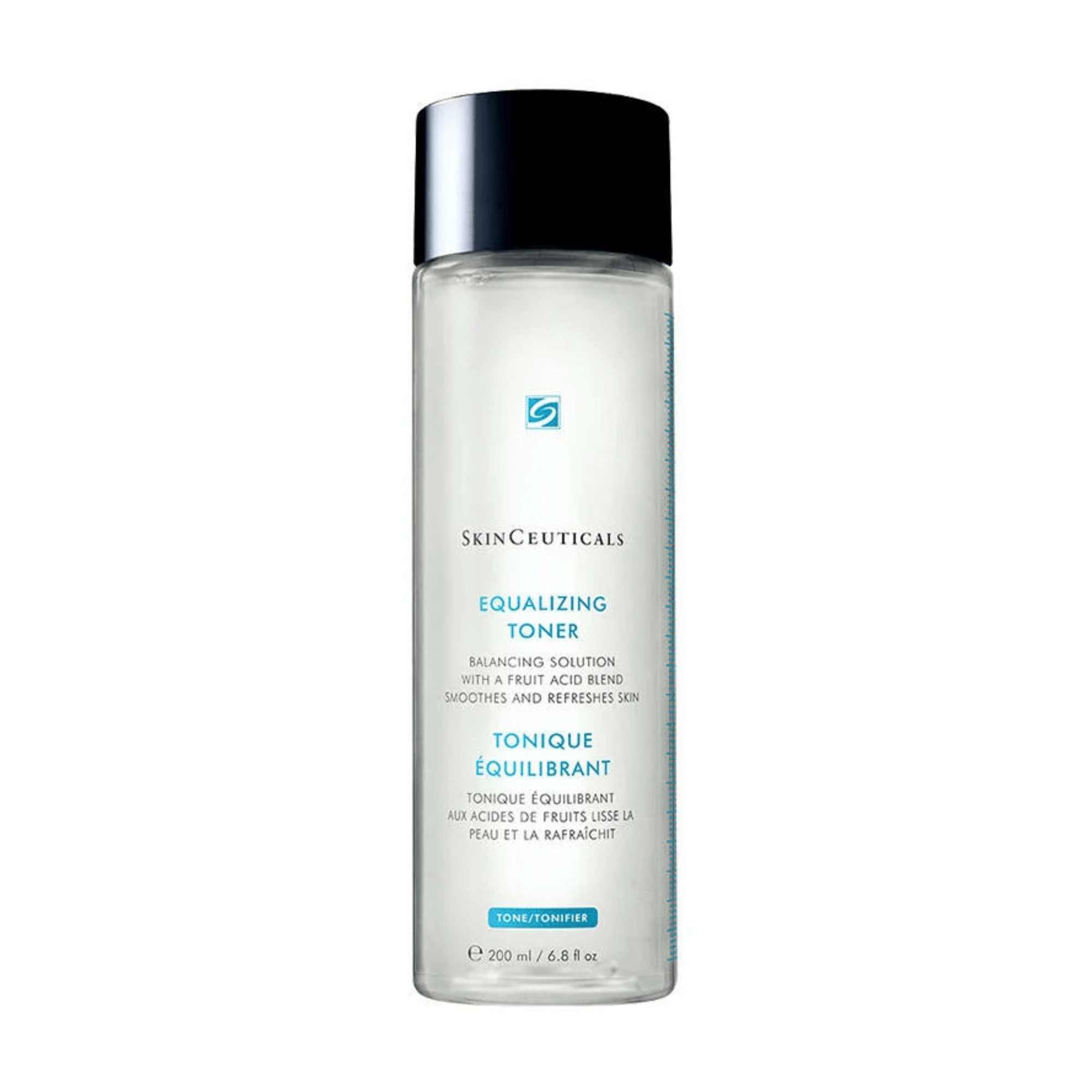
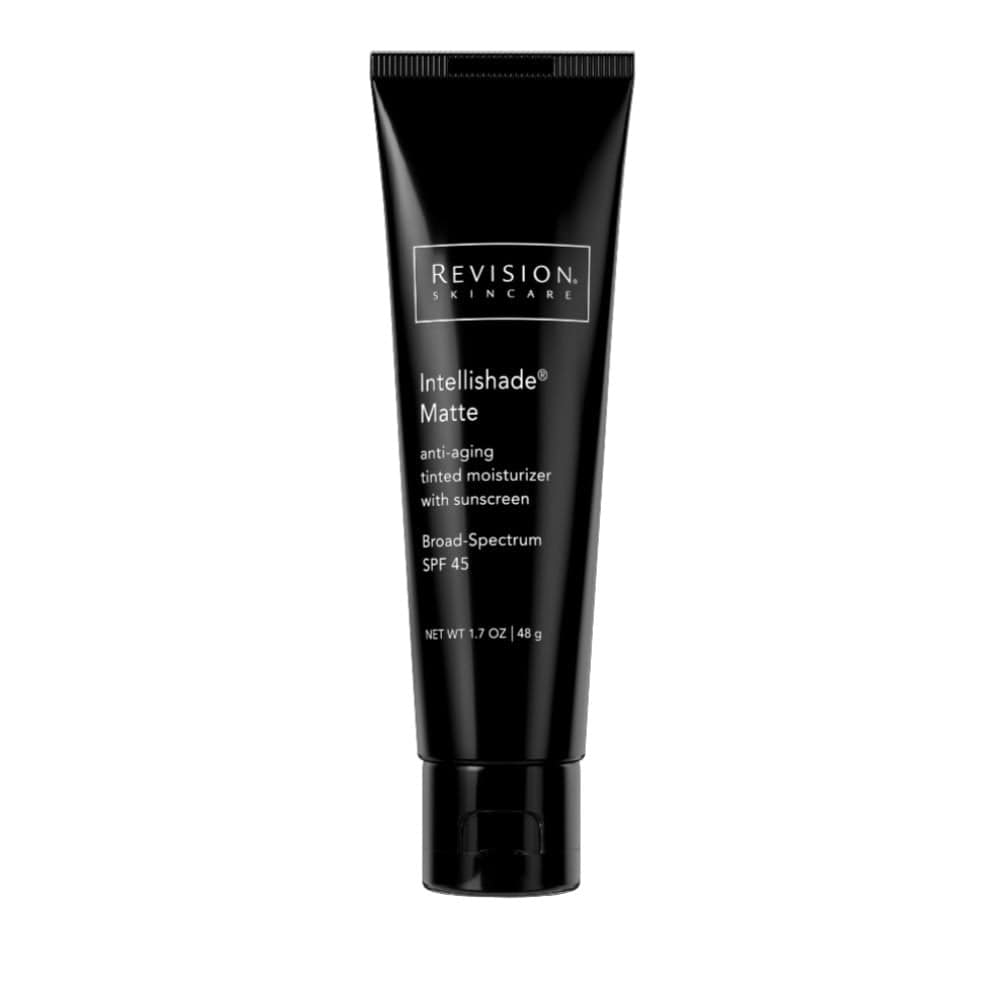
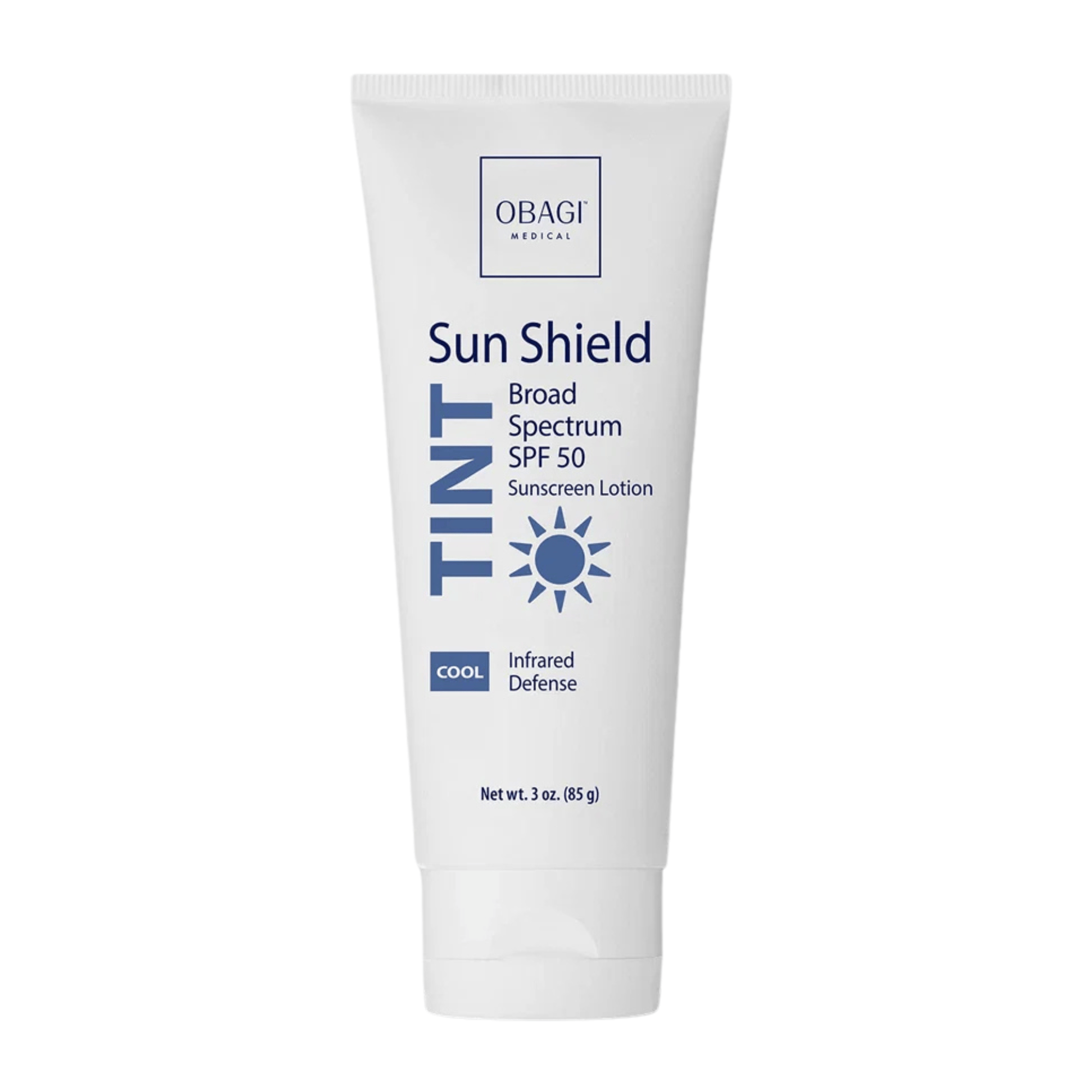
Dermatologist Dr. Leslie Baumann has chosen these melasma treatment products to help fade stubborn facial pigmentation. Whether you have a melasma mustache above your upper lip or dark spots on your cheeks, forehead, or other areas of the face, you’ll find some of the best and most potent skin-lightening products here, along with gentler options that are safe for sensitive skin.
Melasma can be difficult to treat, and the products you combine together matter. For the best results, use these melasma treatments as part of a complete skincare routine with the correct cleanser and moisturizer for your skin type to improve effectiveness while minimizing irritation and inflammation.
Trouble choosing the right melasma products? Take our 16 Skin Type Quiz to find the best products for your skin type, read the guidance below the products on this page, or come ask us your skincare questions on Reddit at r/SkinTypeSolutions.
...
The Strongest Melasma Treatment Products
In Dr. Baumann’s experience, ISDIN Melaclear Advanced is one of the strongest non-prescription melasma serums. It targets hyperpigmentation in several different ways. It contains 4-butylresorcinol, a potent tyrosinase inhibitor; niacinamide, which inhibits the transfer of melanin-containing melanosomes from melanocytes to keratinocytes; and tranexamic acid, which helps block signals that trigger excess pigment production. It also contains phytic acid, gluconolactone, mandelic acid and salicylic acid to exfoliate the skin and help remove pigmented surface cells. However, not all skin types can tolerate such a potent combination of skin-lightening and exfoliating ingredients.
Derma Made TXA Serum is another strong melasma treatment and is more affordable. It combines 5% tranexamic acid, 2% alpha-arbutin and 1% hexylresorcinol, giving it several different mechanisms for targeting hyperpigmentation. However, this high-strength combination may be too irritating for some sensitive skin types, especially when beginning a retinoid or using other potentially irritating products in the same skin care routine.
Another potent skin-lightening ingredient is cysteamine. It is found in Cyspera Intensive Pigment Corrector and Senté Cysteamine HSA Pigment & Tone Corrector. Cyspera combines cysteamine with isobionic-amide and vitamin C derivatives, while Senté combines cysteamine with niacinamide, tetrahexyldecyl ascorbate and HSA. These products are different from traditional leave-on melasma serums because they use short-contact therapy: they are applied briefly and then washed off. Senté recommends 15 minutes, while Cyspera instructions vary by formulation.
Cysteamine products can be combined with other types of skin-lightening ingredients in a carefully designed skin care routine to target pigmentation through multiple pathways. However, more is not always better. Combining several potent melasma treatments can cause stinging, redness and inflammation, particularly in sensitive skin. Because inflammation itself can worsen hyperpigmentation, the strongest melasma treatment for you depends on your Baumann Skin Type and which other products are being used in your skin care routine.
Most Potent Skin-Lightening Ingredient for Melasma
Hydroquinone is the strongest and most proven skin-lightening ingredient used to treat melasma. In the United States, hydroquinone is available by prescription only. It works primarily by inhibiting tyrosinase, a key enzyme needed to make melanin. Alpha-arbutin is a derivative of hydroquinone, but it is not as strong.
Resorcinol and resorcinol derivatives are among the most potent nonprescription inhibitors of pigmentation. Resorcinol itself is most commonly used in professional chemical peels rather than daily skin-lightening products. Resorcinol derivatives, including 4-n-butylresorcinol and hexylresorcinol, are used in topical skin-lightening products and are among the strongest non-hydroquinone ingredients for hyperpigmentation.
A useful general guide to the relative strength of common skin-lightening ingredients is:
However, the actual strength of a melasma treatment depends on the concentration of the active ingredients, the formulation and penetration, and the combination of skin-lightening ingredients in the product. Products that target pigmentation through several different pathways may be more effective than products containing only one skin-lightening ingredient.
Most Effective Melasma Serums for Sensitive Skin
If you experience redness, stinging, burning or frequent reactions to skin care products, you may not tolerate some of the most powerful melasma treatments. Irritating ingredients can cause inflammation, and inflammation can stimulate melanocytes and worsen hyperpigmentation. For this reason, irritating your skin while trying to treat melasma is counterproductive.
Dr. Baumann's favorite skin-lightening serums for sensitive skin include Alastin A-LUMINATE Brightening Serum, which contains niacinamide, tranexamic acid and soothing ingredients. Senté Cysteamine HSA Pigment & Tone Corrector and Cyspera Sensitive Pigment Corrector are short-contact treatments that can also be good options for sensitive skin types because they are washed off rather than left on the skin.
The gentlest melasma serum we offer is PCA Skin Vitamin B3 Brightening Serum. It contains 6% niacinamide, plus mulberry extract, green tea and oligopeptide-51. It is a good choice when tolerability is the priority, although it is not as powerful as the stronger treatments discussed above.
If you have one of the sensitive Baumann Skin Types with hyperpigmentation (DSPT, DSPW, OSPT or OSPW), choose a gentler melasma serum that targets excess pigment without unnecessarily irritating your skin. Avoid combining too many irritating skin-lightening ingredients, exfoliating acids and retinoids at the same time.
Melasma Serum Holiday
Many dermatologists recommend taking periodic breaks from strong tyrosinase inhibitors. They seem to become less effective when used continuously, a phenomenon known as tachyphylaxis. For this reason, we recommend taking a break from strong tyrosinase inhibitors about every four months.
A melasma treatment holiday does not mean you have to stop treating your dark spots. Instead, switch for 2–4 weeks to ingredients that target pigmentation through other mechanisms. Good options include niacinamide, tranexamic acid, retinoids and exfoliating acids such as glycolic acid. Vitamin C can also be used. Vitamin C has weak tyrosinase-inhibiting activity, but we do not consider it a strong tyrosinase inhibitor when designing a melasma treatment holiday.
Melasma serums to use during tyrosinase inhibitor holidays include Vitamin C serums and PCA Skin Vitamin B3 Brightening Serum.
After 2–4 weeks, if you still have dark spots, restart your stronger tyrosinase-inhibiting melasma serum. In our experience, periodically cycling these products helps maintain their skin-lightening effectiveness. However, this approach has not been proven in controlled clinical trials. The ideal melasma routine will vary depending on the ingredients in your products and your Baumann Skin Type.
Frequently Asked Questions
How can I make my melasma serum work better?
Use daily SPF and the correct cleanser and moisturizer for your Baumann Skin Type. Consider adding a short-contact cysteamine product in the morning, followed after washing it off by your other skin-lightening products. Skin lighteners can be used in both morning and evening routines and may be combined with a retinoid when tolerated. We also recommend taking a 2–4 week break from strong tyrosinase inhibitors about every four months, then restarting them if dark spots remain.
What Should I Avoid When Using a Strong Melasma Serum?
Be careful when combining strong melasma serums with exfoliating acids, retinoids or other irritating products. Avoid harsh cleansers, scrubs and over-exfoliation, which can increase irritation and inflammation. Humectants, such as hyaluronic acid serums, increase skin hydration and may increase penetration of other ingredients, potentially making strong melasma treatments more irritating.
Related Blogs
[
{
  "affiliateCode": "BSWD115",
  "locationType": "Primary",
  "accountName": "Jonathan Richey, DO, MHA",
  "practiceName": "Baylor Scott & White Dermatology Specialists",
  "street": "5236 W University Drive #2200",
  "city": "McKinney",
  "state": "TX",
  "zip": 75071,
  "phone": "(469) 800-5325",
  "website": "dermmckinney.com",
  "bookingLink": "https://www.bswhealth.com/locations/dermatology-specialists",
  "email": "jonathan.richey@gmail.com",
  "practicelabel": "McKinney, TX",
  "skinType": "",
  "mdName": "Jonathan Richey, DO, MHA",
  "mdTitle": "STS Approved Doctor",
  "practiceDesc": "Whether your dermatology concern is health-related or cosmetic, Dr. Jonathan Richey and his team of dermatology fellowship trained physician assistants recognize the importance of healthy skin, hair and nails, and pride themselves on providing high-quality dermatology care in North Texas.",
  "practiceBio": "- Vision: Our patients and staff are raving fans who readily share their experience here with others.\n\n- Mission: We provide excellent, compassionate, medical, surgical and cosmetic dermatological care, in a nurturing environment.\n\n- Core Values: Our core values support our vision, mission and shape our culture.  These are the essence of our identify and the rules we live by.  These guide us in each and every decision we make and action we take with ourselves, with others, and our organization.  COMPASSIONATE, LEARNED, HONESTY, LOYALTY, RESOURCEFUL",
  "aboutMd": "Dr. Jonathan D. Richey offers state of the art medical, surgical and cosmetic treatments for the skin hair, nails and veins.  His degrees in medicine and health care administration demonstrates his exceptional commitment to the latest science and delivery of health care. \n\nDr. Richey is a strong proponent of scientifically determined skin typing.  He is also an advocate for using technology to help providers deliver health care and correctly educate his patients and the community.  He is particularly grateful for the many scientists and companies who work to develop and produce personalized products for exceptional skin and overall health.\n\nHe loves spending time with his wife and two daughters as well as landscaping and music.  He is fluent in Spanish.",
  "aboutSTS": "Following influencers, friends, fashions or fads is a poor way to care for your skin.  Your skin type deserves a successful, scientifically determined regimen for the lifetime of your skin.  This is found through Skin Type Solutions!\n\n-Dr. Jonathan D. Richey, DO, MHA"
},
{
  "affiliateCode": "BSWD116",
  "locationType": "Secondary",
  "accountName": "Jonathan Richey, DO, MHA",
  "practiceName": "Baylor Scott & White Dermatology Specialists",
  "street": "821 N Coleman St, #100",
  "city": "Prosper",
  "state": "TX",
  "zip": 75078,
  "phone": "(469) 800-5325",
  "website": "dermmckinney.com",
  "bookingLink": "https://www.bswhealth.com/locations/dermatology-specialists",
  "email": "jonathan.richey@gmail.com",
  "practicelabel": "Prosper, TX",
  "skinType": "",
  "mdName": "Jonathan Richey, DO, MHA",
  "mdTitle": "STS Approved Doctor",
  "practiceDesc": "",
  "practiceBio": "",
  "aboutMd": "",
  "aboutSTS": ""
}
]