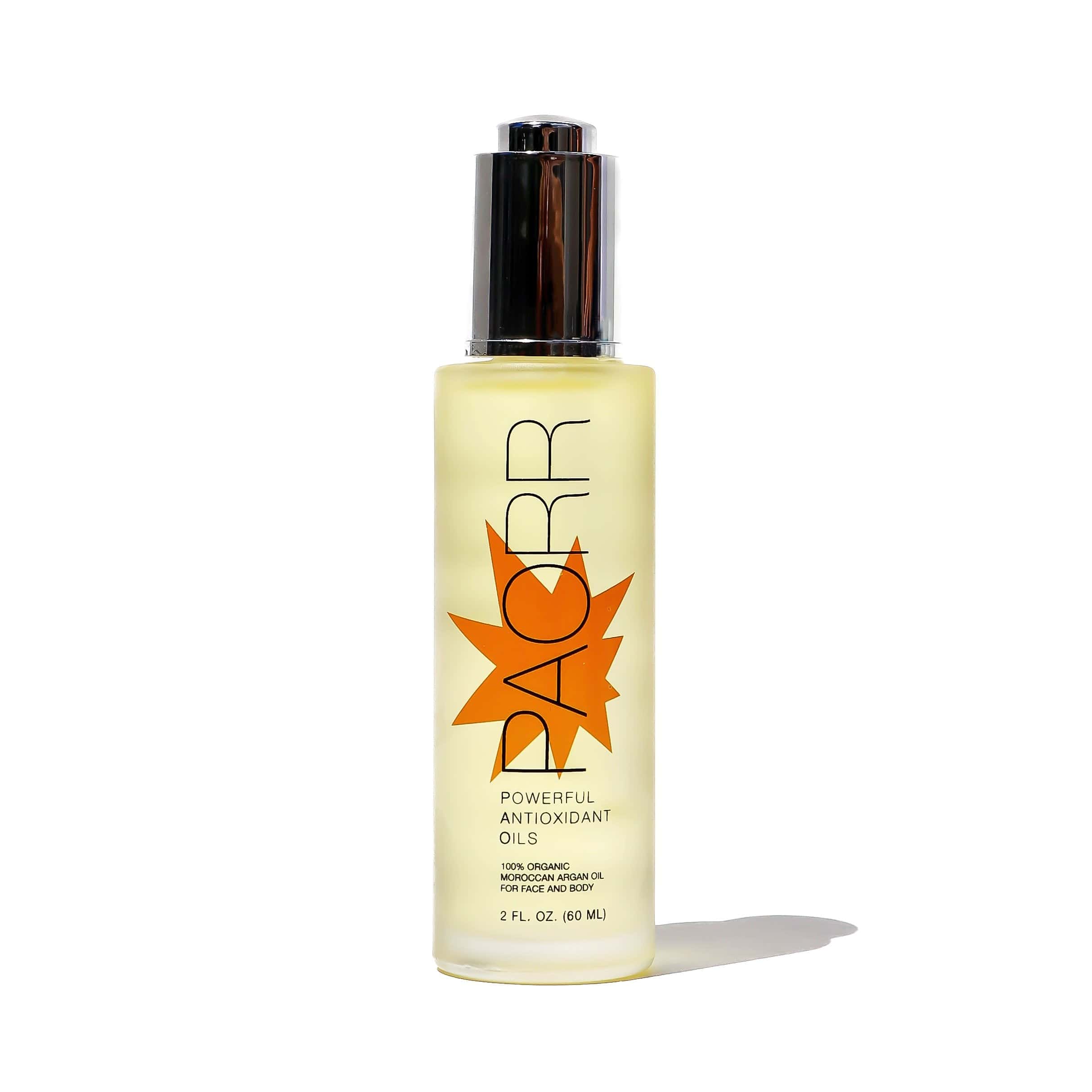
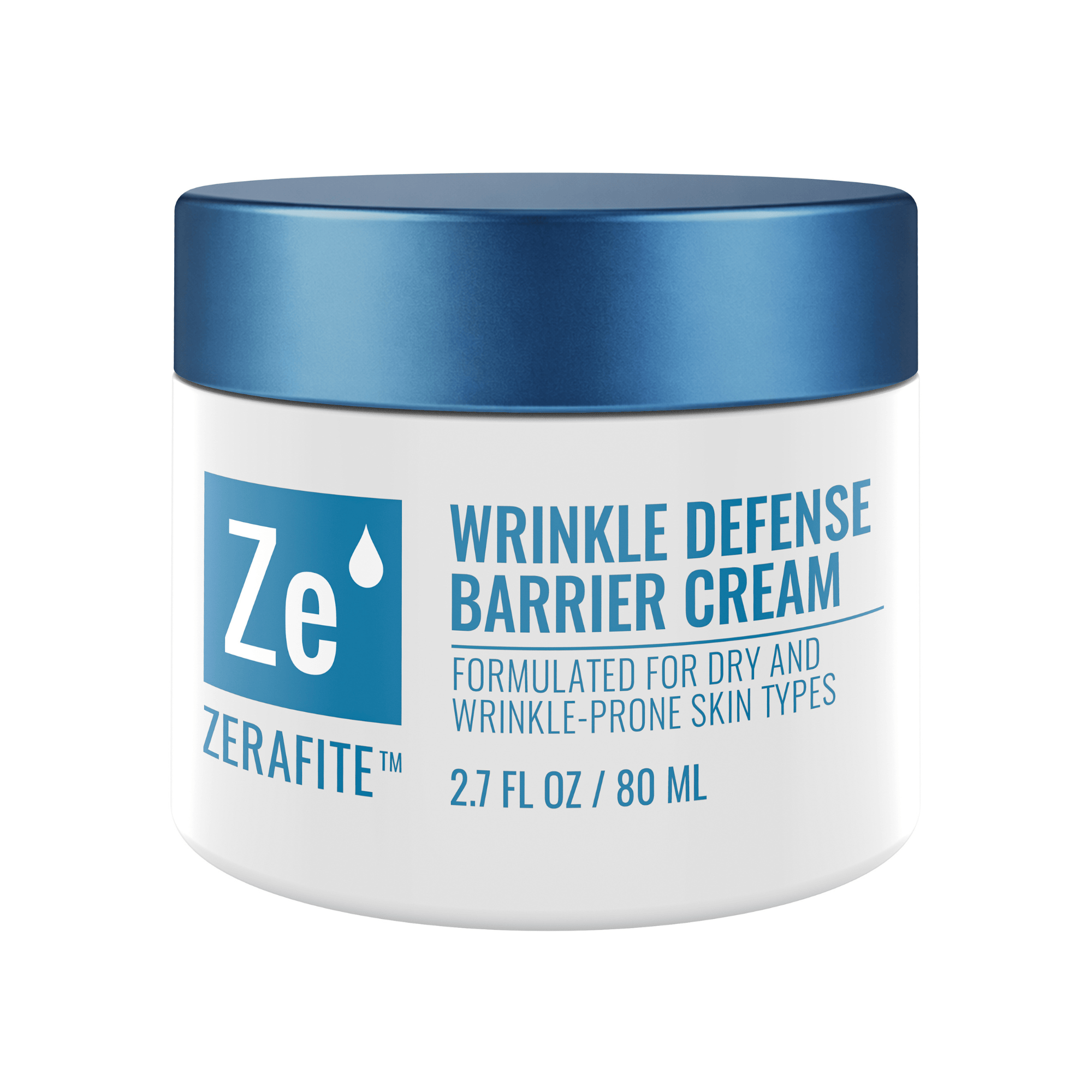
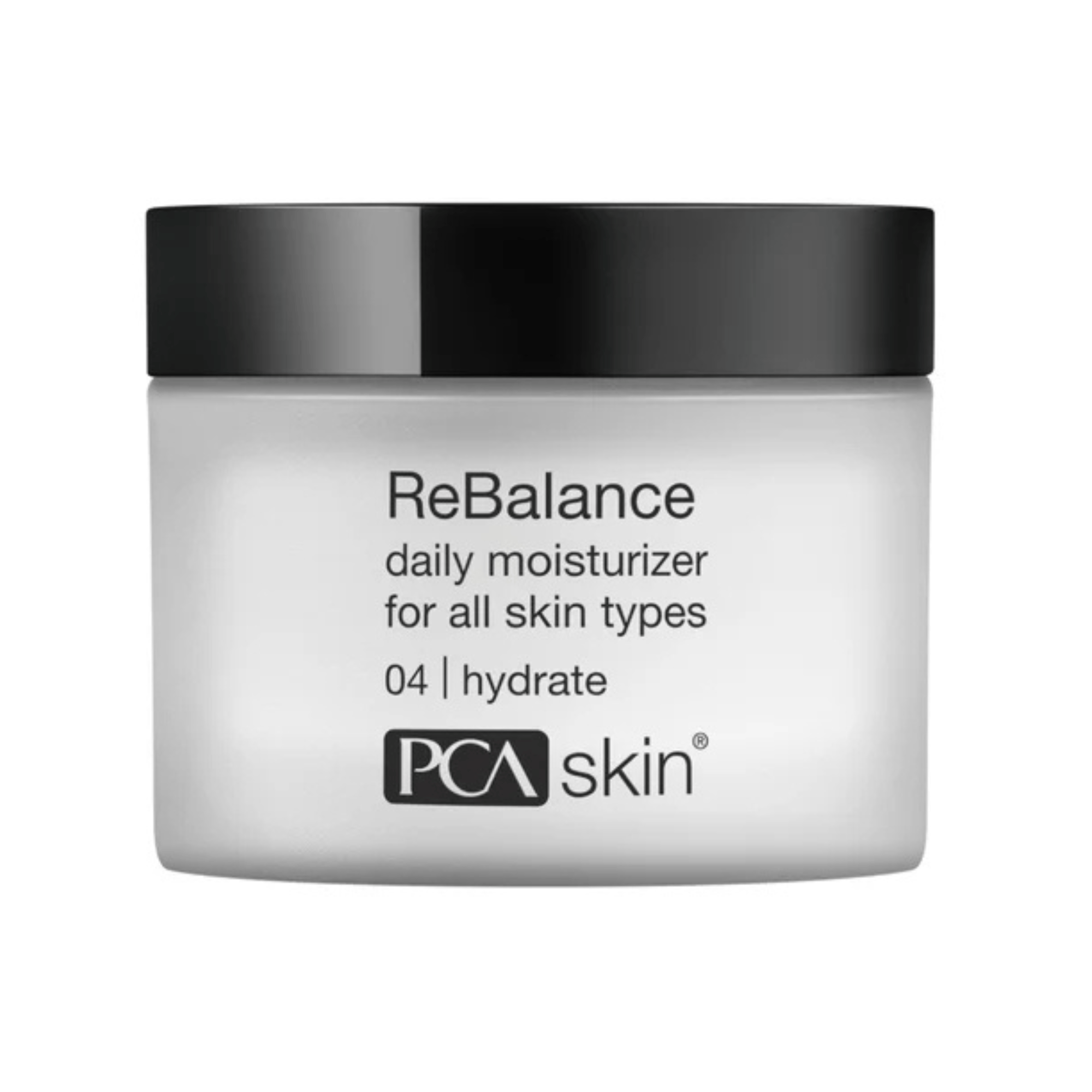
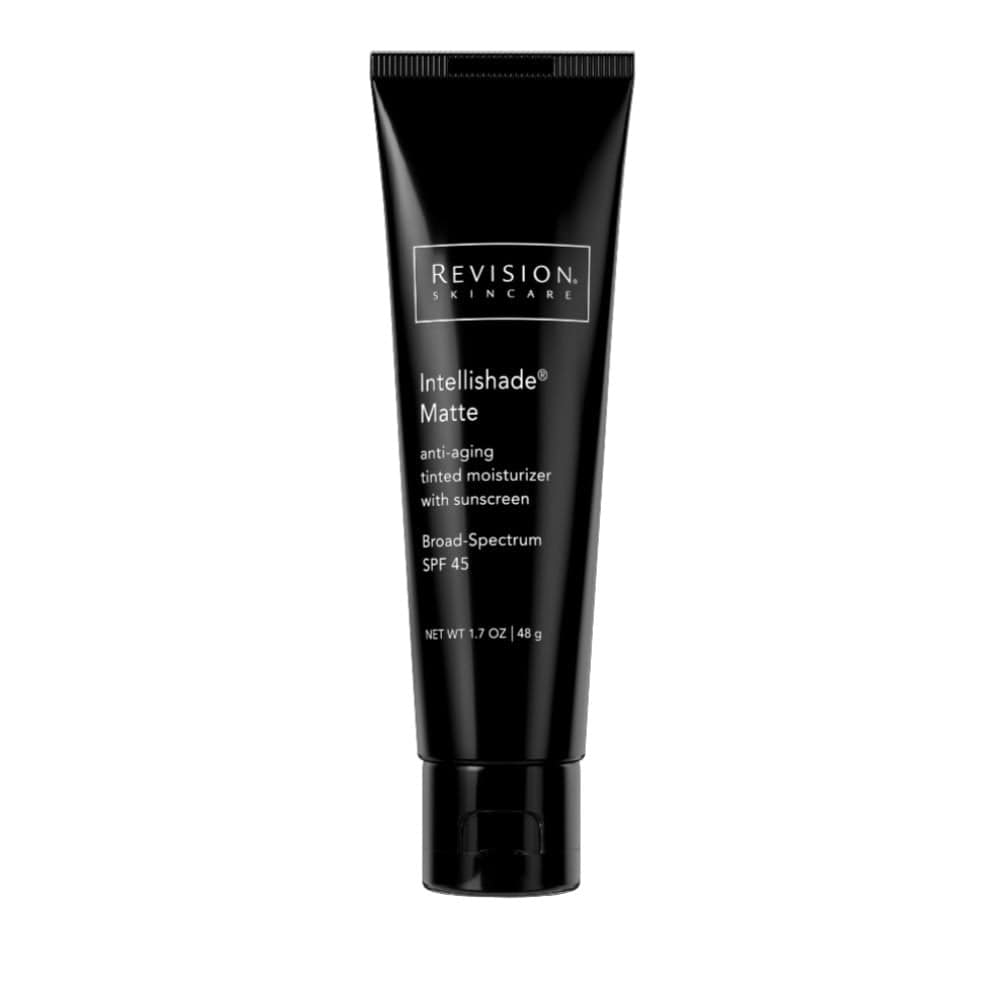
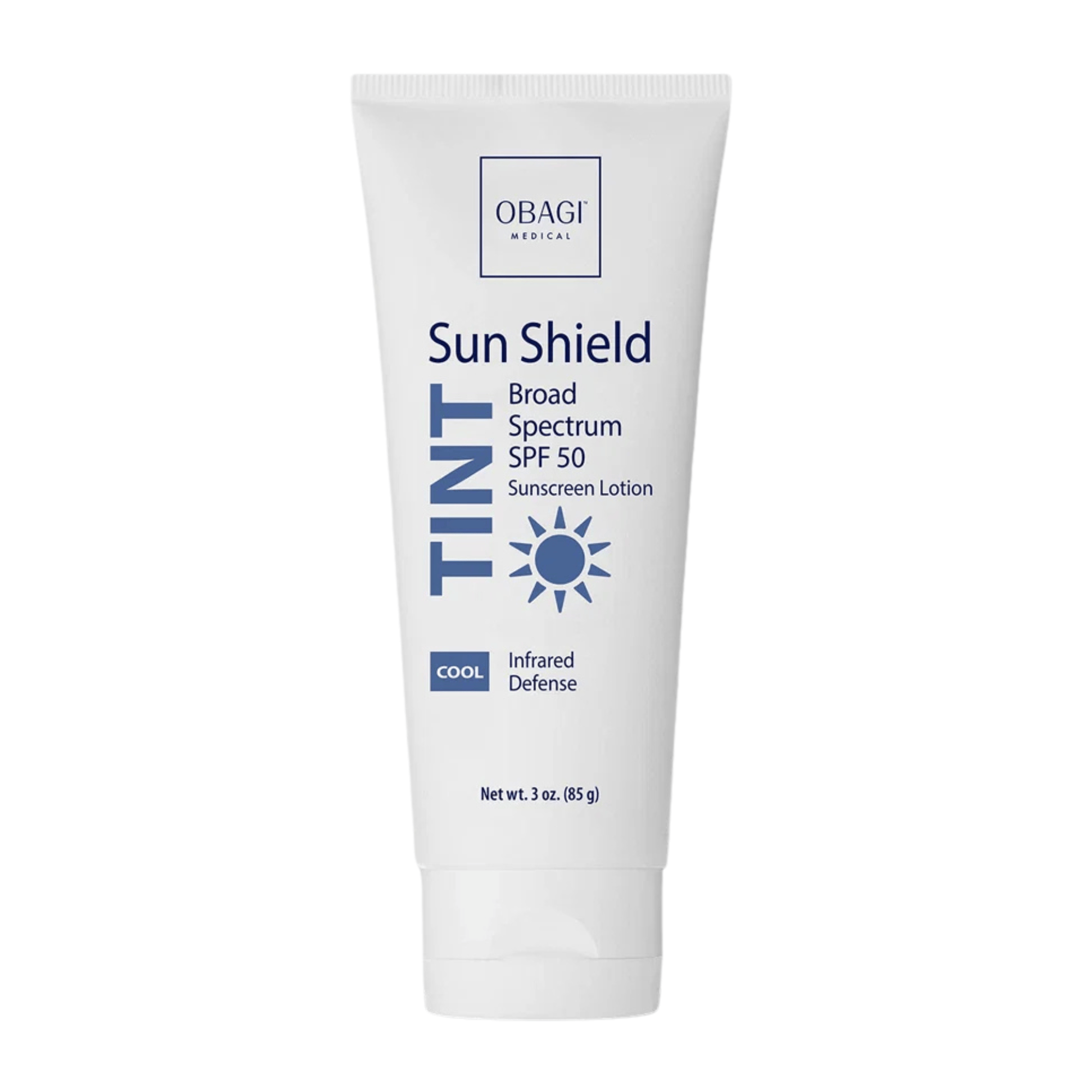
DRPW skin is Dry, Resistant, Pigmented and Wrinkle-Prone, so moisturizer is an important part of the treatment routine. Dry skin has an impaired skin barrier that allows too much water to escape from the skin. The moisturizers selected for DRPW skin contain humectants that attract and bind water and occlusive ingredients that help prevent water evaporation and reduce transepidermal water loss (TEWL), helping dry skin look more dewy, plump and hydrated. But a good DRPW moisturizer should do more than temporarily make the skin feel soft and hydrated. It should also replace the lipids needed to repair and strengthen the skin barrier.
The skin barrier is made up primarily of ceramides, fatty acids and cholesterol arranged in organized lipid layers. Barrier-repair moisturizers that contain these three physiologic lipids in approximately a 1:1:1 ratio can help restore the lipid components that dry skin is missing.
The type of fatty acid also matters. Stearic acid is a long-chain fatty acid that is a good choice in barrier-repair moisturizers. When looking at an ingredient list, stearic-acid-related ingredients to look for include Polyglyceryl-2 Stearate, Glyceryl Stearate, Stearyl Alcohol, Stearic Acid and Polyglyceryl-10 Stearate.
Each Baumann Skin Type has different moisturizer needs. DRPW moisturizers are selected not only to repair the dry skin barrier, but also to be appropriate for Pigmented and Wrinkle-Prone skin. Many of the moisturizers selected for this skin type also contain anti-aging ingredients, such as Ulmus davidiana root extract, Camellia japonica seed oil and Crepidiastrum denticulatum leaf/stem extract, so the moisturizer can help address skin aging while it supports barrier repair.
The moisturizers in this collection are also chosen to avoid ingredients we try to avoid in pigmentation-prone skin, such as psoralens, phototoxic ingredients and other ingredients that can increase photosensitivity or trigger inflammation that may worsen hyperpigmentation.
This combination is important for DRPW skin. The ideal moisturizer should increase hydration, reduce TEWL, repair the barrier, support an anti-aging routine and avoid working against your treatment for dark spots. This is why a moisturizer that is a good choice for one Baumann Skin Type is not necessarily the best moisturizer for another.
...
How do I know if a moisturizer repairs the skin barrier?
You cannot always tell if a moisturizer will repair the skin barrier just by reading the ingredient list. A well-formulated barrier-repair moisturizer should contain ceramides, fatty acids and cholesterol in an organized lipid structure that resembles the lipids naturally found in the skin barrier.
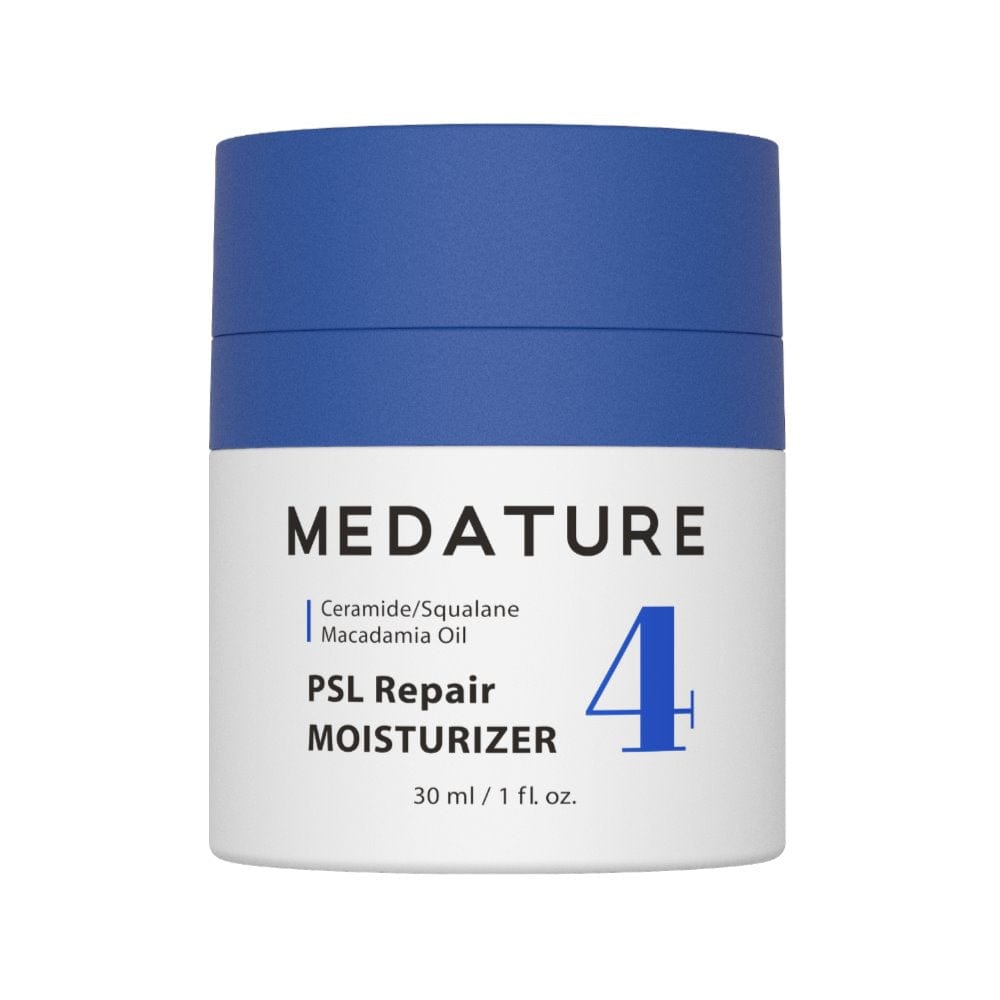
One way we evaluate this lipid organization is with cross-polarized microscopy. When the lipids are properly organized into lamellar structures, they form a characteristic Maltese cross pattern under the microscope. This pattern is seen in Medature and Zerafite barrier-repair moisturizers and is one reason I recommend these moisturizers for Dry Baumann Skin Types.
You should also notice a difference in how your skin feels. After using a good barrier-repair moisturizer consistently for about 4–6 days, your skin should begin to feel more hydrated, smoother and less rough. Continued use helps support the impaired skin barrier and decrease water loss from dry skin.
Why is a 1:1:1 ratio of lipids important in a moisturizer for DRPW Skin?
The skin barrier contains three important types of physiologic lipids: ceramides, free fatty acids and cholesterol. Research has shown that all three need to be present in the proper proportions for normal skin-barrier repair. Studies of damaged skin have found that an approximately 1:1:1 ratio of ceramides, fatty acids and cholesterol supports barrier recovery.
The balance between these lipids is important. An unbalanced mixture, such as adding ceramides without enough cholesterol and fatty acids, can actually delay barrier recovery rather than improve it. This means that a product marketed as a “ceramide cream” is not automatically a good barrier-repair moisturizer. If it does not contain the other important barrier lipids in the proper proportions, it may not be the best choice for dry DRPW skin.
The type of fatty acid matters too. Stearic acid is a long-chain fatty acid and is one of the best choices for supporting the lipid structure of the skin barrier. You may see Stearic Acid itself on the ingredient label, or stearic-acid-related ingredients such as Glyceryl Stearate, Polyglyceryl-2 Stearate, Polyglyceryl-10 Stearate and Stearyl Alcohol. These types of ingredients are found in barrier-repair moisturizers such as Zerafite and Medature.
This is why I look for more than just the word “ceramide” on a moisturizer label. For dry DRPW skin, I prefer barrier-repair moisturizers formulated with ceramides, fatty acids and cholesterol in the proper ratio, with well-chosen fatty acids such as stearic acid. More ceramides are not necessarily better. The balance, type and organization of the lipids are what determine whether a moisturizer can effectively support skin-barrier repair.
What ingredients should DRPW skin types avoid in moisturizers?
DRPW skin is Dry, so avoid moisturizers that contain ingredients that can strip lipids, increase dryness or further impair the skin barrier. Examples include denatured alcohol (Alcohol Denat.), SD alcohol and salicylic acid. Moisturizers containing high concentrations of exfoliating alpha hydroxy acids (AHAs) may also be too drying when used every day, especially when you are already using a retinoid or other anti-aging treatments.
Do not confuse these drying alcohols with fatty alcohols. Fatty alcohols such as cetearyl alcohol, stearyl alcohol and behenyl alcohol are very different from denatured alcohol. They are emollient ingredients that can help soften and support dry skin and are appropriate for DRPW moisturizers.
Salicylic acid can be particularly drying because it is keratolytic and helps remove oil and dead skin cells. Although salicylic acid can be useful for oily and acne-prone Baumann Skin Types, it is usually unnecessary in a daily moisturizer for DRPW skin.
Because DRPW skin is also Pigmented, I recommend avoiding moisturizer ingredients that can increase photosensitivity or cause phototoxic reactions that may contribute to inflammation and hyperpigmentation. Examples include certain citrus oils and extracts that contain photosensitizing furocoumarins, particularly bergamot, lime and bitter orange. Not every citrus-derived ingredient is phototoxic, so the specific extract and how it is processed matter.
This is one reason you should take the Baumann Skin Type Quiz and follow the specific moisturizer recommendations personalized for your skin type. Your recommendations take into account not only your four-letter Baumann Skin Type, but also factors such as your level of sun exposure, skincare habits and other lifestyle factors that can affect which moisturizer ingredients are best for your skin.
Should I apply my treatment serums before or after my moisturizer?
Apply your treatment serums before your moisturizer. This allows active ingredients such as skin lighteners, antioxidants and anti-aging ingredients to reach the skin first.
Apply your moisturizer next. Moisturizers hydrate the stratum corneum and reduce water evaporation, creating an occlusive environment that can help increase penetration of the active ingredients applied underneath.
For DRPW skin, the order is simple: treatment serum first, moisturizer second.
Related Blogs
[
{
  "affiliateCode": "BSWD115",
  "locationType": "Primary",
  "accountName": "Jonathan Richey, DO, MHA",
  "practiceName": "Baylor Scott & White Dermatology Specialists",
  "street": "5236 W University Drive #2200",
  "city": "McKinney",
  "state": "TX",
  "zip": 75071,
  "phone": "(469) 800-5325",
  "website": "dermmckinney.com",
  "bookingLink": "https://www.bswhealth.com/locations/dermatology-specialists",
  "email": "jonathan.richey@gmail.com",
  "practicelabel": "McKinney, TX",
  "skinType": "",
  "mdName": "Jonathan Richey, DO, MHA",
  "mdTitle": "STS Approved Doctor",
  "practiceDesc": "Whether your dermatology concern is health-related or cosmetic, Dr. Jonathan Richey and his team of dermatology fellowship trained physician assistants recognize the importance of healthy skin, hair and nails, and pride themselves on providing high-quality dermatology care in North Texas.",
  "practiceBio": "- Vision: Our patients and staff are raving fans who readily share their experience here with others.\n\n- Mission: We provide excellent, compassionate, medical, surgical and cosmetic dermatological care, in a nurturing environment.\n\n- Core Values: Our core values support our vision, mission and shape our culture.  These are the essence of our identify and the rules we live by.  These guide us in each and every decision we make and action we take with ourselves, with others, and our organization.  COMPASSIONATE, LEARNED, HONESTY, LOYALTY, RESOURCEFUL",
  "aboutMd": "Dr. Jonathan D. Richey offers state of the art medical, surgical and cosmetic treatments for the skin hair, nails and veins.  His degrees in medicine and health care administration demonstrates his exceptional commitment to the latest science and delivery of health care. \n\nDr. Richey is a strong proponent of scientifically determined skin typing.  He is also an advocate for using technology to help providers deliver health care and correctly educate his patients and the community.  He is particularly grateful for the many scientists and companies who work to develop and produce personalized products for exceptional skin and overall health.\n\nHe loves spending time with his wife and two daughters as well as landscaping and music.  He is fluent in Spanish.",
  "aboutSTS": "Following influencers, friends, fashions or fads is a poor way to care for your skin.  Your skin type deserves a successful, scientifically determined regimen for the lifetime of your skin.  This is found through Skin Type Solutions!\n\n-Dr. Jonathan D. Richey, DO, MHA"
},
{
  "affiliateCode": "BSWD116",
  "locationType": "Secondary",
  "accountName": "Jonathan Richey, DO, MHA",
  "practiceName": "Baylor Scott & White Dermatology Specialists",
  "street": "821 N Coleman St, #100",
  "city": "Prosper",
  "state": "TX",
  "zip": 75078,
  "phone": "(469) 800-5325",
  "website": "dermmckinney.com",
  "bookingLink": "https://www.bswhealth.com/locations/dermatology-specialists",
  "email": "jonathan.richey@gmail.com",
  "practicelabel": "Prosper, TX",
  "skinType": "",
  "mdName": "Jonathan Richey, DO, MHA",
  "mdTitle": "STS Approved Doctor",
  "practiceDesc": "",
  "practiceBio": "",
  "aboutMd": "",
  "aboutSTS": ""
}
]