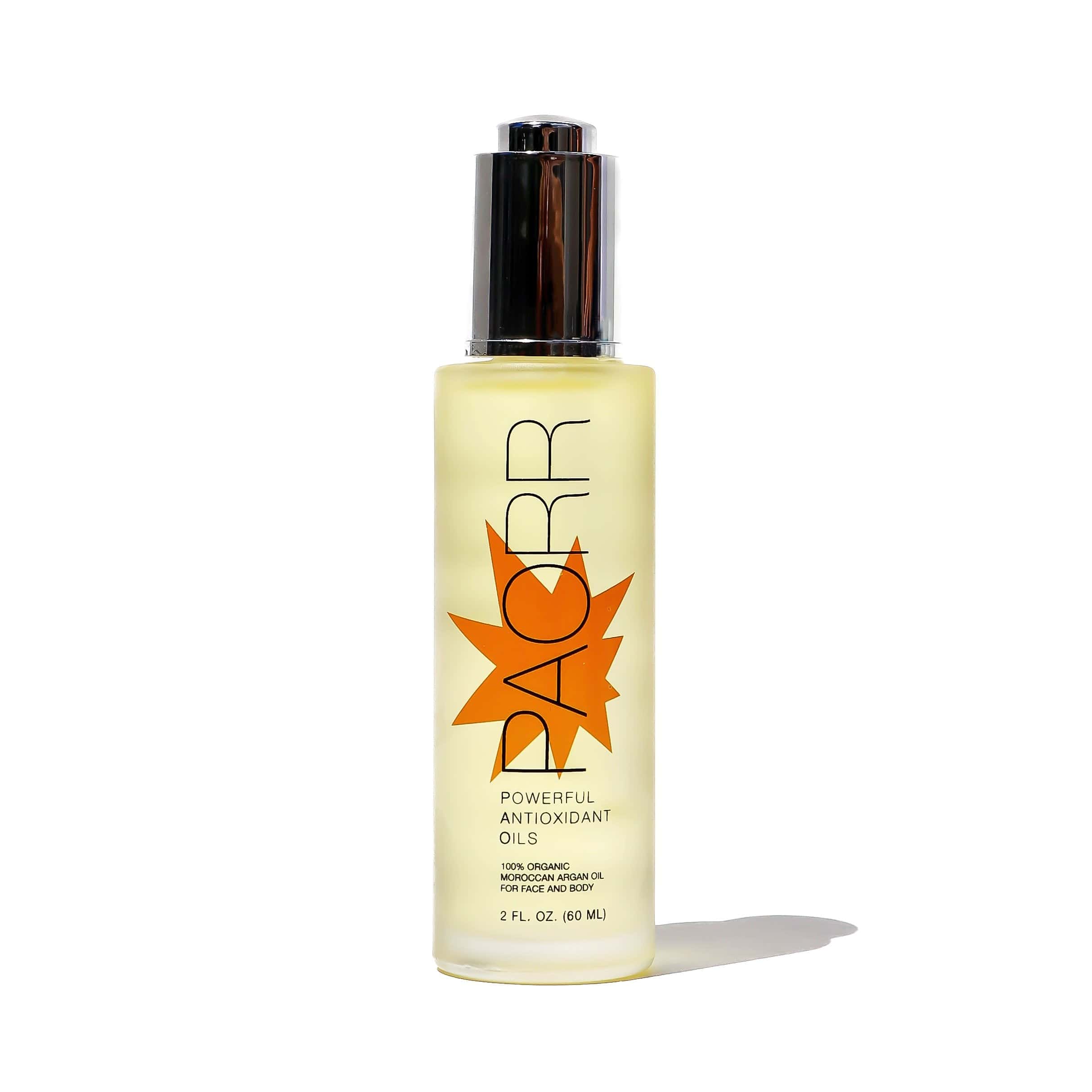
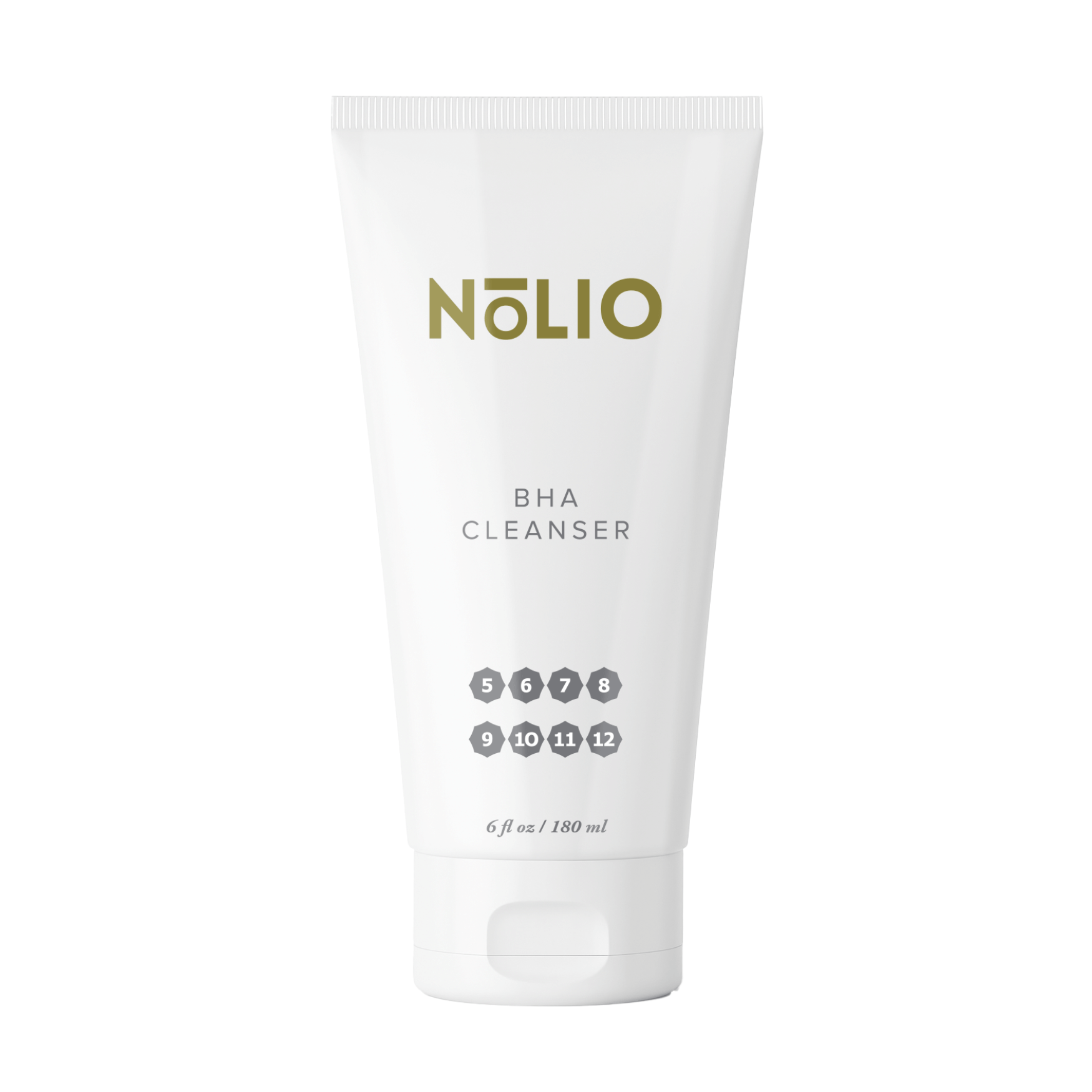
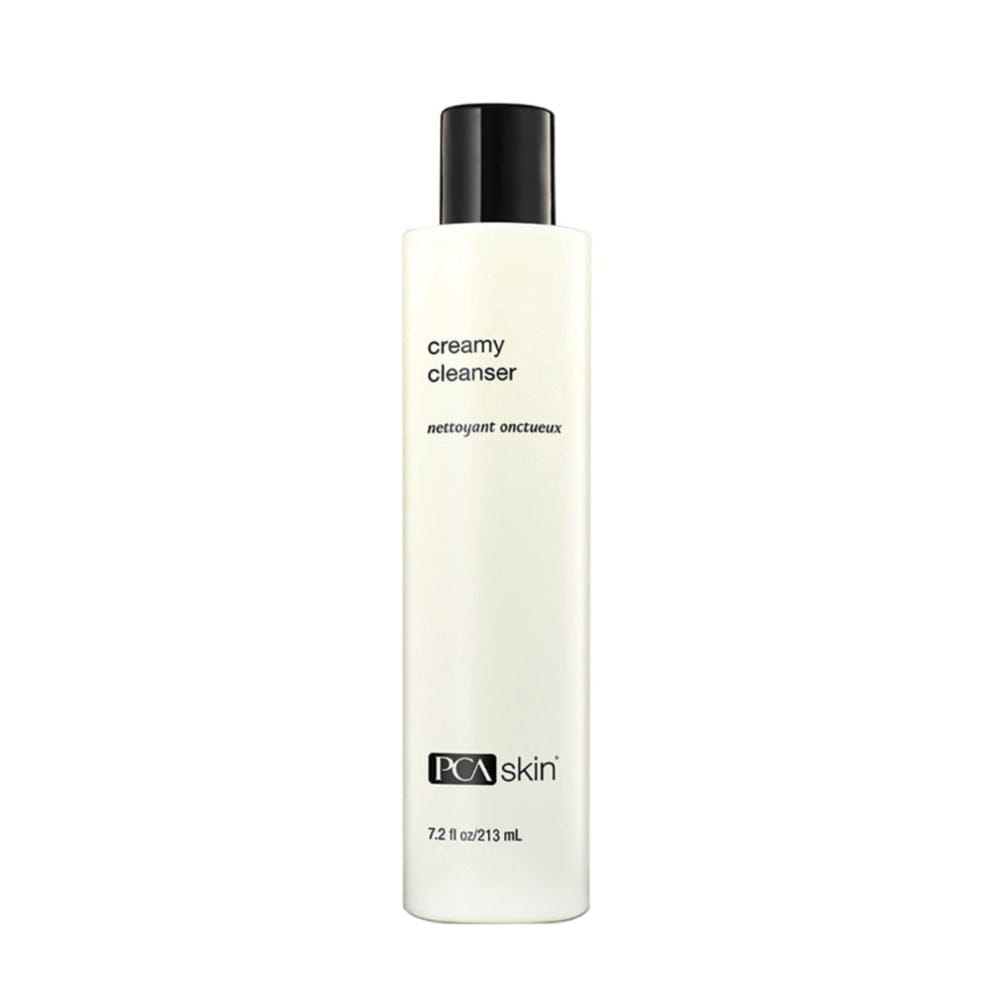
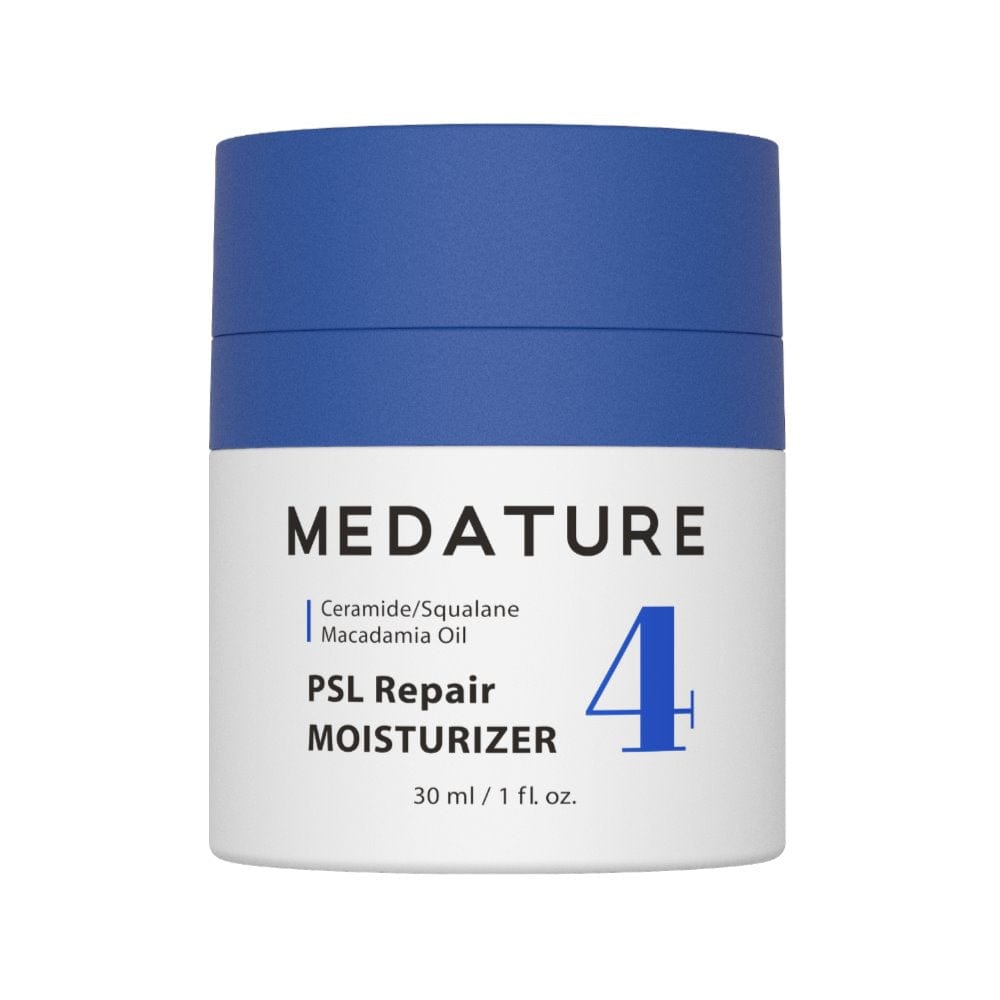
Struggling with recurrent small itchy bumps that won’t clear despite acne treatments? You may have Malassezia folliculitis (often called fungal acne). Unlike typical acne, it thrives on specific oils and fatty acids—so your moisturizer matters. Choose from these fungal‑acne safe moisturizers that avoid known Malassezia triggers (esters, oils, yeast ferments) and instead rely on scientifically backed hydration: glycerin, urea, hyaluronic acid, and niacinamide. These lightweight, oil‑free formulations hydrate and strengthen your skin barrier without feeding yeast. Safe for sensitive, acne‑prone skin and suitable as part of your Baumann Skin Type routine with oily or dehydrated fungal‑acne prone skin.
...
Best Serums for Fungal Acne
When managing fungal acne (Malassezia folliculitis), choosing the right moisturizer is crucial. Choose a light moisturizer or a serum. The best moisturizers for fungal acne provide hydration and barrier support without feeding the yeast that drives this condition. Look for products that are oil-free, non-comedogenic, and free of esters, polysorbates, and fermented ingredients.
Several dermatologist-recommended products fit these criteria. EltaMD Barrier Renewal Complex is a standout because it restores the skin barrier with ceramides and niacinamide—without using oils or esters that fuel Malassezia. It’s lightweight and ideal for sensitive or inflamed skin. Neocutis Hyalis+ Intensive Hydrating Serum uses pharmaceutical-grade hyaluronic acid to boost hydration at the surface and deeper layers of the skin. Because it’s free of fungal-acne triggers, it delivers powerful moisture without clogging pores.
Replenix Caffeine Fortified Calming Serum is another excellent choice. It contains calming green tea polyphenols and caffeine to reduce redness and irritation, and it uses a clean, minimalist formula that avoids problematic oils. Replenix Age Restore Bio-Repair Serum provides anti-aging benefits while remaining fungal-acne safe, thanks to its oil-free, non-comedogenic formula rich in peptides and antioxidants. All of these options offer hydration and skin-repair support while minimizing the risk of Malassezia overgrowth.
Fatty Acids, Oils and Fungal Acne
If you have fungal acne, it’s important to avoid ingredients that can feed the yeast (Malassezia) responsible for this condition. These include fatty acids, fatty acid esters, and natural oils that contain high levels of long-chain fatty acids—typically those with carbon chain lengths between C12 and C24. Malassezia uses these lipids as a food source, so applying them to the skin can worsen or prolong breakouts. Common examples of long-chain fatty acids to avoid include oleic acid (C18:1), stearic acid (C18:0), palmitic acid (C16:0), and lauric acid (C12:0). Oils rich in these fatty acids—such as coconut oil, olive oil, avocado oil, argan oil, marula oil, and shea butter—should generally be avoided unless you are under consistent antifungal treatment.
In contrast, short-chain fatty acids like acetic acid (C2), propionic acid (C3), and butyric acid (C4) are not used by Malassezia as a growth substrate and are usually safe for fungal-acne-prone skin.
Humectants Are A Good Choice for Fungal Acne
Humectants are an excellent choice for hydrating skin affected by fungal acne because they draw water into the skin without feeding Malassezia, the yeast responsible for this condition. Unlike occlusives, which form a heavy barrier and often contain oils or fatty acids that can support yeast growth, humectants work by attracting moisture from the environment or deeper skin layers to the surface. This provides essential hydration without creating a lipid-rich environment where Malassezia thrives. Ingredients like glycerin, hyaluronic acid, urea, and panthenol are well-tolerated and effective at relieving dryness and maintaining barrier function.
Antimicrobials in Skin Care to Control Skin Yeast
Antimicrobial ingredients like sulfur, selenium sulfide, sodium hypochlorite, and benzoyl peroxide can be effective in reducing yeast counts on the skin, including Malassezia, the organism responsible for fungal acne. Sulfur has natural antifungal and keratolytic properties, helping to exfoliate dead skin cells while directly suppressing yeast. Selenium sulfide, commonly found in anti-dandruff shampoos, works by slowing the growth of Malassezia and disrupting its metabolic processes, making it a strong option for topical use in oily or yeast-prone areas. Sodium hypochlorite, often used in low concentrations in dermatologic cleansers, acts as a broad-spectrum antimicrobial, reducing bacterial and fungal load on the skin. Benzoyl peroxide, while primarily known for its antibacterial activity against Cutibacterium acnes, also exerts a drying and oxygenating effect that can indirectly reduce yeast proliferation in clogged follicles.
Frequently Asked Questions
Is Caprylic/capric Triglyceride safe for fungal acne?
Caprylic/capric Triglyceride is made mostly of short chain fatty acids. It is long chain fatty acids that should be avoided in fungal acne so Caprylic/capric Triglyceride is ok to use.
What ingredients should I look for in a fungal acne-safe moisturizer?
When choosing a moisturizer for fungal acne (also called Malassezia folliculitis), it’s important to focus on ingredients that hydrate the skin without feeding the yeast. Moisturizers that contain glycerin, hyaluronic acid, urea, panthenol (vitamin B5), niacinamide (vitamin B3), or beta-glucan are generally safe and well tolerated.
What ingredients should I avoid if I have fungal acne?
People with fungal acne should avoid moisturizers that contain fatty acid esters, such as glyceryl stearate, and long chain fatty acids. Also avoid isopropyl myristate, PEG compounds, or polysorbates. Avoid fatty acids with long chains (C12-C24) such as oleic acid (C18:1), Palmitic Acid (C16:0), Stearic Acid (C18:0) and Lauric acidd (C12:0) These ingredients may act as a food source for Malassezia yeast and can worsen breakouts. It’s also important to avoid natural oils high in long-chain fatty acids like coconut, olive, avocado, or argan oil. In addition, fermented ingredients or yeast-derived components like Galactomyces or Saccharomyces may trigger flares in sensitive individuals.
What’s the difference between short-, medium-, and long-chain fatty acids—and why does it matter?
The carbon chain length of fatty acids plays a major role in how they interact with Malassezia yeast. Long-chain fatty acids (typically those with 12 to 24 carbon atoms, such as oleic acid, lauric acid, stearic acid, and palmitic acid) are known to promote the growth of Malassezia and may worsen fungal acne. Short-chain (C2 to C5) and medium-chain fatty acids (C6 to C10) are much less likely to feed the yeast and are often better tolerated. Avoiding products with long-chain fatty acids is a key part of managing this condition, especially in moisturizers and leave-on products.
Related Blogs
[
{
  "affiliateCode": "BSWD115",
  "locationType": "Primary",
  "accountName": "Jonathan Richey, DO, MHA",
  "practiceName": "Baylor Scott & White Dermatology Specialists",
  "street": "5236 W University Drive #2200",
  "city": "McKinney",
  "state": "TX",
  "zip": 75071,
  "phone": "(469) 800-5325",
  "website": "dermmckinney.com",
  "bookingLink": "https://www.bswhealth.com/locations/dermatology-specialists",
  "email": "jonathan.richey@gmail.com",
  "practicelabel": "McKinney, TX",
  "skinType": "",
  "mdName": "Jonathan Richey, DO, MHA",
  "mdTitle": "STS Approved Doctor",
  "practiceDesc": "Whether your dermatology concern is health-related or cosmetic, Dr. Jonathan Richey and his team of dermatology fellowship trained physician assistants recognize the importance of healthy skin, hair and nails, and pride themselves on providing high-quality dermatology care in North Texas.",
  "practiceBio": "- Vision: Our patients and staff are raving fans who readily share their experience here with others.\n\n- Mission: We provide excellent, compassionate, medical, surgical and cosmetic dermatological care, in a nurturing environment.\n\n- Core Values: Our core values support our vision, mission and shape our culture.  These are the essence of our identify and the rules we live by.  These guide us in each and every decision we make and action we take with ourselves, with others, and our organization.  COMPASSIONATE, LEARNED, HONESTY, LOYALTY, RESOURCEFUL",
  "aboutMd": "Dr. Jonathan D. Richey offers state of the art medical, surgical and cosmetic treatments for the skin hair, nails and veins.  His degrees in medicine and health care administration demonstrates his exceptional commitment to the latest science and delivery of health care. \n\nDr. Richey is a strong proponent of scientifically determined skin typing.  He is also an advocate for using technology to help providers deliver health care and correctly educate his patients and the community.  He is particularly grateful for the many scientists and companies who work to develop and produce personalized products for exceptional skin and overall health.\n\nHe loves spending time with his wife and two daughters as well as landscaping and music.  He is fluent in Spanish.",
  "aboutSTS": "Following influencers, friends, fashions or fads is a poor way to care for your skin.  Your skin type deserves a successful, scientifically determined regimen for the lifetime of your skin.  This is found through Skin Type Solutions!\n\n-Dr. Jonathan D. Richey, DO, MHA"
},
{
  "affiliateCode": "BSWD116",
  "locationType": "Secondary",
  "accountName": "Jonathan Richey, DO, MHA",
  "practiceName": "Baylor Scott & White Dermatology Specialists",
  "street": "821 N Coleman St, #100",
  "city": "Prosper",
  "state": "TX",
  "zip": 75078,
  "phone": "(469) 800-5325",
  "website": "dermmckinney.com",
  "bookingLink": "https://www.bswhealth.com/locations/dermatology-specialists",
  "email": "jonathan.richey@gmail.com",
  "practicelabel": "Prosper, TX",
  "skinType": "",
  "mdName": "Jonathan Richey, DO, MHA",
  "mdTitle": "STS Approved Doctor",
  "practiceDesc": "",
  "practiceBio": "",
  "aboutMd": "",
  "aboutSTS": ""
}
]