










Types of Acne Scars and How to Treat Them
Acne scars are some of the most common skin concerns among teens and adults alike, with some research suggesting that up to 95% of people with acne develop some level of scarring (1). It is easy to understand, then, why so many patients ask me how they can get rid of acne scars and pimple marks. In order to best answer that question, we need to first know what type of acne scars you have, as well as which of the 16 skin types you are.
If you don’t know your skin type yet, take a moment to take the quiz and find out. The next step is to assess which type of acne scars you have so you can match the best treatments with your skin type.
Atrophic and hypertrophic are the two main types of acne scars.
Dark spots caused by acne, called post-inflammatory hyperpigmentation, are not true scars but are a common occurrence.
The best treatment for acne scars can involve topical ingredients and/or in-office treatments, depending on the type of scar.

Atrophic Acne Scars
Atrophic, or indented, scars are the most common type of acne scar. These scars occur when the body does not produce enough collagen during the healing process, thus leaving an indent in the skin.
There are three subtypes of atrophic acne scars:
- Icepick, or “V-shaped” scars. These deep, narrow scars are the most common type and extend into the dermis. They get the name “icepick scar” because they can resemble small puncture wounds, as if pierced by an icepick. These scars can be difficult to treat because of their depth, with laser treatments or excision procedures in severe cases being the most effective options (2).
- Boxcar, or “U-shaped” scars. These are broad indented scars with sharp edges and can be shallow to moderately deep, but are not typically as deep as icepick scars. Laser treatments or microneedling are often effective at improving boxcar scars.
- Rolling, or “W-shaped” scars. These are wavy or “rolling” in appearance, which is why they are sometimes called “W-shaped” scars. Rolling scars are usually wider than icepick or boxcar scars and tend to occur with severe or long-lasting acne. Laser treatments and/or injectable fillers are often used to treat these scars (2).

Hypertrophic Acne Scars
Unlike atrophic scars, hypertrophic acne scars are raised from the surface of the skin and are caused by an overproduction of collagen. While less common than atrophic scars, hypertrophic scars can be more noticeable because of their raised appearance. These scars are often treated with silicone ointments or sheets, which work by hydrating the scar tissue, reducing collagen overproduction, and creating a protective barrier that helps to flatten and soften the scar over time. Silicone can also help to reduce redness, itching, and discomfort associated with raised scars.
It is important to note that hypertrophic scars are not the same as keloids, although both are raised and can be similar in appearance. Keloids can extend beyond the boundaries of the original wound, often growing larger over time, whereas hypertrophic scars remain confined to the original injury site and may gradually improve. Keloids are also more likely to recur after treatment and can be more challenging to manage.

Post-Inflammatory Hyperpigmentation (PIH)
Post-inflammatory hyperpigmentation (PIH) is not a true scar, but rather a pigmentation issue that often occurs after an acne breakout, which is why it is often discussed alongside true acne scars. PIH can leave behind dark spots or patches of skin after an acne breakout as a result of inflammation, which triggers excess melanin production. People with medium to dark skin tones tend to be more prone to developing PIH. Popping pimples or picking at acne scabs can also cause PIH.
In some cases, post-inflammatory hyperpigmentation will clear up on its own, but it is important to keep your skin protected from the sun, as UV light can worsen these dark spots. For persistent or severe post-inflammatory hyperpigmentation, skin-lightening ingredients can help.
What Are the Best Products for Acne Scars?
The best ingredients and products for acne scars depend on the type and severity of scarring you have. Very deep atrophic scars often require an in-office treatment like lasers, microneedling, or fillers to improve. However, shallower atrophic scars and many hypertrophic scars can respond well to topical products designed specifically for this purpose.
To lighten and even out the skin tone after post-inflammatory hyperpigmentation, look for products with skin-brightening ingredients like lactic acid, vitamin C, niacinamide, or azelaic acid. Retinoids also help to increase cell turnover, reducing dark spots and smoothing skin texture.
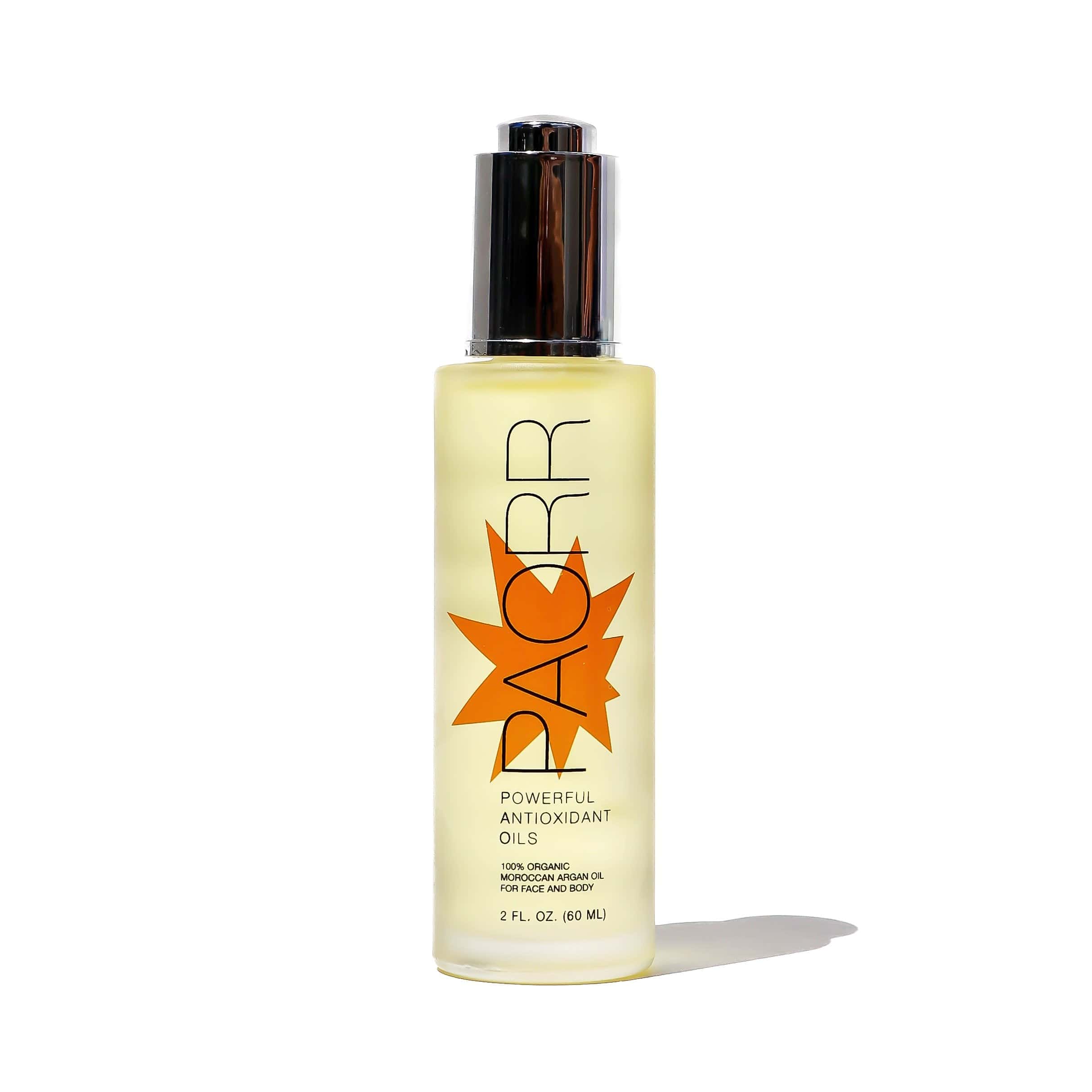
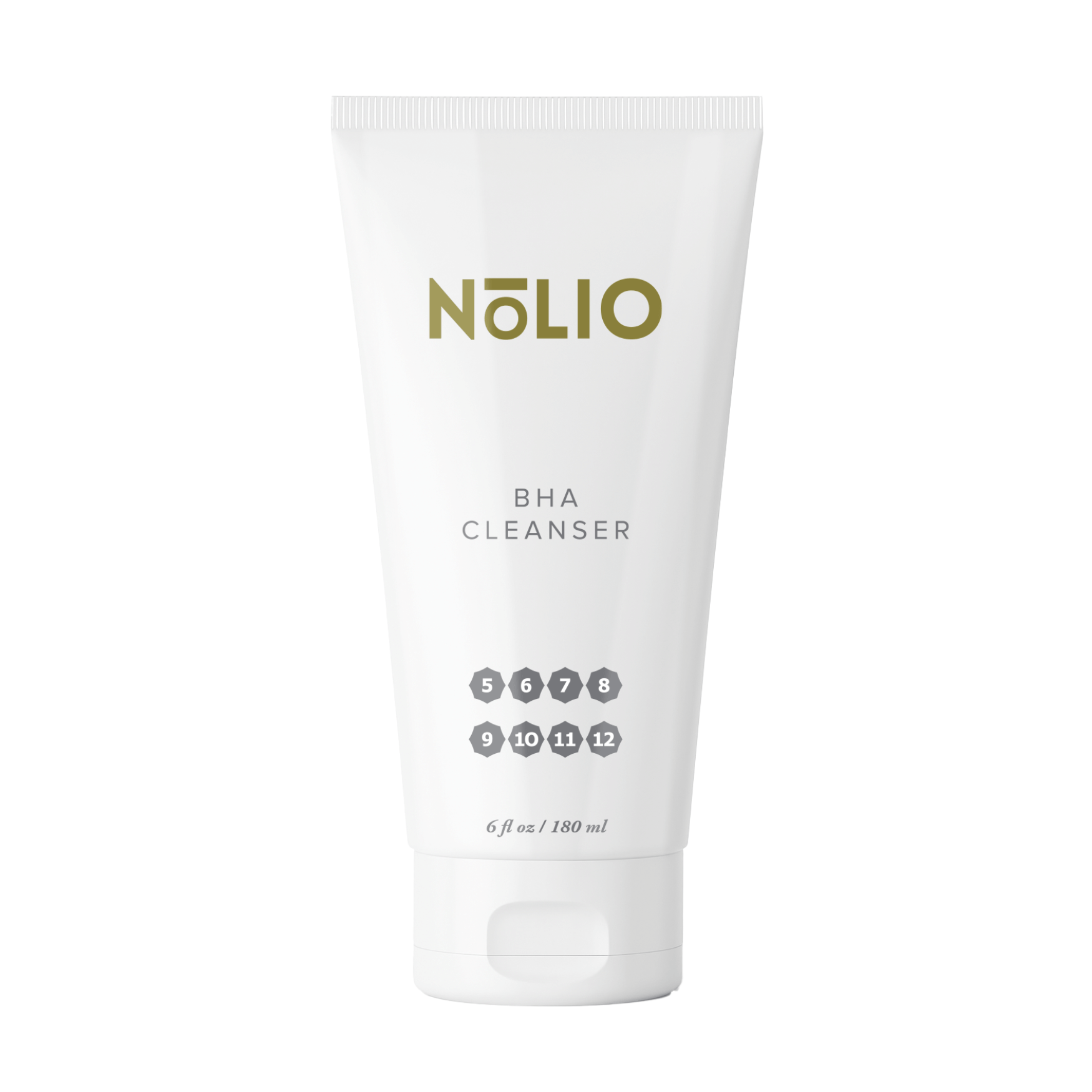
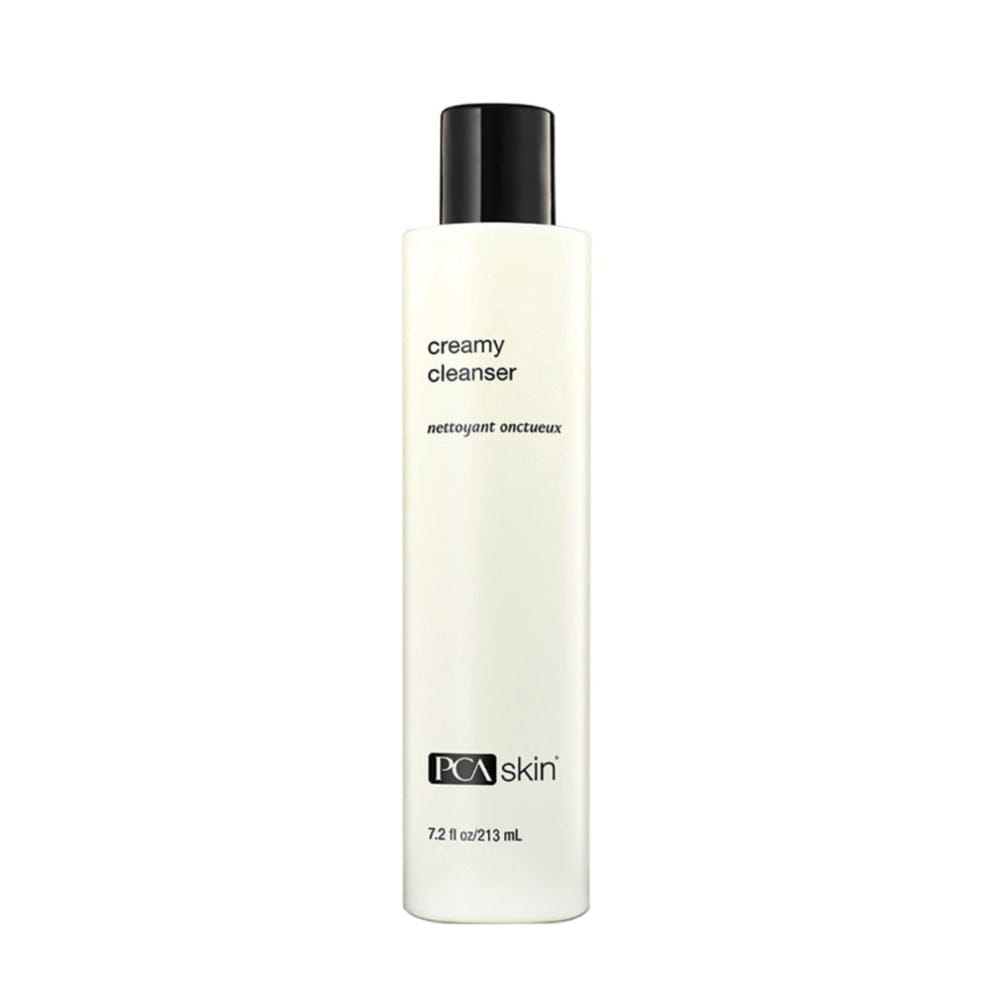
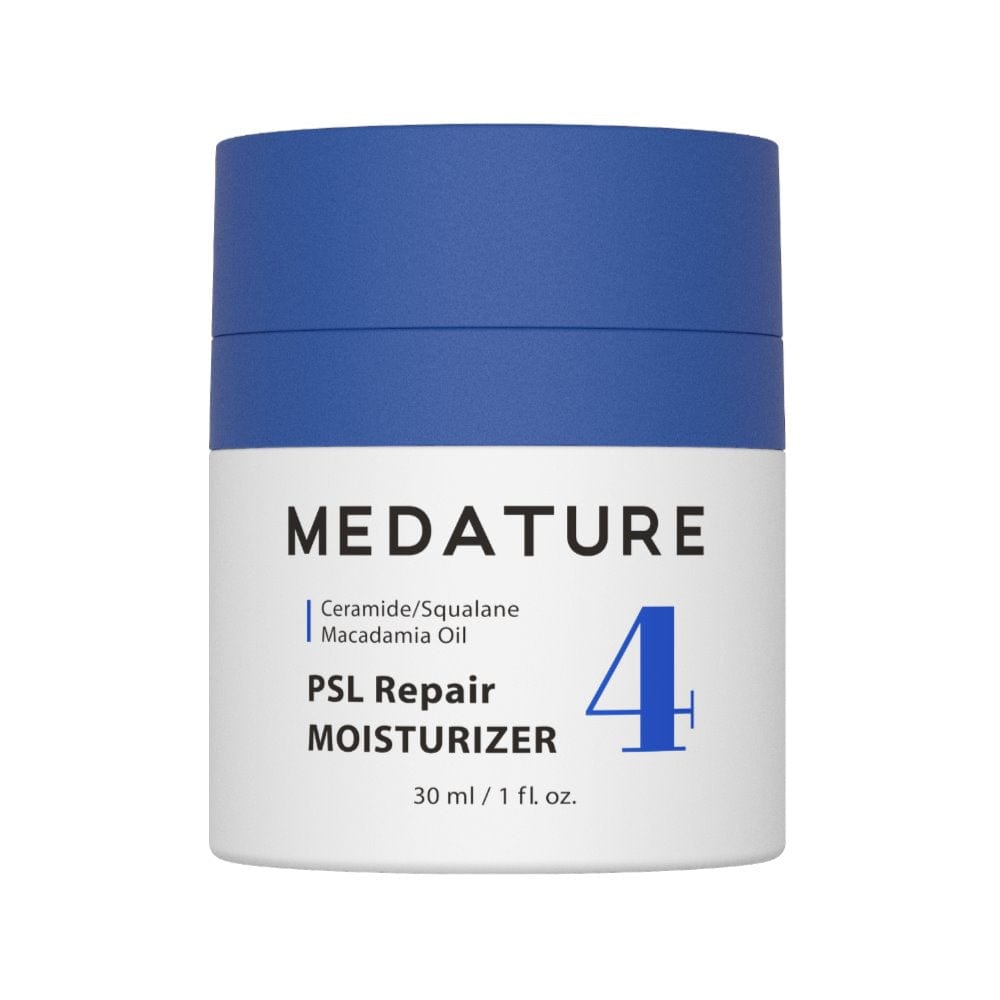
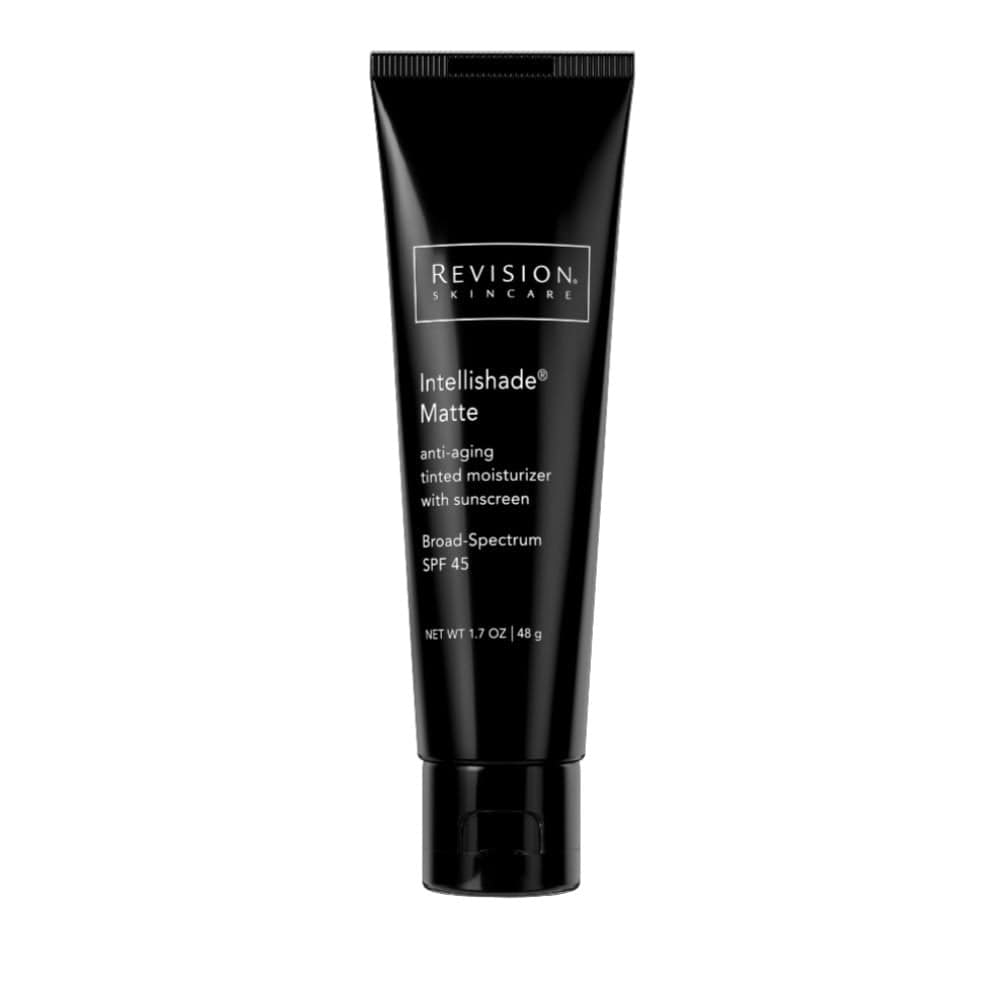
Some popular, research-backed products often used to treat acne scars include:

Microneedling for Acne Scars
Acne scars can be treated with at home microneedling or microneedling by a doctor or trained medical provider. The needles that doctors use are fatter and often longer than the ones used for home use- and are much more effective.
If you do have acne scars, leave microneedling to the pros and don't do it yourself.
How to Prevent Acne Scars
While acne scars cannot always be prevented, there are some things you can do to help optimize your skin’s natural healing process and minimize the likelihood that you will develop a scar or hyperpigmentation.
- Do not pop pimples or pick at acne scabs. This can damage the skin and trigger inflammation, which can lead to scarring and hyperpigmentation.
- Start an acne treatment regimen that’s right for your skin. The longer acne goes untreated, the greater the risk of developing scarring and dark spots. Use acne treatment products that are a match for your skin type or talk to your dermatologist about prescription treatments for severe or persistent acne.
- Do not over-exfoliate your skin.There is no way to scrub away acne. Over-exfoliating your skin with scrubs or chemical exfoliants can lead to inflammation and increase the risk of scarring and dark spots after acne.
- Keep your skin protected from the sun. UV light can make post-inflammatory hyperpigmentation worse, so make sure you are wearing sunscreen every day.
Bottom Line
Acne scars and post-inflammatory hyperpigmentation (PIH) are common but treatable skin concerns. The key to effective treatment is to find out the type of scar you have and then choose the right products or treatments based on both your scar type and skin type.
If you’re not sure which skin type you are, take the quiz below to find out and receive a customized acne treatment regimen that’s designed for your skin.

Dr. Leslie Baumann MD, FAAD
Do acne scars go away on their own?
While post-inflammatory hyperpigmentation can sometimes go away on its own, true acne scars like atrophic or hypertrophic scars do not typically resolve on their own.
Does ice remove acne scars?
No, ice does not remove acne scars, and it’s not a good idea to apply ice directly to your skin. While ice can temporarily reduce swelling and redness from active pimples, it has no effect on existing scars and may irritate the skin if used improperly.
Does aloe vera fade acne scars?
Aloe vera may help to improve the appearance of dark spots caused by acne, but it isn’t able to fade true acne scars.
Best References and Scientific Publications on Acne Scars
- Obagi S, Casey A. Facial Scar Revision in Ch. 26 in Baumann, L. Cosmetic Dermatology Ed 2. (McGraw Hill 2022)
- Baumann, L. Ch. Cosmeceuticals and Cosmetic Ingredients (McGraw Hill 2015)
- Tan J, Kang S, Leyden J. Prevalence and Risk Factors of Acne Scarring Among Patients Consulting Dermatologists in the USA. J Drugs Dermatol. 2017 Feb 1;16(2):97-102. PMID: 28300850.
- Werschler WP, Herdener RS, Ross VE, Zimmerman E. Critical Considerations on Optimizing Topical Corticosteroid Therapy. J Clin Aesthet Dermatol. 2015 Aug;8(8 Suppl):S2-8. PMID: 26392839; PMCID: PMC4570086.
- Fabbrocini, G., Annunziata, M. C., D′ Arco, V., De Vita, V., Lodi, G., Mauriello, M. C., ... & Monfrecola, G. (2010). Acne scars: pathogenesis, classification and treatment. Dermatology research and practice, 2010(1), 893080.
- Hay, R. A., Shalaby, K., Zaher, H., Hafez, V., Chi, C. C., Dimitri, S., ... & Layton, A. M. (2016). Interventions for acne scars. Cochrane Database of Systematic Reviews, (4).
- Gozali, M. V., & Zhou, B. (2015). Effective treatments of atrophic acne scars. The Journal of clinical and aesthetic dermatology, 8(5), 33.


