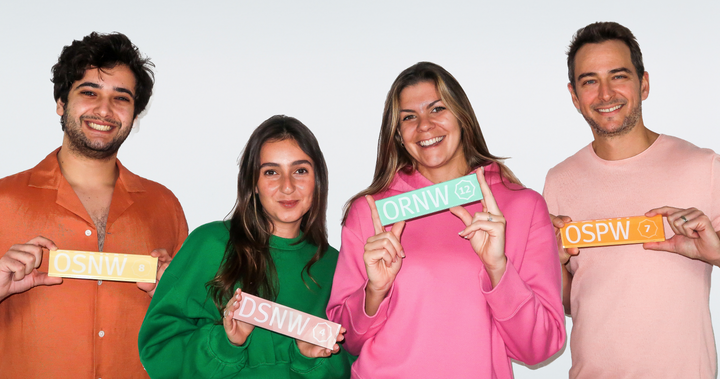
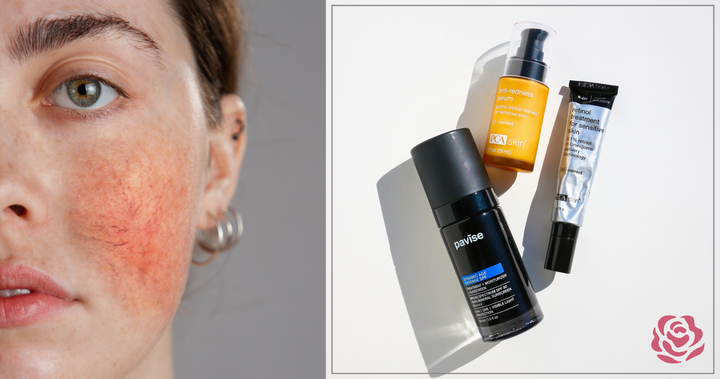
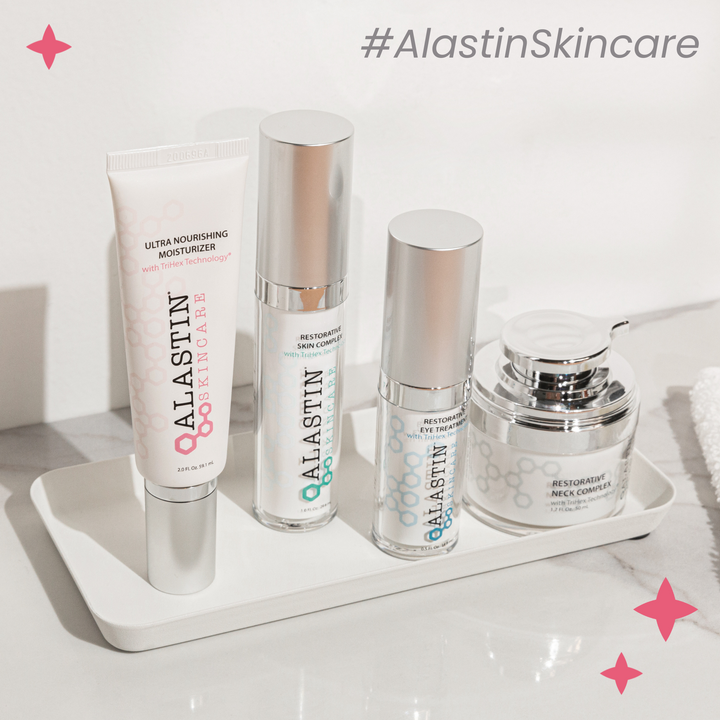
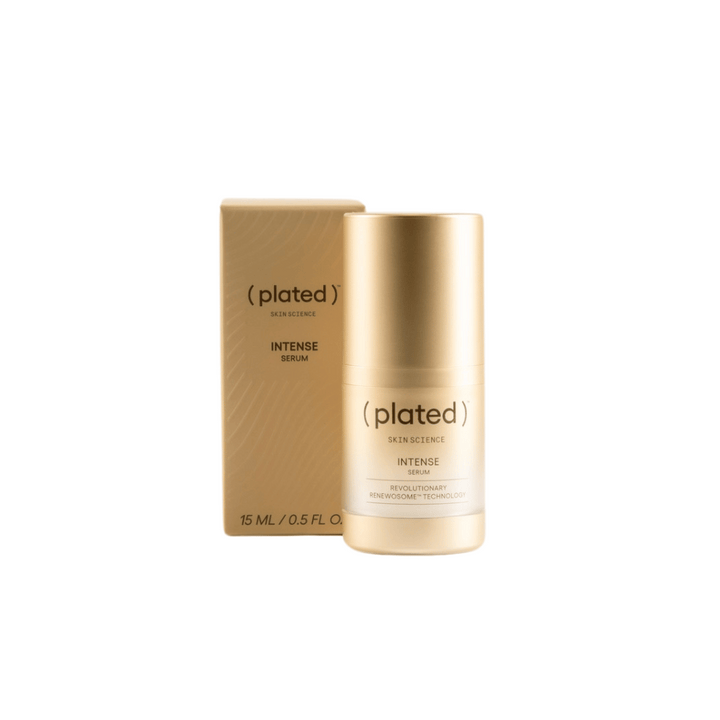
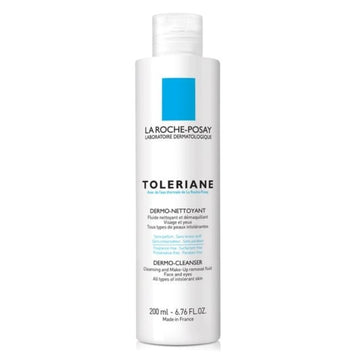
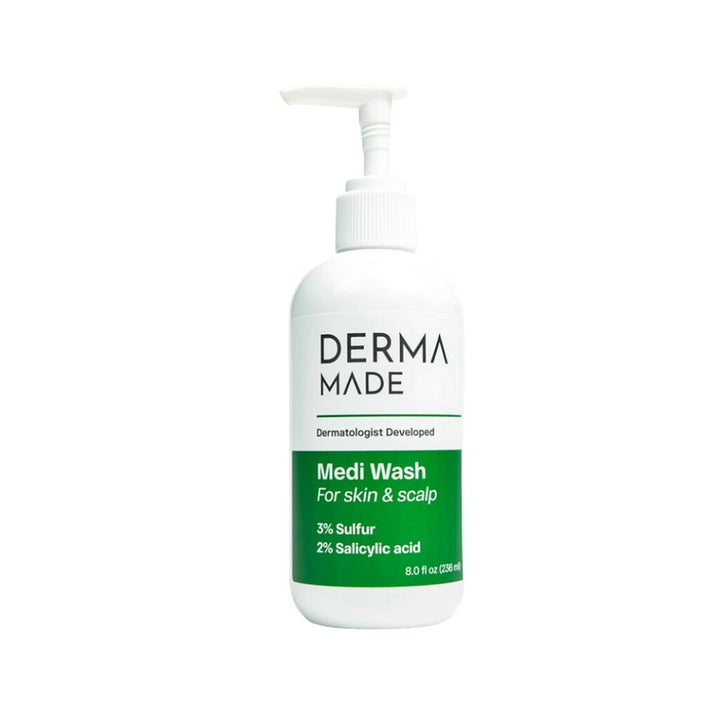
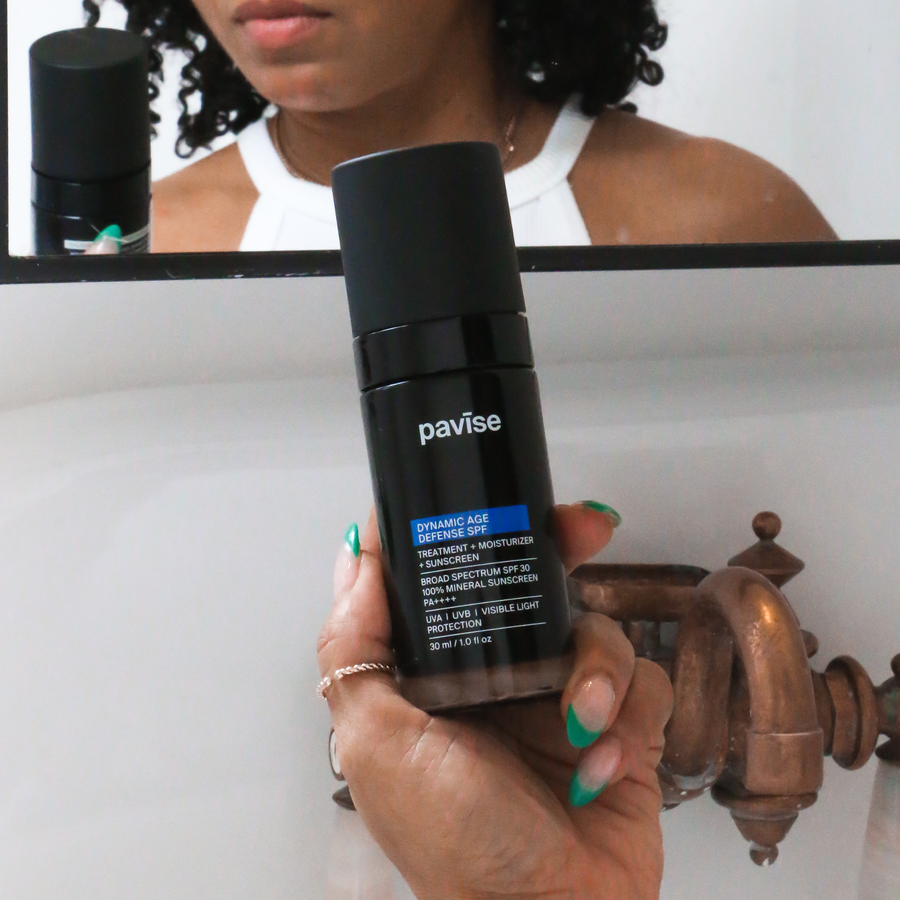
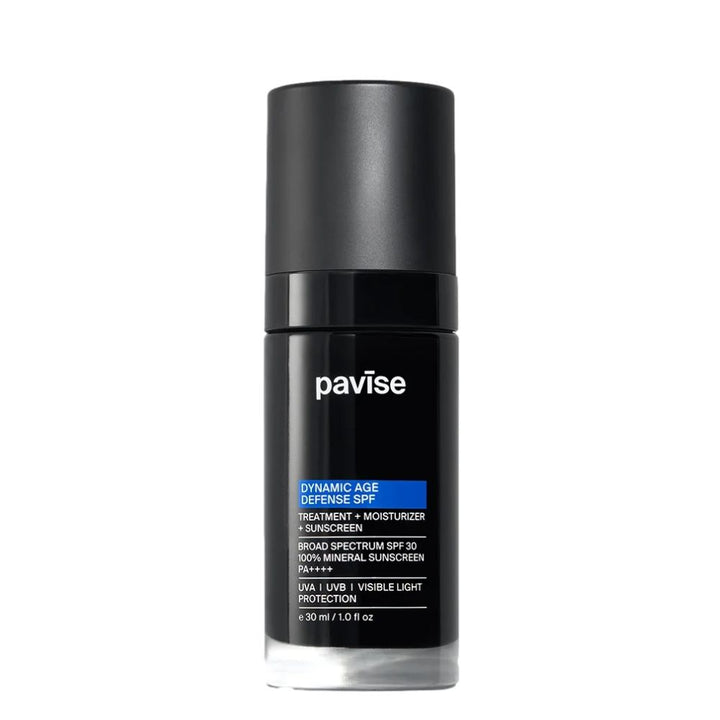
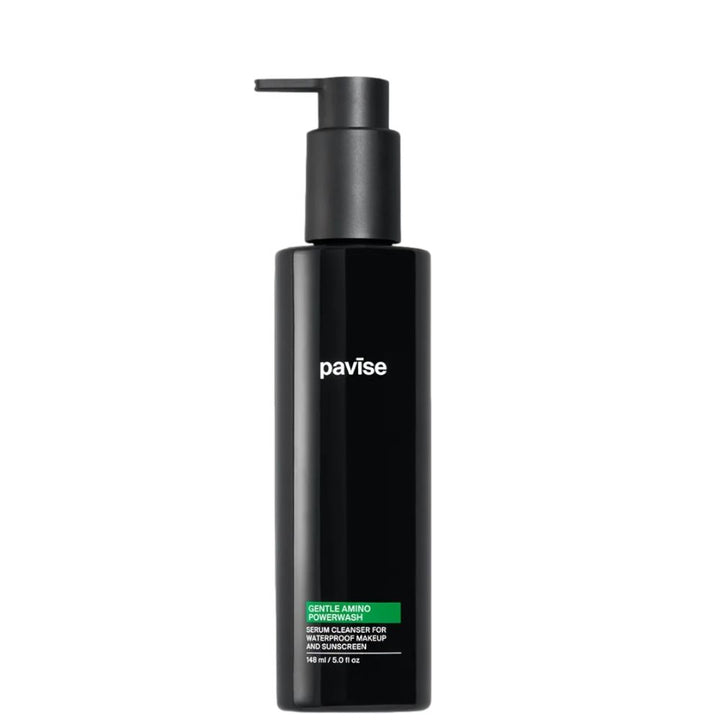
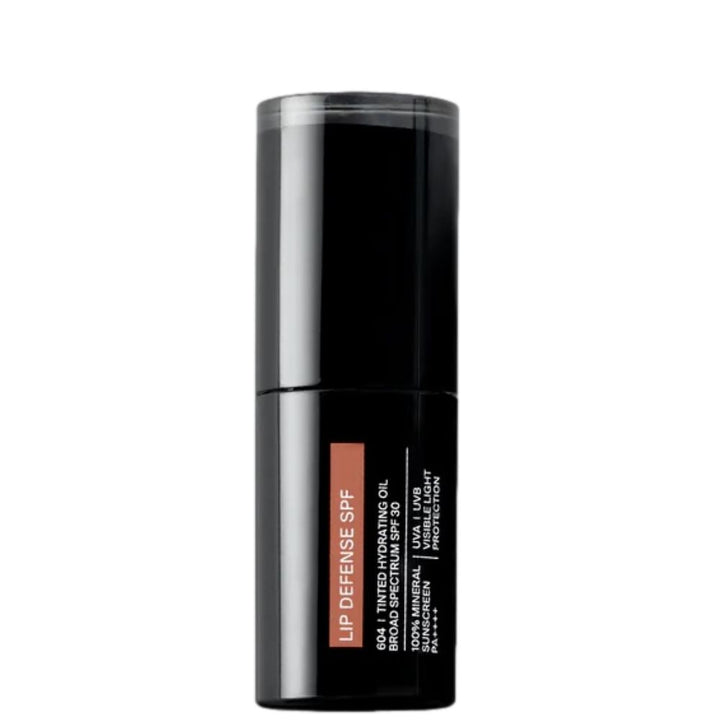
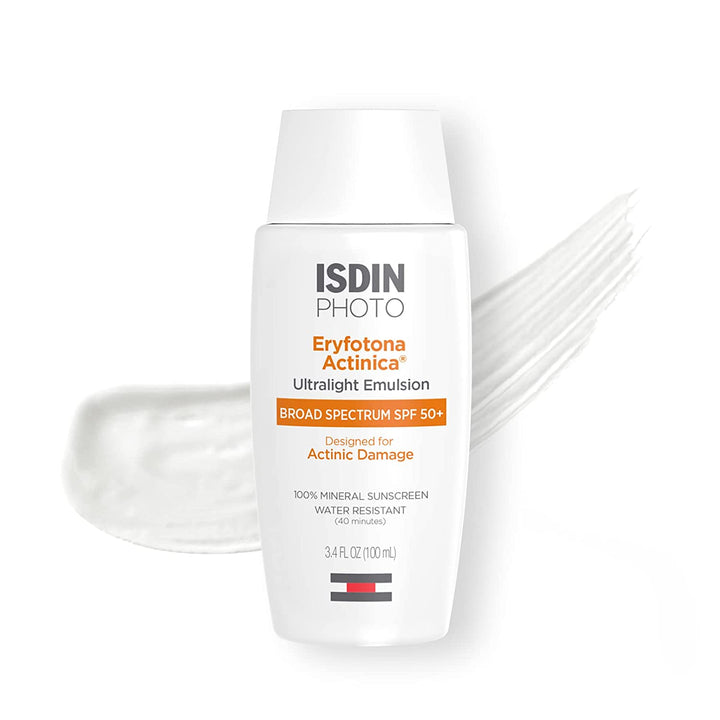
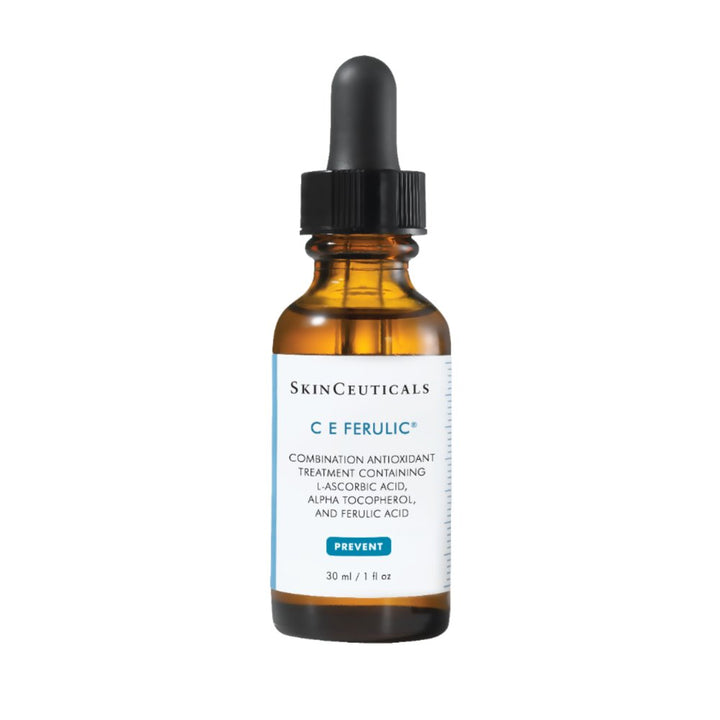
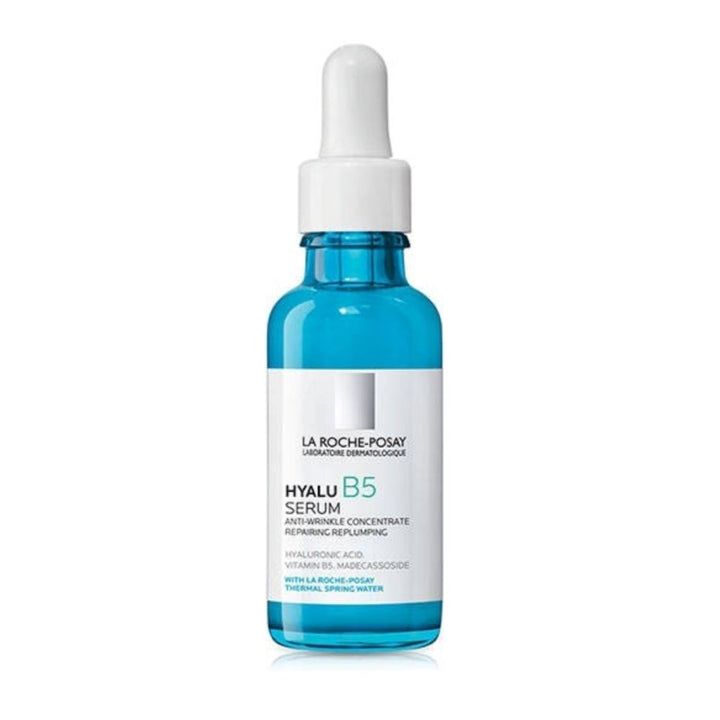
Take the quiz and combine products from the best dermatologist-approved skincare brands. Use your Baumann Skin Type® to shop, learn and get on the path to healthy skin.
[
{
  "affiliateCode": "BSWD115",
  "locationType": "Primary",
  "accountName": "Jonathan Richey, DO, MHA",
  "practiceName": "Baylor Scott & White Dermatology Specialists",
  "street": "5236 W University Drive #2200",
  "city": "McKinney",
  "state": "TX",
  "zip": 75071,
  "phone": "(469) 800-5325",
  "website": "dermmckinney.com",
  "bookingLink": "https://www.bswhealth.com/locations/dermatology-specialists",
  "email": "jonathan.richey@gmail.com",
  "practicelabel": "McKinney, TX",
  "skinType": "",
  "mdName": "Jonathan Richey, DO, MHA",
  "mdTitle": "STS Approved Doctor",
  "practiceDesc": "Whether your dermatology concern is health-related or cosmetic, Dr. Jonathan Richey and his team of dermatology fellowship trained physician assistants recognize the importance of healthy skin, hair and nails, and pride themselves on providing high-quality dermatology care in North Texas.",
  "practiceBio": "- Vision: Our patients and staff are raving fans who readily share their experience here with others.\n\n- Mission: We provide excellent, compassionate, medical, surgical and cosmetic dermatological care, in a nurturing environment.\n\n- Core Values: Our core values support our vision, mission and shape our culture.  These are the essence of our identify and the rules we live by.  These guide us in each and every decision we make and action we take with ourselves, with others, and our organization.  COMPASSIONATE, LEARNED, HONESTY, LOYALTY, RESOURCEFUL",
  "aboutMd": "Dr. Jonathan D. Richey offers state of the art medical, surgical and cosmetic treatments for the skin hair, nails and veins.  His degrees in medicine and health care administration demonstrates his exceptional commitment to the latest science and delivery of health care. \n\nDr. Richey is a strong proponent of scientifically determined skin typing.  He is also an advocate for using technology to help providers deliver health care and correctly educate his patients and the community.  He is particularly grateful for the many scientists and companies who work to develop and produce personalized products for exceptional skin and overall health.\n\nHe loves spending time with his wife and two daughters as well as landscaping and music.  He is fluent in Spanish.",
  "aboutSTS": "Following influencers, friends, fashions or fads is a poor way to care for your skin.  Your skin type deserves a successful, scientifically determined regimen for the lifetime of your skin.  This is found through Skin Type Solutions!\n\n-Dr. Jonathan D. Richey, DO, MHA"
},
{
  "affiliateCode": "BSWD116",
  "locationType": "Secondary",
  "accountName": "Jonathan Richey, DO, MHA",
  "practiceName": "Baylor Scott & White Dermatology Specialists",
  "street": "821 N Coleman St, #100",
  "city": "Prosper",
  "state": "TX",
  "zip": 75078,
  "phone": "(469) 800-5325",
  "website": "dermmckinney.com",
  "bookingLink": "https://www.bswhealth.com/locations/dermatology-specialists",
  "email": "jonathan.richey@gmail.com",
  "practicelabel": "Prosper, TX",
  "skinType": "",
  "mdName": "Jonathan Richey, DO, MHA",
  "mdTitle": "STS Approved Doctor",
  "practiceDesc": "",
  "practiceBio": "",
  "aboutMd": "",
  "aboutSTS": ""
}
]